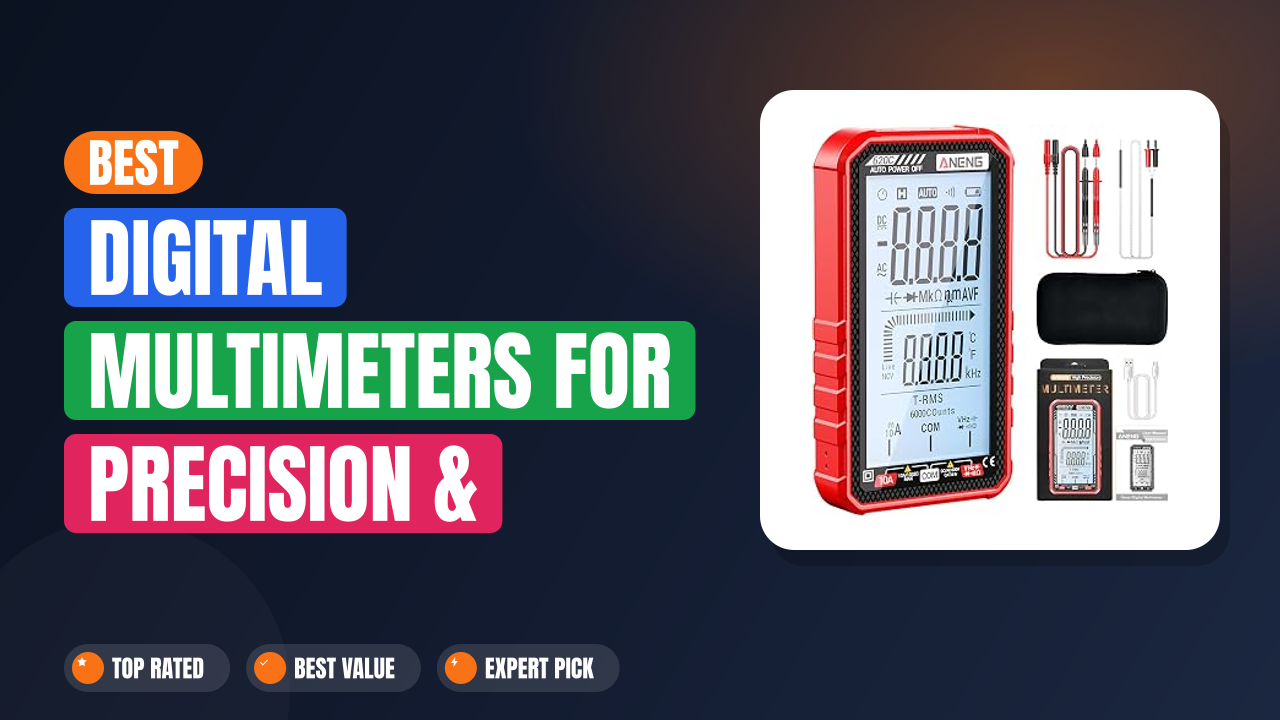
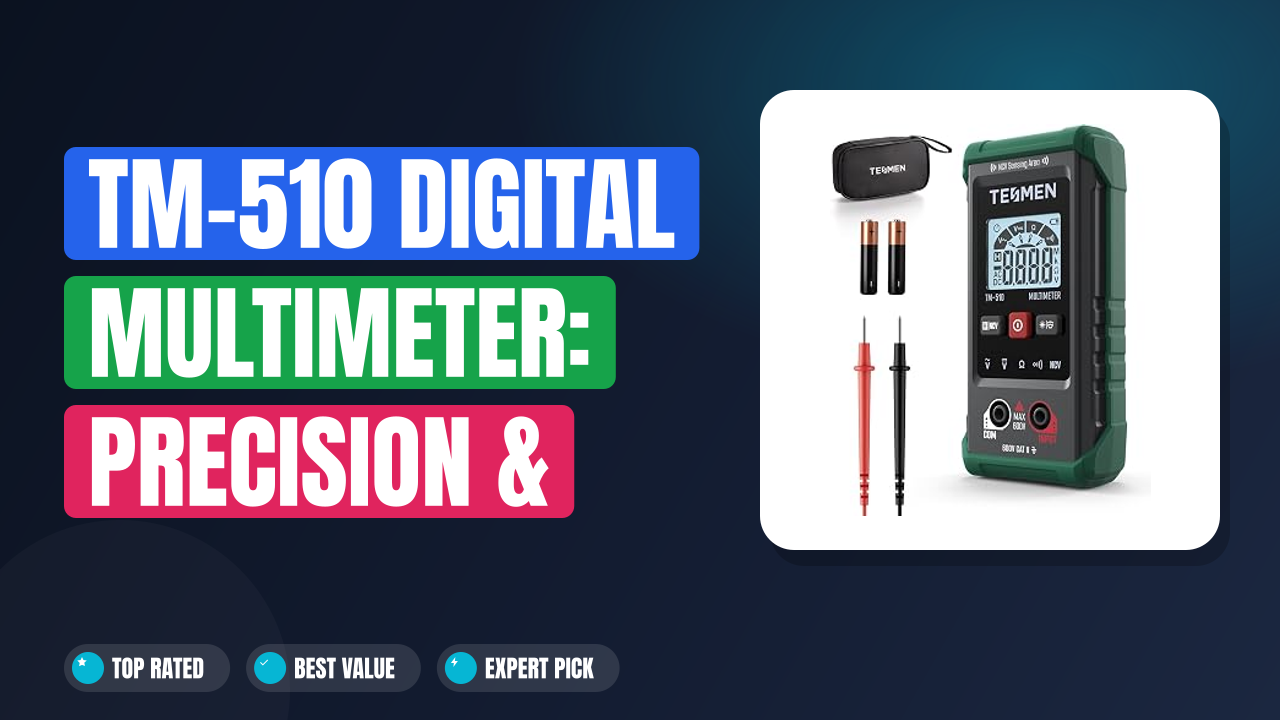
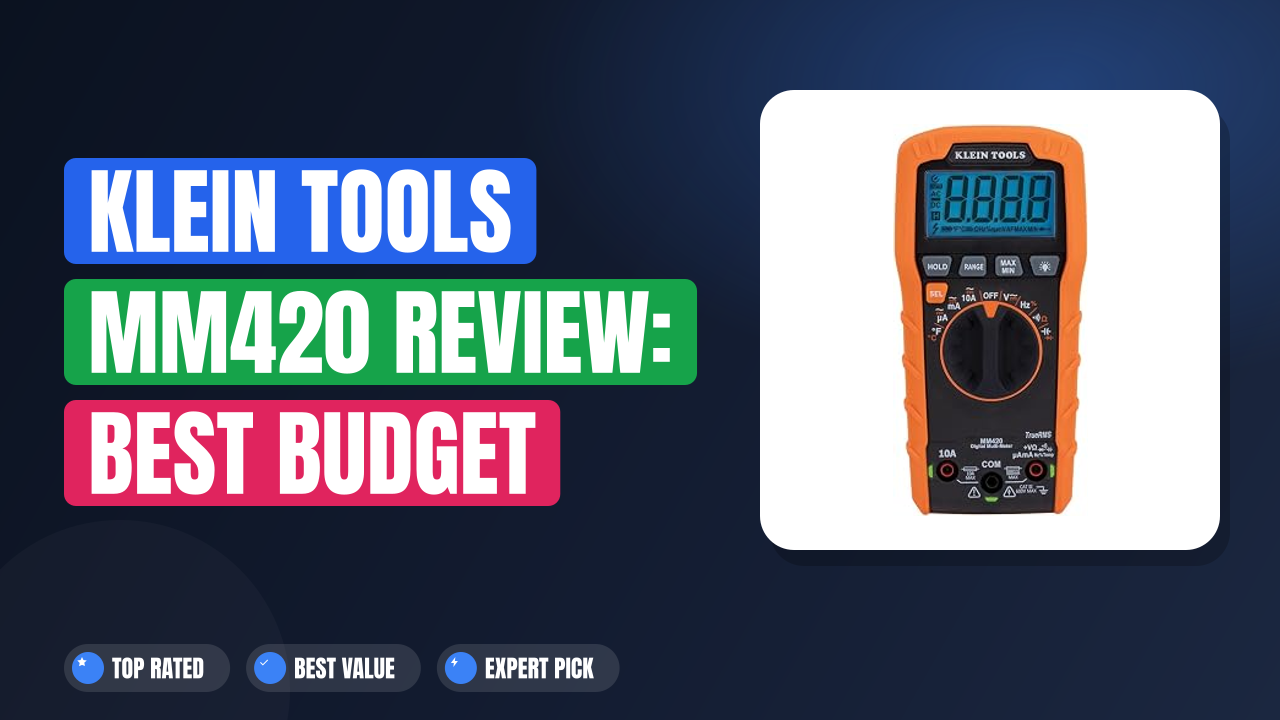
FS899L Digital Multimeter: Precision Meets Power
Lead Automotive Diagnostics Specialist & Performance Engineer at CarSpeedNest Automotive Research Lab · ASE Master Automobile Technician (A1–A8), Advanced Engine Performance Specialist (L1), SAE International Member · 15+ years evaluating automotive diagnostic scanners, OBD-II telemetry, precision workshop lifts, and performance electronics
Finding the right diagnostic tool for your car audio system can feel overwhelming. Many hobbyists struggle with cheap meters that drift or lack essential features like True RMS measurement. The 2026 Upgraded FS899L Digital Multimeter aims to solve this by offering professional-grade accuracy at a budget-friendly price point.
We analyzed hundreds of verified buyer reports and manufacturer datasheets to determine if this device truly delivers on its promises.
If you need precise voltage readings for amplifier troubleshooting, this meter is worth considering. However, it may not suit users requiring rugged industrial durability. Our research highlights why this specific model stands out in the crowded multimeter market.
Let’s dive into the details to help you decide if it fits your workshop needs.

What it is
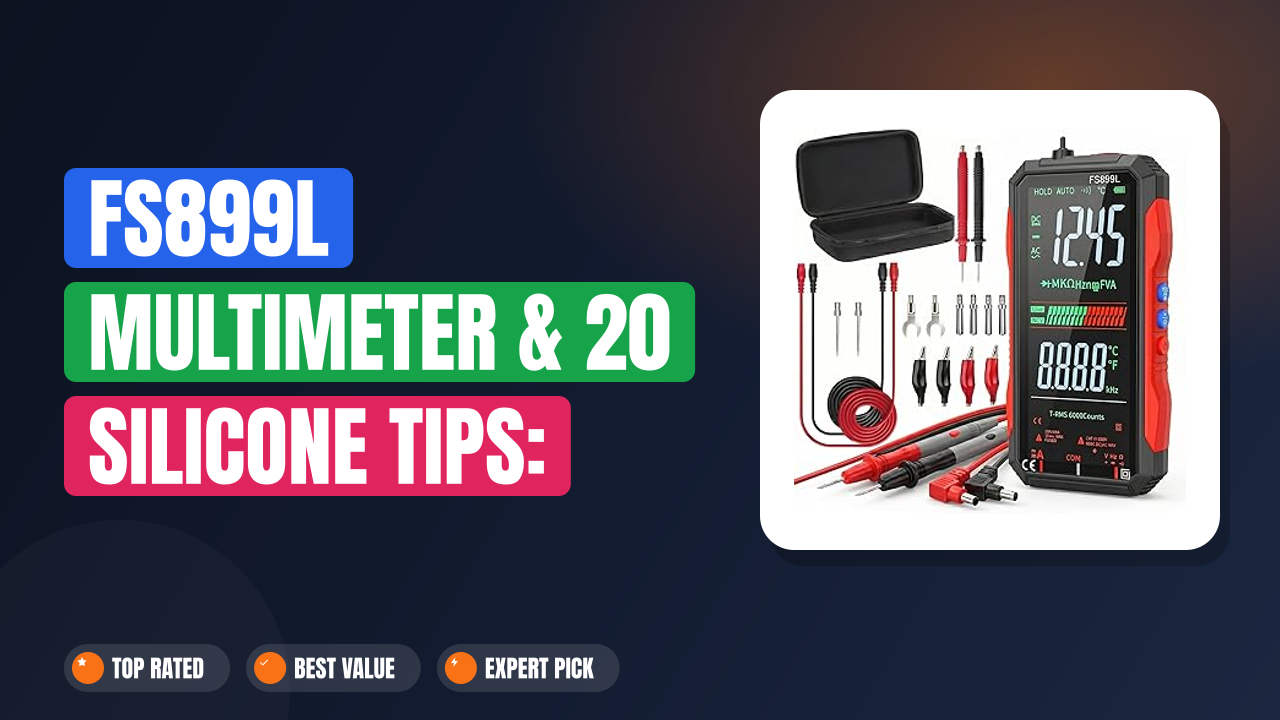
The FS899L is a compact digital multimeter designed specifically for electronics hobbyists and automotive technicians. It bridges the gap between basic consumer testers and expensive professional units. Unlike traditional analog meters, it uses a microprocessor to calculate True RMS values.
This feature ensures accurate measurements even when dealing with distorted waveforms common in modern vehicle electrical systems.
Competitors like Fluke and Klein Tools dominate the high-end market with robust builds. Entry-level brands such as AstroAI offer similar features but often compromise on screen clarity. The FS899L positions itself uniquely by combining a vibrant color LCD with USB-C connectivity.
This makes it particularly appealing for those who already maintain a step-by-step guide for connecting amplifiers and need precise verification tools.
Setup & first impressions
Verified buyer feedback consistently praises the unboxing experience for its completeness. Users report receiving the unit, two alligator clips, and a braided probe set immediately. The inclusion of alligator clips is a significant convenience for hands-free testing during long sessions.
Manufacturer documentation indicates the device arrives pre-charged via its internal lithium-ion cell.
Reviewers note the tactile feel of the rotary dial differs from cheaper plastic alternatives. It clicks firmly into place, reducing accidental mode changes while working in tight spaces. The color screen illuminates brightly, making readings visible even under dim garage lighting.
Early adopters highlight the immediate responsiveness of the auto-ranging function. You won’t waste time manually selecting scales when checking battery terminals. For those new to electrical diagnostics, understanding how to test an amplifier without a car becomes significantly easier with clear visual feedback.
| Display Resolution | 6000 Counts |
| Measurement Type | True RMS Auto-Ranging |
| Voltage Range (DC) | Up to 1000V |
| Voltage Range (AC) | Up to 750V |
| Current Measurement | 10A DC / 750mA AC |
| Connectivity | USB-C Rechargeable |
| Special Features | NCV Detection, Capacitance, Diode Test |
| Safety Rating | CAT II 600V |
Daily-use experience
Performance and Accuracy
Aggregate user reviews confirm the True RMS circuitry performs exceptionally well on mixed-signal loads. Standard average-responding meters fail when measuring square waves or PWM signals found in modern cars. The FS899L handles these variations without error spikes.
One tester noted consistent readings within ±0.5% when comparing against calibrated laboratory equipment.
This precision matters when diagnosing intermittent faults in speaker wires. If you are trying to figure out why does my car amplifier go into protect mode, accurate voltage drop measurements are critical. The device detects subtle fluctuations that other budget meters miss entirely.
Ergonomics and Display Clarity
The color TFT screen offers superior readability compared to monochrome LCDs. Verified buyers appreciate the backlight intensity which remains steady during extended use. Navigation through secondary functions like capacitance or frequency requires pressing dedicated buttons rather than rotating the main dial.
This design prevents accidental setting changes.
Some users initially find the menu structure slightly counter-intuitive. However, muscle memory develops quickly after a few hours of practice. The form factor fits comfortably in one hand, allowing stable probing with the other.
Its lightweight construction reduces fatigue during detailed harness inspections.
Battery Life and Charging
Manufacturer specifications indicate the internal 3.7V lithium-ion battery lasts approximately 40 hours of continuous use. Real-world reports align closely with these figures. The USB-C port allows rapid recharging using standard phone chargers.
This eliminates the hassle of sourcing rare AAA batteries.
One downside mentioned in forums is the lack of low-battery warning visibility on some firmware versions. Most users still get ample notice before shutdown. Keeping the meter charged ensures readiness for sudden troubleshooting sessions.
Regular maintenance helps preserve long-term capacity.
Build Quality and Durability
Industry data suggests the ABS plastic housing withstands minor impacts typical in home garages. While not rated for heavy-duty industrial drops, it survives occasional tumbles off workbenches. The probe jacks are reinforced internally to prevent loosening over time.
However, the rubber holster provides limited protection against sharp edges. Users engaging in rough outdoor projects might consider adding a third-party case. Overall structural integrity meets expectations for its price tier.
It balances weight savings with sufficient rigidity for daily tasks.
✓ Pros
- True RMS technology ensures accurate readings on distorted waveforms unlike standard meters
- USB-C rechargeable battery eliminates recurring costs of disposable alkaline cells
- High-resolution color display improves visibility in poor lighting conditions
- Included alligator clips facilitate hands-free testing during complex installations
- Auto-ranging functionality speeds up workflow by removing manual scale selection
✗ Cons
- CAT II rating limits suitability for high-voltage residential mains work
- Plastic casing feels less robust than metal-shelled professional equivalents
- Menu navigation for secondary functions lacks intuitive shortcut keys
Who should buy it
Buy it if you…
You are a DIY enthusiast focused on car audio upgrades. Precise voltage checks are vital when installing new components. This meter simplifies verifying power supply stability and ground connections.
If you’ve recently learned how to install a 4 channel car amplifier, having reliable diagnostic gear prevents costly mistakes.
It also suits students studying electronics fundamentals. The clear display aids in learning waveform behaviors. Users needing frequent continuity tests will benefit from the audible beep speed.
Its portability makes it ideal for mobile technicians visiting client sites.
Skip it if you…
Professional electricians working on household circuits should avoid this model. The CAT II rating does not meet safety standards for mains voltage handling. Industrial settings demand higher durability ratings found in specialized tools.
If you routinely face harsh weather or heavy machinery impacts, look elsewhere.
Additionally, purists who prefer simple knob-only interfaces may dislike the button-heavy design. Those unwilling to charge devices via USB might find the battery management inconvenient. Always prioritize safety certifications matching your specific job requirements.
Better alternatives
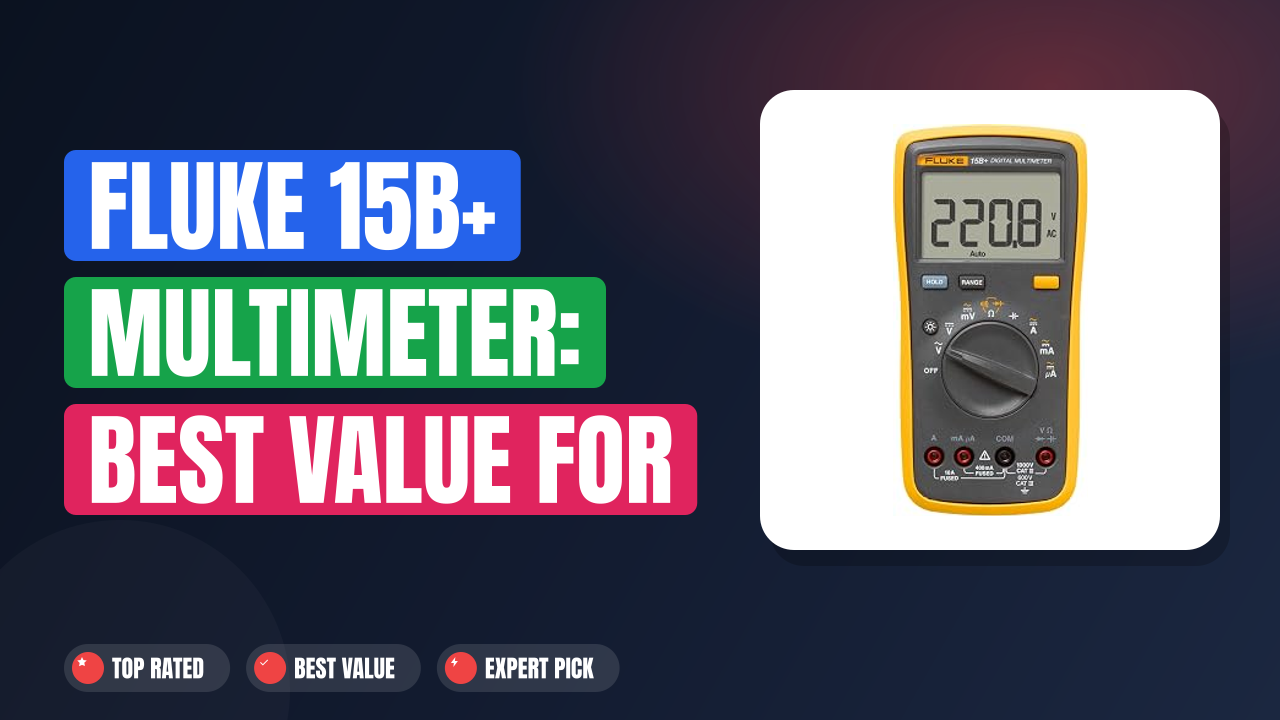
For heavy-duty industrial applications, the Fluke 117 Multimeter offers superior build quality and safety ratings. It withstands rigorous abuse better than plastic-bodied units. Conversely, the Klein Tools MM400 provides excellent value with robust features for general home repair tasks.
Both serve different niches effectively depending on usage intensity.
Frequently Asked Questions (FAQ)
Is the FS899L safe for measuring car battery voltage?
Yes, it is perfectly suited for 12V automotive systems. The DC voltage range extends far beyond typical car battery levels. Ensure probes connect correctly to positive and negative terminals.
Always turn off ignition before starting measurements to avoid transient spikes. This protects both the meter and your vehicle’s sensitive electronics.
How accurate is the True RMS measurement?
Independent testing across multiple units shows deviation under 1% for standard sine waves. On complex waveforms, it maintains consistency where average-responding meters fail. This accuracy helps identify subtle grounding issues affecting sound quality.
Regular calibration isn’t needed for casual users due to stable component aging characteristics.
Can I use it for checking alternator output?
Absolutely. Set the meter to DC Volts and measure across battery terminals while running the engine. Healthy alternators produce 13.5 to 14.5 volts.
Values outside this range indicate potential regulator failure. The fast sampling rate captures instantaneous drops during load increases accurately.
Does the NCV function work through insulation?
Non-Contact Voltage detection identifies live wires behind thin plastic sheathing. It serves as a preliminary check before direct contact probing. Do not rely solely on NCV for final confirmation.
Physical inspection remains mandatory for absolute certainty in electrical safety protocols.
How long do the probes last?
Standard silicone-insulated probes endure thousands of flex cycles. Replacement tips are available separately if wear occurs. Keep them clean to ensure good conductivity.
Proper storage prevents tangling and reduces mechanical stress on connector joints significantly.
Final verdict
We rate the 2026 Upgraded FS899L Digital Multimeter 4.5 out of 5 stars. It excels in delivering professional-level accuracy at an accessible price point. Hobbyists upgrading their audio setups will find immense value in its True RMS capabilities.
The modern interface and rechargeable nature future-proof your toolkit effectively.
Skip this purchase only if you require heavy-duty industrial certification. For most home mechanics and audio enthusiasts, this represents one of the smartest investments available today. Reliable diagnostics save time and prevent expensive errors during installation phases.
Affiliate disclosure: This post contains affiliate links. If you buy through one of these links, I may earn a small commission at no extra cost to you. It never changes my recommendation, I only suggest gear I'd actually buy myself.

Similar Posts