
Does a Car Stereo Need an Amplifier: Boost Sound Quality Now
Are you wondering if your car stereo really needs an amplifier? You might think your speakers sound fine, but could they sound better?
Understanding whether an amplifier can improve your music experience is key to getting the most out of your car’s audio system. You’ll discover how an amplifier works, when it’s necessary, and how it can transform your driving soundtrack. Keep reading to find out if adding an amplifier is the upgrade your car stereo has been waiting for.

Credit: www.amazon.com
Car Stereo Basics
Understanding the basics of your car stereo can help you decide if adding an amplifier is necessary. Your stereo system is more than just a music player; it’s a combination of components working together to deliver sound inside your vehicle. Knowing how these parts interact can clarify why sometimes the sound doesn’t meet your expectations.
How Car Stereos Work
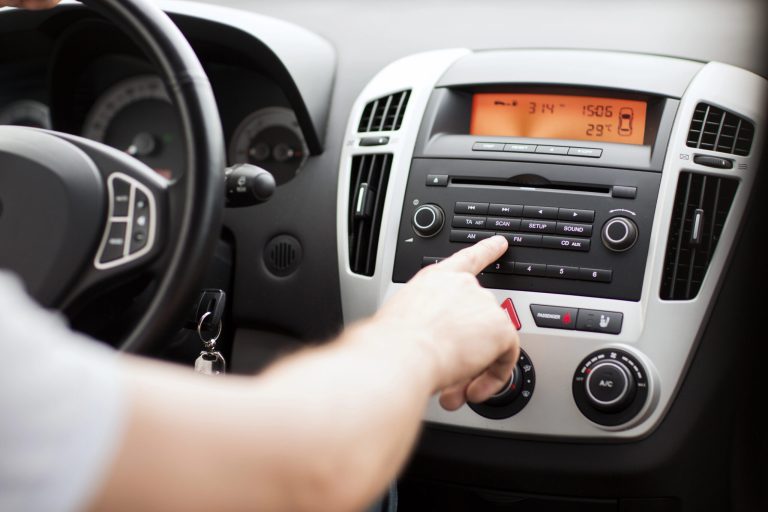
Your car stereo starts with the head unit, which controls the audio source, volume, and equalizer settings. It sends an electrical signal to the speakers, which convert that signal into sound waves you hear. The strength and quality of this signal determine how loud and clear the sound will be.
Most factory car stereos come with a built-in amplifier, but it’s usually designed to power standard speakers at moderate volume. If you want louder sound or better clarity, the stock amplifier might not be enough. Think about how you listen to music—do you turn the volume up often or prefer deep bass? These preferences affect whether you need extra amplification.
Common Sound Issues
Many drivers notice their music sounds flat or distorted at high volumes. This often happens because the built-in amplifier can’t supply enough power to the speakers. When this power limit is reached, speakers can strain, causing distortion or even damage.
Another common issue is weak bass, especially if your car stereo only powers small speakers. Without enough power, bass notes lose their punch and sound thin. If you’ve ever felt your music lacked impact, it might be due to this power shortage.
Have you ever asked yourself why some cars have booming sound systems while others don’t? It usually comes down to how much power their amplifiers provide and how well their components work together. Adding an amplifier can fix these sound issues by giving your speakers the power they need to perform at their best.
Role Of An Amplifier
An amplifier plays a key role in a car stereo system. It boosts the audio signal from the head unit. This boost powers the speakers to produce louder and clearer sound. Without an amplifier, the sound might be weak or distorted, especially at high volumes. The amplifier ensures that music sounds rich and full. Understanding how an amplifier works helps decide if your car stereo needs one.
What An Amplifier Does
An amplifier takes a small audio signal from the stereo. It increases the signal’s power without changing the music itself. This stronger signal drives the car’s speakers more effectively. It improves sound clarity, volume, and bass response. Amplifiers prevent distortion that happens when speakers get too little power. They help create a better listening experience inside the car.
Types Of Amplifiers
Car amplifiers come in different types based on their design and use. Each type offers unique benefits for sound quality and power.
- Class A:Simple design, excellent sound quality, less efficient.
- Class B:More efficient than Class A but may cause distortion.
- Class AB:Mix of Class A and B, good balance of quality and efficiency.
- Class D:Very efficient, compact, ideal for subwoofers and bass-heavy sound.
Choosing the right amplifier type depends on your sound goals and car setup.
Signs You Need An Amplifier
Knowing the signs that indicate the need for a car stereo amplifier helps improve your audio experience. An amplifier boosts sound power, making music clearer and louder. Without enough power, your stereo may underperform. Recognizing these signs can guide you to the right upgrade for better sound quality.
Weak Sound Output
Sound that feels too quiet even at high volume shows weak output. Your stereo may not provide enough power to your speakers. This results in low volume and poor audio performance. An amplifier can supply the needed power for louder and fuller sound.
Distortion At High Volume
Music that sounds fuzzy or crackles when loud means distortion. The stereo’s built-in amplifier might be struggling to handle high volume. Distortion reduces sound quality and makes listening unpleasant. Adding an amplifier helps keep sound clear at higher levels.
Upgrading Speakers
New or higher-quality speakers often need more power than the stock stereo offers. Without enough power, speakers cannot perform at their best. An amplifier matches the power needs of upgraded speakers. This ensures balanced, rich, and clean sound output.

Credit: www.walmart.com
Benefits Of Adding An Amplifier
Adding an amplifier to your car stereo system brings several key benefits. It improves overall audio quality and helps you enjoy music at its best. Amplifiers provide the extra power needed for clearer sound and louder volume. They also help your speakers perform better, making your listening experience more enjoyable.
Improved Sound Clarity
An amplifier reduces distortion in your music. It delivers cleaner power to your speakers, which means sounds are sharp and clear. Vocals and instruments come through with more detail. Background noise drops, letting you hear every note and beat clearly.
Increased Volume Capacity
Amplifiers allow your stereo to reach higher volumes without losing quality. Your music stays rich and full even at loud levels. This is perfect for open windows or noisy roads. The amplifier ensures sound remains strong and crisp at any volume.
Better Speaker Performance
Speakers receive the right amount of power from an amplifier. This prevents them from straining or breaking. The amplifier helps speakers produce deeper bass and clearer highs. Your car’s sound system works more efficiently and lasts longer with an amplifier.
Choosing The Right Amplifier
Choosing the right amplifier can make all the difference in how your car stereo sounds. It’s not just about picking the most powerful amp; it’s about finding one that fits your specific setup and goals. Let’s break down the key factors you need to consider to get the best audio experience in your vehicle.
Power Ratings To Consider
Understanding power ratings is crucial. Amplifiers are rated by RMS (Root Mean Square) power, which tells you the continuous power they can deliver. Avoid choosing an amplifier with a power rating that’s too low for your speakers; it can cause distortion and damage over time.
On the other hand, an amplifier with too much power can also harm your speakers if not managed properly. Look for an amplifier that matches or slightly exceeds your speakers’ RMS rating. This balance ensures clean, distortion-free sound without risking damage.
Matching With Speakers
Speakers and amplifiers need to work as a team. Check the impedance (measured in ohms) of your speakers and make sure the amplifier supports it. Mismatched impedance can lead to poor sound quality or even equipment failure.
Think about the type of speakers you have—are they component speakers, coaxial, or subwoofers? Each type might need a different amplifier setup. For example, subwoofers usually require more power and a dedicated amp channel to deliver deep bass without strain.
Installation Tips
Installing an amplifier isn’t just about connecting wires. Location matters—you want to place the amp where it gets enough ventilation to avoid overheating. A cramped spot under the seat may seem convenient but could limit airflow.
Use quality cables and connectors to prevent signal loss and interference. If you’re unsure about the wiring or power source, consulting a professional can save you headaches and protect your gear. Have you checked your car’s battery and alternator condition? A weak power source can limit your amplifier’s performance.
Alternatives To Amplifiers
If you’re wondering whether your car stereo truly needs an amplifier, it’s worth considering other ways to boost sound quality without adding bulk or extra power demands. Alternatives to amplifiers can offer cleaner sound, better control, and sometimes even save you money. Let’s look at some effective options that might fit your setup better.
Upgrading Head Unit
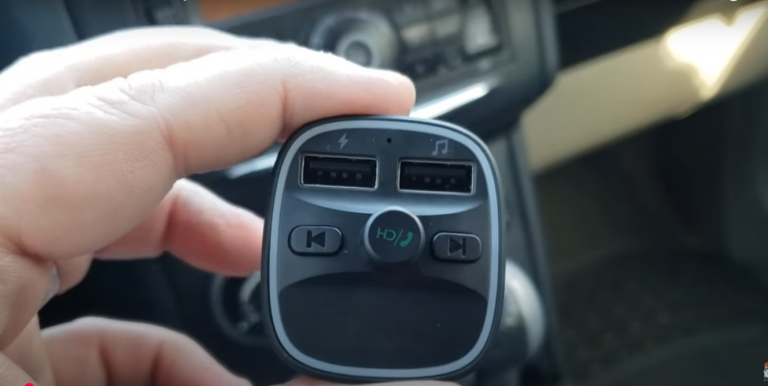
Your car’s head unit is the brain of the audio system. Upgrading to a modern, high-quality head unit can significantly improve sound clarity and volume without needing an external amp.
Newer head units often come with built-in equalizers, preamp outputs, and better signal processing. These features allow you to fine-tune the sound and drive your speakers more efficiently.
Think about your current head unit—does it support high power output or advanced sound settings? If not, swapping it out can be a simple and effective upgrade.
Using Sound Processors
Sound processors, such as digital signal processors (DSP), help shape the audio before it reaches your speakers. They can correct sound distortions and adjust frequencies to match your car’s acoustics.
By using a sound processor, you can get clearer, more balanced audio without increasing the power. This is especially useful if your car has tricky interior shapes that cause sound reflections or dead spots.
Have you noticed certain notes or voices sounding muffled or harsh? A sound processor can often fix these issues better than simply turning up the volume with an amp.
Common Installation Mistakes
Installing a car amplifier can improve sound quality a lot. But common mistakes can cause problems. These errors reduce sound performance and may damage equipment. Knowing these issues helps avoid them and get the best audio experience.
Wiring Errors
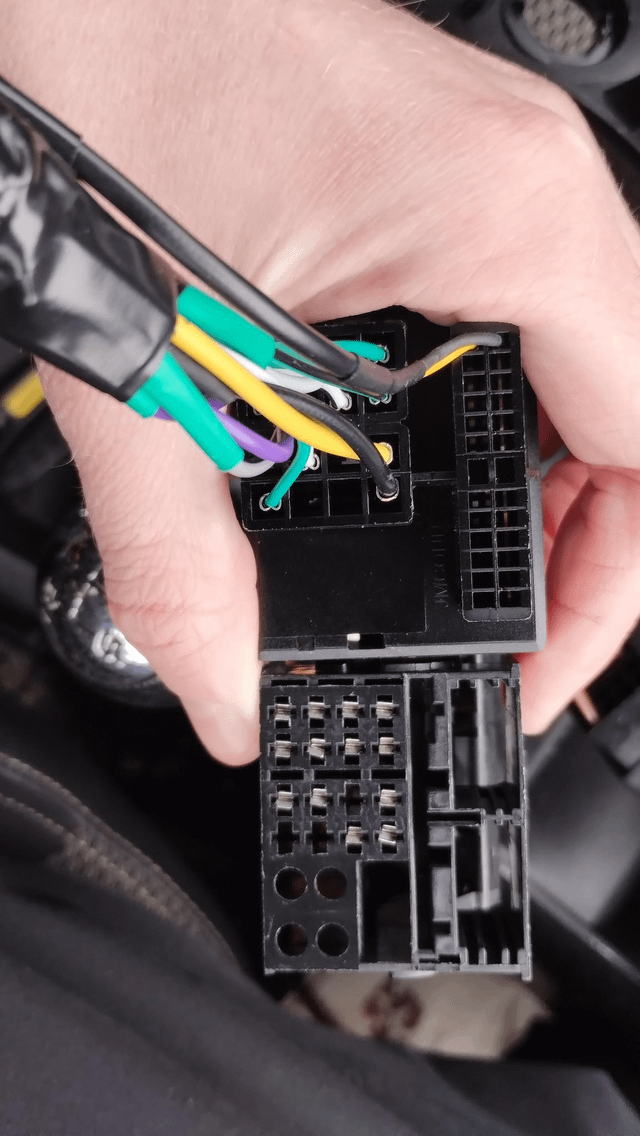
Incorrect wiring is a frequent installation mistake. Wrong wire connections cause no sound or poor audio. Using wires that are too thin can lead to overheating. Always check wire types and follow the correct wiring diagram. Secure connections prevent cuts and shorts.
Poor Grounding
Poor grounding causes noise and signal interference. A bad ground connection leads to static or buzzing sounds. Ground the amplifier to a clean, bare metal part of the car. Avoid painted or rusty surfaces for grounding. Proper grounding ensures stable power and clear sound.
Overpowering Speakers
Using an amplifier with too much power can damage speakers. Overpowering causes distortion and speaker failure. Match the amplifier’s power output to the speaker’s power rating. Check speaker specifications before setting amplifier levels. Balanced power keeps sound clean and gear safe.
Credit: www.diymobileaudio.com
Frequently Asked Questions
Does A Car Stereo Work Without An Amplifier?
Yes, car stereos can work without an amplifier. However, built-in amplifiers often limit sound power and quality. Adding an external amplifier improves volume and clarity, especially for larger speakers or subwoofers.
When Do You Need An Amplifier For Your Car Stereo?
You need an amplifier when your stereo’s sound is too weak or distorted. Amplifiers boost audio signals, enhancing volume and sound quality, especially with aftermarket speakers or subwoofers.
Can An Amplifier Improve Car Stereo Sound Quality?
Yes, an amplifier significantly improves sound quality. It provides cleaner, louder, and more detailed audio by delivering more power to the speakers than the stereo alone.
Is An Amplifier Necessary For Factory Car Stereos?
Amplifiers are not always necessary for factory stereos. However, upgrading to an amplifier can enhance sound performance, especially if you want louder and clearer audio.
Conclusion
Deciding if your car stereo needs an amplifier can be puzzling. Consider your music preferences. Love bass and clear sound? An amplifier could be useful. Most factory stereos work fine for casual listeners. Budget matters too. Amplifiers can be pricey.
Think about installation costs as well. Remember, an amplifier enhances sound quality. It doesn’t fix poor speakers. So, weigh your options carefully. Choose based on your needs and budget. Ultimately, the right choice boosts your driving experience. Enjoy your favorite tunes with clarity and joy.