How to Bridge Car Speakers: Easy Steps for Better Sound Quality
Are you looking to get more power and better sound from your car speakers without buying a whole new system? Learning how to bridge car speakers can be the game-changer you need.
It’s a simple technique that can boost your audio’s punch and clarity, making every drive more enjoyable. In this guide, you’ll discover easy steps to bridge your speakers safely and effectively—even if you’re not an expert. Keep reading, and you’ll be able to unlock the full potential of your car’s sound system today.
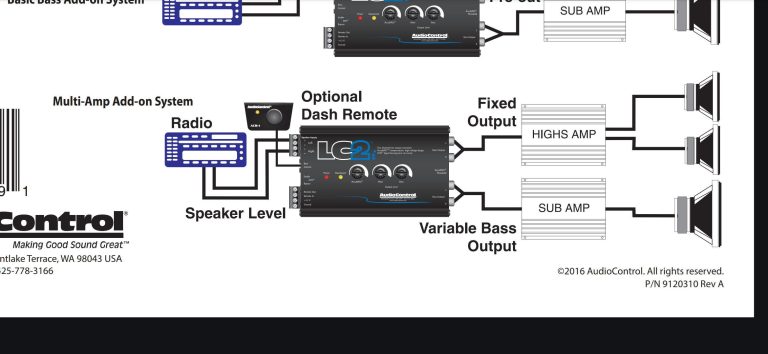
Credit: www.diymobileaudio.com
What Is Speaker Bridging
Speaker bridging is a technique used in car audio to combine two amplifier channels into one. This process increases the power output to a single speaker. It allows a car audio system to deliver louder and clearer sound from fewer channels.
Understanding speaker bridging helps improve your car’s audio performance. It can be a smart choice for driving a subwoofer or a high-power speaker.
Basic Concept
Speaker bridging connects two amplifier channels to one speaker. It uses the positive terminal of one channel and the negative terminal of another. This setup doubles the voltage sent to the speaker. The result is more power delivered than with a single channel.
The amplifier works harder to push more energy. The speaker then receives stronger signals. This method requires an amplifier that supports bridging. Not all amplifiers can be bridged safely.
Benefits For Sound
Bridging provides more power to the speaker. This power can produce louder and deeper sound. It enhances bass response and overall volume. Your music sounds richer and fuller.
Bridging also reduces distortion at high volume levels. The speaker receives a cleaner, stronger signal. This means clearer sound, especially in low frequencies.
Using bridging can make your car audio system simpler. You may need fewer amplifier channels for the same power output. This can save space and reduce wiring complexity.
Check Your Amplifier Compatibility
Checking your amplifier compatibility is crucial before bridging car speakers. Not all amplifiers support bridging, and using the wrong setup can damage your equipment. Ensuring your amplifier can handle bridged speakers protects your system and improves sound quality.
Identify Bridging Capability
Look at your amplifier’s manual or label. It should state if bridging is possible. Some amps have a dedicated bridge mode switch or specific terminals for bridging.
Bridging combines two channels into one. This delivers more power to a single speaker. Not every amplifier supports this function.
Using an amplifier without bridging capability can cause poor sound or damage. Verify this feature before making any connections.
Understand Impedance Limits
Check the minimum speaker impedance your amplifier supports in bridged mode. Impedance is measured in ohms (Ω).
Bridging usually doubles the load seen by the amplifier. For example, two 4-ohm speakers in stereo become a 2-ohm load when bridged.
Running a lower impedance speaker than recommended can overheat the amplifier. This may lead to failure or distortion.
Always match your speaker’s impedance with the amplifier’s bridged specifications. This ensures safe and efficient operation.
Gather Necessary Tools
Before bridging car speakers, collecting the right tools is essential. Proper tools make the job easier and safer. Having everything ready saves time and prevents mistakes.
Gather all necessary equipment and understand safety rules. This preparation ensures a smooth and successful installation.
Required Equipment
- Multimeter – for checking voltage and continuity
- Screwdrivers – both flathead and Phillips
- Wire strippers – to remove insulation cleanly
- Crimp connectors or soldering kit – for secure wire connections
- Electrical tape or heat shrink tubing – to insulate wires
- Amplifier manual – for correct wiring details
- Speaker wires – of appropriate gauge and length
Safety Precautions
- Disconnect the car battery before starting any work
- Wear safety gloves to protect your hands
- Avoid working near water or damp places
- Keep tools organized to avoid accidental damage
- Use insulated tools to reduce electrical shock risk
- Double-check connections before powering the system
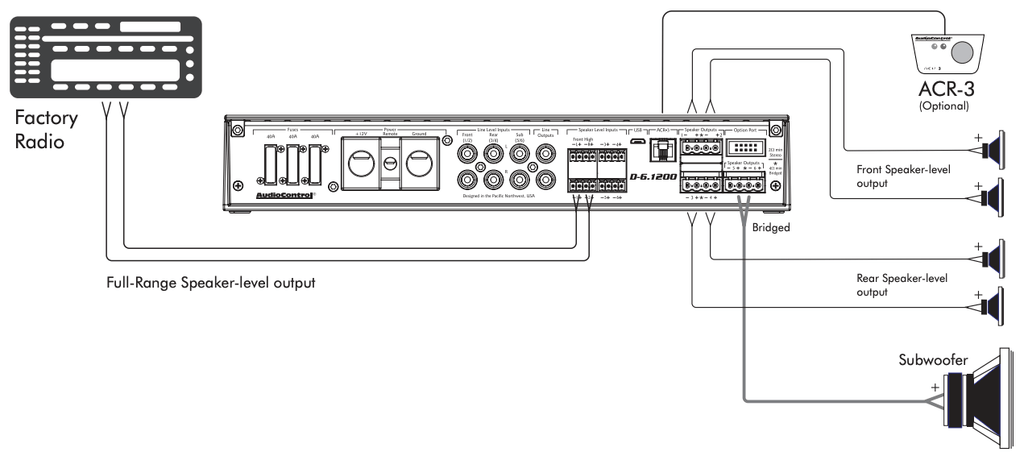
Credit: www.diymobileaudio.com
Step-by-step Bridging Process
Bridging your car speakers can significantly boost their power output and improve sound quality. It’s a straightforward process if you follow the right steps carefully. Let’s walk through the exact actions you need to take to bridge your car speakers safely and effectively.
Disconnect Power
Before you touch any wires, always disconnect your car battery to avoid electrical shorts or shocks. Removing the negative terminal is usually enough to ensure safety. Have you ever underestimated this step? It’s a simple action that can save you from costly damage.
Locate Bridge Terminals
Next, find the amplifier’s bridge terminals. These are specifically labeled on most amps, often as “Bridge” or “Bridged.” If your amp’s manual is handy, double-check to avoid confusion. Missing this detail can lead to improper wiring and poor sound performance.
Connect Speaker Wires
Once you identify the bridge terminals, connect your speaker wires accordingly. Use the positive terminal from one channel and the negative terminal from the other channel for bridging. Make sure your wire connections are tight and secure to prevent signal loss or distortion.
Test The Setup
After connecting everything, reconnect your car battery and power on the system. Play some music at a low volume to test the new setup. Listen carefully for clarity and check if the speaker output is stronger without distortion. If you notice any issues, turn off the power and recheck your wiring.
Troubleshooting Common Issues
Troubleshooting common issues while bridging car speakers can save you time and frustration. Understanding what causes problems like no sound or distortion, and overheating amplifiers, helps you fix them quickly. Let’s dive into the most frequent issues and how to address them effectively.
No Sound Or Distortion
If your speakers produce no sound or distorted audio after bridging, start by checking your wiring. Loose or incorrect connections often cause these problems. Double-check that the positive and negative terminals match the amplifier’s bridging instructions exactly.
Another frequent cause is impedance mismatch. Bridging usually halves the speaker impedance, so your speakers must handle the new load. Using speakers with too low impedance can cause distortion or silence. Have you tested your speaker’s impedance with a multimeter? It’s an easy way to spot mismatches.
Also, ensure the amplifier’s gain settings aren’t too high. Excessive gain can distort sound and damage speakers. Try lowering the gain and see if clarity improves. Sometimes, a simple gain adjustment makes all the difference.
Overheating Amplifier
Bridging increases the amplifier’s power output, which can cause it to overheat if not managed properly. If your amp feels hot to the touch or shuts down unexpectedly, it’s a sign of overheating. Adequate ventilation is crucial—make sure your amp isn’t enclosed in a tight space.
Check if your amplifier’s load rating matches the bridged speaker load. Using speakers with too low impedance forces the amp to work harder, generating extra heat. Have you tried adding a cooling fan or moving the amp to a cooler spot in your car? These small changes can prevent shutdowns.
Finally, inspect the amplifier’s thermal fuse or protection circuit. Sometimes, these safety features trip prematurely due to wiring errors or poor grounding. A solid ground connection and correct wiring can keep your amp running smoothly without overheating.
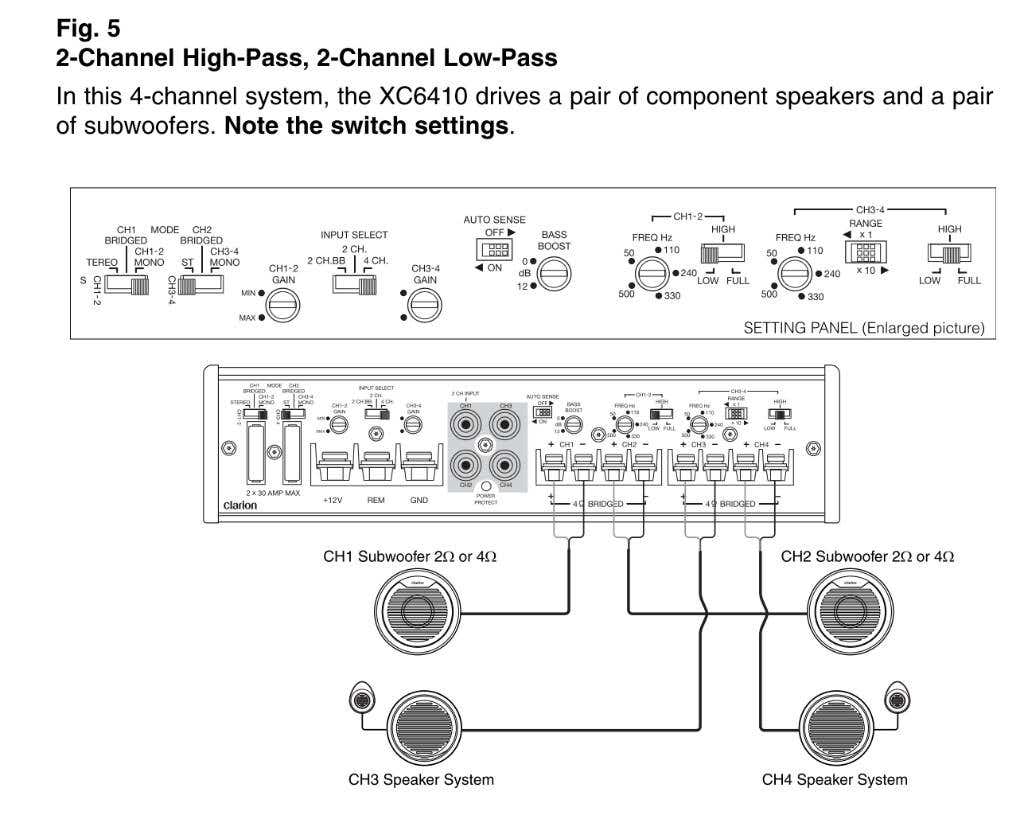
Credit: www.roadglide.org
Tips For Optimal Sound Quality
Getting the best sound from your bridged car speakers isn’t just about wiring them correctly. It involves fine-tuning settings and placing your speakers just right. These tips will help you squeeze every bit of clarity and power out of your setup.
Adjusting Gain And Settings
Setting the gain properly is crucial to avoid distortion and protect your speakers. Start with the gain low, then slowly increase it while playing music at a moderate volume until you hear the first hint of distortion. Back off just a little to keep the sound clean and powerful.
Don’t ignore other amplifier settings like bass boost and crossover frequencies. Adjust the crossover to send only the right frequencies to your bridged speakers—typically midrange and bass for subwoofers. This prevents your speakers from struggling with sounds they aren’t designed to handle.
Speaker Placement
Where you put your speakers affects how the sound reaches your ears. Try positioning them so they face toward you or the center of the car. This can make a big difference in how clear and balanced the music feels.
Think about the distance between speakers and reflective surfaces like windows and doors. Hard surfaces can cause unwanted echoes or muffled sound. Adding some soft materials near your speakers can reduce this effect and sharpen your audio experience.
Frequently Asked Questions
What Does Bridging Car Speakers Mean?
Bridging car speakers refers to combining two amplifier channels into one. This increases power output to a single speaker. It’s commonly used to enhance bass performance. Properly bridging amplifiers can significantly improve sound quality. Ensure your amplifier supports bridging before attempting this setup.
How Do I Bridge Car Speakers Safely?
To bridge car speakers safely, first, consult your amplifier’s manual. Follow the manufacturer’s instructions precisely. Ensure all connections are secure and correct. Avoid overloading the amplifier to prevent damage. Use appropriate speaker impedance. Safety is key to achieving optimal sound performance without risking your equipment.
Can All Amplifiers Be Bridged?
Not all amplifiers support bridging. Check your amplifier’s specifications to confirm its compatibility. Some amplifiers are designed specifically for bridging, while others are not. Attempting to bridge incompatible amplifiers can lead to equipment damage. Always verify compatibility before proceeding to ensure safe and effective bridging.
What Are The Benefits Of Bridging Car Speakers?
Bridging car speakers offers increased power output, enhancing audio performance. It improves bass response and overall sound quality. This setup is ideal for subwoofers needing higher power. Bridging maximizes amplifier efficiency, delivering a more robust audio experience. It’s a popular choice for car audio enthusiasts seeking improved sound.
Conclusion
Bridging car speakers helps improve sound quality and power. It connects two speaker wires to one amplifier channel. This method works best with compatible speakers and amps. Always check your gear’s specs before starting the process. Take your time to avoid mistakes and damage.
Good wiring ensures clear, strong audio while driving. Now, you can enjoy better music in your car easily. Give it a try and feel the difference. Simple steps, big sound.