
What is a Head Unit in Car Stereo: Ultimate Guide to Features
Have you ever wondered what controls all the music, radio, and sounds in your car? That’s where the head unit comes in.
It’s the heart of your car stereo system, but many people don’t really know what it does or why it’s important. Understanding the head unit can change how you enjoy your drives, making every trip more fun and connected. Keep reading, and you’ll discover how this simple device can transform your car’s audio experience.

Credit: www.amazon.ca
Role Of A Head Unit
The head unit plays a crucial role in a car stereo system. It acts as the main hub that controls all audio and media functions. This device manages the input sources, processes sound, and allows users to interact with the system easily. Understanding its role helps to appreciate why it is vital for a great in-car audio experience.
Central Control System
The head unit acts as the central control system for the car’s audio setup. It connects to speakers, amplifiers, and other components. It sends signals and manages sound output to deliver clear audio. Without the head unit, the car stereo cannot function properly.
Audio Source Management
It manages multiple audio sources like radio, CDs, USB drives, and Bluetooth devices. The head unit switches between these sources smoothly. It also processes digital and analog signals to maintain sound quality. This management ensures drivers and passengers can enjoy various media easily.
User Interface
The head unit provides a user-friendly interface for controlling the stereo. Buttons, touchscreens, and knobs allow easy navigation. It displays information such as song titles, radio stations, and settings. The interface helps users customize sound and media preferences quickly and safely while driving.

Credit: www.atotodirect.com
Types Of Head Units
Head units come in various types to fit different car stereo needs and preferences. Knowing the differences helps you pick one that matches your style and the tech you want. Let’s break down the main types so you can decide what fits best in your car setup.
Single Din Vs Double Din
Single DIN head units are the classic, compact size, about 2 inches tall. They usually offer basic controls and a simple display, perfect if you want straightforward functionality without extra bulk.
Double DIN units double that height to around 4 inches, giving space for bigger touchscreens and advanced features like navigation and smartphone integration. If you like having a multimedia hub right in your dash, double DIN is likely your go-to.
Think about your dashboard space and what fits best. Have you checked if your car supports double DIN, or will you need an adapter?
Basic Vs Advanced Models
Basic models focus on essential functions like AM/FM radio, CD players, and simple Bluetooth connections. These are great if you want a cost-effective, no-fuss upgrade.
Advanced models pack in extras like touchscreen displays, GPS, voice control, and multiple media inputs. They often support Apple CarPlay and Android Auto, making your phone’s apps directly accessible from the head unit.
Ask yourself what features you actually use daily. Are you okay with simple controls, or do you want your stereo to double as a mini command center?
Aftermarket Vs Factory Units
Factory units come installed by the car manufacturer, designed to match your vehicle’s look and sometimes integrate with steering wheel controls or vehicle sensors.
Aftermarket units replace the factory stereo and usually offer better sound quality, more features, and customization options. They can breathe new life into an older car with limited original tech.
Consider if you want to maintain original aesthetics or prioritize functionality and upgrades. Have you thought about how an aftermarket unit might improve your driving experience?
Core Features
The core features of a head unit define how it enhances your driving experience. These features determine the quality of sound, ease of use, and the level of integration with your devices. Understanding them helps you choose the right unit that fits your needs and lifestyle.
Radio And Media Playback
The ability to play radio and media is fundamental to any head unit. Most units support AM/FM radio, giving you access to local stations wherever you drive. Some also include HD radio, which offers clearer sound and more channels.
Media playback goes beyond radio. Many head units let you play music from CDs, USB drives, or SD cards. This means you can carry your favorite playlists without relying on your phone’s battery or data connection.
Connectivity Options
Connectivity is key to keeping your devices linked to the head unit. Bluetooth is almost always available, allowing hands-free calls and wireless music streaming. This keeps your focus on the road while enjoying your tunes or taking calls safely.
Some head units also offer USB ports and auxiliary inputs. These let you connect devices that might not support Bluetooth or need charging while playing music. More advanced models include Apple CarPlay and Android Auto, which mirror your smartphone screen for easy access to apps and navigation.
Display And Controls
The display and controls shape how you interact with your head unit. Touchscreens have become popular because they offer intuitive control and quick access to features. A clear and bright display helps you read information even under direct sunlight.
Physical buttons and knobs remain useful, especially while driving. They provide tactile feedback, so you don’t have to look away from the road. Some units even let you customize the interface, allowing you to prioritize the functions you use most.
Advanced Functionalities
The head unit in your car stereo is no longer just a simple radio or CD player. It now offers advanced functionalities that make driving safer, more convenient, and even more enjoyable. Understanding these features can help you choose the right system that matches your lifestyle and tech preferences.
Touchscreen And Navigation
Touchscreen displays have become standard in modern head units. They allow you to control music, settings, and maps with just a tap or swipe. This makes it easier to keep your eyes on the road while interacting with your car’s system.
Navigation features are often integrated directly into the touchscreen. This means you don’t need to rely solely on your phone’s GPS. The built-in maps provide real-time traffic updates and route suggestions, which can save you time and reduce stress during your drive.
Smartphone Integration
Connecting your smartphone to your car’s head unit is more than just about playing music. You can access your contacts, messages, and apps like Spotify or Apple Music right from the dashboard. This keeps your phone tucked away safely while still staying connected.
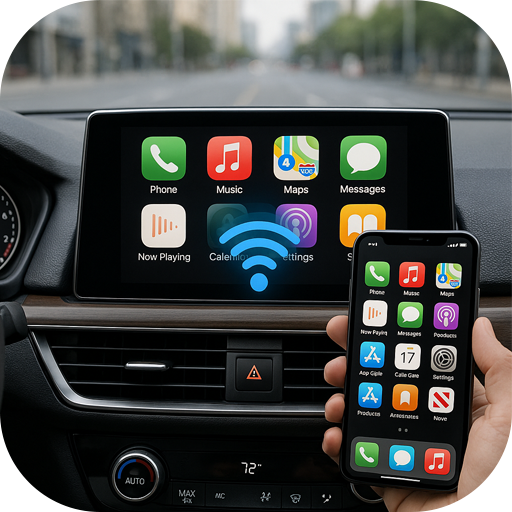
Many head units support Apple CarPlay and Android Auto, which mirror your phone’s interface on the car screen. This integration allows you to use familiar apps without the need to learn new controls. Have you noticed how this changes your driving experience by reducing distractions?
Voice Control
Voice control lets you operate your head unit without lifting a finger. You can ask it to play songs, make calls, or get directions simply by speaking. This hands-free option enhances safety, especially during busy traffic or night driving.
Some systems even understand natural language, so you don’t have to memorize specific commands. How often do you find yourself wanting to keep your hands on the wheel and eyes on the road? Voice control is designed exactly for that need.
Audio Enhancements
Audio enhancements in a car stereo head unit improve sound quality and listening experience. They allow drivers to customize audio settings to match their preferences. These features help deliver clear, rich, and balanced sound inside the vehicle. Understanding these options can help you enjoy music on the road.
Equalizer And Sound Tuning
The equalizer adjusts different sound frequencies to improve audio clarity. You can boost bass, midrange, or treble to suit your taste. Sound tuning lets you balance audio output for all speakers in the car. This helps create a more natural and pleasant sound environment.
Amplifiers And Subwoofers
Amplifiers increase the power of the audio signal for louder and clearer sound. They reduce distortion, especially at high volumes. Subwoofers focus on low-frequency sounds to add deep bass. Together, amplifiers and subwoofers make music feel more alive and full.
Surround Sound Support
Surround sound support creates an immersive audio experience. It simulates a multi-speaker system to place sounds around the listener. This feature enhances music, movies, and navigation alerts. It makes the car interior feel like a small concert hall or theater.
Installation Considerations
Installing a head unit in your car stereo system is more than just plugging in a device. It requires careful thought about how the unit fits and functions with your vehicle. Considering the right factors can save you time, money, and frustration during the installation process.
Compatibility With Vehicles
Your head unit needs to match your vehicle’s specifications to work correctly. Different cars have unique dashboard sizes and wiring harnesses. Checking the unit’s compatibility with your car model avoids headaches later.
Look for units designed for your vehicle or those that come with universal adapters. Have you ever bought a gadget only to find it doesn’t fit where you expected? Avoid that disappointment by confirming compatibility first.
Wiring And Mounting
Wiring is a crucial part of the installation. Most head units come with wiring harnesses, but these may not match your car’s wiring exactly. You might need extra connectors or adapters to ensure a secure and safe connection.
Mounting is equally important. The head unit must fit snugly into the dashboard to avoid rattles or damage. Some vehicles require special mounting kits or brackets, so check if your unit includes these or if you need to purchase them separately.
Professional Vs Diy Installation
Deciding whether to install the head unit yourself or hire a professional depends on your skills and confidence. DIY installation can save money but may take longer and risk errors if you’re not experienced.
Professional installers have tools and expertise to handle complex wiring and mounting challenges quickly. Think about your comfort level with electrical work—do you want to risk your car’s system or prefer peace of mind from expert handling?
Future Trends
The future of head units in car stereos is shaping up to be more connected, intelligent, and user-friendly than ever. As technology advances, your car’s central control system will do much more than just play music or show navigation. Let’s look at the key trends that will change how you interact with your vehicle’s audio and infotainment system.
Integration With Smart Cars
Your head unit will become a seamless part of the smart car ecosystem. Instead of acting as a standalone device, it will communicate directly with your car’s sensors and systems.
This means real-time updates on vehicle diagnostics, tire pressure, fuel efficiency, and even maintenance alerts will be displayed right on your screen.
Imagine your head unit giving you a heads-up about an upcoming service or warning you about a low battery before it becomes a problem. How would this level of integration change your driving experience?
Wireless Technologies
Wireless connectivity is set to eliminate the clutter of cables in your car. Expect more reliable Bluetooth connections with faster pairing and less dropouts.
Additionally, wireless charging for your devices will become standard, allowing you to keep your phone powered without fumbling for cords.
Some head units will support wireless Apple CarPlay and Android Auto, letting you access apps and navigation without plugging in. How often do you find tangled cables frustrating during your drives?
Ai And Personalization
Artificial intelligence will tailor your head unit’s features to fit your habits and preferences. Over time, it will learn your favorite radio stations, preferred routes, and even adjust sound settings based on the time of day or traffic conditions.
Voice assistants will become smarter, understanding natural speech better and responding quicker to your commands.
Imagine a system that suggests the best playlist for your mood or reminds you to take breaks on long trips. Would personalized assistance make your drives more enjoyable and less stressful?

Credit: www.amazon.ca
Frequently Asked Questions
What Is A Head Unit In A Car Stereo System?
A head unit is the main control device in a car stereo. It manages audio playback, radio, and connectivity options. It acts as the central interface for music, navigation, and phone integration. Essentially, it controls all audio and media functions inside your vehicle.
Why Is The Head Unit Important In Car Audio?
The head unit controls sound quality and media sources. It allows users to switch between radio, Bluetooth, and auxiliary inputs. It also manages volume, equalizer settings, and phone calls. Without it, you cannot effectively operate your car’s audio system.
Can You Upgrade A Car’s Head Unit Easily?
Yes, upgrading a head unit is usually straightforward. Most units follow standard sizes and wiring harnesses. Upgrading improves features like touchscreen, smartphone integration, and sound quality. Professional installation is recommended for complex systems or added components.
What Features Does A Modern Car Head Unit Offer?
Modern head units include touchscreen displays, Bluetooth, and GPS navigation. They support smartphone apps, voice control, and hands-free calling. Some models offer Apple CarPlay and Android Auto compatibility. These features enhance convenience and entertainment while driving.
Conclusion
A car stereo head unit is crucial for audio control. It serves as the command center for your vehicle’s sound system. Choose one that fits your needs and preferences. Consider features like Bluetooth, USB ports, and compatibility. Ease of use is important for safe driving.
Modern head units offer diverse options. They enhance your driving experience and keep you entertained. Investing in a good head unit can make a difference. It’s a key component for music lovers. Explore options and enjoy the best sound quality on the road.