
Are you ready to take your car audio system to the next level? Building your own car audio amplifier might sound tricky, but it’s easier than you think.
Imagine having powerful, clear sound blasting through your speakers, all from a device you built yourself. In this guide, you’ll discover simple steps and insider tips to create an amplifier that fits your needs perfectly. Keep reading, and by the end, you’ll have the knowledge to transform your car’s sound experience completely.
Your perfect sound system is just a few steps away.
Choosing The Right Amplifier
Choosing the right amplifier is a crucial step in building a car audio system that truly satisfies your sound expectations. The amplifier powers your speakers and subwoofers, directly influencing the clarity and volume of your music. Picking the wrong one can lead to distortion, damage to your equipment, or wasted money.
Types Of Car Audio Amplifiers
Car audio amplifiers mainly come in three types: Class A/B, Class D, and Mono amplifiers. Class A/B amps are popular for their balanced sound quality and moderate efficiency. Class D amps, also called digital or switching amplifiers, are highly efficient and generate less heat, making them ideal for compact spaces.
Mono amplifiers are single-channel amps designed specifically for subwoofers. If you want deep bass, a mono amp is the best choice. Understanding these types helps you decide which fits your sound goals and installation space.
Matching Amplifier To Speaker Needs
Your amplifier should match your speakers’ power handling and impedance to avoid damage and get the best sound. Check the RMS power rating of your speakers and pick an amplifier that can deliver equal or slightly higher power. This avoids distortion and ensures clean output even at high volumes.
Also, pay attention to the speaker impedance (measured in ohms). Most car speakers operate at 4 ohms, but some subwoofers use 2 ohms. Your amplifier must support the impedance of your speakers to run efficiently without overheating.
Power Ratings And Efficiency
Understanding power ratings can be confusing, but it’s essential for choosing the right amp. Look for RMS power rating instead of peak power since RMS reflects the continuous power the amp can deliver. An amplifier with higher RMS power than your speakers’ rating gives room for dynamic sound without distortion.
Efficiency matters too. A high-efficiency amp wastes less energy as heat, which is better for your car’s battery and cooling system. Class D amplifiers typically offer the best efficiency, while Class A/B amps may draw more power but provide richer sound quality.
Gathering Essential Tools And Components
Building a car audio amplifier needs more than just ideas and plans. Gathering the right tools and components sets the foundation. Without proper equipment, the work becomes hard and the results poor. Getting everything ready saves time and avoids mistakes. This section covers the essential tools and parts to prepare before starting your project.
List Of Required Tools
- Soldering iron with fine tip
- Multimeter for testing voltage and continuity
- Wire strippers and cutters
- Screwdrivers of various sizes
- Heat shrink tubing and heat gun
- Drill with small bits for mounting
- Helping hands or clamps for steady work
- Electrical tape and cable ties
Selecting Quality Components
Choose components with good reviews and trusted brands. Quality parts improve sound and durability. Look for:
- High-quality transistors or MOSFETs
- Reliable capacitors with proper voltage ratings
- Resistors with accurate resistance values
- Efficient heat sinks to prevent overheating
- Durable wires rated for car use
- A stable power supply or battery connection
Buying genuine parts prevents common failures and saves money long term.
Safety Gear And Precautions
Safety protects you and your car’s electronics. Always wear safety glasses to guard your eyes. Use insulated gloves during soldering or wiring. Work in a well-ventilated area to avoid fumes. Disconnect the car battery before starting any wiring. Keep a fire extinguisher nearby for emergencies. Follow all instructions carefully to prevent accidents and damage.
Designing The Amplifier Circuit
Designing the amplifier circuit is the foundation of building a powerful and clear car audio amplifier. It requires careful planning and selecting the right components to ensure the sound output matches your expectations. Understanding the circuit layout, picking suitable parts, and managing heat effectively will help you create an amplifier that performs reliably on the road.
Basic Circuit Layout
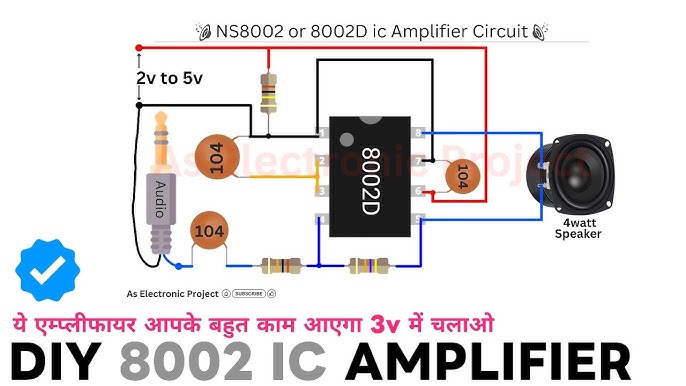
The amplifier circuit typically consists of several key sections: the input stage, voltage amplification, and output stage. Start by drawing a clear schematic that shows how these parts connect. A simple layout helps you spot errors early and simplifies troubleshooting later.
Keep the signal path as short as possible to reduce noise and interference. Use a clean ground plane to minimize hum and distortion. Have you checked your circuit board design for potential signal cross-talk before soldering?
Choosing The Right Transistors And Capacitors
Selecting the right transistors is crucial because they control the power amplification and affect sound quality. Look for transistors with high gain and good thermal stability, like the 2N3055 or TIP41 series for output stages.
Capacitors influence the frequency response and filtering in your circuit. Use electrolytic capacitors for power supply smoothing and ceramic capacitors for high-frequency noise reduction. Don’t forget to consider voltage ratings and tolerance levels to avoid component failure under heavy loads.
Incorporating Heat Management
Heat is the silent enemy of amplifier components. Without proper cooling, your transistors and other parts can overheat, causing distortion or permanent damage.
Add heat sinks directly to your transistors and use thermal paste to improve heat transfer. Consider adding a small fan if your amplifier will run at high power for long periods. Have you measured the temperature of your components under load to ensure your cooling strategy is effective?

Credit: www.circuitbasics.com
Assembling The Amplifier Board
Assembling the amplifier board is a key step in building a car audio amplifier. It brings all parts together to create the working circuit. Careful assembly ensures the amplifier works well and lasts long.
This stage needs focus and patience. Each component must be placed and connected correctly. The quality of soldering affects the signal flow and overall performance.
Soldering Techniques
Use a clean, well-heated soldering iron. Avoid overheating parts to prevent damage. Apply solder smoothly to joints, not the iron tip. Good solder joints look shiny and smooth. Cold or broken joints cause poor connections and noise.
Work in a well-lit area. Hold parts steady while soldering. Trim excess wire leads after soldering. Keep the soldering tip clean with a damp sponge. Practice on spare boards to improve skills.
Component Placement Tips
- Follow the circuit diagram carefully.
- Place resistors, capacitors, and ICs in the correct spots.
- Orient polarized parts like diodes and electrolytic capacitors properly.
- Space components to avoid short circuits.
- Use the shortest possible wire leads to reduce noise.
- Group related components to keep the board organized.
- Double-check each part before soldering.
Testing Circuit Connections
After assembly, test every connection with a multimeter. Check for continuity and absence of shorts. Verify power rails and ground connections first. Measure resistance values to spot wrong placements.
Turn on the circuit with low voltage initially. Listen for any unusual sounds or heat from components. Fix any issues before full power testing. Careful testing prevents damage and ensures good sound quality.
Wiring And Installation In The Car
Wiring and installing your car audio amplifier correctly is key to getting the most out of your sound system. Every connection matters because poor wiring can lead to noise issues, power loss, or even damage to your equipment. Taking your time and paying attention to detail will ensure your amplifier performs at its best.
Routing Power And Ground Wires
Start by running the power wire from your car’s battery to the amplifier. Use a fuse holder close to the battery to protect your system from electrical shorts. Choose a wire gauge suitable for your amplifier’s power requirements; thicker wires handle more current and reduce voltage drop.
Ground wires are just as important. Connect the ground wire to a clean, bare metal part of the car’s chassis near the amplifier. Avoid painted or rusty surfaces because they can cause poor grounding and introduce noise into your audio system. Keep the ground wire as short as possible for the best performance.
Connecting Input And Output Lines
Input lines carry the audio signal from your head unit to the amplifier. Use high-quality RCA cables to prevent signal loss and interference. Route these cables away from power wires to avoid picking up unwanted noise.
Output lines connect the amplifier to your speakers or subwoofers. Make sure speaker wires are correctly matched to your amplifier’s output terminals. Double-check polarity (positive and negative) to avoid phase issues that can weaken sound quality.
Securing The Amplifier Unit
Find a solid, stable location to mount your amplifier, such as under a seat or in the trunk. Secure the unit firmly using screws or brackets to prevent movement while driving. Loose amplifiers can cause damage to wiring and create unwanted vibrations.
Good ventilation is also crucial. Amplifiers generate heat, so ensure there’s enough airflow around the unit to keep it cool. Have you noticed your amplifier getting unusually warm during long drives? Proper placement can help prevent overheating and maintain performance.
Tuning And Adjusting Sound Quality
Tuning and adjusting the sound quality of your car audio amplifier is where the real magic happens. This step lets you shape the audio experience to fit your preferences and your vehicle’s acoustics. Getting it right can make your music sound clear, powerful, and balanced, avoiding distortion or muddiness.
Setting Gain And Crossover Frequencies
Gain controls the amplifier’s input sensitivity. If set too high, it causes distortion; too low, and your sound lacks power. Start with the gain at its lowest and slowly increase it until the sound is loud but clean.
Crossover frequencies decide which sounds go to your speakers or subwoofers. Use a low-pass filter for subwoofers, typically around 80-120 Hz, to let only bass sounds through. For full-range speakers, set a high-pass filter to protect them from deep bass that could cause damage.
Balancing Bass And Treble
Adjusting bass and treble shapes the overall tone of your audio. Too much bass can overpower vocals and instruments, while too much treble can cause harshness. Try small changes—boost bass slightly if you want more punch or increase treble for clearer highs.
Consider the type of music you listen to. Rock might benefit from stronger bass, while classical sounds better with balanced treble. Don’t hesitate to trust your ears over preset settings.
Troubleshooting Common Issues
If you hear distortion or buzzing, check your gain settings first. High gain is often the culprit. Also, ensure your speaker wiring is secure and your amplifier is properly grounded.
Another common problem is uneven sound. This might mean your crossover settings aren’t matched correctly to your speakers. Adjust and test different frequencies until the sound feels natural.
Have you ever noticed certain songs sound off? That’s a clue your tuning needs fine-tuning for various audio sources. Keep experimenting with settings until each track sounds just right.
Maintaining And Upgrading Your Amplifier
Maintaining and upgrading your car audio amplifier is essential to keep your sound system performing at its best. Regular care not only ensures consistent audio quality but also helps you avoid costly repairs. Upgrading specific parts can breathe new life into your amplifier, enhancing both power and clarity.
Regular Maintenance Tips
Keep dust and dirt away from your amplifier by cleaning it with a soft, dry cloth regularly. Avoid using water or cleaning sprays, as moisture can damage the internal components.
Check all wiring connections to make sure they are tight and corrosion-free. Loose or corroded wires can cause poor sound quality or even short circuits.
Ensure your amplifier has adequate ventilation. Overheating is a common cause of failure, so keep vents clear and avoid installing the amp in confined spaces.
Upgrading Components For Better Performance
Swapping out the stock capacitors with high-quality, low-ESR capacitors can improve power delivery and reduce noise. This small change often results in cleaner, more powerful sound.
Consider upgrading your amplifier’s transistors or MOSFETs if you want more power efficiency and stability. These parts handle the electrical load and can make a noticeable difference in sound output.
Replacing the wiring with thicker gauge cables enhances current flow, especially for high-power amplifiers. Better wiring reduces voltage drop and keeps your system running smoothly.
Extending Amplifier Lifespan
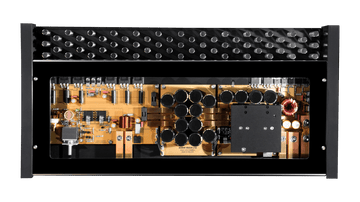
Regularly inspect your amplifier for signs of wear, such as bulging capacitors or burnt components. Catching issues early prevents permanent damage.
Use a surge protector or voltage regulator to protect your amplifier from power spikes. Electrical surges can fry circuits and shorten your amp’s life.
How often do you check your amplifier’s condition? Setting a maintenance schedule can help you catch problems before they become serious.

Credit: www.youtube.com
Credit: audiointensity.com
Frequently Asked Questions
What Tools Are Needed To Build A Car Audio Amplifier?
To build a car audio amplifier, you’ll need soldering equipment, a multimeter, wire cutters, and a screwdriver. Ensure you have heat shrink tubing and wire strippers for safety. A circuit board and electronic components such as resistors and capacitors are crucial.
Gather everything before starting your project.
How Do I Choose The Right Amplifier Components?
Selecting components depends on your desired power output and budget. Choose high-quality resistors, capacitors, and transistors for optimal performance. Check compatibility with your car’s audio system. Using reliable brands ensures longevity and better sound quality. Research specifications to match your audio needs precisely.
Can I Build An Amplifier Without Prior Experience?
Yes, you can build an amplifier without prior experience. Start by studying basic electronics concepts. Follow detailed guides and tutorials available online. It’s important to practice soldering skills beforehand. Begin with a simple kit before attempting complex projects. With patience and persistence, you’ll successfully build your own amplifier.
How Long Does It Take To Build An Amplifier?
Building a car audio amplifier typically takes a few days. The time depends on your experience and complexity of the project. Allocate time for research, gathering materials, and assembly. If you’re a beginner, expect to spend more time learning. Patience and attention to detail are crucial for success.
Conclusion
Building a car audio amplifier takes patience and care. Follow each step to ensure good sound quality. Test your connections before final use. Small mistakes can affect your amplifier’s performance. Keep your workspace clean and organized. Enjoy the process of creating your own audio system.
This project helps you learn and save money. With practice, your skills will improve over time. Give yourself credit for every success along the way. Sound clarity and power will bring more joy to your drives.