What Do Car Amplifiers Do: Boost Your Sound Experience Instantly
Master Automotive Systems Engineer & Performance Vehicle Specialist at CarSpeedNest Automotive Testing Lab · ASE Certified Master Technician, Mobile Electronics Certified Professional (MECP Master), Certified Dyno Diagnostic Specialist · 14+ years in dyno testing, electronic sensor calibration, automotive wiring harnesses, and precision drivetrain maintenance
Have you ever wondered why some car sound systems make your music feel alive, while others fall flat? The secret often lies in a small device called a car amplifier.
If you want to boost your music’s power and clarity, understanding what car amplifiers do is key. This article will reveal how these little machines can transform your driving experience, making every song sound better. Keep reading, and you’ll discover how to take your car audio to the next level.
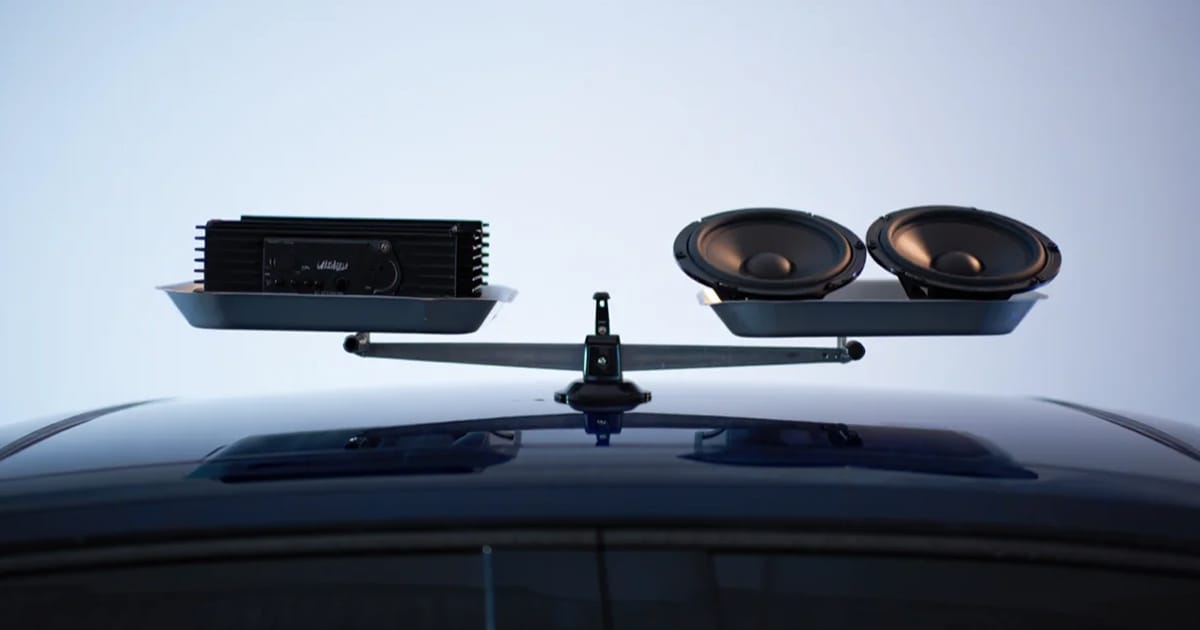
Credit: www.bestcaraudio.com
How Car Amplifiers Work
Understanding how car amplifiers work can change the way you experience music on the road. These devices are designed to boost the audio signal, making your sound system more powerful and clear. Let’s break down their operation into simple parts so you can see exactly what happens when you turn up the volume.
Signal Amplification Basics
At the core, a car amplifier takes the weak audio signal from your head unit and increases its power. This process is called amplification. Without this boost, your speakers would produce only faint sound, lacking depth and volume.
The amplifier receives the low-level signal and strengthens it without changing the original audio quality. Think of it as giving your music a louder voice while keeping the tone intact. How often have you wished your music could be heard clearly even with road noise? This is exactly what amplification helps with.
Power And Sound Quality
Power output is a key factor in how well an amplifier performs. More power means your speakers can play louder without distortion. But power alone doesn’t guarantee better sound—quality matters just as much.
Good amplifiers deliver clean power, which keeps your music crisp. Poor quality amps might produce noise or distortions that ruin the listening experience. Have you ever heard static or buzzing while playing music loud? That’s a sign of low-quality amplification.
Types Of Amplifiers
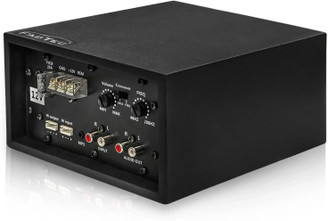
Car amplifiers come in different classes, each with its own strengths. The most common types are Class A, Class AB, Class D, and Class T.
- Class Aamps offer excellent sound clarity but use more power and generate heat.
- Class ABamps balance quality and efficiency, making them popular for many car audio setups.
- Class Damps are highly efficient and compact, ideal if you want to save space and power.
- Class Tamps combine features of Class D with digital technology for better performance.
Choosing the right type depends on your priorities—whether that’s sound quality, power efficiency, or size. What matters most to you when upgrading your car’s audio system?
Credit: www.flipkart.com
Benefits Of Using Car Amplifiers
Using a car amplifier can significantly improve your in-car audio experience. It’s not just about making your music louder; it’s about making every note and beat sound clearer and more powerful. If you want to get the most out of your speakers and enjoy your favorite songs the way they were meant to be heard, adding an amplifier is a smart move.
Enhanced Audio Clarity
One of the biggest benefits of a car amplifier is the improved clarity it brings to your music. Without an amplifier, your factory stereo might struggle to deliver clean sound, especially at higher volumes. An amplifier provides the extra power needed to reduce background noise and distortion, making vocals and instruments sound crisp and detailed.
Think about the last time you listened to a song and missed some subtle sounds or lyrics. An amplifier can fix that by giving your audio system the strength to reveal hidden layers in your music.
Increased Volume Without Distortion
You might enjoy turning up the volume, but factory systems often distort when pushed too hard. A car amplifier lets you increase volume while keeping the sound smooth and clear. It supplies enough power to your speakers so they don’t strain or crackle at high levels.
Have you ever noticed how some songs get fuzzy when played loud? An amplifier prevents this, allowing you to enjoy your music loud and proud without any unpleasant noise.
Better Speaker Performance
Speakers perform best when they receive the right amount of power. An amplifier ensures your speakers get consistent, clean power, which helps them produce richer bass, clearer mids, and sharper highs. This balance makes your entire audio system sound more natural and immersive.
If your speakers feel weak or flat, adding an amplifier can breathe new life into them. It’s like giving your speakers the fuel they need to perform at their best every time you hit play.
Choosing The Right Amplifier
Choosing the right car amplifier is key to improving your sound system. The amplifier must work well with your speakers and fit your car’s space. Understanding power ratings helps avoid damage and ensures clear sound. This guide breaks down what to consider before buying an amplifier.
Matching Amplifier To Speakers
Speakers and amplifiers must match for best sound quality. Check the speaker’s impedance, usually 4 or 8 ohms. Match this with the amplifier’s output to avoid damage. Also, see the speaker’s power handling. Choose an amplifier that fits within this power range. This balance prevents distortion and keeps your audio clear.
Power Ratings To Consider
Amplifiers list power in watts, showing how loud they can go. Look for RMS power, not peak power, for real performance. Match RMS power to your speakers’ rating. Too little power causes weak sound; too much can harm speakers. Consider the number of channels too. More channels mean more speakers can be powered.
Size And Installation Factors
Amplifier size matters for car space. Measure available space before buying. Some amps are slim and fit under seats. Others need more room in the trunk. Check wiring needs and cooling options. Proper installation keeps the amp safe and working well. A good fit makes your setup neat and stable.
Common Installation Tips
Installing a car amplifier correctly makes a huge difference in how your audio system performs. Small mistakes during setup can cause weak sound or even damage your vehicle’s electrical system. Let’s look at some practical tips that will help you get the best results from your amplifier installation.
Wiring Essentials
Good wiring is the backbone of your amplifier’s performance. Use thick, high-quality power cables to handle the amplifier’s current without overheating. Always connect the power wire directly to the battery with a fuse within 18 inches to protect against short circuits.
Ground wires need as much attention as power wires. Find a clean, paint-free metal surface near the amplifier for grounding. A poor ground connection can cause buzzing or intermittent sound issues.
Placement For Optimal Sound
The amplifier’s location affects both sound quality and heat management. Place it where air can circulate freely to prevent overheating. Common spots include under a seat or in the trunk, but avoid enclosed spaces without ventilation.
Think about how the wiring runs from the amplifier to your speakers and head unit. Longer wires can cause signal loss, so keep distances as short as possible. Have you ever noticed muffled sound after a long wire run? This is why placement matters.
Avoiding Electrical Issues
Electrical problems can ruin your listening experience and harm your car’s electronics. Use a line output converter if your head unit doesn’t have preamp outputs to avoid noise and distortion. Avoid running power cables alongside signal cables to reduce interference.
Make sure to disconnect your car battery before starting the installation. This simple step can save you from accidental shocks or damage. Have you ever skipped this and faced a blown fuse? It’s a mistake worth avoiding.
Upgrading Your Sound System
Upgrading your car’s sound system can transform your driving experience, turning everyday trips into enjoyable listening sessions. Adding a car amplifier is one of the smartest moves you can make to enhance sound quality and power. It’s not just about louder music; it’s about clearer, richer audio that fills your vehicle with life.
Combining Amplifiers With Subwoofers
Pairing an amplifier with a subwoofer brings out the deep, low-end sounds that standard speakers often miss. The amplifier provides the power needed to drive the subwoofer, making bass notes punchier and more defined.
Think about the last time you heard a song with heavy bass but felt it was flat or weak in your car. Adding a subwoofer powered by an amplifier can change that feeling completely.
Improving Bass Response
Without an amplifier, your car’s factory speakers may struggle to produce strong bass. An amplifier boosts the signal, allowing speakers to perform at their best and deliver tight, controlled bass.
Improved bass response doesn’t just mean louder bass—it means bass that you can feel without distortion or muddiness. This makes every beat clearer and more enjoyable.
Customizing Audio Settings
Many amplifiers come with adjustable settings that let you tailor the sound to your preferences. You can tweak bass, treble, and midrange levels to suit your favorite music styles.
Imagine adjusting your system to highlight vocals during a podcast or boosting bass for a hip-hop track. These custom settings give you control over your sound environment, making every ride more personal.
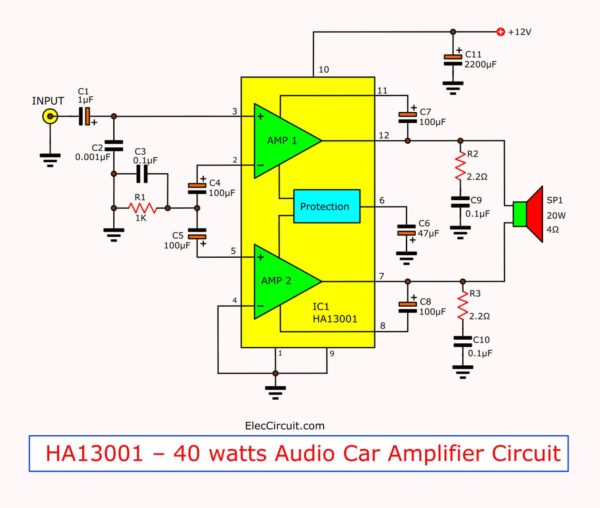
Credit: www.eleccircuit.com
Frequently Asked Questions
What Is The Main Function Of A Car Amplifier?
A car amplifier boosts the audio signal from your car’s stereo. This enhances the sound quality and volume. It provides more power to your speakers, ensuring clearer and louder audio. This is crucial for an immersive listening experience in your vehicle.
How Does A Car Amplifier Improve Sound Quality?
A car amplifier increases the power of the audio signal. This results in clearer, crisper, and more dynamic sound. It reduces distortion and enhances audio detail. This allows you to enjoy high-quality music, even at higher volumes.
Are Car Amplifiers Necessary For Every Car?
Not every car requires a separate amplifier. If you enjoy high-quality sound, an amplifier is beneficial. Factory-installed systems might not deliver optimal audio performance. An amplifier enhances sound clarity and volume for an improved listening experience.
What Types Of Car Amplifiers Are Available?
Car amplifiers come in several types: mono, two-channel, and multi-channel. Mono amplifiers power subwoofers, while two-channel amplifiers drive two speakers or a subwoofer. Multi-channel amplifiers can power an entire audio system. Choose based on your audio needs and system setup.
Conclusion
Car amplifiers boost sound power in your vehicle’s audio system. They help music sound clearer and louder without distortion. With the right amplifier, bass tones become deeper and more vibrant. Many people enjoy better sound quality during drives thanks to these devices.
Choosing the right amplifier depends on your car and music preferences. Understanding what amplifiers do helps you pick the best option. A good amplifier makes your car audio experience more enjoyable and fun. Simple but effective—amplifiers bring your music to life on the road.

Similar Posts