
How Does an Amplifier Work in a Car: Boost Your Sound
Have you ever wondered why your car’s music sounds so much better after adding an amplifier? If you want to boost your sound system and enjoy clearer, louder music on every drive, understanding how an amplifier works is key.
This simple device can transform your car’s audio experience, making every beat richer and every note sharper. You’ll discover exactly what an amplifier does, how it fits into your car’s sound system, and why it matters to your listening pleasure.
Stick around, and you’ll learn how to take your car audio to the next level.

Credit: audiointensity.com
Car Audio Basics
Understanding the basics of your car audio system is key to appreciating how an amplifier enhances your listening experience. Your setup isn’t just about speakers blasting sound; it’s a combination of components working together. Knowing each part’s role helps you make smarter upgrades and get the best audio quality.
Components Of A Car Audio System
A typical car audio system includes several essential parts that each play a unique role.
- Head Unit:This is your control center. It manages audio sources like radio, Bluetooth, or USB devices.
- Speakers:These turn electrical signals into sound. Different types include tweeters for high frequencies and woofers for lows.
- Amplifier:It powers the speakers by increasing the audio signal strength.
- Subwoofer:Designed for deep bass, it adds richness and depth to music.
Each component needs to work smoothly with the others. If one part is weak, your whole system suffers.
Role Of An Amplifier
Your amplifier’s job is to boost the audio signal from the head unit before it reaches the speakers. Without it, the sound might be too faint or distorted at higher volumes.
Think of it this way: the head unit sends out a signal, but the amplifier gives it the power to fill your car with clear, crisp sound. This is especially important if you want louder music without losing quality.
Have you noticed how some cars sound much richer? Often, it’s because they have a high-quality amplifier working behind the scenes. Upgrading your amplifier can transform your listening experience more than just swapping speakers.
Amplifier Functions
An amplifier in your car does more than just crank up the volume. It plays a key role in how your music sounds by managing the electrical signals that drive your speakers. Understanding the core functions of an amplifier can help you get the best audio experience on every drive.
Signal Boosting
Your car’s audio system starts with a low-level signal from the head unit or audio source. This signal is too weak to power the speakers directly. The amplifier’s job is to boost this weak signal to a level that can move the speaker cones effectively, turning electrical energy into sound waves.
Think about times when your music sounded flat or muffled. Often, that’s a sign the signal wasn’t strong enough before reaching the speakers. An amplifier ensures the signal gains the necessary strength without distortion, so your favorite tracks come through clear and dynamic.
Power Delivery
An amplifier supplies the power needed to drive the speakers at various volume levels. Without it, your car’s speakers would struggle to produce loud, rich sound, especially with bass-heavy tracks. The amplifier controls how much power is sent based on the signal strength and volume setting.
Have you noticed how some cars can fill the cabin with deep bass and crisp highs even at high volumes? That’s the amplifier at work, delivering consistent power to avoid speaker strain and damage. This balance protects your audio equipment while enhancing your listening experience.
Sound Clarity Enhancement
Amplifiers do more than just increase volume; they improve the overall sound quality. By amplifying the signal cleanly, they reduce background noise and distortion that can muddy your music. This means you hear every detail—from subtle vocals to intricate instrumentals.
Imagine driving on a highway with your favorite podcast playing. A good amplifier makes voices clearer, so you don’t miss important points despite road noise. Investing in a quality amplifier can turn your car into a personal concert hall where every note is crisp and precise.
Types Of Car Amplifiers
Car amplifiers come in various types, each designed to enhance your audio experience in unique ways. Understanding these types helps you choose the right amplifier that fits your car setup and listening preferences. Let’s break down the main categories so you know what makes each one stand out.
Class A And Ab Amplifiers
Class A amplifiers offer pure sound quality by using a single transistor to amplify the entire audio signal. This results in very clean audio but comes at the cost of high power consumption and heat generation. Class AB amplifiers combine the qualities of Class A and Class B, delivering better efficiency while maintaining good sound quality.
If you value clear, distortion-free music and don’t mind a bit of extra heat or power use, Class A or AB amps can be ideal. Have you ever noticed how some songs sound richer and fuller in certain cars? Often, that’s thanks to these amplifier types.
Class D Amplifiers
Class D amplifiers are known for their efficiency and compact size. They switch transistors on and off rapidly to amplify the audio, which reduces power loss and heat. This makes them perfect if you want a powerful sound system without draining your car battery.
Many modern car audio systems use Class D amps because they pack a punch without requiring big, bulky components. If you like loud bass and long listening sessions, this type might suit your needs better.
Mono And Multi-channel Amplifiers
Mono amplifiers have a single channel and are mainly used to power subwoofers, delivering deep bass impact. Multi-channel amplifiers have two or more channels, allowing you to power several speakers at once, like your front and rear speakers.
Think about your current setup: Do you want to boost just the bass, or do you need to improve overall sound across all speakers? Choosing between mono and multi-channel amps depends on how you want to experience your music inside your car.
How Amplifiers Connect
Understanding how amplifiers connect in your car audio system can make a big difference in sound quality. Connections need to be precise to avoid interference and power loss. Let’s look at the key points of wiring your amplifier correctly.
Wiring To Head Unit
The amplifier gets its signal from the head unit, which is your car stereo. To connect them, you typically use RCA cables that carry the audio signal cleanly.
You’ll also need a power wire from the car battery to the amplifier for electricity. Don’t forget the ground wire, which completes the electrical circuit and prevents noise.
Many people overlook the remote turn-on wire. It tells the amplifier to power on when the head unit is active. Without it, your amp might stay off or drain your battery.
Connecting To Speakers And Subwoofers
After wiring the amplifier to the head unit, you must connect it to your speakers and subwoofers. Use speaker wires rated for car audio to ensure durability and sound clarity.
Match the impedance of your speakers to what the amplifier supports. Incorrect matching can cause distortion or damage.
Keep the speaker wires as short as possible and avoid running them alongside power cables to reduce noise interference. Have you checked your wire routing lately?
Installation Tips
Installing a car amplifier properly ensures the best sound and avoids damage. Careful planning and the right tools make a big difference. Keep safety and performance as top priorities during installation.
Choosing The Right Amplifier
Select an amplifier that matches your car’s audio system. Check the power output to avoid overpowering speakers. Consider the number of channels needed for your setup. Look for an amplifier with good reviews and reliability.
Placement And Ventilation
Place the amplifier in a dry, cool spot inside the car. Avoid areas near heat sources or direct sunlight. Proper ventilation prevents the amplifier from overheating. Leave space around the unit for air to flow freely.
Power And Grounding
Use a power wire with the correct gauge for your amplifier’s needs. Connect the ground wire to a clean, bare metal part of the car. A solid ground connection reduces noise and improves sound quality. Secure all wiring to avoid loose connections and shorts.
Credit: www.diymobileaudio.com
Troubleshooting Common Issues
Troubleshooting common issues with car amplifiers helps keep your audio system clear and powerful. Small problems can affect sound quality or cause the amplifier to stop working. Understanding common issues saves time and money on repairs.
Distortion And Noise
Distortion means the sound is unclear or harsh. Noise can include buzzing, humming, or crackling sounds. These issues often come from loose wires or poor connections. Check speaker wires and amplifier inputs for tight, clean contacts. Ground loops cause humming noises; ensure the amplifier has a solid ground connection. Using bad cables or damaged speakers can also create distortion.
Overheating
Amplifiers produce heat while working. Overheating can cause the unit to shut down or reduce power. Keep the amplifier in a well-ventilated space. Avoid placing it near heat sources or covering it with objects. Clean dust from vents and cooling fans regularly. Overloading the amplifier by using speakers with too low resistance can also cause heat problems.
Power Supply Problems
The amplifier needs a steady power supply to work well. Weak or interrupted power can cause the amplifier to cut out or not turn on. Check the battery and alternator for proper voltage. Inspect the power cables for damage or loose connections. A blown fuse or faulty ground wire can stop the amplifier from getting power. Use a multimeter to test the power supply if needed.
Improving Sound Performance
Improving sound performance in your car goes beyond just adding an amplifier. It’s about fine-tuning every component to create clear, powerful audio that matches your preferences. Small adjustments can make a big difference in how your music feels on the road.
Adjusting Gain And Filters
Gain controls how much power the amplifier sends to your speakers. Setting the gain too high can cause distortion, while too low results in weak sound. You want to find the sweet spot where your audio is loud but clean.
Filters help shape the sound by cutting unwanted frequencies. High-pass filters remove bass frequencies that small speakers can’t handle, preventing damage. Low-pass filters send only bass sounds to subwoofers, enhancing deep tones without muddying the rest of the audio.
Upgrading Speakers
Your amplifier can only do so much if your speakers aren’t up to the task. Swapping factory speakers with higher-quality ones improves clarity and volume. Look for speakers with a good sensitivity rating—they respond better to the amplifier’s power.
Think about the speaker materials too. Components made from polypropylene or woven fabrics often deliver crisper sound. Have you noticed how music feels different when you upgrade your speakers? That difference is what makes upgrading worth considering.
Using Capacitors And Equalizers
Capacitors store and release electrical energy to help your amplifier handle sudden power demands. This keeps your sound from dipping during heavy bass hits. If your car’s electrical system struggles, a capacitor can stabilize the voltage and improve performance.
Equalizers allow you to fine-tune frequency levels to fit your taste and environment. Adjusting bass, mids, and treble with an equalizer can bring out details you never noticed before. Have you tried tweaking your equalizer settings to match different music genres? It can transform your listening experience.
Credit: www.diymobileaudio.com
Frequently Asked Questions
How Does A Car Amplifier Improve Sound Quality?
A car amplifier boosts the audio signal’s power to drive speakers. This enhances sound clarity, volume, and bass response. It reduces distortion and allows better control over audio output, resulting in a richer and more immersive listening experience inside your vehicle.
What Components Make Up A Car Amplifier?
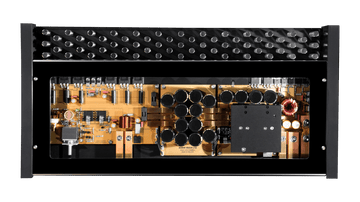
A car amplifier typically includes an input stage, preamplifier, power amplifier, and output stage. It also has heat sinks for cooling and controls for volume and tone adjustments. These components work together to increase audio signal strength and maintain sound quality.
Why Is An Amplifier Necessary In A Car Audio System?
An amplifier is necessary to provide enough power to drive speakers efficiently. Stock head units often lack sufficient power for high-quality sound. Amplifiers improve volume, clarity, and bass, making the audio system perform better and enhancing the overall listening experience.
Can A Car Amplifier Damage Speakers?
If mismatched or overpowered, a car amplifier can damage speakers. Using the correct wattage and impedance matching prevents distortion and speaker damage. Proper installation and tuning ensure the amplifier works safely with your speakers for optimal sound performance.
Conclusion
An amplifier boosts your car’s audio signals to make sound louder. It takes weak signals from the head unit and strengthens them. This process helps speakers produce clear and powerful music. Good sound quality depends on the amplifier’s power and connection.
Knowing how it works helps choose the right one for your car. Enjoy better music with the right amplifier setup. Simple and effective.