Can I Use Car Amplifier at Home: Smart Tips for Powerful Sound
Have you ever wondered if you can use a car amplifier at home to boost your sound system? If you’re looking to get louder, clearer audio without spending a fortune on new equipment, this idea might just be what you need.
But before you plug it in, there are some important things you should know to make sure it works safely and effectively. Keep reading, and you’ll discover how to get the most out of your car amplifier right in your living room.
Credit: www.diymobileaudio.com
Car Amplifiers Vs Home Amplifiers
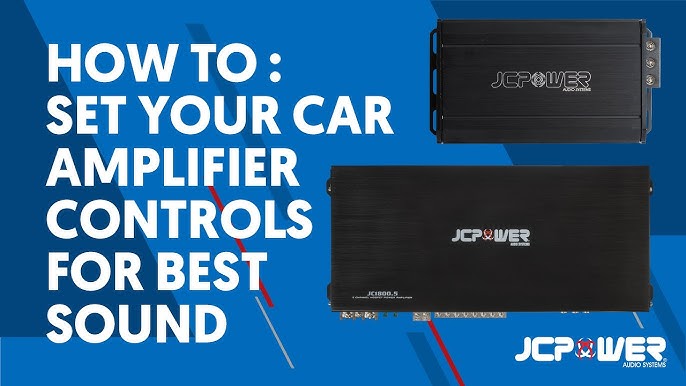
Car amplifiers and home amplifiers serve similar purposes but differ in design and function. Both boost audio signals to drive speakers. Yet, each suits different environments and equipment. Understanding these differences helps decide if a car amplifier works at home.
Key Differences
Car amplifiers are built for compact spaces and variable power sources. They run on 12V car batteries and handle power fluctuations. Home amplifiers use stable AC power and focus on sound clarity for rooms. Car amps often prioritize power and bass boost. Home amps emphasize balanced sound and speaker protection.
Power Output Comparison
Car amplifiers usually deliver high power in short bursts. This suits dynamic car audio systems. Home amplifiers provide steady power output for long listening sessions. They maintain sound quality without overheating. Car amps may have higher peak wattage. Home amps offer consistent RMS power ratings.
Impedance And Compatibility
Car amplifiers match low-impedance car speakers, often 2-4 ohms. Home amplifiers work with higher impedance speakers, typically 6-8 ohms. Using a car amp with home speakers can cause mismatch issues. Impedance mismatch may lead to distortion or damage. Proper matching ensures safe and clear audio performance.
Credit: audiointensity.com
Setting Up A Car Amplifier At Home
Setting up a car amplifier at home can boost your audio experience. It requires careful planning and the right tools. This process involves selecting the correct equipment, making proper connections, and ensuring a suitable power source. Follow simple steps to make your car amplifier work indoors safely and effectively.
Required Equipment
- Car amplifier
- Speakers compatible with the amplifier
- Speaker wires
- RCA cables or audio input cables
- Power supply unit (PSU) suitable for the amplifier
- Ground wire
- Fuse and fuse holder
- Wire strippers and connectors
Wiring And Connections
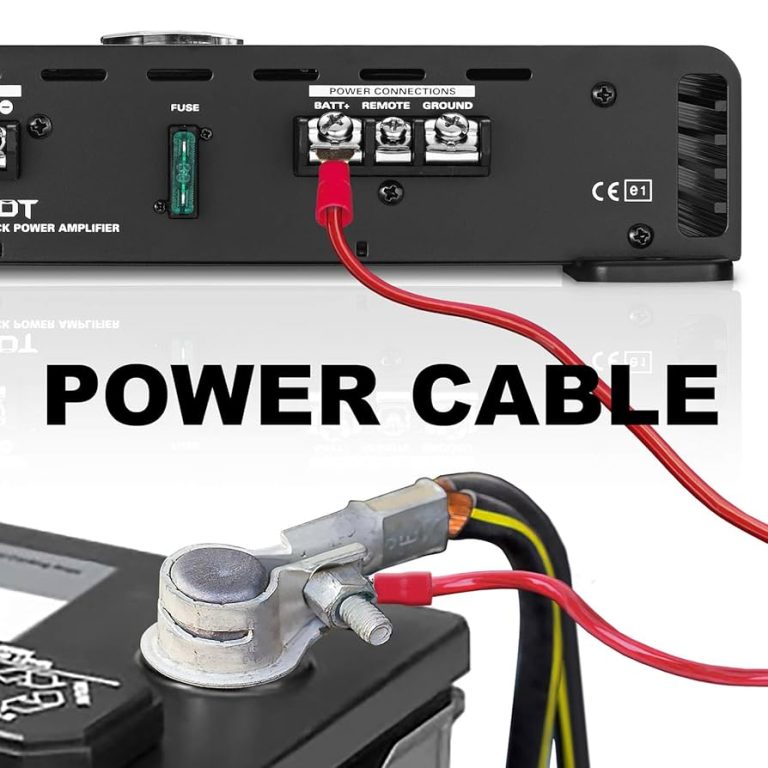
Start by connecting the amplifier to the speakers using speaker wires. Use RCA cables or audio input cables to link the audio source to the amplifier. Connect the ground wire to a clean metal surface to avoid noise. Attach the fuse close to the power connection for safety. Ensure all wires are secure and insulated to prevent shorts.
Power Supply Options
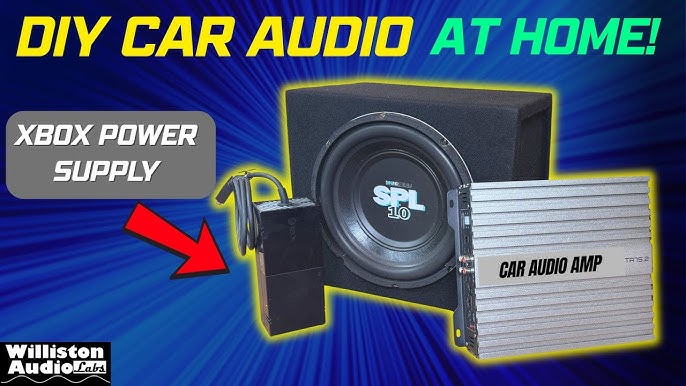
A car amplifier needs a stable 12V power source. Use a computer power supply or a dedicated 12V power adapter with enough current output. Check the amplifier’s power rating to match the supply’s capacity. Connect the positive and negative terminals correctly to avoid damage. Adding a fuse on the power line protects the amplifier from power surges.
Optimizing Sound Quality
Optimizing sound quality is key when using a car amplifier at home. Car amplifiers are designed for vehicles, so adjustments help them work well indoors. Setting up your system right improves clarity and power. Small changes can make a big difference in how music sounds in your room.
Speaker Matching
Choose speakers that fit the amplifier’s power output. Check speaker impedance to avoid damage or distortion. Use speakers designed for home use if possible. Matching speakers and amplifier prevents sound problems. Balanced pairing leads to clear and strong audio.
Adjusting Gain And Filters
Set the gain control carefully to avoid distortion. Too high gain causes noise and clipping. Use filters to remove unwanted frequencies. High-pass filters protect small speakers from bass overload. Low-pass filters improve bass response with subwoofers. Proper adjustments create smooth and balanced sound.
Room Acoustics Tips
Room shape affects sound quality a lot. Hard surfaces cause echoes and reflections. Use rugs, curtains, or foam panels to reduce echo. Place speakers away from walls and corners. This placement helps reduce bass boom and muddiness. Experiment with speaker position for the best sound.
Safety Precautions
Using a car amplifier at home can boost your audio experience, but it’s crucial to handle it safely. Ignoring safety can lead to electrical shocks, damage to your gear, or even fire hazards. Taking a few precautions ensures you enjoy better sound without risking your well-being or equipment.
Avoiding Electrical Hazards
Car amplifiers run on 12V DC power, but your home uses 120V or 240V AC power, depending on where you live. You must use a proper power supply or converter designed for car amps to avoid electrical hazards.
Never attempt to connect the amplifier directly to your home’s AC outlet without a suitable DC power source. Using insulated wires, secure connections, and a fuse will protect you from shocks and short circuits.
Have you checked if your power supply matches your amplifier’s current requirements? Using one with insufficient capacity can cause overheating or failure, which is dangerous.
Protecting Equipment
Car amplifiers aren’t designed for home use, so improper setup can damage both the amp and your speakers. Always use speakers that match the amplifier’s impedance rating to prevent overload.
Keep cables organized and avoid running power and audio cables parallel to each other to reduce interference. A sudden surge in power or a wrong connection can fry your amplifier.
Think about using a surge protector or voltage regulator to shield your equipment from voltage spikes common in home electrical systems.
Proper Ventilation
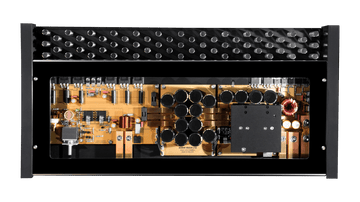
Car amplifiers generate heat when running, and they rely on airflow to cool down. Unlike car environments, homes don’t have built-in ventilation for amps, so you must place it in a well-ventilated area.
Avoid placing the amplifier inside closed cabinets or near heat sources like radiators. Overheating reduces performance and can permanently damage the amplifier.
Have you felt your amplifier getting hot to the touch? That’s a clear sign you need better airflow or a cooling fan to prevent overheating.
Common Challenges And Solutions
Using a car amplifier at home can sound like a great idea to boost your audio experience, but it comes with a few challenges. Understanding these common issues and how to solve them will save you time and frustration. Let’s break down the main hurdles you might face and practical ways to handle them.
Power Supply Limitations
Car amplifiers are designed to run off a 12V DC power source, usually your car’s battery. At home, your standard AC outlet provides 120V or 230V AC, which means you need a reliable power converter or adapter.
Using an improper power supply can cause your amp to underperform or even get damaged. Look for a power supply that can deliver enough current (amps) to meet your amplifier’s needs. A supply rated at least 30% above the amplifier’s max current draw offers a safer margin.
Have you checked if your power adapter has built-in protections like overload and short circuit prevention? These features help keep your gear safe and running smoothly.
Noise And Interference Issues
Noise, such as humming or buzzing, is a common problem when using car amplifiers at home. This usually happens because the amplifier and audio source don’t share a common ground or because of interference from other electrical devices.
To reduce noise, try using high-quality shielded RCA cables and keep audio cables away from power cables. Ground loop isolators are another handy tool to eliminate unwanted hum.
Have you noticed if the noise gets worse when you turn on certain appliances? Identifying these patterns can help you rearrange your setup for a cleaner sound.
Overheating Problems
Car amplifiers are built to dissipate heat efficiently in a moving vehicle with airflow. At home, poor ventilation can cause your amp to overheat quickly.
Place your amplifier in a well-ventilated area, away from walls or enclosed spaces. Adding a small fan or cooling pad can also help maintain a safe operating temperature.
Does your amplifier have thermal protection? If not, consider monitoring the temperature during long listening sessions to avoid damage.

Credit: www.elecbee.com
Alternative Amplifier Choices
Choosing the right amplifier for home use can improve your sound experience greatly. Car amplifiers are built for vehicles, so they might not fit well in a home setup. Several alternative amplifiers work better with home audio systems. These options offer better compatibility and sound quality for indoor use.
Home Theater Amplifiers
Home theater amplifiers are designed to power multiple speakers. They provide clear sound for movies and music. These amplifiers often include surround sound features. This makes them ideal for living rooms or dedicated media rooms. They connect easily with TVs and other home audio devices.
Stereo Receivers
Stereo receivers combine an amplifier and radio tuner in one device. They are simple to use and fit well in most homes. Stereo receivers work with various speakers and audio sources. They offer good sound quality for music listening. Some models also support Bluetooth or Wi-Fi connections.
Portable Bluetooth Amplifiers
Portable Bluetooth amplifiers are small and easy to move. They connect wirelessly to smartphones or tablets. These amplifiers boost sound for small rooms or outdoor use. They run on batteries or rechargeable power. Portable amplifiers are a flexible option for casual listening.
Frequently Asked Questions
Can A Car Amplifier Work With Home Speakers?
Yes, a car amplifier can work with home speakers. You need the right power source and adapters for compatibility. Ensure your home speakers match the impedance of the car amplifier. This setup can enhance your home audio experience with proper connections.
What Power Supply Do I Need For A Car Amp?
A car amplifier requires a 12V DC power supply. Use a power supply that matches the amp’s wattage requirements. A computer power supply with sufficient amperage can be a suitable option. Ensure safety by using a power supply with overcurrent protection.
How Do I Connect A Car Amp To A Home System?
To connect a car amp to a home system, use RCA cables. Connect the amp’s input to your home audio source. Ensure all connections are secure and match the impedance. Use a 12V power supply to power the amplifier safely.
Are Car Amps Better Than Home Amplifiers?
Car amps and home amplifiers serve different purposes. Car amps are compact and designed for vehicle use. Home amplifiers often offer higher power and better sound quality. Choose based on your specific needs and environment for optimal performance.
Conclusion
Car amplifiers can work at home with some adjustments. You need the right power source and connections. Sound quality may differ from home amplifiers. Make sure to check safety before using it indoors. This setup can be a budget-friendly option for some.
Still, understanding the limits helps avoid damage. Experiment carefully and enjoy your music.