
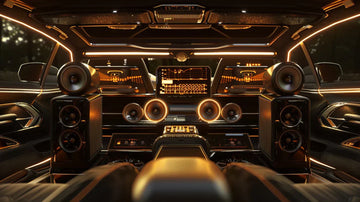
Are you tired of your car’s sound feeling flat or weak? Imagine turning every drive into a concert with rich, clear music blasting through your speakers.
You don’t need to spend a fortune or become a tech expert to make your car speakers sound better. You’ll discover simple, effective tips that anyone can use to boost sound quality instantly. Ready to transform your driving experience? Keep reading, because your ears will thank you.

Credit: www.youtube.com
Assess Current Sound System
Assessing your current car sound system is the first step to better audio. It helps you find weak spots and understand what needs improvement. A clear check of each part ensures you get the best sound possible from your setup.
Check Speaker Quality
Start by listening closely to your speakers. Notice any distortion or crackling sounds. Check if the bass, mid, and treble are balanced. Old or low-quality speakers often lack clarity and depth. Inspect the speaker cones for damage or wear. Good speakers bring music to life with clear and rich tones.
Evaluate Head Unit
The head unit controls your car’s audio system. Check if it supports modern audio formats like Bluetooth or USB. Older head units may limit sound quality and features. Test the volume control and sound settings for responsiveness. A better head unit can greatly improve your listening experience.
Inspect Wiring And Connections
Wiring problems can cause poor sound or no sound at all. Look for loose or corroded connections behind the panels. Make sure wires are not pinched or damaged. Good wiring ensures signals travel cleanly to the speakers. Secure and clean connections help your system perform at its best.
Choose High-quality Speakers
Choosing high-quality speakers is key to improving your car’s sound system. Good speakers deliver clear sound and last longer. They handle different music styles well. Investing in quality speakers makes your rides more enjoyable.
Component Vs. Coaxial Speakers
Component speakers separate the tweeter and woofer. This separation creates clearer sound and better bass. Coaxial speakers combine all parts in one unit. They are easier to install and cost less. Choose component speakers for better sound quality. Pick coaxial speakers for simple upgrades.
Material And Build
Speaker materials affect sound and durability. Look for cones made from polypropylene or woven fabric. These materials resist moisture and provide good sound. The surround should be rubber, not foam, for longer life. A strong frame reduces vibrations and distortion. Quality build means better sound and longer use.
Speaker Size And Compatibility
Speaker size must match your car’s speaker openings. Common sizes are 6.5 inches and 6×9 inches. Check your car manual for exact dimensions. Using the right size avoids installation problems. Also, match the speaker’s power rating with your car stereo. Proper compatibility ensures clear sound without damage.
Upgrade Amplifiers
Upgrading your car’s amplifier can dramatically improve your audio experience. The amplifier controls the power that reaches your speakers, so a better one means clearer, louder, and richer sound. But choosing and installing the right amplifier takes some know-how.
Types Of Amplifiers
There are several amplifier types, each designed for specific needs:
- Class A:Known for excellent sound quality but less efficient and generates more heat.
- Class AB:A popular choice that balances good sound quality with efficiency.
- Class D:Highly efficient and compact, ideal for powerful bass but sometimes less detailed sound.
Think about what matters most to you: sound purity or power efficiency? Your choice here sets the tone for the rest of your setup.
Matching Amplifier To Speakers
Matching your amplifier to your speakers is crucial. Check the speaker’s power handling capacity (measured in watts) and impedance (ohms).
Choose an amplifier that delivers power close to but not exceeding the speaker’s max rating to avoid damage. If you have 4-ohm speakers, pick an amp that supports 4-ohm loads to ensure compatibility.
Have you ever heard distortion or felt your sound was weak? That’s often a mismatch between amp and speaker specs.
Installation Tips
Proper installation can make or break your upgrade. Use quality wiring and keep cables away from power lines to reduce interference. Secure the amplifier firmly to avoid vibrations that can affect sound quality.
Don’t forget to set the gain levels carefully—too high can cause distortion, too low will weaken sound. Running a test with your favorite tracks helps you find the sweet spot.
If you’re not confident, consider professional installation. A clean and safe setup protects your gear and ensures the best performance.
Add Sound Deadening Materials
Adding sound deadening materials is one of the most effective ways to improve your car speakers’ performance. These materials reduce unwanted vibrations and external noise, allowing your music to sound clearer and more detailed. Let’s look at how this simple upgrade can change your listening experience.
Benefits Of Soundproofing
Sound deadening materials block road noise, engine sounds, and vibrations from interfering with your music. This means you hear more of the music and less of the background noise.
They also help your speakers perform better by reducing distortion caused by rattling panels. Have you noticed how sometimes your car door panels buzz when the bass hits? Soundproofing stops that, giving you cleaner bass and overall better sound quality.
Best Materials To Use
Not all sound deadening materials are the same. Some popular options include:
- Butyl Rubber Mats:These are dense and flexible, ideal for damping vibrations on metal surfaces.
- Foam Sheets:Great for absorbing mid and high frequencies, perfect for lining door panels.
- Mass Loaded Vinyl (MLV):A heavy material that blocks noise effectively, often used in floors and roofs.
Choosing the right material depends on the area you want to treat and your budget. Butyl mats are usually the best starting point for door panels.
Installation Areas
The most common spots to install sound deadening materials are:
- Inside Door Panels:The biggest source of vibration and noise near your speakers.
- Floorboards:To reduce road noise coming from beneath your feet.
- Roof and Trunk:These areas can also let in unwanted noise that affects overall sound quality.
Focus on doors first if your goal is better speaker sound. Have you ever tried removing your door panel? It’s easier than you think and worth the effort.
Optimize Speaker Placement
Optimizing speaker placement is key to improving your car’s sound quality. Proper placement helps deliver clear audio and balanced tones. It reduces unwanted noise and distortion. Small adjustments can make a big difference in sound clarity and overall listening experience.
Positioning For Sound Clarity
Place speakers at ear level for the best sound. Aim them slightly toward the listener. Avoid placing speakers too low or too high. Doors and dashboards can reflect sound, causing echoes. Test different angles and distances to find the clearest sound.
Avoiding Vibration And Rattles
Vibration reduces sound quality and causes annoying rattles. Use sound dampening materials around speaker mounts. Tighten screws and check for loose panels. Avoid placing speakers near loose parts or thin panels. Proper insulation keeps sound pure and clear.
Custom Mounting Options
Custom mounts improve speaker fit and sound direction. Use angled mounts to direct sound toward ears. Create enclosures to enhance bass response. Replace factory mounts with sturdier materials. Custom mounts reduce vibrations and improve durability.
Fine-tune Sound Settings
Fine-tuning your car speakers’ sound settings can greatly improve your listening experience. Adjusting these settings helps you hear music clearer and more balanced. Simple changes can make a big difference in sound quality.
Equalizer Adjustments
Use the equalizer to control different sound frequencies. Boost or reduce bass, midrange, and treble to match your taste. Start with preset modes like rock or jazz, then tweak for a personal touch. Small changes to sliders can enhance clarity and depth.
Balancing Bass And Treble
Balance between bass and treble is key for good sound. Too much bass can drown out vocals. Too much treble may cause harshness. Find a middle ground where both bass and treble feel natural. Adjust in small steps and listen carefully.
Using Digital Sound Processors
Digital sound processors (DSP) improve sound by refining audio signals. They allow precise control over sound staging and frequency response. DSP can fix common car audio issues like echo or distortion. Setting up DSP might need time but results are worth it.
Consider Adding Subwoofers
Adding subwoofers can dramatically improve the sound quality in your car by delivering deep, powerful bass that standard speakers often lack. If you’ve ever felt your music was missing that punch or fullness, a subwoofer might be the missing piece. But before you rush out to buy one, understanding the types, placement, and power needs will help you get the best sound without wasting money or space.
Types Of Subwoofers
Subwoofers come in different designs, each offering unique benefits depending on your preferences and car setup.
- Component Subwoofers:These are separate speakers designed specifically for bass. They usually need a custom enclosure and amplifier but provide the best sound quality and flexibility.
- Powered Subwoofers:These combine the speaker and amplifier in one unit. They’re easier to install and perfect if you want a quick upgrade without extra gear.
- Enclosed Subwoofers:These come pre-mounted in a box, making installation straightforward. They’re ideal for beginners but might be less customizable.
Have you thought about which type fits your music style and car space best?
Placement And Enclosure Options
Where you place your subwoofer makes a big difference in sound quality. Common spots include the trunk, under seats, or behind rear seats.
Enclosures also affect the bass. Sealed boxes give tight, accurate bass while ported boxes deliver louder, booming bass. Some people combine placement with enclosure type to suit their taste.
Try testing different spots to see where the bass sounds richest. Sometimes, a small move can change the whole listening experience.
Power Requirements
Subwoofers need proper power to perform well. An underpowered subwoofer won’t deliver strong bass, while overpowering can damage the speaker.
Match your subwoofer’s RMS (continuous power rating) with an amplifier that can supply the right wattage. This balance ensures clear, distortion-free bass.
Also, check your car’s electrical system capacity. If you add a powerful subwoofer, you might need a better battery or alternator to keep everything running smoothly.

Credit: www.youtube.com
Regular Maintenance Tips
Regular maintenance keeps your car speakers working well for longer. Small efforts prevent bigger problems and improve sound quality. Maintaining your speakers helps avoid damage and costly repairs.
Cleaning And Inspection
Dust and dirt reduce speaker performance. Use a soft brush or cloth to clean speaker grills. Check for cracks, tears, or loose parts. Inspect wiring for frays or corrosion. Clean connections improve sound clarity and reduce noise.
Preventing Moisture Damage
Moisture harms speaker cones and wiring. Avoid parking your car in damp places for long. Use moisture-absorbing packets near speakers if needed. Keep windows closed during rain or car washes. Dry wet areas quickly to stop rust and mold.
Upgrading Components Over Time
Speakers wear out with use and age. Replace old speaker cones or surrounds for better sound. Upgrade to higher-quality tweeters or woofers step-by-step. Use better speaker wire for clearer audio signals. Regular upgrades keep your sound system fresh and strong.

Credit: audiointensity.com
Frequently Asked Questions
How Can I Improve My Car Speaker Quality?
To improve speaker quality, start by upgrading your speakers to higher-quality models. Consider sound-deadening materials to reduce vibrations. Adjust your car’s equalizer settings for optimal sound. Regular maintenance, like cleaning connections, can also enhance sound quality. Invest in a high-quality amplifier for better power distribution.
What Are The Best Car Speaker Upgrades?
The best upgrades include component speakers for clear sound and subwoofers for deep bass. Replace factory speakers with high-quality aftermarket options. Adding an amplifier can enhance sound clarity and volume. Consider brands like JBL, Alpine, or Pioneer, known for superior audio performance.
Why Do My Car Speakers Sound Distorted?
Distortion often occurs due to poor-quality speakers or incorrect settings. Overpowering speakers with excessive volume can cause distortion. Ensure your amplifier matches speaker power requirements. Check for loose connections, as they can also lead to distorted sound.
Should I Add An Amplifier To My Car Speakers?
Adding an amplifier significantly boosts sound quality and volume. It provides better power distribution to speakers, enhancing audio clarity. Amplifiers reduce distortion, even at high volumes. Choose one that matches your speaker specifications for optimal performance. This upgrade is essential for audiophiles seeking superior sound.
Conclusion
Improving your car speakers can change your driving experience. Small upgrades can bring clearer and richer sound. Proper installation helps speakers perform at their best. Adjusting settings fine-tunes the audio to your taste. Take time to choose quality parts that fit well.
Enjoy music the way it was meant to be heard. Better sound makes every trip more fun and relaxing. Keep experimenting to find what sounds best for you.