Looking to upgrade your car’s sound and make every drive more enjoyable? Choosing the right car stereo system can seem overwhelming with so many options out there.
But don’t worry—this guide will help you find the perfect fit for your needs and budget. By the time you finish reading, you’ll know exactly what to look for and how to make a smart purchase that transforms your driving experience.
Ready to discover how to buy a car stereo system that truly rocks? Let’s dive in.

Credit: www.ebay.ca
Choosing The Right Stereo
Choosing the right car stereo system can change your driving experience. It is important to find a stereo that suits your needs and fits your vehicle. Understanding different types, features, and compatibility helps you make a smart choice. This guide breaks down the key points to consider.
Types Of Car Stereo Systems
Car stereos come in various types. Each offers different functions and styles.
- Single-DIN:Standard size, easy to install, basic features.
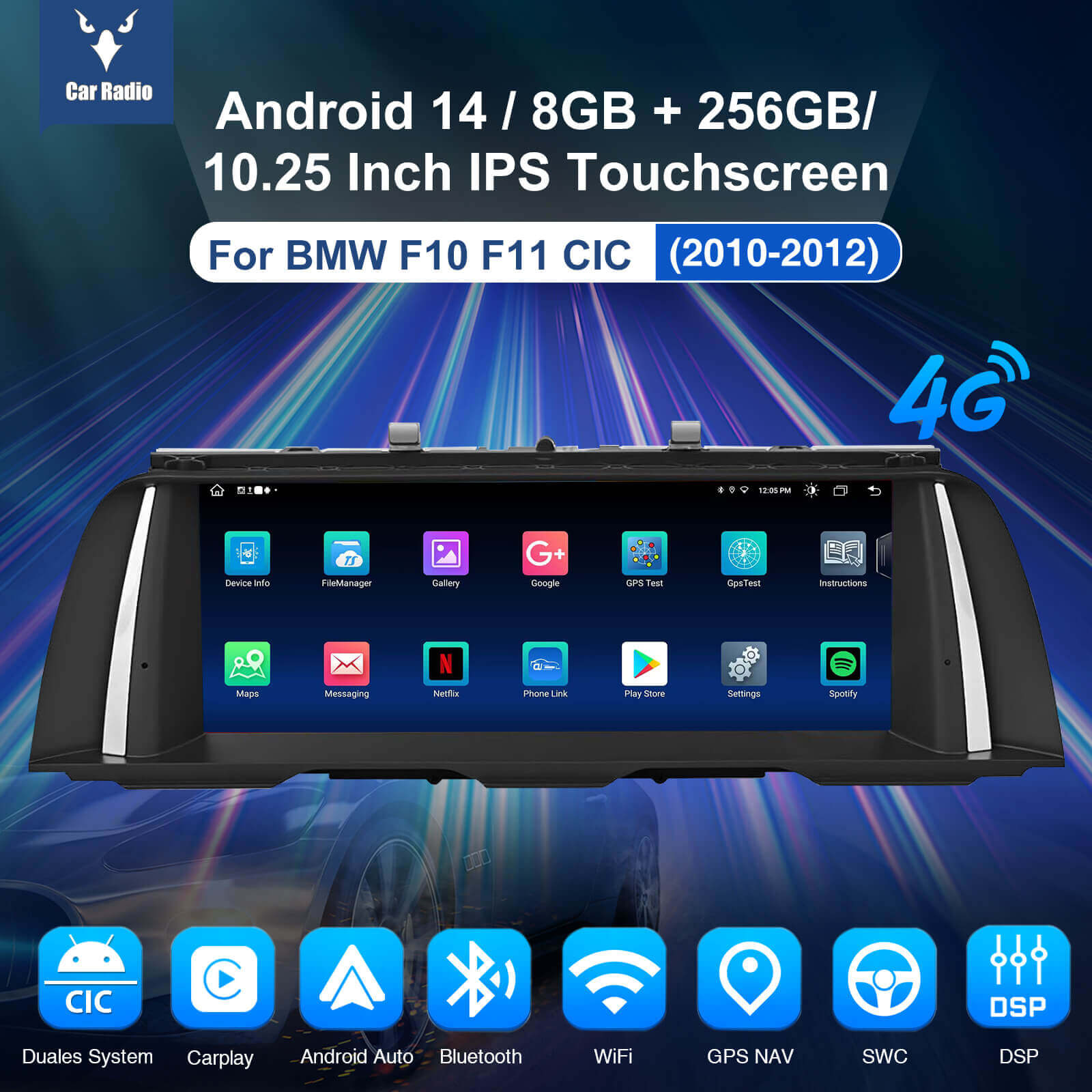
- Double-DIN:Larger display, often touch screen, more advanced controls.
- Head Units with Navigation:Built-in GPS for directions.
- Multimedia Systems:Support video playback and apps.
- Smart Stereos:Connect with smartphones, use voice commands.
Key Features To Look For
Focus on features that improve sound and convenience.
- Bluetooth connectivity for hands-free calls and music.
- USB and AUX ports for easy device connection.
- Equalizer settings to customize audio output.
- Touchscreen display for simple controls.
- Support for Apple CarPlay or Android Auto.
- Remote control or steering wheel control compatibility.
Compatibility With Your Vehicle
Check if the stereo fits your car’s dashboard size. Wiring and connectors must match your vehicle’s system. Consider power output to match your speakers. Some cars need adapters or special kits for installation. Confirm these details before buying for a smooth setup.
Credit: essgoo.com
Setting A Budget
Setting a budget for your car stereo system is a crucial first step. It helps you narrow down options and avoid overspending on features you don’t need. Having a clear budget keeps your purchase focused and practical.
Balancing Cost And Quality
It’s tempting to go for the cheapest stereo system, but quality matters for lasting enjoyment. A low-cost option might sound fine initially but could wear out quickly or lack essential features. Think about what you want most: better sound, durability, or extra functions like Bluetooth or navigation.
Ask yourself: would you rather pay a bit more now for a system that lasts, or replace a cheap one multiple times? Consider brands known for reliability, even if they cost a little more upfront. Sometimes spending an extra $50 or $100 can make a big difference in sound clarity and overall satisfaction.
Additional Expenses To Consider
Your budget should include more than just the stereo unit. Installation fees can add up, especially if your car needs wiring or adapter kits. Don’t forget to factor in accessories like speakers, amplifiers, or even soundproofing materials.
- Installation costs:Professional installation may cost between $50 and $200 depending on complexity.
- Speaker upgrades:Good speakers can range from $50 to $300 or more.
- Additional components:Amplifiers, subwoofers, or Bluetooth adapters add to the total price.
Have you checked if your car stereo system requires special components to fit your vehicle? This extra research can prevent unexpected expenses and frustration. Setting a realistic budget means you won’t be caught off guard by hidden costs later on.
Evaluating Sound Quality
Evaluating sound quality is essential when buying a car stereo system. It’s not just about volume; the clarity, depth, and balance of sound shape your entire listening experience. Knowing what to look for helps you avoid disappointment and ensures every drive sounds just right.
Understanding Audio Specs
Audio specs like frequency response, signal-to-noise ratio, and total harmonic distortion reveal how well a stereo system performs. Frequency response tells you the range of sound the system can produce, from deep bass to high treble. A wider range means richer audio.
Signal-to-noise ratio (SNR) measures how clear the sound is compared to background noise. Higher SNR values mean less unwanted hiss or static. Total harmonic distortion (THD) shows how much the audio signal gets distorted; lower percentages are better.
Don’t get overwhelmed by numbers—focus on specs that matter for your listening style. Ask yourself: do you prefer deep bass or crisp vocals? Tailoring specs to your taste makes a big difference.
Importance Of Speakers And Amplifiers
Speakers are the heart of sound quality. Cheap speakers often produce tinny or muddy sound, while high-quality ones deliver clear, balanced audio. Pay attention to speaker materials and design—cones made of polypropylene or woven fabric usually perform better.
Amplifiers boost the sound signal. Without a good amp, even the best speakers won’t reach their potential. A powerful amplifier provides clean, distortion-free sound at higher volumes.
Think about your car’s space and power needs. Would you prefer an amp built into the stereo or a separate external unit? Matching speakers and amplifiers to your car’s acoustics can transform your music experience.
Installation Options
Choosing the right installation option for your car stereo system is just as important as selecting the stereo itself. How you install your new system can affect sound quality, functionality, and even the longevity of your equipment. Let’s look at two main approaches: professional installation and do-it-yourself (DIY) installation.
Professional Installation Benefits
Hiring a professional installer brings peace of mind. They have the experience to handle complex wiring and ensure everything fits perfectly in your vehicle.
Professionals can also help avoid costly mistakes like damaging your car’s electrical system or voiding warranties. They often offer guarantees on their work, which protects your investment.
Consider this: a friend of mine tried installing his own stereo and ended up with poor sound and loose connections. After a professional fixed it, the difference was night and day. Would you want to risk your stereo sounding less than perfect?
Diy Installation Tips
Installing the stereo yourself can save money and give you a sense of accomplishment. Start by reading your car’s manual and the stereo’s instructions carefully.
Gather all necessary tools beforehand, such as screwdrivers, wire strippers, and electrical tape. Label wires during removal to avoid confusion during reassembly.
Take your time and double-check each connection before powering up. If you hit a snag, online forums and tutorial videos can be valuable resources. How confident do you feel about handling electrical tasks on your own?
Popular Brands And Models
Choosing the right car stereo system means knowing which brands and models deliver the features and quality you want. Some brands have built solid reputations for reliability, sound clarity, and user-friendly design. Understanding the popular options can save you time and avoid buyer’s remorse.
Top-rated Stereo Systems
Brands like Pioneer, Kenwood, and Sony frequently top the lists for car stereo systems. Pioneer’s AVH-W4500NEX stands out with its touchscreen interface and excellent smartphone integration. Kenwood’s Excelon series offers rich sound quality and durability, perfect if you want clear audio without distortion.
Sony’s XAV-AX5000 is a favorite for those who want a sleek design with easy controls. It’s also budget-friendly while packing features like Apple CarPlay and Android Auto. Have you considered how much you value smartphone connectivity versus pure sound performance?
Customer Reviews And Ratings
Customer feedback often reveals strengths and weaknesses not obvious in product descriptions. For example, many users praise the Alpine iLX-W650 for its quick boot-up time and intuitive menus. Others mention that the display brightness could improve, which is useful to know if you drive mostly during the day.
Look for patterns in reviews rather than isolated opinions. If multiple buyers mention installation challenges, it might mean you’ll need professional help. What do you think matters more to you—ease of installation or advanced features?
Additional Features
Additional features in a car stereo system can greatly improve your driving experience. These extras offer more convenience, better sound control, and easier access to your favorite media. They help make your car feel more modern and connected.
Bluetooth And Connectivity
Bluetooth lets you connect your phone wirelessly to the stereo. You can play music, make calls, and use voice commands without cables. Some systems support multiple devices at once. This means both you and a passenger can connect phones easily.
Other connectivity options include USB ports and auxiliary inputs. These allow you to play music from different devices. Look for systems with fast and stable connections for smooth playback.
Touchscreen And Controls
A touchscreen makes navigating menus simple and quick. You can control music, volume, and settings with taps or swipes. Larger screens improve visibility and ease of use while driving.
Physical buttons and knobs still help for quick adjustments. Some stereos combine both, giving you more control options. Choose controls that feel comfortable and safe to use on the road.
Integration With Smartphones
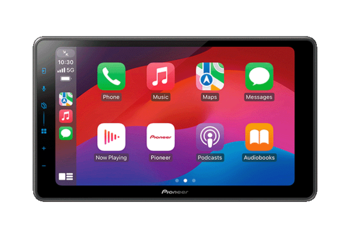
Car stereos often support Apple CarPlay and Android Auto. These features mirror your phone’s interface on the stereo screen. You can access apps like maps, music, and messages safely.
Smartphone integration keeps you connected without distraction. It also updates your stereo with new apps and features over time. Check if the system supports your phone’s brand and software version.
Testing Before Buying
Testing a car stereo system before buying ensures the best sound and fit. It helps avoid surprises and guarantees satisfaction with the purchase. Spending time on testing saves money and effort later.
Listening Tips
Use familiar songs to check sound quality. Listen for clear vocals and balanced bass. Pay attention to highs and lows. Notice if any sound feels too sharp or dull. Test at different volumes to see how it performs.
Try various music genres. Rock, pop, and classical reveal different speaker strengths. This variety shows how the stereo handles sound changes. Avoid only one music type during testing.
Demoing In Your Car
Bring the stereo into your car for a real test. The car’s shape affects sound quality. Install the stereo temporarily to hear it in its real setting. This step shows how well it fits your vehicle.
Check wiring and controls for easy use. Make sure the display is clear in daylight. Test all features like Bluetooth and radio. Confirm the stereo works smoothly with your car’s power.
Credit: www.bestbuy.com
Frequently Asked Questions
What To Consider When Buying A Car Stereo?
When buying a car stereo, consider compatibility with your vehicle, audio quality, and available features. Check for Bluetooth connectivity and smartphone integration. Ensure it supports your preferred audio formats and has a user-friendly interface. Set a budget and compare different brands for the best value.
How Do I Know If A Stereo Fits My Car?
To ensure a stereo fits, check your car’s dashboard dimensions. Measure the available space and compare it with the stereo’s size. Use online tools or consult with a professional for compatibility. Consider purchasing an installation kit for seamless integration and a professional look.
What Features Should A Car Stereo Have?
Modern car stereos should have Bluetooth for hands-free calls and music streaming. Look for USB and AUX inputs, touchscreen displays, and smartphone compatibility. Consider GPS navigation, voice control, and sound customization options. Choose features that enhance your driving experience while fitting within your budget.
Is Professional Installation Necessary For Car Stereos?
Professional installation ensures compatibility and functionality. Technicians have experience with various car models and can handle complex wiring. This prevents potential issues and damage. A professional installation often includes warranties, offering peace of mind. However, if you’re confident in your skills, DIY installation is an option.
Conclusion
Choosing the right car stereo takes time and thought. Know your budget and needs first. Check sound quality and ease of use. Consider extra features like Bluetooth or USB ports. Installation should fit your car and skill level. Compare brands for reliability and reviews.
A good stereo makes driving more fun. Take your time and enjoy the process. Your perfect sound system is within reach.