How to Check If Car Amplifier is Working: Easy Steps Revealed
Master Automotive Systems Engineer & Performance Vehicle Specialist at CarSpeedNest Automotive Testing Lab · ASE Certified Master Technician, Mobile Electronics Certified Professional (MECP Master), Certified Dyno Diagnostic Specialist · 14+ years in dyno testing, electronic sensor calibration, automotive wiring harnesses, and precision drivetrain maintenance
Is your car’s sound system not delivering the powerful bass and clear sound you expected? You might be wondering, “How do I know if my car amplifier is working properly?” Don’t worry—checking your car amplifier doesn’t have to be complicated or expensive.
You’ll discover simple, step-by-step ways to test your amplifier and find out if it’s boosting your music or holding it back. Keep reading, and by the end, you’ll have the confidence to troubleshoot your sound system like a pro.
Credit: audiointensity.com
Signs Of A Working Amplifier
Knowing the signs of a working car amplifier helps you quickly identify any issues without needing advanced tools. A properly functioning amplifier will deliver clear sound, show power indicators, and generate a bit of heat during operation. Paying attention to these signs can save you time and avoid unnecessary repairs.
Listening For Sound Quality
Start by playing music you know well through your car’s audio system. Listen closely for clarity, bass response, and volume strength. If the sound is crisp, without distortion or cutting out, your amplifier is likely working fine.
Notice if any tracks sound muffled or if the bass feels weak. This could indicate the amplifier isn’t powering the speakers correctly. Ask yourself: does the music fill the car evenly, or are there gaps in sound? These clues reveal a lot about your amplifier’s performance.
Checking Power Indicator Lights
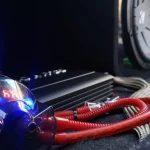
Most amplifiers have LED lights that show their status. Look for a steady green or blue light, which usually means the amp is powered on and functioning. A red or blinking light often signals a problem like overheating or a short circuit.
Make sure the power light turns on as soon as you start your car’s audio system. If it doesn’t, check the wiring and fuse before assuming the amplifier is faulty. Seeing that light glow is a quick way to confirm power is reaching your amp.
Feeling For Heat Generation
Amplifiers produce heat while running because they work hard to boost audio signals. After playing music for a few minutes, carefully touch the amplifier casing. It should feel warm but not dangerously hot.
If the amp stays cold, it might not be working or receiving power. On the other hand, if it’s too hot to touch, that could signal an internal issue needing immediate attention. Have you ever felt a cold amp and wondered why your sound was off? Heat is often a silent indicator of proper function.
Preparing For The Test
Before testing your car amplifier, setting up the right environment can save you time and frustration. Preparing for the test means making sure you have everything ready and correctly connected. This way, you can focus on identifying any issues without distractions or guesswork.
Gathering Necessary Tools
Start by collecting the tools you’ll need to check your amplifier. Common items include a multimeter, speaker wires, RCA cables, and a test speaker or headphones. Having these ready prevents interruptions during the test and helps you quickly verify each component’s function.
Don’t forget a reliable power source and, if possible, your car’s manual. Knowing your amplifier’s specifications can make a big difference in troubleshooting effectively.
Ensuring Proper Connections
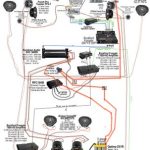
Next, double-check all your amplifier connections. Make sure the power cable is securely attached to both the amplifier and the battery. Ground connections should be tight to avoid electrical noise or intermittent power issues.
Inspect speaker wires and RCA cables for any damage or loose ends. A single faulty wire can cause the amplifier to perform poorly or not work at all. Have you ever been frustrated by a silent speaker only to find a loose wire behind the panel?
Setting Volume And Input Levels
Adjust your amplifier’s volume and input settings before powering it on. Start with the volume low to protect your speakers from sudden loud sounds. Set the input source to the correct channel so the amplifier receives the right signal.
Think about this: If the input level is too low, you might mistakenly believe your amplifier is not working. On the other hand, too high a level can cause distortion. Balancing these settings helps you get a clear, accurate test result.
Testing The Amplifier Output
Testing the amplifier output is a crucial step to determine if your car amplifier is functioning properly. It helps you identify whether the amplifier is sending the correct power to your speakers. This process is straightforward and doesn’t require advanced tools, just a bit of patience and attention to detail.
Using A Multimeter
A multimeter can measure the voltage output from your amplifier to the speakers. Set your multimeter to measure AC voltage and connect the probes to the speaker terminals. Play some music and check if the voltage fluctuates with the sound; no change may mean the amplifier isn’t sending power.
Keep in mind that a steady reading could also indicate a problem, so compare your results with the amplifier’s specifications. This simple test can save you time and money by confirming if the amplifier is the issue before moving to more complex diagnostics.
Inspecting Speaker Connections
Loose or damaged speaker wires often cause sound problems, not the amplifier itself. Carefully examine the wires and connections for any signs of wear, corrosion, or loose terminals. Even a small disconnection can stop audio from reaching your speakers.
Try tightening the connections and cleaning any dirt or corrosion. You might be surprised how often the fix is as simple as securing a wire.
Testing With A Known Good Speaker
Using a speaker that you know works well helps isolate the problem. Disconnect your current speaker and connect the known good one directly to the amplifier output. If the good speaker produces clear sound, the amplifier is likely fine and the problem lies with your original speaker or wiring.
This test is quick and effective. It removes guesswork and points you exactly where the fault lies.
Credit: audiointensity.com
Frequently Asked Questions
How Can I Tell If My Car Amplifier Is Working?
Check if the amplifier powers on and the power indicator light is on. Listen for clear, distortion-free sound from the speakers. If sound is weak or absent, the amplifier might not be working properly.
What Are Signs Of A Faulty Car Amplifier?
Signs include distorted sound, no sound output, blown fuses, or the amplifier overheating. Also, check if the power light doesn’t turn on or if there’s a noticeable drop in audio quality.
How Do I Test A Car Amplifier Without Special Tools?
Turn on your car stereo and listen for sound clarity and volume increase. Inspect all wiring connections for tightness and look for blown fuses. A working amplifier will enhance audio output noticeably.
Can A Car Amplifier Cause No Sound From Speakers?
Yes, a malfunctioning amplifier can stop sound from reaching speakers. It may result from blown fuses, wiring issues, or internal amplifier faults, causing no audio output.
Conclusion
Testing your car amplifier is crucial for quality sound. Simple steps can identify issues. Start by checking connections and power supply. Next, inspect the speaker wires for damage. Listening for distortion can also help. Ensure your settings are correct. Sometimes, a reset solves problems.
If problems persist, consult a professional. Regular checks can prevent bigger issues. Keeping your amplifier in good shape ensures clear music. Enjoy your drives with great sound. Happy listening!

Similar Posts