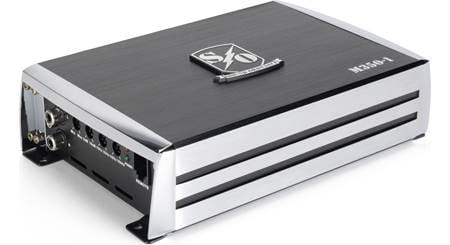
What is the Best Car Amplifier: Top Picks for Ultimate Sound Quality
Are you tired of your car’s sound system feeling flat and lifeless? You want your music to hit harder, sound clearer, and bring every beat to life.
Finding the best car amplifier can make all the difference in transforming your driving experience. But with so many options out there, how do you know which one will truly power your sound the way you want? Keep reading, because we’re breaking down everything you need to know to choose the perfect amplifier for your car and your ears.
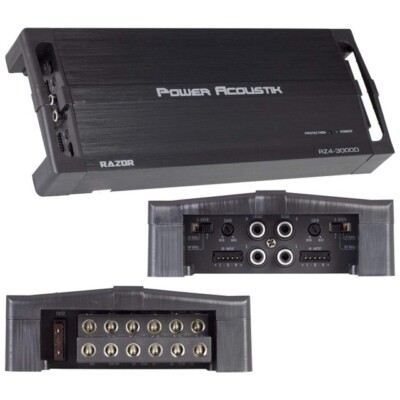
Credit: www.ebay.ca
Key Features To Consider
Choosing the best car amplifier means looking beyond just brand names and flashy specs. You need to focus on features that directly impact your listening experience and the compatibility with your vehicle’s audio system. Understanding what matters most helps you avoid costly mistakes and ensures your investment brings the sound upgrade you want.
Power Output
Power output determines how loud and clear your music can get without distortion. Look for an amplifier that matches or slightly exceeds your speaker’s RMS power rating. Too little power leads to weak sound, while too much can damage your speakers.
Think about your driving habits—do you enjoy bass-heavy music at high volumes? If so, prioritize an amplifier with higher wattage per channel to keep your audio crisp and punchy.
Sound Clarity
Sound clarity is about how clean and natural your music sounds through the system. An amplifier with low total harmonic distortion (THD) means less noise and clearer audio.
I once upgraded to an amp with a THD under 0.05%, and the difference was night and day—vocals became sharper and instruments more defined. Don’t underestimate this feature; it directly affects your listening pleasure.
Build Quality
Durability matters when your amplifier is exposed to the vibrations and temperature changes inside your car. Choose amps with solid metal casings and quality internal components to ensure long-lasting performance.
My first amp failed within a year because it had cheap plastic housing and overheated easily. Investing in a well-built model saves you from frustrating breakdowns and repair costs.
Size And Compatibility
Space in your car can be limited, so consider the physical size of the amplifier. Measure the area where you plan to install it and check the amp’s dimensions before buying.
Also, ensure the amp’s input and output connections match your car stereo and speakers. Compatibility issues can lead to complex wiring or extra adapters, which complicate installation and reduce sound quality.
Price Range
Set a realistic budget based on your audio goals. Higher price often means better features, but there are solid amps available at mid-range prices that deliver excellent performance.
Ask yourself: Is clarity more important than maximum volume? Do you need advanced features like built-in crossovers? Prioritize features that align with your preferences to get the best value for your money.
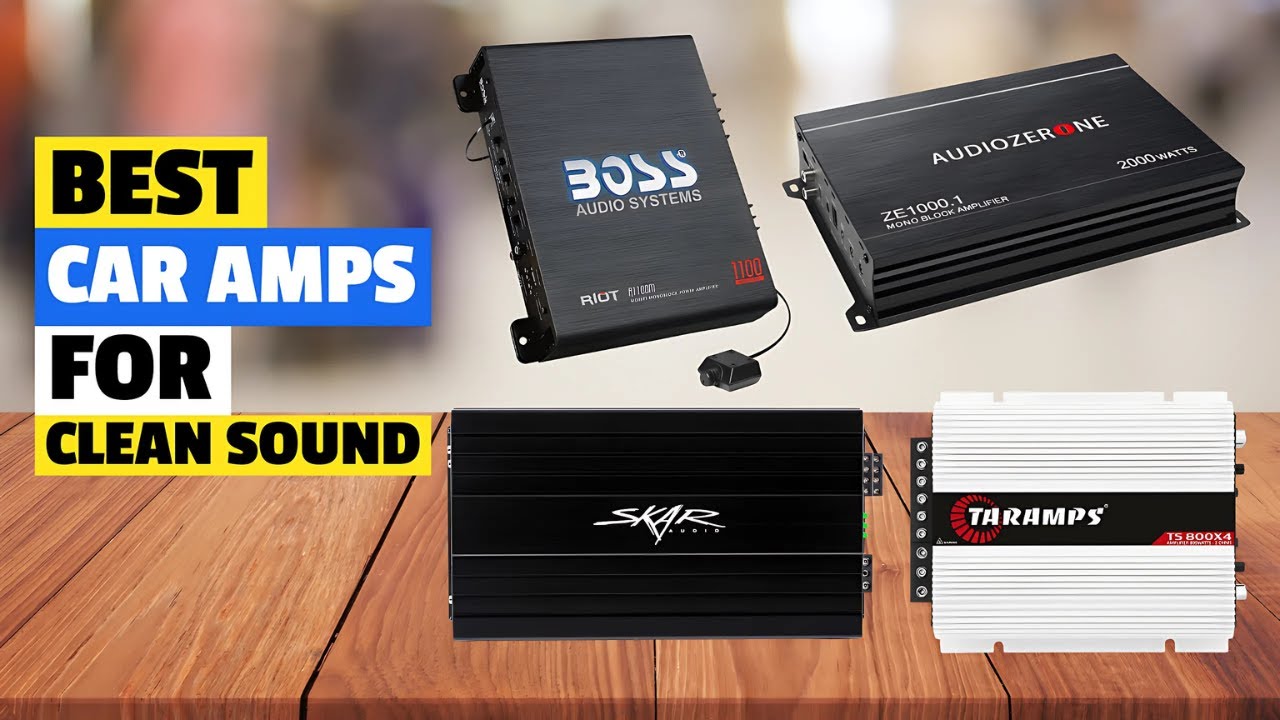
Credit: www.youtube.com
Types Of Car Amplifiers
Choosing the right car amplifier starts with understanding the different types available. Each type serves a specific purpose and fits different audio needs and setups. Knowing these can help you make a smarter choice for your car’s sound system.
Mono Amplifiers
Mono amplifiers, also called monoblocks, are designed to power subwoofers. They focus on delivering high power to a single channel, making bass sound deep and clear. If you want to feel the beat in your chest during your drive, a mono amplifier is often the best pick.
Mono amps usually have simpler setups and are more efficient at handling low frequencies. They’re perfect if your main goal is to boost your bass without worrying about multiple speakers. Have you noticed how some car systems make bass boom? That’s often thanks to a good mono amp.
Multi-channel Amplifiers
Multi-channel amplifiers can power several speakers at once—often two, four, or more channels. This makes them ideal if you want to upgrade your whole car audio system, not just the bass. They can drive front and rear speakers simultaneously, balancing sound throughout your vehicle.
These amps give you flexibility. You can use them to power your midrange speakers, tweeters, and even a subwoofer if the channels support bridging. Thinking about upgrading your entire sound system at once? A multi-channel amp might be the key.
Class A, B, Ab, And D Amplifiers
Amplifiers come in different classes based on how they handle electrical signals. Class A amps offer great sound quality but use a lot of power and generate heat. They work well for audiophiles who want crystal-clear sound, even if it costs more energy.
Class B amps are more efficient but can introduce distortion at low volumes. Class AB amps combine the best of A and B, balancing sound quality and efficiency. They are the most common type in car audio because they deliver clean sound without draining your battery.
Class D amplifiers are very efficient and compact, making them popular for modern car systems. They use digital signals to minimize power loss, perfect if you want a powerful amp without heat issues. Ever wondered how some cars get loud sound without their batteries dying fast? It’s often thanks to Class D amps.
Top Car Amplifier Picks
Choosing the right car amplifier can transform your driving experience. It’s not just about volume—it’s about clarity, power, and how your music feels inside your car. Here are some top picks tailored to different needs and budgets, helping you find the perfect match for your ride.
Best Overall Amplifier
The Rockford Fosgate Punch P1000X1 is a standout choice for most users. It delivers clean, powerful sound with 1000 watts RMS at 1 ohm, making it ideal for a variety of speaker setups. Its reliability and easy installation make it a go-to for anyone wanting solid performance without fuss.
Best Budget Option
If you want quality without breaking the bank, the Pioneer GM-A3702 is a smart pick. It offers 75 watts RMS per channel at 4 ohms, which is plenty for most casual listeners. You get good sound clarity and basic features that suit everyday driving and smaller sound systems.
Best For Bass
When deep, punchy bass is your goal, the JL Audio Slash 500/1 stands out. With 500 watts RMS at 2 ohms, it pushes your subwoofer hard to deliver that rich low-end impact. If your music collection lives on bass-heavy tracks, this amp makes sure you feel every beat.
Best Compact Amplifier
The Alpine KTP-445U is perfect if space is tight in your vehicle. Despite its small size, it packs 45 watts RMS per channel at 4 ohms. This amp fits discreetly under seats or inside glove compartments, letting you upgrade your sound without sacrificing room.
Installation Tips
Installing a car amplifier correctly improves sound quality and system reliability. A proper setup avoids damage to the amplifier and other car components. Careful planning and attention to detail make installation smooth and effective.
Wiring Essentials
Use the right gauge wire for power and ground connections. Thin wires cause voltage drops and poor amplifier performance. Connect the power wire directly to the battery using a fuse near the battery terminal. Ground the amplifier to a clean metal surface on the car chassis. Secure all connections tightly to prevent loose contacts. Avoid running power and signal wires together to reduce noise interference.
Placement For Optimal Sound
Position the amplifier where it gets good airflow to prevent overheating. Avoid tight spaces that trap heat. Place it close to the speakers or subwoofer to reduce signal loss. Keep the amplifier away from large metal parts and moving components. Mount it securely to avoid vibrations that affect sound quality.
Avoiding Common Installation Mistakes
- Do not skip the fuse on the power line; it protects the amplifier and car.
- Avoid routing wires near the car’s electrical components to reduce noise.
- Do not use cheap or damaged wires; they can cause shorts or failures.
- Check all connections twice before powering the system.
- Do not overload the amplifier by connecting speakers with incorrect impedance.
Maintaining Your Amplifier
Keeping your car amplifier in top shape is key to enjoying crisp, powerful sound every time you hit the road. Regular maintenance not only extends the life of your amplifier but also helps you avoid unexpected issues that can ruin your listening experience. Let’s look at some straightforward ways to maintain your amplifier effectively.
Regular Cleaning
Dust and dirt can build up quickly inside your amplifier, leading to poor performance or even damage. Use a soft, dry cloth to wipe down the exterior regularly. For the inside, compressed air can safely remove dust without causing harm.
Don’t forget to check the connection points too. Loose or dirty terminals can cause crackling sounds or signal loss. Cleaning these with a contact cleaner can make a noticeable difference in sound quality.
Protecting Against Overheating
Amplifiers generate heat, and too much of it can cause serious damage. Make sure your amplifier has enough space around it for air to circulate freely. Avoid placing it near heat sources or covering it with items that block ventilation.
Some amplifiers come with built-in fans or heat sinks—ensure these are clean and functioning properly. Have you ever noticed your sound cutting out during a long drive? That could be overheating at work.
Troubleshooting Common Issues
If you hear distortion, weak sound, or your amplifier won’t turn on, don’t panic. Start by checking all wiring connections for tightness and corrosion. Sometimes, a simple loose wire is the culprit behind poor sound.
Next, inspect the fuse. A blown fuse is a common but easy fix that can restore your amplifier’s power. If problems persist, testing the speaker output and input signals can help pinpoint where the issue lies.
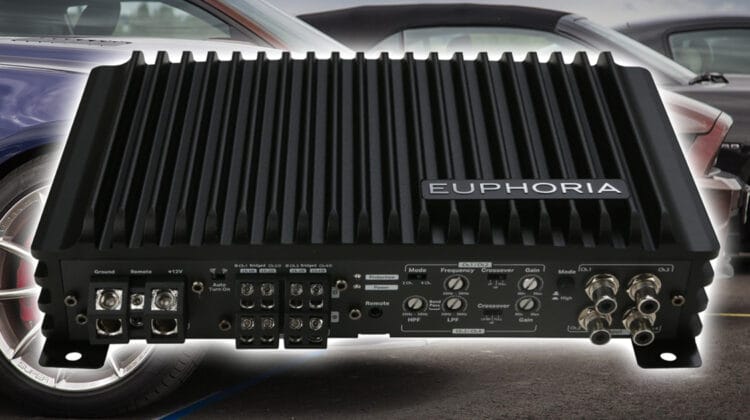
Credit: www.bestcaraudio.com
Frequently Asked Questions
What Features Make A Car Amplifier The Best?
The best car amplifier offers high power output, low distortion, and efficient heat management. It should match your speaker’s power needs and provide clear sound quality.
How Do I Choose The Right Car Amplifier Size?
Choose an amplifier size based on your speaker’s wattage and available space. A properly sized amp ensures optimal performance without distortion or damage.
Can A Car Amplifier Improve Sound Quality?
Yes, a car amplifier boosts audio signals, resulting in clearer, louder, and richer sound. It enhances bass, reduces noise, and improves overall listening experience.
What Is The Difference Between Mono And Multi-channel Amplifiers?
Mono amplifiers power subwoofers with a single channel, offering strong bass. Multi-channel amps support multiple speakers for balanced sound throughout the vehicle.
Conclusion
Choosing the best car amplifier can enhance your driving experience. It delivers clear sound and boosts audio quality. Consider your budget and specific needs. Power, size, and features matter. Research and read reviews to find the best fit. Ensure it matches your car’s system.
Good sound makes every drive enjoyable. Invest wisely in a quality amplifier. It’s about making your rides more enjoyable and lively. Happy driving with your new sound system!