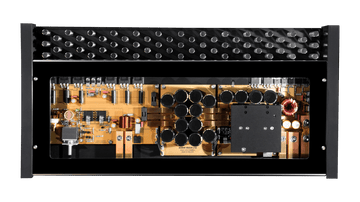
How Long Do Car Amplifiers Last: Ultimate Lifespan Guide 2025
Are you wondering how long your car amplifier will keep your music sounding crisp and powerful? You’ve invested in your sound system, and naturally, you want to know how long it will last before you need a replacement.
Understanding the lifespan of your car amplifier can save you money and frustration down the road. You’ll discover key factors that affect your amplifier’s durability and practical tips to extend its life. Keep reading to make sure your car’s sound never fades away.
Car Amplifier Lifespan Basics
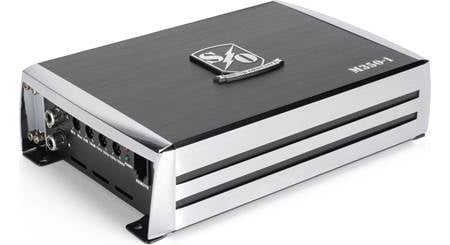
Car amplifiers boost the sound quality and volume in your vehicle. Knowing their lifespan helps you plan upgrades or replacements. Lifespan varies based on use, build quality, and care. Understanding these basics keeps your audio system performing well.
Typical Lifespan Range
Most car amplifiers last between 5 and 15 years. High-quality models can last over a decade with proper care. Cheaper amplifiers may wear out faster, sometimes within 3 to 5 years. Regular use and power demands also affect how long an amplifier lasts.
Factors Influencing Durability
- Build Quality:Durable materials and good design extend lifespan.
- Installation:Proper wiring and mounting prevent damage and overheating.
- Usage:Constant high volume or power strain shortens life.
- Environment:Heat, moisture, and vibration can cause wear and tear.
- Maintenance:Cleaning and checking connections reduce failure risks.
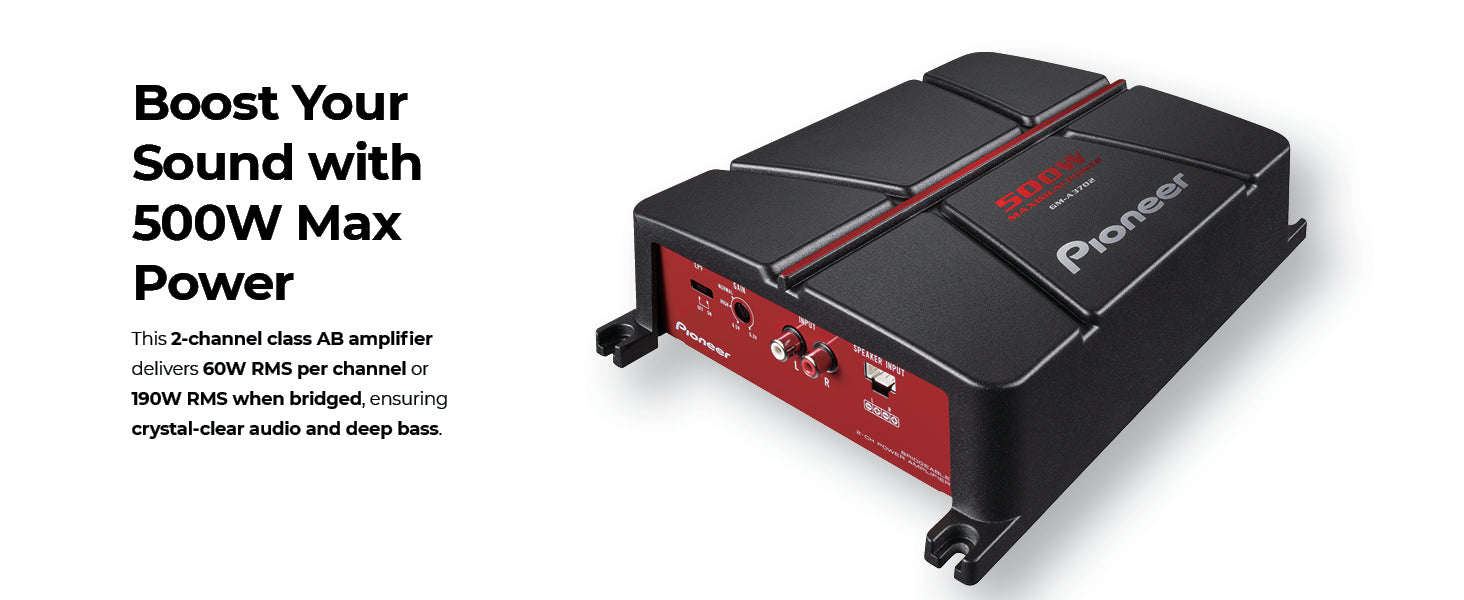
Credit: usa.pioneer
Types Of Car Amplifiers
Car amplifiers come in different types. Each type works in a unique way to boost sound quality and power. Knowing these types helps in choosing the right amplifier for your car audio system.
Class A/b Amplifiers
Class A/B amplifiers combine features of Class A and Class B designs. They offer good sound quality and efficiency. These amps run cooler than pure Class A models. They are common in many car audio setups. Class A/B amps last long with proper care.
Class D Amplifiers
Class D amplifiers use digital technology to amplify sound. They are smaller and lighter than Class A/B amps. These amps are very efficient and produce less heat. Perfect for those needing more power in a compact size. Class D amps can have a long lifespan if not overheated.
Other Amplifier Classes
Other classes include Class A, Class B, and Class G amplifiers. Class A amps have the best sound but use more energy. Class B amps are less common due to distortion issues. Class G amps improve efficiency by switching power levels. These types are less popular but still used in some car systems.
Common Causes Of Amplifier Failure
Car amplifiers are key to boosting your audio experience, but they don’t last forever. Understanding what commonly causes amplifier failure can save you both money and frustration. Let’s dig into the main issues that can shorten your amp’s lifespan and how to avoid them.
Overheating Issues
Heat is the silent enemy of car amplifiers. If your amp gets too hot, it can cause internal components to degrade or fail completely.
Often, poor ventilation or placing the amplifier in a cramped space restricts airflow. Have you ever felt your amp casing get unusually warm after a long drive? That’s a warning sign you should not ignore.
Using a cooling fan or installing the amp in a well-ventilated area helps keep temperatures down. Also, avoid cranking your system at maximum volume for extended periods—it pushes the amp harder and creates more heat.
Electrical Problems
Electrical issues are another common culprit behind amplifier failure. Voltage spikes, poor wiring, or a weak battery can cause your amp to malfunction or stop working altogether.
Wiring that’s too thin or frayed can lead to short circuits, damaging your amplifier’s sensitive components. I’ve seen amps fail just because someone used the wrong gauge wire during installation.
Regularly check your wiring connections and make sure your car’s electrical system is stable. Installing a fuse close to the battery can protect your amp from sudden power surges.
Physical Damage
Physical damage might seem obvious, but it’s often overlooked. Dropping your amplifier or exposing it to moisture can ruin the delicate parts inside.
Think about how many times you’ve moved your car’s audio setup or accidentally spilled a drink inside the vehicle. Even small impacts or humidity can cause corrosion or cracked circuit boards.
Securing your amplifier properly and keeping liquids away is crucial. If you live in a humid area, consider protective covers or moisture-absorbing packs to extend your amp’s life.
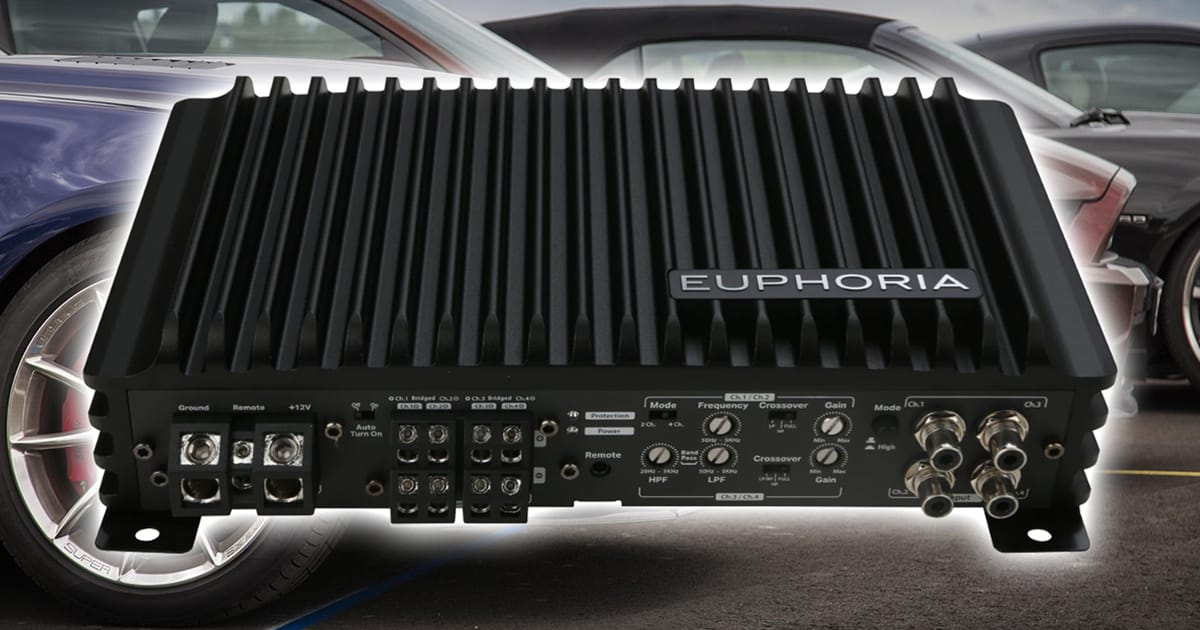
Credit: www.bestcaraudio.com
Maintenance Tips To Extend Lifespan
Keeping your car amplifier in top shape can dramatically extend its lifespan. Regular maintenance not only preserves sound quality but also protects your investment from premature failure. Small habits and careful attention can make a big difference over time.
Proper Installation Practices
How your amplifier is installed plays a huge role in how long it lasts. Ensure it is mounted securely in a well-ventilated area to prevent overheating. Avoid tight spaces or locations near moisture, which can cause damage.
Use quality wiring and connectors to reduce electrical resistance and signal loss. Poor connections can create shorts or voltage drops that harm the amplifier. Double-check polarity and secure all terminals firmly.
Routine Cleaning And Inspection
Dirt, dust, and debris can clog cooling vents and cause your amplifier to overheat. Clean the unit regularly with a soft brush or compressed air. Pay special attention to the heat sinks and fans if your amplifier has them.
Inspect cables and connections for wear or corrosion. Catching these issues early prevents bigger problems. Have you ever noticed a drop in sound quality after a dusty road trip? That’s a sign to check your gear.
Avoiding Overload And Distortion
Running your amplifier at too high a volume or pushing it beyond its rated power stresses internal components. This leads to overheating and permanent damage. Listen carefully for distortion — it’s your amplifier’s way of signaling distress.
Match your amplifier’s power output to your speakers’ capacity to prevent overload. Using a high-pass filter can also protect against frequencies that cause excessive strain. Think of your amplifier as an athlete: pushing it too hard without rest shortens its career.
Signs Your Amplifier Needs Replacement
Car amplifiers are built to last, but they do wear out over time. Recognizing the signs that your amplifier needs replacement can save your sound system from damage. Early detection helps maintain audio quality and avoid unexpected breakdowns.
Watch for changes in performance. Your ears often notice problems before you see them. Check your amplifier regularly for these key signs.
Distorted Sound Output
Sound distortion is a common sign of amplifier trouble. The music may sound crackly or fuzzy. Bass may lose its punch, or high notes may become harsh. This happens when internal components start failing. Distortion can also mean the amplifier is overheating or overloaded.
Intermittent Power Issues
The amplifier may turn on and off randomly. Power may cut out during use. This irregular operation can indicate loose wiring or failing parts. Sudden shutdowns can damage speakers over time. Consistent power is essential for good sound and amplifier health.
Visible Damage And Wear
Physical damage is a clear warning sign. Look for cracks, burns, or corrosion on the amplifier’s case and connections. Dust and dirt buildup can also harm performance. Worn-out parts inside can cause poor sound and power issues. Regular cleaning and inspection help prevent severe damage.
Choosing Durable Amplifiers In 2025
Choosing a durable car amplifier in 2025 means focusing on build quality and technology that withstands daily use and extreme conditions. Your amplifier should not only deliver powerful sound but also last through years of driving, heat, and vibrations. Think about what features and brands have proven their reliability and how you can make a smart investment that saves you from frequent replacements.
Top Brands And Models
Brands like JL Audio, Alpine, and Rockford Fosgate continue to lead in durability and performance. For example, JL Audio’s HD series offers robust construction with excellent heat management, making it a favorite among enthusiasts who want longevity.
Alpine’s PDX series is also popular for its compact design and resistance to overheating. Rockford Fosgate’s Power series amps are known for their rugged build and consistent output over time.
Choosing from these brands means you get proven quality and a better chance your amplifier will last many years without issues.
Features Enhancing Longevity
Look for amplifiers with built-in thermal protection to prevent overheating, which is a common cause of failure. Models with efficient cooling fans or heat sinks can handle long hours of use without damage.
Also, consider amps with moisture-resistant coatings if you drive in humid or rainy areas. This feature can prevent corrosion and electrical problems.
Stable power management is another critical feature. Amplifiers that maintain consistent voltage and current reduce stress on internal components, extending their life.
Impact Of Usage Patterns On Lifespan
The lifespan of a car amplifier depends heavily on how often and how intensely it is used. Usage patterns influence the wear and tear on the internal components. Understanding these patterns helps predict how long the amplifier will last. Regular use under harsh conditions can shorten its life. Gentle use with moderate settings tends to preserve its durability.
Daily Commuting Vs. Occasional Use
Daily commuting means the amplifier runs for hours every day. Constant use heats up the components and stresses the circuits. This frequent activity can lead to faster aging of the amplifier parts.
Occasional use causes less strain on the amplifier. Shorter and less frequent sessions allow the device to cool down between uses. This reduces the risk of overheating and extends the amplifier’s life.
Power Settings And Volume Levels
High power settings and loud volume levels push the amplifier to work harder. This increases the heat generated inside the unit. Excessive heat speeds up component wear and can cause failure sooner.
Moderate power and volume reduce stress on the amplifier. Lower settings keep the device cooler and protect sensitive parts. This careful use helps maintain performance and extends lifespan.
Credit: www.bestcaraudio.com
Frequently Asked Questions
How Long Do Car Amplifiers Typically Last?
Car amplifiers usually last between 5 to 10 years. Proper maintenance and quality parts can extend their lifespan significantly.
What Factors Affect Car Amplifier Longevity?
Heat, poor wiring, and frequent power surges reduce amplifier lifespan. Good ventilation and proper installation help maximize durability.
Can Car Amplifiers Fail Suddenly?
Yes, amplifiers can fail suddenly due to electrical faults or overheating. Regular checks can help prevent unexpected failures.
How To Maintain A Car Amplifier For Longer Life?
Keep the amplifier cool, clean dust regularly, and ensure secure wiring. Avoid overloading to maintain optimal performance and longevity.
Conclusion
Car amplifiers last based on use and care. Regular maintenance helps. Avoid overheating. Good ventilation extends life. Quality brands often last longer. Watch for signs of wear. Sound distortion? Time for a check. Frequent repairs can mean replacement. Invest wisely at the start.
Proper installation matters too. Choose a reliable installer. Enjoy better sound quality longer. Keep your music crisp and clear. Happy listening!