What is Rem on Car Amplifier: Ultimate Guide to REM Wire Function
If you’re upgrading your car audio system, you’ve probably come across the term “REM” on your car amplifier. But what exactly does REM mean, and why is it important for your setup?
Understanding this simple feature can make a big difference in how your amplifier powers your speakers. You’ll discover what REM stands for, how it works, and why it’s essential for getting the best sound from your car audio system. Keep reading to unlock the secret that could transform your driving experience.
Rem Wire Basics
Understanding the REM wire is key to getting your car amplifier running smoothly. Without this small but essential wire, your amplifier won’t know when to power up or shut down. Grasping the basics of the REM wire can save you from common installation headaches and ensure your sound system works exactly as you want.
Purpose Of Rem Wire
The REM wire acts as a remote turn-on signal for your amplifier. It tells the amp when to switch on and off by connecting to the car’s head unit or stereo. This prevents your amplifier from draining the battery when the stereo is off, making sure power flows only when needed.
Think about your first time wiring an amp without the REM wire—you probably noticed it stayed on all the time, right? That constant power drain can kill your battery quickly. The REM wire is the simple fix that stops that from happening.
Location On Amplifier
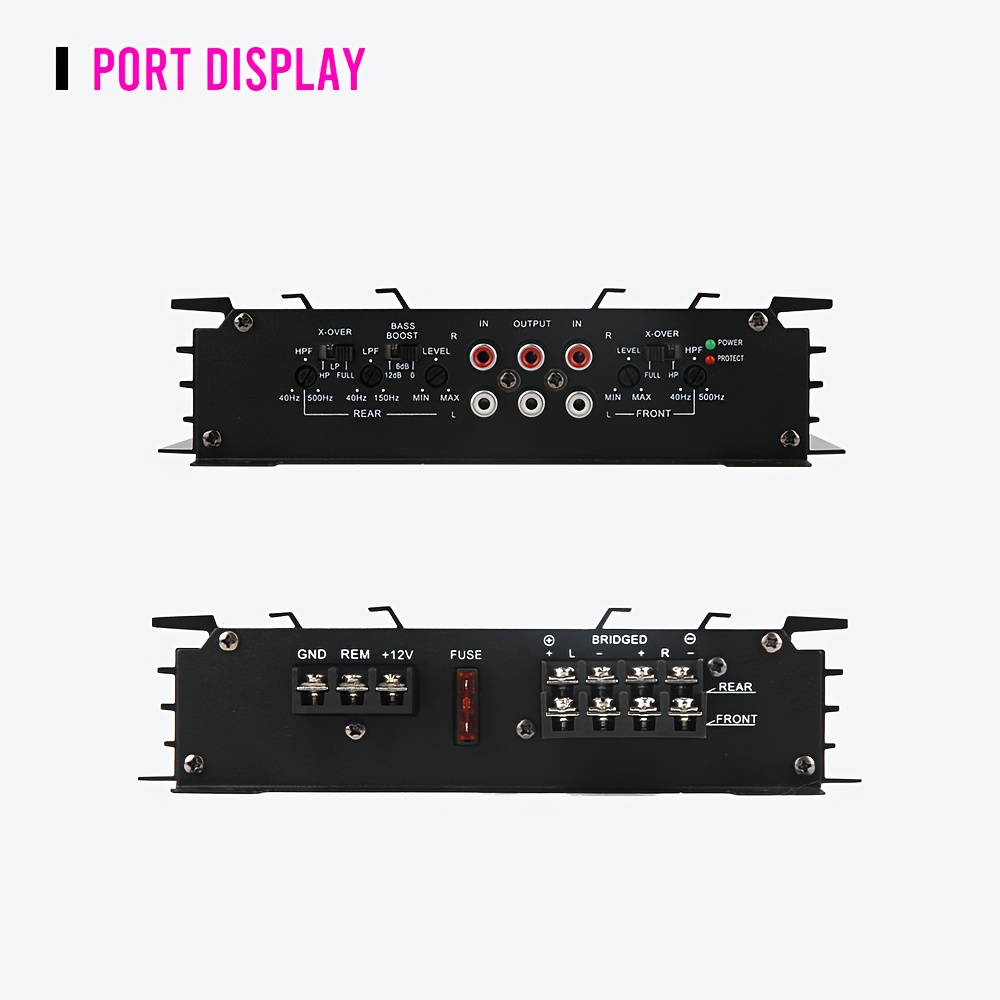
On most car amplifiers, the REM terminal is clearly labeled and usually found near the power input connections. It’s often a small metal tab or screw terminal marked as “REM” or “Remote.”
Connecting the REM wire to this terminal is straightforward but critical. Make sure the connection is secure; a loose REM wire can cause your amp to cut out unexpectedly while driving.
How Rem Wire Works
The REM wire carries a low voltage signal (usually 12 volts) from the stereo to the amplifier. When you turn on your car stereo, it sends this voltage through the REM wire, telling the amp to power up.
Once you switch off the stereo, the voltage stops, and the amplifier shuts down. This simple on/off signal keeps your system from running unnecessarily and helps protect your car’s battery.
Have you ever wondered why your amp stays on even when your stereo is off? It’s often because the REM wire isn’t connected properly or there’s a fault in the wiring. Checking this connection first can save you time and frustration.
Credit: www.temu.com
Types Of Rem Wire Connections
The REM wire plays a vital role in car amplifier setups. It signals the amplifier to turn on and off with the car’s audio system. Different types of REM wire connections offer various ways to trigger the amplifier. These methods affect how reliable and convenient the system is. Understanding each type helps in choosing the right setup for your car audio.
Using Head Unit Rem Output
The most common REM wire connection comes from the head unit. This output sends a small voltage signal to the amplifier. When the head unit powers on, it activates the REM wire. The amplifier receives this signal and turns on automatically. This method is simple and works well with most factory or aftermarket stereos.
It avoids extra wiring and reduces setup time. The head unit controls the amplifier’s power, preventing battery drain. This connection is perfect for basic car audio systems.
Alternative Trigger Sources
Sometimes, the head unit does not have a REM output. In such cases, alternative trigger sources can power the amplifier. These sources include:
- Power antenna lead
- Illumination wire
- Accessory power line
Each source sends a voltage signal to the REM wire. The amplifier turns on when the chosen trigger activates. This method offers flexibility for unique or older car audio setups.
Choosing the right source depends on your vehicle’s wiring and your audio needs.
Remote Turn-on Relay
The remote turn-on relay is a more advanced REM wire connection. It uses a relay switch to control the amplifier’s power. The relay gets a small signal from the ignition or another power source. It then allows a larger current to flow to the amplifier.
This setup protects the car’s electrical system. It prevents amplifier damage from power surges. The relay also ensures the amplifier only runs when the car is on.
This connection suits high-power audio systems and custom installations. It offers more control and safety compared to direct REM connections.
Installing Rem Wire
Installing the REM wire is a key part of setting up a car amplifier. This wire acts as a remote turn-on signal that powers the amplifier on and off with the car stereo. Correct installation ensures the amplifier runs smoothly and protects your system from damage.
Tools Needed
- Wire stripper and cutter
- Crimping tool or soldering iron
- Electrical tape or heat shrink tubing
- Multimeter for testing connections
- Screwdrivers (Phillips and flathead)
- Zip ties to secure wires
Step-by-step Wiring
- Locate the remote turn-on wire on your car stereo harness.
- Strip about half an inch of insulation from the REM wire.
- Connect the REM wire from the stereo to the amplifier’s remote terminal.
- Secure the connection by crimping or soldering.
- Cover the connection with electrical tape or heat shrink tubing.
- Route the REM wire along the amplifier power cable, avoiding moving parts.
- Use zip ties to keep the wire neat and secure.
- Test the connection by turning the stereo on and off.
Common Installation Mistakes
- Connecting the REM wire to a constant power source instead of the remote output.
- Using wires that are too thin, causing voltage drops.
- Poor or loose connections leading to amplifier power failure.
- Not insulating connections, which can cause shorts.
- Routing the REM wire near high-current cables causing interference.
- Failing to test the wire before completing the installation.
Troubleshooting Rem Wire Issues
Troubleshooting REM wire issues on your car amplifier can save you from frustrating sound problems. The REM wire controls when your amplifier powers on and off, so any faults here directly affect your audio experience. Let’s look at some common issues and how you can fix them quickly.
No Power To Amplifier
If your amplifier isn’t turning on, the REM wire might not be supplying power. First, check if the REM wire is properly connected to the head unit’s remote turn-on lead. A loose or disconnected wire is often the culprit.
Use a multimeter to test for 12 volts on the REM wire when the stereo is on. No voltage means the wire or its connection is faulty. Sometimes, the fuse on the REM wire can blow, so inspect and replace it if necessary.
Amplifier Not Turning Off
Has your amp stayed on even after turning off the car? This usually happens when the REM wire receives constant power. Check if the REM wire is connected to a constant 12V source instead of the remote turn-on output.
Another cause might be a sticky relay inside the amplifier or a short in the REM wire causing it to stay energized. Try disconnecting the REM wire—if the amp turns off, you’ve found the issue. Fixing the wiring or replacing the relay will solve the problem.
Intermittent Signal Problems
Sometimes, the amplifier cuts in and out during use. This intermittent issue often points to a loose or damaged REM wire. Inspect the entire length of the wire for breaks or corrosion.
Also, ensure the wire’s gauge is appropriate; too thin a wire can cause voltage drops. Tighten all connections and consider replacing the REM wire if the problem persists. Have you checked your wire insulation for hidden damage that could cause shorts?
Enhancing System Performance
Enhancing system performance in a car audio setup often depends on how well the REM wire is used. The REM wire sends a low voltage signal to power the amplifier only when the head unit is on. This simple control avoids battery drain and helps the amplifier work efficiently. Proper use of the REM wire can improve sound quality and system reliability.
Using Rem Wire With Multiple Amplifiers
In systems with several amplifiers, the REM wire must handle more load. Running a single REM wire to all amplifiers can cause voltage drops. This drop may lead to poor amplifier performance or failure to turn on. Use a relay or a distribution block to split the REM signal safely. This ensures each amplifier receives enough power to start correctly. Keeping wire lengths short helps maintain voltage strength.
Integrating With Remote Bass Control
The REM wire can work with remote bass controls to add convenience. A remote bass knob connects to the amplifier and uses the REM wire for power. This setup lets users adjust bass levels without changing the head unit settings. It adds flexibility and improves the listening experience. The remote bass control also turns off with the head unit, preventing extra power use.
Upgrading Rem Wire For Reliability
Standard REM wires are often thin and prone to damage. Upgrading to a thicker gauge wire improves durability and power delivery. Use high-quality insulation to protect the wire from heat and abrasion. Secure the wire properly to avoid loose connections that cause noise or power loss. Reliable REM wiring helps maintain stable amplifier operation over time.

Credit: www.ebay.ca

Credit: www.amazon.ca
Frequently Asked Questions
What Does Rem Mean On A Car Amplifier?
REM stands for remote turn-on wire. It signals the amplifier to power on when the car stereo is on. This wire ensures the amp only draws power when needed, preventing battery drain and protecting the electrical system.
Why Is Rem Wire Important For Car Amplifiers?
The REM wire controls the amplifier’s power state. Without it, the amplifier may stay on constantly, draining the car battery. It ensures the amp activates only when the stereo plays music, improving safety and efficiency.
How To Connect Rem Wire On A Car Amplifier?
Connect the REM wire from the amplifier to the stereo’s remote turn-on lead. Usually, it’s a thin blue wire. Secure the connection properly to ensure the amplifier powers on and off with the stereo.
Can A Car Amplifier Work Without Rem Wire?
Some amplifiers may work without a REM wire but often stay powered on. This risks battery drain and possible damage. Using the REM wire is best practice for safe and efficient amplifier operation.
Conclusion
Understanding the REM feature on a car amplifier is crucial. It helps manage power effectively and prevents battery drain. This feature turns the amplifier on and off with the car. It ensures efficient energy use and prolongs the amplifier’s lifespan.
Always check your setup to make sure it’s connected correctly. This simple step can save you from potential issues. Clear understanding leads to better sound experiences. So, take a moment to explore your car audio system. Enjoy the enhanced audio quality that a proper setup provides.