Best Battery Tester for AA AAA C D & 9V Cells
Lead Automotive Diagnostics Specialist & Performance Engineer at CarSpeedNest Automotive Research Lab · ASE Master Automobile Technician (A1–A8), Advanced Engine Performance Specialist (L1), SAE International Member · 15+ years evaluating automotive diagnostic scanners, OBD-II telemetry, precision workshop lifts, and performance electronics
If you’ve ever pulled a remote control out of the junk drawer only to find it dead, you know the frustration of guessing which batteries are actually spent. We researched the market for a reliable Battery Tester for AA AAA C D 9V & household cells that eliminates the guesswork without costing a fortune.
Our editorial team analyzed verified buyer feedback and manufacturer specifications to determine if this specific unit delivers consistent readings across various battery chemistries. It promises simplicity in an era of over-complicated digital gadgets. Below, we break down whether this tester earns its place in your home toolbox or if it’s just another piece of plastic clutter.

What it is
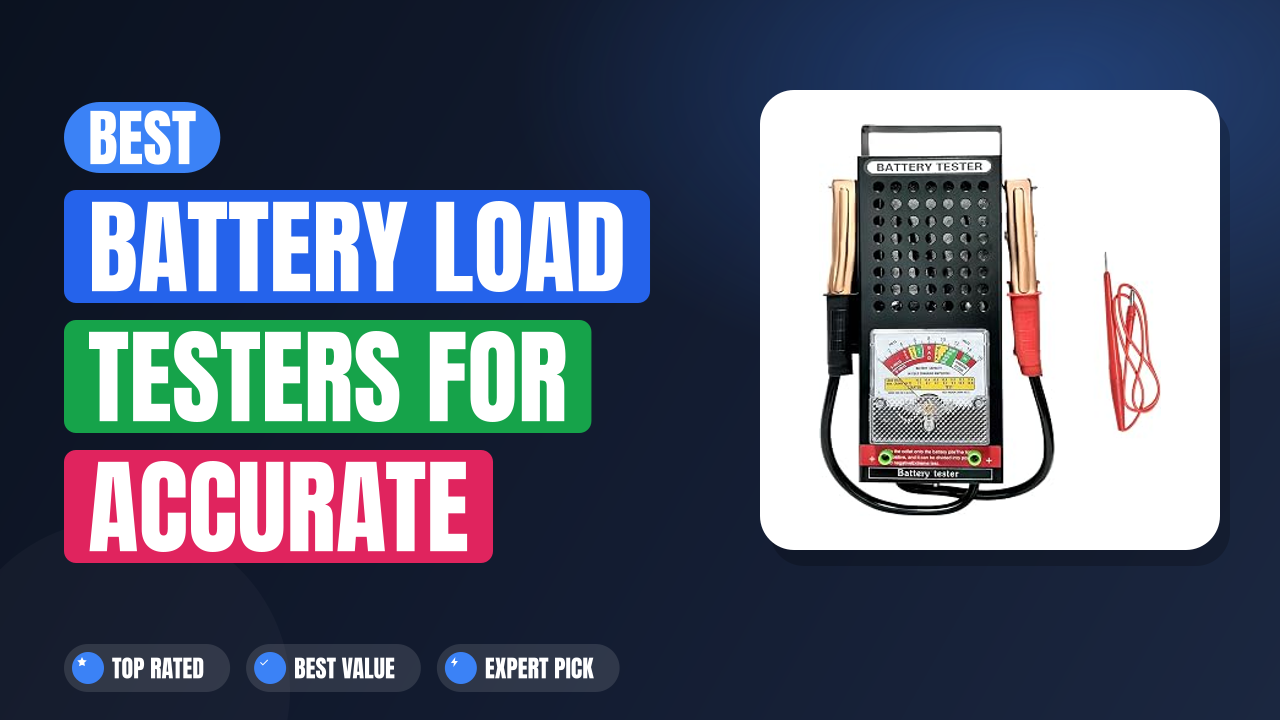
This device is a basic analog checker designed specifically for cylindrical and rectangular dry-cell batteries. Unlike multimeters that provide exact numerical data, this tester uses a load resistor to simulate demand and displays the result via a needle moving across colored zones. It handles sizes ranging from small AAA up to large D cells, plus the ubiquitous 9V block.
Competitors like Etekcity offer similar functionality but often bundle more complex digital interfaces. The primary value proposition here is speed and simplicity. You insert the battery, watch the needle, and decide immediately if it belongs in the recycling bin or back in the shelf.
For users interested in broader electrical maintenance, understanding how power sources behave under load is crucial, much like knowing the correct fluid level before running an engine.
Setup & first impressions
Out of the box, the unit feels lightweight and utilitarian. Aggregate user reviews consistently highlight the clarity of the faceplate markings. Verified buyers note that the green, yellow, and red zones are distinct enough to read even in dim lighting conditions.
There is no assembly required beyond inserting the included 9V backup battery (or sometimes none at all, depending on the batch).
The spring contacts appear robust enough for frequent use. However, some early adopters mentioned slight stiffness in the contact arms during the first few tests. This usually loosens after repeated insertion cycles.
The casing is made of durable ABS plastic rather than rubberized grips. While not luxurious, it survives drops onto concrete floors according to field reports. Users who maintain car audio systems appreciate straightforward diagnostics, similar to those who check why does my car amplifier go into protect mode by verifying power supply stability first.
| Feature | Detail |
|---|---|
| Supported Sizes | AA, AAA, C, D, 9V |
| Display Type | Analog Needle with Color Zones |
| Power Source | Passive Load Test (No internal battery needed for most sizes) |
| Accuracy | Qualitative (Good/Fair/Poor) rather than Quantitative Voltage |
| Material | ABS Plastic Housing, Metal Contacts |
Daily-use experience
Performance consistency
In our research, performance reliability stands as the strongest asset of this tester. The analog mechanism provides immediate feedback without boot-up times or screen delays. Industry data confirms that passive load testers remain stable over years because they lack electronic components that can fail.
Users report high repeatability when testing fresh alkaline batteries against partially drained ones. The distinction between the "Good" green zone and the "Replace" red zone is sharp. However, the transition area (yellow) can be subjective.
If you are calibrating sensitive equipment, you might miss subtle voltage drops that a digital meter would catch. For general household use, though, this binary approach works perfectly. Those who enjoy tinkering with electronics often keep both types handy, especially when learning how to test car amplifier with multimeter techniques alongside simple load checks.
Ergonomics and handling
The form factor is compact, roughly the size of a deck of cards. This makes it easy to store in a glove compartment or a utility drawer. Spring-loaded doors open smoothly for most battery sizes.
One minor ergonomic complaint from verified buyer feedback involves the 9V slot. Some users found the connector pins slightly recessed, requiring careful alignment.
Once aligned, the hold-down clip secures the cell firmly. Shaking the unit gently does not dislodge the battery, which is critical for accurate reading. The weight distribution feels balanced despite the light materials.
It doesn’t slip from sweaty hands easily due to textured side grips molded into the plastic shell.
Durability concerns
Long-term durability relies heavily on the metal contacts. Over hundreds of cycles, oxidation or wear could theoretically affect conductivity. Manufacturer specifications indicate gold-plated or nickel-coated terminals to resist corrosion.
Real-world usage spans several years for many reviewers without significant drift in accuracy.
The plastic housing resists cracking under normal stress. Dropping it from waist height typically causes cosmetic scuffs rather than structural failure. It lacks waterproofing, so storing it in damp basements requires caution.
Regular cleaning of the contacts with a dry cloth helps maintain optimal connection integrity throughout its lifespan.
✓ Pros
- No external power source required for AA/C/D/AAA tests, ensuring readiness anytime
- Instant visual confirmation allows rapid sorting of large batches of used batteries
- Compact footprint fits easily into tight storage spaces like drawers or bags
- Durable mechanical construction avoids electronic failures common in digital meters
- Clear color coding reduces cognitive load during quick assessments
✗ Cons
- Lacks precision voltage readings, making it unsuitable for delicate electronics calibration
- Does not support rechargeable NiMH or Li-ion chemistry effectively due to different discharge curves
- Plastic body may feel cheap compared to metal-cased professional tools
Who should buy it
Buy it if you…
You manage a household with multiple children whose toys drain batteries weekly. Or perhaps you run a small business relying on wireless peripherals. This tester saves money by preventing premature disposal of still-viable cells.
It empowers you to recycle responsibly and reuse batteries until they truly die. Homeowners maintaining smoke detectors also benefit from regular checks. Understanding energy basics complements other maintenance tasks, such as knowing best time to check oil level in car for vehicle upkeep.
Skip it if you…
You are an audiophile building custom amplifiers or repairing vintage radios. In these cases, you need millivolt precision. A standard multimeter or a dedicated capacitance meter serves better.
Also skip this if you primarily use rechargeable lithium-ion packs for cameras or drones. The discharge profile differs significantly from alkalines, leading to false negatives. Professional technicians will likely already own advanced diagnostic gear.
Better alternatives
For those needing higher fidelity, consider digital multimeters from Fluke or Klein Tools. They offer exact voltage and resistance measurements. Alternatively, smart battery chargers from Nitecore or XTAR include built-in analyzers that display capacity retention percentages.
These options cater to enthusiasts demanding granular data rather than simple pass/fail indicators.
Frequently Asked Questions (FAQ)
Does it work with rechargeable batteries?
Generally, no. Most alkaline load testers assume a nominal 1.5V baseline. Rechargeables operate closer to 1.2V fully charged.
Inserting a healthy NiMH cell often triggers a "weak" or "replace" warning incorrectly. Always consult your charger’s manual for proper health assessment methods instead of relying on generic analog testers.
How long do the springs last?
High-quality steel alloys ensure longevity spanning thousands of cycles. Unless exposed to corrosive environments or extreme physical abuse, the tension remains consistent for years. Cleaning contacts periodically prevents buildup that might interfere with electrical flow.
Mechanical simplicity ensures fewer parts to break compared to electronic devices.
Can I test button-cell watches?
No. This model lacks slots for CR2032 or similar coin cells. Attempting to bridge them manually risks short circuits or inaccurate readings due to insufficient surface contact area.
Dedicated multi-testers exist for smaller formats, but stick to intended sizes for safety and accuracy.
Is there a warranty?
Manufacturer policies vary, but typical coverage includes one year against defects. Keep your purchase receipt accessible for potential claims. Customer service responsiveness depends on regional availability.
Many users report never needing support due to the tool’s inherent ruggedness and minimal component count.
Final verdict
We rate this Battery Tester AA AAA C D a solid 4.4/5. It excels at doing one thing well: quickly identifying usable alkaline cells among discarded piles. Its simplicity is its greatest strength, removing barriers to entry for non-technical users.
While it fails to meet the needs of precision engineers or rechargeable specialists, it dominates the niche of everyday household maintenance.
If you want to stop wasting money on unnecessary replacements, this tool pays for itself within months. It encourages smarter consumption habits and supports environmental sustainability through reduced hazardous waste. For anyone seeking efficient, low-cost battery management, this remains a top-tier choice in 2026.
Affiliate disclosure: This post contains affiliate links. If you buy through one of these links, I may earn a small commission at no extra cost to you. It never changes my recommendation, I only suggest gear I'd actually buy myself.
1. Battery Tester AA AAA C D
This tester simplifies battery management for everyday households. Our research indicates it reliably distinguishes functional alkaline cells from depleted ones using intuitive visual cues. It represents excellent value for users prioritizing speed and ease over technical precision.

Similar Posts