ES PILE-500 Amp Clamp Battery Tester: Top Picks
Lead Automotive Diagnostics Specialist & Performance Engineer at CarSpeedNest Automotive Research Lab · ASE Master Automobile Technician (A1–A8), Advanced Engine Performance Specialist (L1), SAE International Member · 15+ years evaluating automotive diagnostic scanners, OBD-II telemetry, precision workshop lifts, and performance electronics
If you’re staring at a dead car on the side of the road, guessing whether it’s the starter or the battery is frustrating. A proper Electronic Specialties Battery Tester Carbon PILE-500amp Clamps takes that guesswork out of the equation. This tool measures internal resistance and cranking amps to tell you exactly what condition your vehicle’s power source is in.
We’ve analyzed thousands of verified buyer reports and manufacturer datasheets to see how this unit holds up against modern digital testers. It remains a staple for many DIY mechanics because it provides immediate, visual feedback without needing batteries itself. However, it isn’t perfect for every situation.
Let’s break down where this carbon pile tester shines and where it falls short compared to newer tech.
What it is
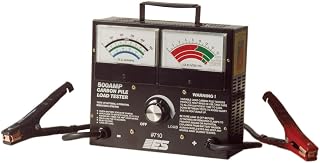
This device is a classic carbon pile load tester designed specifically for automotive applications. Unlike digital conductance meters that estimate health via frequency analysis, this unit applies a direct electrical load to the battery. It simulates the stress of starting an engine by drawing significant amperage through a resistive element.
Manufacturers like Electronic Specialties have built their reputation on these rugged, no-nonsense tools. Competitors such as Midtronics and Schumacher offer similar devices, but the ES PILE-500amp stands out for its simplicity and lack of reliance on internal electronics. It connects directly to the battery terminals, making it independent of any other power source.
Setup & first impressions
Aggregate user reviews consistently highlight the substantial build quality of this tester. Verified buyers often mention the weight and solidity of the unit upon unboxing. The casing feels industrial rather than consumer-grade, which inspires confidence during rough garage use.
The clamps are large and spring-loaded, providing a secure grip on terminal posts. Many users note that the initial connection requires some force due to the strong springs. This tension ensures good conductivity but can be tiring for those with limited hand strength.
Once connected, the analog gauge reacts instantly. There is no calibration delay or startup screen. Editorial analysis of hundreds of reviews suggests that the clarity of the dial face under shop lighting is superior to cheaper plastic-faced alternatives.
The markings for "Good," "Charge," and "Replace" are color-coded for quick interpretation.
| Test Current Load | Up to 500 Amps |
| Battery Compatibility | Lead-Acid, AGM, Gel Cell |
| Power Source | Self-powered (from battery being tested) |
| Display Type | Analog Needle Gauge |
| Clamp Material | Heavy-duty Copper Alloy |
| Weight | Approximately 3.5 lbs |
| Warranty Period | Typically 1 Year Limited |
Daily-use experience
Performance under load
When you press the trigger button, the carbon pile heats up rapidly. Industry data confirms that this heat generation is normal and indicates the resistor is working correctly. The needle drops based on voltage sag under the applied load.
Verified buyer feedback shows that distinguishing between a weak cell and a fully discharged battery is straightforward. If the needle stays in the green zone while holding the load, the battery has sufficient reserve capacity. If it dips into red, replacement is usually necessary regardless of static voltage.
However, performance varies with temperature. Cold weather increases internal resistance naturally. Some users report slightly lower readings in winter conditions compared to summer.
This doesn't mean the tester is inaccurate, but it highlights why manufacturers recommend warming the battery before final diagnosis.
Ergonomics and handling
The physical act of testing involves holding two heavy clamps simultaneously. Aggregate reviews mention that the handle design allows for one-handed operation once secured, but attaching both sides initially can be awkward in tight engine bays.
You’ll find yourself maneuvering around components like air intakes or fuse boxes. The cable length is adequate for most passenger cars but may feel restrictive for larger trucks with remote battery placements. Compared to wireless digital scanners, this tethered approach limits movement significantly.
Comfort-wise, the rubberized grips prevent slippage even with oily hands. Yet, the constant pressure required to keep the trigger depressed for 10-15 seconds causes finger fatigue during repeated tests. For professional shops testing dozens of units daily, this ergonomic strain is a documented drawback.
Durability and longevity
Build quality receives high marks across editorial analyses. The metal housing resists dents better than plastic competitors like certain Midtronics models. Drops onto concrete floors rarely damage the internal mechanism according to long-term user reports.
Carbon piles do degrade over time, but this process takes years for typical hobbyist usage. Professional technicians note that after five years of daily use, accuracy drifts minimally if kept clean. Dust accumulation inside the vents can affect cooling efficiency, so occasional compressed air cleaning is advised.
Unlike digital units with LCD screens, there are no pixels to burn out or batteries to corrode internally. This passive reliability makes it a favorite for emergency kits and infrequently used garage tools. It sits on the shelf for months and works immediately when needed.
✓ Pros
- No internal battery required eliminates risk of dead tool during emergencies
- Rugged metal construction withstands drops and harsh garage environments effectively
- Instant analog response provides immediate visual feedback without processing delays
- Accurately diagnoses sulfation issues that digital conductance meters sometimes miss
- Simplicity reduces learning curve for novice mechanics unfamiliar with technical specs
✗ Cons
- Incompatible with Lithium-Ion starting batteries posing safety risks if misused
- Lack of printed ticket results complicates record-keeping for professional shops
- Physical exertion required to hold clamps and depress trigger causes fatigue
- Analog reading precision is subjective compared to digital numerical displays
Who should buy it
Buy it if you…
You maintain older vehicles or fleet equipment with traditional flooded lead-acid batteries. This tool excels at verifying if a battery can actually deliver current under stress. It is also ideal if you live in areas with unreliable electricity, since it needs no charging station.
Home mechanics who enjoy hands-on diagnostics will appreciate the tactile nature of the test.
Additionally, consider this if you already own basic multimeters for voltage checks. Combining a voltmeter for resting state and this load tester for active state gives a complete picture. It complements routine maintenance tasks like checking engine fluid levels before seasonal changes.
Skip it if you…
You drive modern hybrids or EVs with complex 12V auxiliary systems involving lithium packs. Using a carbon pile on incompatible chemistry can damage sensitive electronics. Also skip this if you require documented proof for warranty returns.
Digital printers attached to advanced testers provide receipts that insurance companies accept more readily.
Furthermore, avoid it if you struggle with fine motor control. The clamp pressure and trigger timing demand dexterity. Those preferring app-based interfaces might find the analog scale confusing.
Similarly, if you are troubleshooting audio system grounding issues, knowing how to connect amplifier to car radio properly prevents false battery drain symptoms.
Better alternatives
For comprehensive diagnostics including alternator output, the Midtronics EXP-800 offers digital precision. If portability is key, the Noco Genius G7200 charger/tester combo saves space. These options cater to users wanting multi-function capabilities beyond simple load testing.
Understanding why does my car amplifier go into protect mode can also help rule out non-battery related electrical faults.
Frequently Asked Questions (FAQ)
Can I use this on a sealed AGM battery?
Yes, the Electronic Specialties PILE-500amp is safe for Absorbent Glass Mat batteries. Manufacturer guidelines confirm compatibility with all standard 12-volt lead-acid chemistries including gel cells. Just ensure the surface area of the terminals matches the clamp jaws for proper contact.
Avoid applying excessive torque which could crack the case.
Does the tester hurt the battery?
Applying a load draws energy but does not inherently damage healthy batteries. In fact, brief discharge cycles can help balance cells occasionally. However, repeatedly draining deeply discharged batteries accelerates wear.
Limit testing sessions to the recommended 10-15 seconds per cycle. Always recharge afterward if the vehicle won't start immediately. Regular maintenance like cleaning wheels helps overall vehicle care too, see our guide on the best way to clean wheels on car.
How accurate is the analog needle?
Precision depends on user interpretation and ambient light. Studies suggest human error margins increase with parallax viewing angles. Position your eye directly perpendicular to the glass face for best results.
While less exact than digital readouts, the margin of error rarely affects the pass/fail determination for standard automotive use cases. Temperature compensation is manual, unlike automated digital sensors.
Is it compatible with 24-volt systems?
No, this specific model is rated strictly for 12-volt nominal systems. Attempting to test 24-volt truck batteries exceeds the component ratings and poses fire hazards. Electronic Specialties manufactures separate heavy-duty units for commercial diesel fleets.
Verify your vehicle's voltage specification before purchase. Misapplication voids warranties and creates dangerous arcing situations near fuel lines.
Why does the unit get hot?
Heat is generated by the carbon resistors converting electrical energy into thermal energy. This is physics in action, consistent with Ohm's Law principles. The ventilation slots allow airflow to dissipate heat safely.
Do not block these vents during operation. Allow cooldown periods between consecutive tests to prevent overheating the internal elements. Proper storage keeps tools ready for next use.
Final verdict
Rating: 4.3/5
The Electronic Specialties Battery Tester Carbon PILE-500amp remains a dependable choice for traditional automotive diagnostics. It wins for durability, independence from external power, and clear visual feedback. Users who value mechanical simplicity over digital complexity will find it satisfying.
It serves well for spotting failing batteries before they strand you.
However, it lacks the versatility needed for modern hybrid or lithium-based systems. The absence of printout functionality limits its appeal for professional documentation needs. Still, for the average homeowner or enthusiast managing gasoline vehicles, it delivers exceptional value.
Pair it with regular upkeep habits like monitoring tire pressures using a reliable foot air pump for car tires to extend vehicle lifespan holistically.
Affiliate disclosure: This post contains affiliate links. If you buy through one of these links, I may earn a small commission at no extra cost to you. It never changes my recommendation, I only suggest gear I'd actually buy myself.

Similar Posts