How to Hook Up a Car Stereo to Ac Power: Easy Step-by-Step Guide
Are you looking to power your car stereo using AC power but don’t know where to start? Connecting your car stereo to a home power source might seem tricky, but it’s easier than you think.
Imagine enjoying your favorite tunes from your car stereo anywhere, even indoors, without draining your car battery. In this guide, you’ll discover simple, step-by-step instructions to safely hook up your car stereo to AC power. Keep reading, and by the end, you’ll have the confidence to set it up yourself and enjoy quality sound anytime you want.
Tools And Materials Needed
Before you start hooking up your car stereo to AC power, gathering the right tools and materials is crucial. Having everything ready will make the process smoother and safer. Missing just one essential item can cause delays or even damage your equipment.
Essential Tools
- Multimeter:Check voltage and continuity to avoid wiring mistakes.
- Screwdrivers:Both Phillips and flat-head types are needed to open panels and secure connections.
- Wire Strippers:Clean wire ends ensure good electrical contact.
- Soldering Iron or Crimping Tool:Decide how you’ll join wires—soldering offers durability, while crimping is quicker.
- Electrical Tape or Heat Shrink Tubing:Protect connections from short circuits and wear.
- Drill (optional):Sometimes needed for mounting the stereo or securing cables.
When I first tried this setup, not having a multimeter caused me to guess wire polarity, which led to a frustrating trial-and-error process. Do you want to risk frying your stereo or wasting hours troubleshooting? Invest in these basic tools—they pay off quickly.
Required Materials
- AC to DC Power Converter:Converts household AC power to the DC voltage your car stereo needs.
- Power Supply Cables:Make sure they are rated for the current your stereo draws.
- Ground Wire:Provides a safe return path and reduces electrical noise.
- Fuse or Circuit Breaker:Protects your stereo and power source from overloads and short circuits.
- Connectors and Terminals:Use reliable connectors for secure and stable wiring.
Choosing the right power converter is not just about matching voltage—it’s about current capacity too. Underestimating this can cause your stereo to underperform or damage the power supply. Have you checked your stereo’s manual for the exact power requirements?
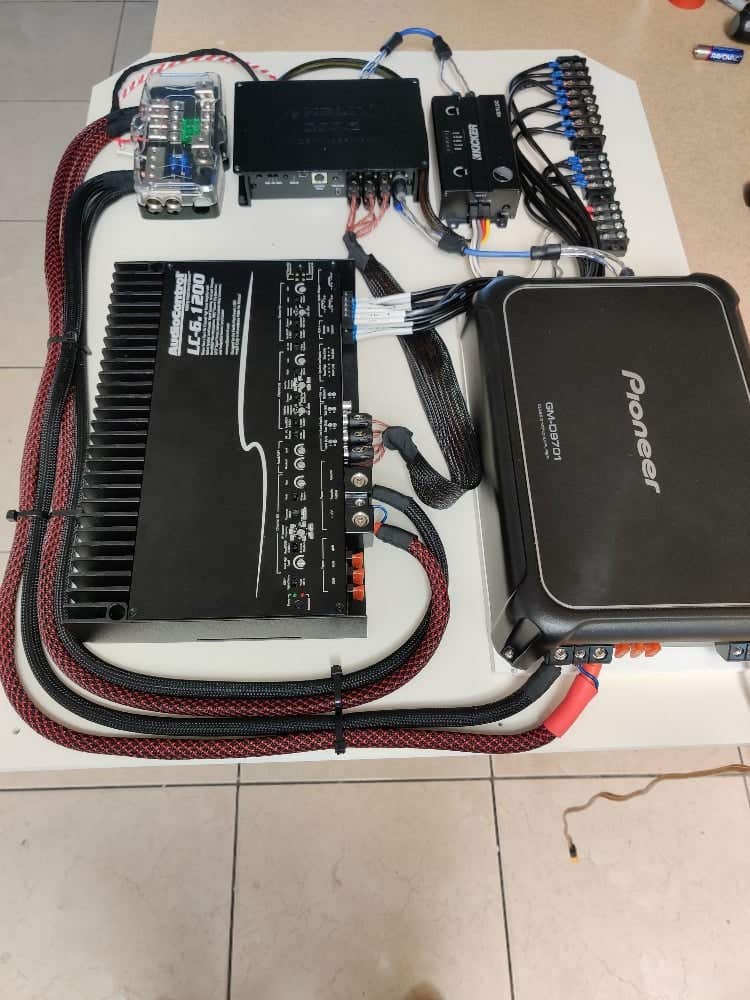
Credit: www.diymobileaudio.com
Safety Precautions
Working with AC power to hook up a car stereo requires careful safety steps. Electrical currents can cause shocks, fires, or damage to your equipment. Taking the right precautions protects you and your gear. Always stay alert and follow safety rules closely.
Handling Electrical Components
Always disconnect power before touching wires or parts. Use tools with insulated handles to avoid shocks. Avoid wearing metal rings, watches, or bracelets near wires. Work in a dry area to prevent electric slips. Keep wires organized and check for damaged insulation.
Avoiding Common Hazards
- Never touch exposed wires while power is on.
- Do not overload outlets or extension cords.
- Use a fuse or circuit breaker for protection.
- Keep flammable materials away from wiring.
- Test connections with a voltage meter before final use.
Understanding Car Stereo Power Requirements
Understanding the power requirements of a car stereo is essential before connecting it to AC power. Car stereos are designed to run on specific voltage and current levels. Supplying the wrong power can damage the stereo or cause it to malfunction. Knowing these requirements helps ensure safe and proper operation outside of a vehicle.
Voltage And Current Specifications
Most car stereos operate on 12 volts DC. This voltage matches the car battery output. The current needed varies by model and features. Typical current ranges from 5 to 15 amps. Check the stereo’s label or manual for exact numbers.
Supplying a higher voltage can burn the stereo’s circuits. Too little voltage can cause poor performance or no power. The current supply must meet or exceed the stereo’s demand. An insufficient current can cause the stereo to shut off or reset.
Ac Vs Dc Power
Car stereos require DC (direct current) power. Household outlets provide AC (alternating current) power. AC power alternates direction and changes voltage over time. DC power flows in one direction with a constant voltage.
Connecting a car stereo directly to AC power will damage it. You need a power converter or adapter. This device changes AC to the correct 12V DC output. It also ensures the current is steady and safe for the stereo.
Choosing The Right Power Supply
Choosing the right power supply is essential for connecting a car stereo to AC power. The car stereo needs a stable and suitable power source to work properly. Picking the wrong power supply can damage the stereo or cause it to perform poorly. Focus on two key factors: the type of adapter and the power rating. These ensure safe and efficient operation.
Selecting An Ac To Dc Adapter
Car stereos use DC power, usually 12 volts. Household power is AC, so an adapter is needed. The AC to DC adapter changes the wall outlet power to the right voltage and current. Choose an adapter designed for car electronics. It should have a 12V output and a stable voltage supply.
Look for adapters with good build quality and safety features. Over-voltage and short-circuit protection help prevent damage. The adapter’s plug should match the stereo’s power input. A wrong plug can cause connection issues or shorts.
Power Rating And Compatibility
Check the car stereo’s power needs before selecting an adapter. The power rating includes voltage (V) and current (A). The voltage must be exactly 12V for most car stereos. The adapter’s current rating should be equal or higher than the stereo’s requirement.
For example, if the stereo needs 2 amps, pick an adapter rated at 2A or more. A lower rating can cause the adapter to overheat or fail. A much higher rating is okay but does not speed up or improve performance. It just means the adapter can supply enough power safely.
Preparing The Car Stereo
Preparing the car stereo is essential before connecting it to AC power. This step ensures safety and proper function. Taking time to understand the wiring and safety measures prevents damage and accidents.
Identifying Power Input Wires
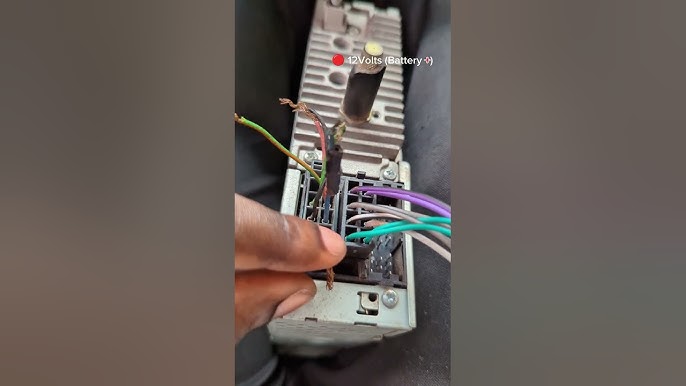
Locate the power input wires on the car stereo. Most stereos have three main power wires:
- Red:Ignition or accessory power
- Yellow:Constant 12V power
- Black:Ground wire
Check the stereo manual to confirm wire colors and functions. Use a multimeter to test each wire’s voltage. This step avoids confusion during connection to AC power.
Disconnecting The Battery
Always disconnect the car battery before working on the stereo. This prevents electrical shock and short circuits. Use a wrench to remove the negative terminal first. Then remove the positive terminal.
Keep the battery disconnected until all wiring is complete. This protects both the stereo and the vehicle’s electrical system. Safety first.
Connecting The Power Supply
Connecting the power supply is a key step in hooking up a car stereo to AC power. It makes sure the stereo gets the right energy to work safely. This process involves linking the adapter to the stereo and making solid connections. Clear and secure wiring keeps the stereo running without issues.
Wiring The Adapter To The Stereo
Start by matching the adapter wires to the stereo wires. Usually, the adapter has a positive (red) and a negative (black) wire. The stereo will have similar wires. Connect red to red and black to black for proper power flow.
Use wire strippers to remove a small part of the insulation. This exposes the metal inside for a good connection. Twist the wires together firmly to avoid loose contact. Check the stereo manual for any special wiring instructions.
Securing Connections
Once wires are twisted, secure them with electrical tape or wire connectors. This keeps wires from pulling apart. Wrap tape tightly around the connection points. Avoid leaving any exposed wire that can cause shorts.
For extra safety, use heat shrink tubing. Slide it over the connection before twisting wires. After joining wires, slide the tubing over and shrink it with a heat source. This protects connections from moisture and damage.
Testing The Setup
Testing your car stereo setup after hooking it up to AC power is essential. It confirms that your connections are correct and that the stereo functions properly outside of the vehicle. This step saves you time and frustration before final installation.
Powering On The Stereo
First, check all your wiring connections one more time. Make sure your AC adapter matches the stereo’s voltage and amperage requirements.
Once confident, plug in the AC power and turn on the stereo. Watch for any lights or sounds indicating the unit is receiving power. If it powers on, try adjusting the volume and switching between modes like radio, CD, or auxiliary input.
Does the display light up clearly? Are the buttons responsive? These quick checks tell you if the stereo is ready for use or needs further adjustment.
Troubleshooting Common Issues
If the stereo doesn’t power on, start by inspecting your power source. Is the AC adapter properly plugged in? Is the outlet supplying power? Try a different outlet if unsure.
Loose or incorrect wiring can cause no power or erratic behavior. Double-check that the positive and negative wires connect correctly to the stereo terminals.
Strange noises or distorted audio? Look at your speaker connections and wiring integrity. Sometimes, poor grounding or interference from other devices can cause issues.
- Ensure the AC adapter matches the stereo’s specifications exactly.
- Verify all connections are secure and correctly oriented.
- Test with a different power source if problems persist.
- Consult the stereo’s manual for error indicators or reset procedures.
Testing your setup thoroughly gives you confidence that your stereo will perform well once installed. What unexpected challenges have you faced when powering electronics outside their usual environment?

Credit: www.youtube.com
Tips For Optimal Performance
Getting the most out of your car stereo hooked up to AC power means paying attention to a few key details. Small adjustments can make a big difference in sound quality and device longevity. Here are practical tips to keep your setup running smoothly and sounding great.
Maintaining Stable Power
Stable power is the backbone of optimal stereo performance. Fluctuating voltage can cause your stereo to cut out or even damage internal components.
Use a reliable power supply with a consistent output voltage matching your stereo’s requirements. Avoid cheap adapters—they often deliver unstable power that leads to audio distortion or unexpected shutdowns.
Adding a surge protector can shield your stereo from sudden voltage spikes. Have you ever noticed static or buzzing during power surges? That’s a clear sign your setup needs better protection.
Avoiding Interference
Interference can ruin your listening experience by introducing unwanted noise or signal drops. Keep power cables and audio cables separate to minimize electromagnetic interference.
Twisting power wires together helps reduce the magnetic field that causes interference. Also, using shielded cables for audio connections prevents external signals from sneaking in.
Try to position your stereo and power source away from other electronics like routers or chargers. Even your phone can introduce noise if placed too close. Have you checked your setup for these silent disruptors?
Credit: forum.ih8mud.com
Frequently Asked Questions
How Do I Power A Car Stereo At Home?
To power a car stereo at home, use an AC to DC power converter. Connect the stereo’s power wires to the converter’s output. Ensure the converter’s output matches the stereo’s voltage and current requirements. This setup allows you to enjoy your car stereo using standard household electricity.
Can You Connect A Car Stereo Directly To The Wall?
No, you cannot connect a car stereo directly to the wall. Wall outlets supply AC power, while car stereos require DC power. Use an AC to DC power converter to safely connect the stereo. This converter transforms the household AC power into the necessary DC power for the stereo.
What Is Needed To Hook Up Car Stereo At Home?
To hook up a car stereo at home, you need an AC to DC power converter. Additionally, you’ll require speaker wires, speakers, and a wiring harness. Ensure all connections are secure and the converter’s output matches the stereo’s requirements. This setup allows for proper functioning of the stereo system.
How Many Watts Does A Car Stereo Need?
A typical car stereo needs about 10-30 watts per channel. However, this can vary depending on the stereo’s specifications. Always check the stereo’s manual for exact power requirements. This ensures you use the right power supply and avoid damaging the stereo or connected components.
Conclusion
Hooking up a car stereo to AC power is simple with the right steps. Always check your connections twice to avoid mistakes. Use proper tools and safety gear to protect yourself. This setup lets you enjoy car audio at home or work.
Take your time and follow instructions carefully. Soon, you will have clear sound without needing a car battery. Keep this guide handy for easy reference anytime. Enjoy your music with confidence and safety.