How to Hook Up Car Speakers to a Home Stereo: Easy Step-by-Step Guide
Master Automotive Systems Engineer & Performance Vehicle Specialist at CarSpeedNest Automotive Testing Lab · ASE Certified Master Technician, Mobile Electronics Certified Professional (MECP Master), Certified Dyno Diagnostic Specialist · 14+ years in dyno testing, electronic sensor calibration, automotive wiring harnesses, and precision drivetrain maintenance
Are you looking to get the powerful sound of car speakers right in your home? Connecting car speakers to your home stereo can bring a fresh, dynamic vibe to your music experience.
But how do you do it without damaging your equipment or losing sound quality? This guide will walk you through simple, clear steps to hook up your car speakers safely and effectively. By the end, you’ll know exactly what to do to enjoy deep bass and crisp highs from your home setup.
Ready to transform your sound system? Let’s dive in!
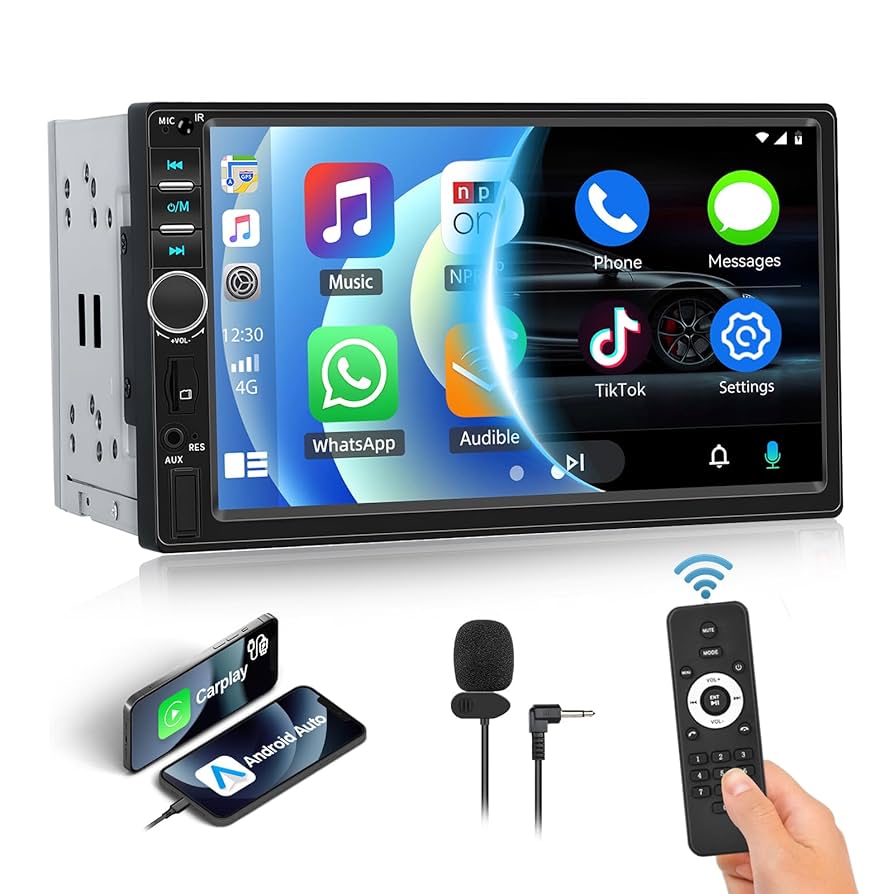
Credit: www.walmart.com
Choosing Compatible Speakers
Choosing the right speakers is key for great sound in your home stereo setup. Car speakers differ from home speakers in design and function. Understanding these differences helps pick speakers that work well with your system.
Power handling and impedance affect speaker performance and compatibility. Matching these specs ensures your system runs smoothly without damage or distortion.
Size and placement also impact sound quality. The right speaker size fits your space, while placement affects how sound fills the room. Consider these factors for the best audio experience.
Car Vs Home Speakers
Car speakers are built for small, enclosed spaces. They handle vibrations and road noise well. Home speakers suit larger, open rooms. They focus on clear, natural sound.
Car speakers often have higher power handling for short bursts. Home speakers deliver steady power for longer listening. Wiring and connectors also differ between the two types.
Using car speakers at home can work but may limit sound quality. Home speakers provide better bass and clarity for living spaces.
Power Handling And Impedance
Power handling shows how much power a speaker can manage safely. Choose speakers with power ratings close to your stereo’s output. Too little power can cause distortion or damage.
Impedance is the resistance to electrical flow, measured in ohms. Most home stereos support 8-ohm speakers. Car speakers often have 4 ohms, which may overload home amplifiers.
Mismatched impedance can cause poor sound or harm your equipment. Check your stereo’s specs before buying speakers.
Speaker Size And Placement
Speaker size affects sound range and loudness. Larger speakers produce better bass and volume. Smaller speakers fit tight spaces but may lack depth.
Place speakers at ear level for best sound. Avoid corners or walls that cause echoes or muffled audio. Use stands or mounts to position speakers properly.
Balance speaker placement on left and right sides. This creates clear stereo sound and an immersive experience.
Gathering Necessary Tools
Before you start connecting your car speakers to your home stereo, you need to gather the right tools. Having everything on hand makes the process smoother and helps avoid frustrating interruptions. Missing a key connector or tool can turn a simple task into a long, confusing project.
Wiring And Connectors
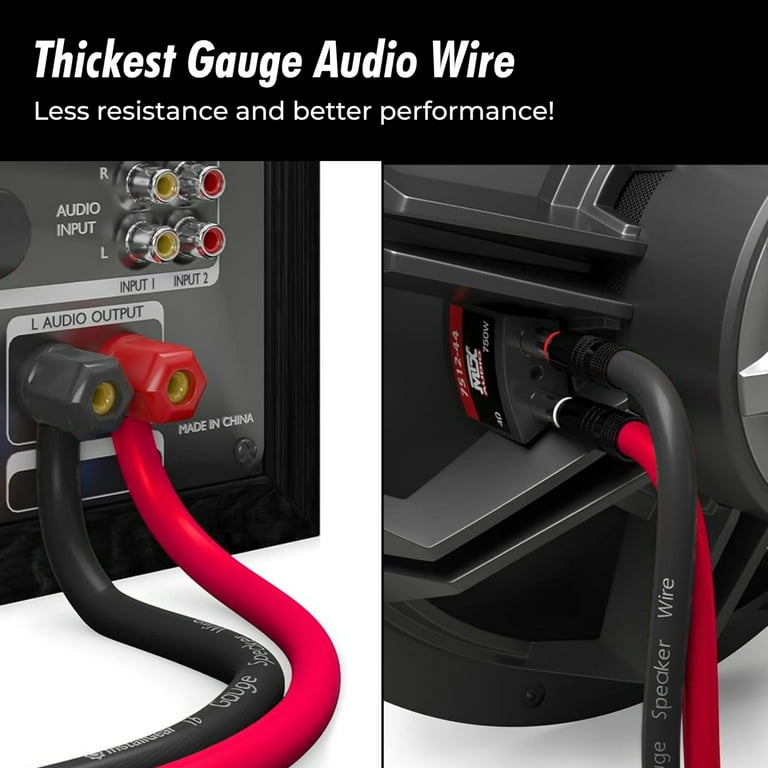
Car speakers often use different wiring compared to home stereos, so you’ll need the correct cables and connectors. Speaker wire is usually gauge 16 or 18, but check your speaker’s specifications to be sure. You’ll also want to have wire connectors like crimp caps, butt connectors, or quick-disconnect terminals for secure connections.
Think about how you’ll run the wires between the speakers and the stereo. Will you need extension cables? Do your speakers have bare wire ends or special plugs? Having the right connectors ready will save you from cutting and splicing unnecessarily.
Amplifiers And Adapters
Car speakers typically require an amplifier to drive them properly when hooked up to a home stereo. If your home stereo doesn’t have a built-in amplifier powerful enough, consider getting a separate one. You might also need adapters to connect the car speaker wires to the stereo’s output terminals.
For example, RCA to speaker wire adapters can be helpful if your stereo only has RCA outputs. Have you checked whether your home stereo supports the power and impedance requirements of your car speakers? Using the wrong amplifier or adapter can damage your equipment or produce poor sound quality.
Basic Tools Checklist
- Wire stripper and cutter – for preparing speaker wires
- Screwdrivers – both flathead and Phillips for mounting and terminals
- Electrical tape or heat shrink tubing – to insulate connections
- Multimeter – to test continuity and avoid wiring mistakes
- Crimping tool – if you plan to use crimp connectors
- Drill and mounting hardware – if you need to install speakers on walls or shelves
Having these tools ready will keep you from scrambling mid-installation. Do you have everything you need within reach before you start? Preparation matters more than you might think for a clean, efficient setup.
Preparing The Home Stereo
Preparing the home stereo is a key step before connecting car speakers. This ensures the system works well and sounds clear. Understanding the stereo’s outputs and power ratings helps avoid damage and poor sound quality. Taking time to check these details saves effort later.
Identifying Speaker Outputs
Look at the back of the home stereo to find speaker outputs. They usually appear as red and black terminals or spring clips. Some models have labeled outputs like “Front,” “Rear,” or “Surround.” Note the number of channels available for connection. Make sure the outputs match the type of speaker wires you have.
Check if the outputs support standard speaker wire connections. Avoid using outputs meant for headphones or line-level signals. Proper identification prevents connection errors and ensures good sound transmission.
Checking Output Power Ratings
Find the power ratings on the stereo’s manual or the device itself. Look for terms like “RMS power” or “continuous power output.” These ratings show how much power the stereo can safely send to speakers. Compare these numbers with the car speakers’ power handling to avoid damage.
Note the impedance rating, usually in ohms (Ω). Match the speaker impedance with the stereo’s output impedance for best performance. Using speakers with too low or too high impedance can cause distortion or harm the stereo.

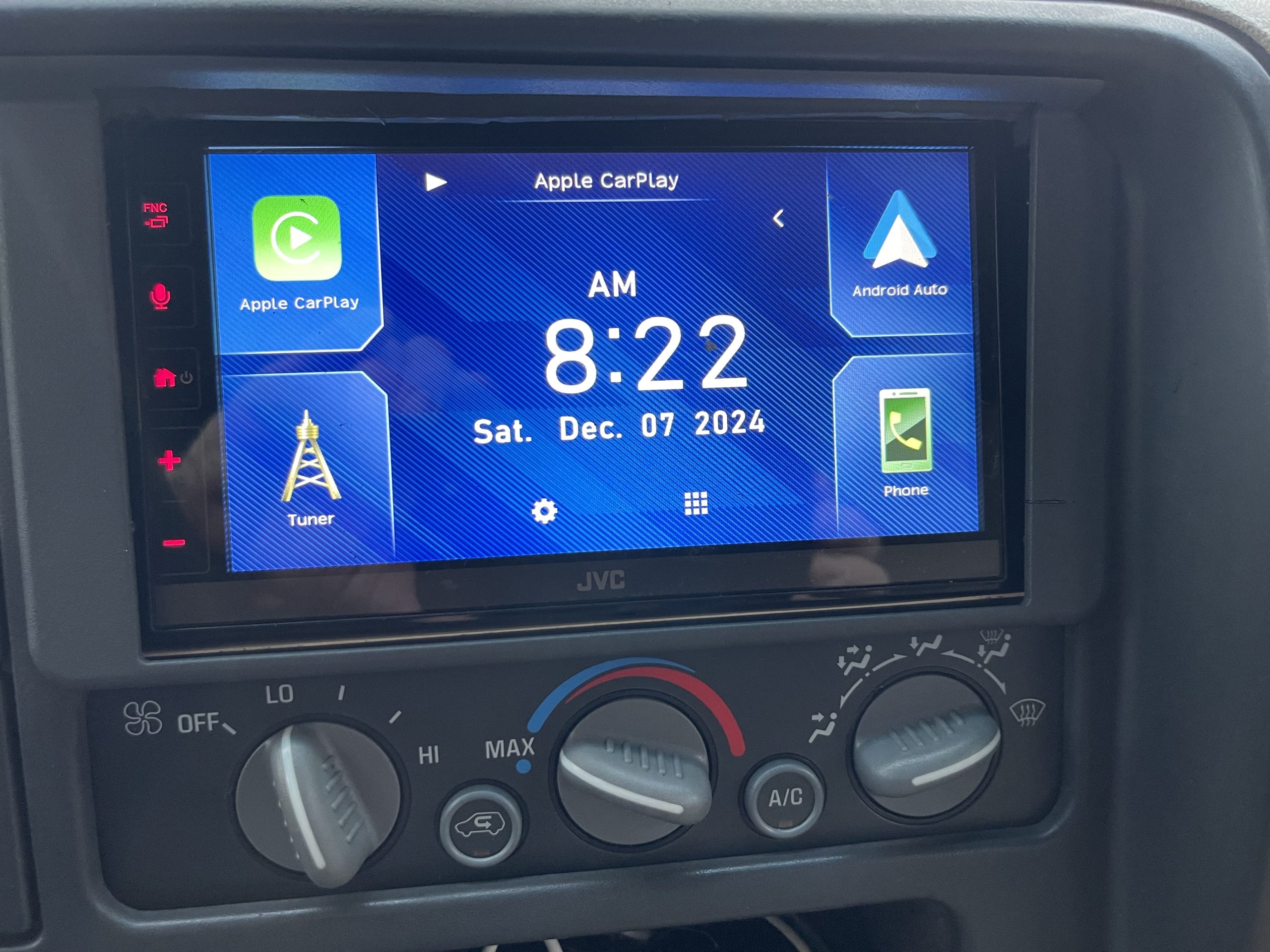
Credit: www.amazon.com
Connecting The Speakershttps://www.quora.com/How-do-you-connect-speakers-around-the-house
Connecting car speakers to a home stereo requires careful attention to wiring and secure attachments. Proper connections ensure clear sound and prevent damage to your equipment. This section covers the essential steps to connect your speakers safely and effectively.
Stripping And Connecting Wires
Remove about half an inch of insulation from each wire end using a wire stripper. Expose the metal core without cutting the wire strands. Twist the exposed wire strands tightly to avoid fraying. Connect the positive wire to the positive terminal on the speaker. Match the negative wire to the negative terminal. Secure each wire firmly to prevent loose connections.
Using Speaker Adapters
Speaker adapters help connect car speakers to home stereo terminals. Choose adapters compatible with your speaker and stereo connectors. Attach the adapter to the speaker wire ends. Plug the adapter into the home stereo’s speaker output. This method simplifies the connection and reduces wire strain.
Securing Connections
Use electrical tape or heat shrink tubing to cover exposed wires. This prevents short circuits and protects connections from dust. Check each terminal for tightness. Loose connections cause poor sound quality and possible damage. Double-check polarity to avoid phase issues and sound distortion.
Testing The Setup
Testing your setup after hooking up car speakers to a home stereo is crucial. It ensures everything works as expected and you get the best sound experience. Skipping this step might mean missing out on hidden issues that reduce audio quality.
Sound Quality Check
Start by playing different types of music or audio tracks. Listen carefully to the clarity of vocals, bass strength, and overall balance.
Does the sound feel clear or muffled? Are the highs sharp without being harsh? Notice if the bass is deep and tight or weak and muddy.
Try moving around the room to check if the sound changes drastically. Uneven sound might mean speaker placement needs adjustment.
Remember, your ears are the best tool here. If something feels off, it probably is.
Troubleshooting Common Issues
If you hear buzzing, distortion, or no sound at all, don’t panic. Most problems have simple fixes.
- Check connections:Loose or reversed wires can cause poor sound or no output.
- Inspect speaker impedance:Mismatched impedance can damage your stereo or speakers.
- Test each speaker individually:This helps identify if a single speaker or wire is faulty.
- Verify power supply:Ensure your stereo is providing enough power for the car speakers.
Once, I faced crackling sounds only to find one wire wasn’t fully plugged in. Fixing that made a huge difference. What small detail might you be overlooking?
Optimizing Sound Performance
Getting your car speakers hooked up to a home stereo is just the start. To truly enjoy rich, clear sound, you need to optimize how your system performs. Small tweaks can make a huge difference in the quality of your listening experience.
Adjusting Volume And Balance
Start by setting the volume at a moderate level to avoid distortion. Too loud can damage speakers and hurt your ears, while too soft won’t let you appreciate details in the music.
Next, focus on the balance between left and right speakers. If your setup feels lopsided, adjust the balance control until sound feels centered and natural. Pay attention to how vocals and instruments spread across the soundstage.
Try playing different types of music and listen for any imbalances. Does the bass overpower the highs? Is the sound skewed to one side? These observations help you fine-tune your settings for the best experience.
Using Equalizers And Crossovers
Equalizers allow you to boost or reduce specific frequencies. If your speakers sound too harsh or muddy, use the EQ to smooth out those frequencies.
Crossovers help direct the right frequencies to the right speakers. For example, sending low bass frequencies to a subwoofer and mids/highs to your car speakers improves clarity and prevents distortion.
Experiment with different EQ presets and crossover points. Don’t hesitate to make small adjustments and listen carefully. What sounds good on one track might not work on another, so customize based on your playlist.
Safety Tips And Precautions
Connecting car speakers to a home stereo can enhance your audio experience, but it’s important to prioritize safety. Ignoring safety tips might damage your equipment or even cause harm to you. Let’s look at key precautions that keep your setup safe and your sound clear.
Avoiding Overloads
Overloading your home stereo system can cause permanent damage. Car speakers often have different power requirements than home speakers, so check the wattage ratings carefully.
Use an amplifier that matches the speaker’s power range. If your stereo system can’t handle the load, you risk blowing a fuse or damaging the speakers. Have you ever experienced sudden silence or crackling? That’s a warning sign to stop and reassess your setup.
Proper Ventilation
Amplifiers and home stereo units generate heat during use. Without enough airflow, this heat can build up and reduce the lifespan of your equipment.
Place your stereo and amplifier in a well-ventilated area. Avoid stacking devices tightly or enclosing them in small, unventilated spaces. Even a small fan or opening near your equipment can make a big difference in keeping things cool.
Handling Electrical Components
Working with wires and connections requires care to prevent shocks or shorts. Always unplug your stereo system before you start connecting car speakers.
Use insulated tools and avoid touching exposed wires. Secure your connections with proper connectors or soldering rather than twisting wires together. Have you checked your connections twice before powering up? It could save your speakers and your safety.

Credit: www.dreamstime.com
Frequently Asked Questions
Can You Connect Car Speakers To A Home Stereo?
Yes, you can connect car speakers to a home stereo. Ensure the speaker impedance matches the stereo’s output. Use an appropriate amplifier if needed to balance power levels. Proper wiring and connectors are essential for optimal sound. Make sure to place the speakers correctly for the best audio experience.
What Do You Need To Hook Up Car Speakers?
To hook up car speakers, you’ll need speaker wire, connectors, and possibly an amplifier. Ensure the speaker impedance matches the stereo. Use high-quality cables for better sound. Having a basic understanding of wiring will help. If unsure, consult the stereo’s manual or seek professional assistance.
How Do You Match Speaker Impedance?
To match speaker impedance, check the car speaker and home stereo specifications. Both should have matching impedance ratings, typically 4 or 8 ohms. If they differ, use a matching transformer or an appropriate amplifier. Mismatched impedance can cause damage or poor audio quality.
Do Car Speakers Need An Amplifier For Home Use?
Car speakers might need an amplifier for home use, depending on the stereo’s power output. Home stereos often have lower power output than car systems. An amplifier ensures the speakers receive adequate power for optimal performance. Choose an amplifier that matches the impedance and power requirements of the speakers.
Conclusion
Connecting car speakers to a home stereo can be simple and fun. Follow each step carefully to avoid mistakes. Use the right tools and check all wires twice. Test the sound at low volume first to protect speakers. Enjoy the clear and powerful audio from your setup.
This project saves money and adds unique sound to your home. Try it yourself and hear the difference today!

Similar Posts