
What is High Input on Car Amplifier: Ultimate Guide for Clear Sound
Are you curious about what “High Input” means on your car amplifier and why it matters? Understanding this simple feature can make a big difference in how your sound system performs.
Whether you’re trying to get the best audio quality or avoid common setup mistakes, knowing about high input can save you time and frustration. Keep reading to discover how this small detail can power up your car’s sound like never before.

Credit: prvaudio.com
High Input Basics
Understanding high input on a car amplifier helps improve sound quality. It involves how the amplifier receives signals from your audio source. Knowing the basics allows better setup and avoids damage to your equipment.
What High Input Means
High input refers to the level of signal voltage an amplifier can accept. It usually means the amplifier can handle stronger signals from the source. This is important for matching the amplifier to your car stereo or head unit. A high input allows the amp to work efficiently without distortion. It also helps in getting clear and loud sound from your speakers.
Types Of Inputs On Amplifiers
Amplifiers have different input types to connect various audio devices. The main types include:
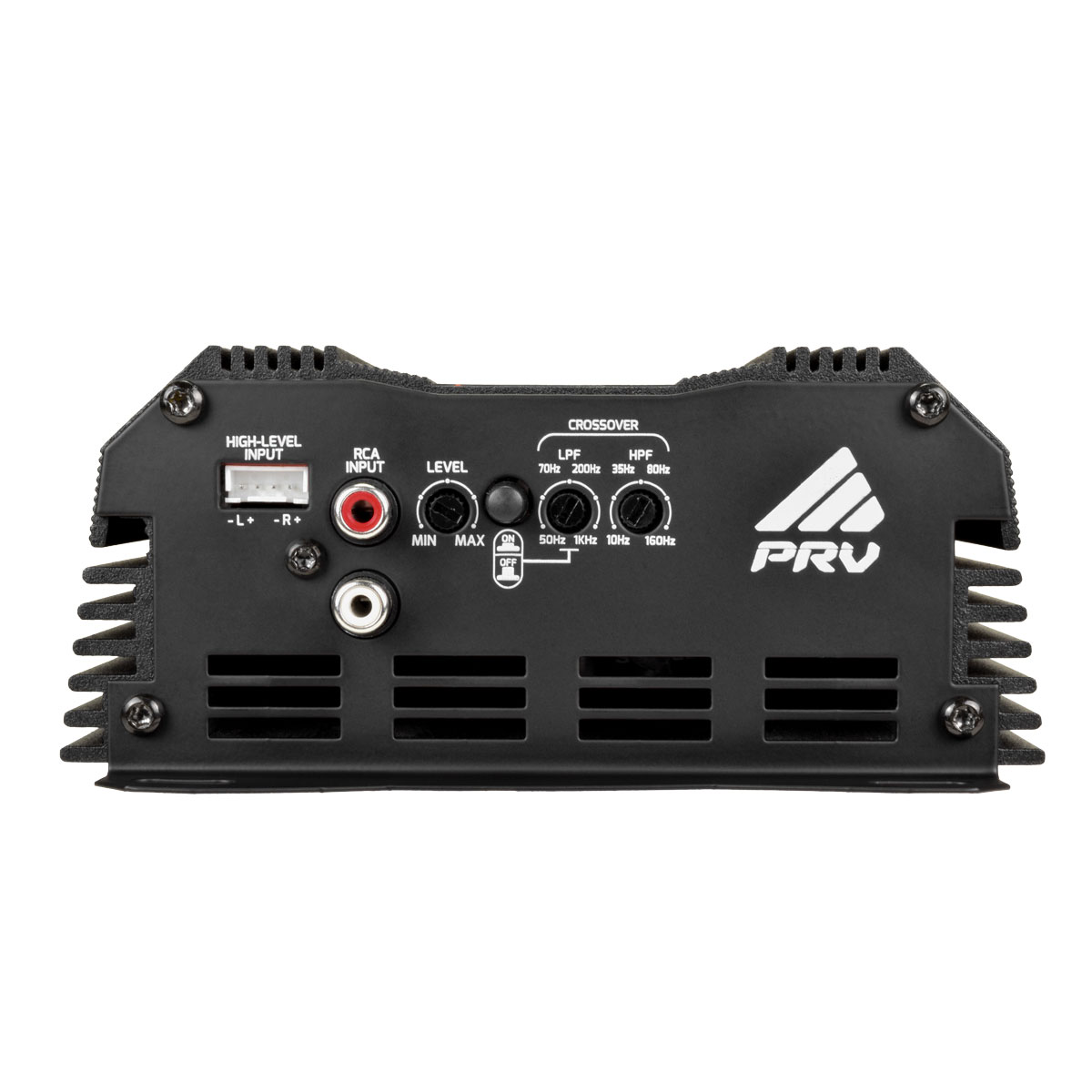
- High-Level Inputs:These connect directly to speaker wires. They receive strong signals from factory head units. Good for systems without preamp outputs.
- Low-Level Inputs (RCA):These use RCA cables for connection. They get weaker signals from aftermarket stereos. Provide cleaner sound and less noise.
- Speaker-Level Inputs:Similar to high-level but with extra circuitry. Designed to safely connect to speaker outputs.
Choosing the right input type ensures the amplifier works properly with your setup. High input options offer flexibility for different car audio systems.

Credit: www.reddit.com
Benefits Of High Input
Understanding the benefits of high input on a car amplifier can change how you experience music in your vehicle. It directly impacts how your amplifier processes the audio signal, affecting sound quality and overall performance. Let’s look at what high input brings to your car audio setup.
Improved Sound Clarity
High input allows your amplifier to receive a stronger and cleaner audio signal from the source. This means the sound you hear is sharper and more detailed, with every instrument and vocal line standing out clearly. Have you ever noticed how some car stereos sound muffled? High input helps avoid that by maintaining the purity of the original track.
Better Signal Strength
With high input, the signal strength reaching the amplifier is significantly boosted. This boost ensures that the amplifier doesn’t have to work harder to amplify a weak signal, resulting in more consistent volume and power. You get a fuller, more dynamic sound that fills your car without the need for constant volume adjustments.
Reduced Noise And Distortion
Noise and distortion often ruin a good listening experience, especially at higher volumes. High input reduces these unwanted sounds by ensuring the amplifier processes a clean and strong signal. This means less buzzing, humming, or crackling, so your music sounds exactly as it should, even when you turn the volume up.
How High Input Affects Audio Quality
High input on a car amplifier directly influences the audio quality you experience in your vehicle. It determines how well the amplifier processes the incoming audio signals, which can either enhance or degrade the sound. Understanding this impact helps you make better choices for your car audio setup.
Signal-to-noise Ratio Impact
High input levels can improve the signal-to-noise ratio (SNR), meaning the amplifier boosts the audio signal more than the background noise. A better SNR results in clearer sound with less hiss or distortion. However, if the input is too high, it may overload the amplifier, causing unwanted clipping and reducing sound quality.
Think about the last time you cranked up your music only to hear crackling or distortion. That’s often a sign the input signal was too strong for the amplifier to handle. Balancing input levels ensures you get rich, detailed sound without sacrificing clarity.
Handling Different Audio Sources
Different audio sources output varying signal strengths. A high input on your amplifier allows it to handle these differences more efficiently. For example, a smartphone might send a weaker signal compared to a dedicated head unit, and the amplifier needs to adjust accordingly.
If your amplifier can accept high input, it can process signals from multiple devices without losing sound quality. This flexibility means you can switch between sources like Bluetooth, CD players, or aux inputs without constantly tweaking settings. Have you noticed how some devices sound louder or clearer than others? That’s the amplifier managing different input levels behind the scenes.
Setting Up High Input On Your Amplifier
Setting up the high input on your car amplifier ensures clear sound and strong performance. It lets your amplifier handle stronger signals from devices like head units or processors. Proper setup protects your gear and gives the best audio quality.
Choosing The Right Input Level
Start by checking your amplifier’s input sensitivity. Match the input level with your device’s output voltage. Too high input causes distortion and damage. Too low input leads to weak sound and noise. Adjust the input level slowly while playing music. Stop when the sound is clear and loud without distortion.
Connecting High Input Devices
Use quality RCA cables for connections. Connect the output of the source device to the amplifier’s high input jacks. Avoid mixing high and low input signals. Keep cables away from power wires to reduce noise. Secure all connections tightly to prevent signal loss.
Avoiding Common Setup Mistakes
- Don’t set input levels too high; it causes clipping.
- Avoid using damaged or cheap cables.
- Never connect speaker wires to input jacks.
- Don’t forget to ground the amplifier properly.
- Check all connections before powering on.
Troubleshooting High Input Issues
Troubleshooting high input issues on a car amplifier requires careful attention. High input signals can cause several problems that affect sound quality and equipment performance. Understanding these issues helps maintain clear audio and protect your amplifier.
Start by identifying the symptoms of high input problems. These include distorted sound, unexpected noise, and inconsistent volume levels. Each issue points to different causes and solutions.
Distortion And Clipping Problems
Distortion happens when the amplifier receives too strong a signal. It tries to amplify the sound beyond its limits, causing a harsh, unpleasant noise. Clipping is similar but occurs when the amplifier cuts off the signal peaks.
- Check the input gain control and lower it gradually.
- Use a signal source with a proper output level.
- Inspect cables for damage or loose connections.
Reducing input levels can often fix distortion and clipping quickly.
Dealing With Interference
Interference can create buzzing, humming, or static sounds. It usually comes from nearby electrical devices or poor wiring. High input sensitivity makes the amplifier more prone to picking up noise.
- Keep audio cables away from power lines and motors.
- Use shielded or higher quality cables.
- Ground the amplifier properly to reduce electrical noise.
These steps minimize interference and improve sound clarity.
When To Adjust Input Levels
Adjust input levels if the sound is too loud, distorted, or too quiet. Setting levels too high causes clipping and damage. Too low results in weak audio and poor signal-to-noise ratio.
- Start with the amplifier’s gain at the lowest setting.
- Play audio and slowly increase gain until sound is clear.
- Avoid pushing levels to the maximum to protect equipment.
Proper input adjustment balances sound quality and amplifier safety.
High Input Vs Low Input: Key Differences
The difference between high input and low input on a car amplifier lies in the voltage level of the audio signal it accepts. High input amplifiers require a stronger signal to operate properly, while low input amplifiers work with weaker signals. Understanding these key differences helps you choose the right amplifier for your audio setup.
Use Cases For Each Type
- High input amplifiers suit systems with factory head units.
- They handle signals from stock car radios well.
- Low input amplifiers fit setups with aftermarket head units.
- They match well with devices offering strong preamp outputs.
- High input amps are ideal for long cable runs to reduce noise.
- Low input amps work best in short cable connections for clear sound.
Impact On Amplifier Performance
High input amplifiers reduce noise from weak signals. They keep sound clean even at higher volumes.
Low input amplifiers offer more sensitivity. They need less signal strength to produce loud sound.
Choosing the right input type affects sound quality and system reliability. Matching input to your source device prevents distortion and signal loss.
Upgrading Your System For High Input
Upgrading your car audio system for high input means preparing it to handle stronger signals. This upgrade can improve sound clarity and overall performance. Using the right equipment ensures your amplifier and devices work well together. Proper setup helps avoid distortion or damage from too much input power.
Compatible Amplifiers And Devices
Choosing compatible amplifiers is key for high input systems. Look for models that support high voltage input levels. These amplifiers have stronger components to handle more power. Also, select audio devices that output strong signals without distortion. Devices like head units and processors should match your amplifier’s input range. Using mismatched gear can cause poor sound quality or equipment failure.
Tips For Enhancing Sound Quality
- Use high-quality cables to reduce signal loss and interference.
- Adjust gain settings carefully to avoid overdriving the amplifier.
- Install a capacitor to stabilize voltage and prevent dips.
- Keep speakers in good condition to handle increased power.
- Fine-tune equalizer settings to balance bass, mids, and highs.
- Regularly check connections for tightness and corrosion.
Credit: prvaudio.com
Frequently Asked Questions
What Does High Input Mean On A Car Amplifier?
High input refers to the amplifier’s ability to accept speaker-level signals directly. It allows connection without a separate line output converter, simplifying installation and ensuring better sound quality.
How Does High Input Improve Car Audio Systems?
High input lets amplifiers receive stronger signals from head units. This reduces noise and distortion, resulting in clearer, more powerful sound in your car audio setup.
Can I Connect Any Speaker To A High Input Amplifier?
Yes, high input amplifiers accept signals from most speakers. They adapt speaker-level outputs into suitable inputs, making them compatible with various car audio components.
Is High Input Better Than Low Input On Amplifiers?
High input is ideal for systems without RCA outputs. Low input requires line-level signals. Choosing depends on your car’s audio source and installation needs.
Conclusion
Understanding high input on car amplifiers is essential for great sound. It ensures your audio system performs optimally. High input connects your car’s audio to the amplifier. This connection improves sound quality. Your music sounds clearer and more powerful. Make sure to match the amplifier’s input with your car stereo.
This prevents audio distortions. By using high input, you enjoy a richer listening experience. Your car journeys become more enjoyable. Remember to consult your amplifier’s manual. It provides specific guidance. With high input, your car’s audio reaches its full potential.
Enjoy the music!