
Can You Hook Up an Amp to Factory Car Stereo: Ultimate Guide
Are you wondering if you can hook up an amp to your factory car stereo? You’re not alone.
Many people want to boost their car’s sound without replacing the entire system. The good news is, adding an amplifier can give your music the power and clarity it’s been missing. But is it really that simple? You’ll discover exactly how to connect an amp to your stock stereo, the tools you’ll need, and the common pitfalls to avoid.
Keep reading to make sure your next car upgrade sounds just right.
Factory Stereo Basics
Understanding the basics of your factory stereo is crucial before trying to hook up an amplifier. Factory stereos are designed to work seamlessly with your car’s original setup, but they come with certain limits. Knowing what your stereo outputs and wiring look like will help you decide how to upgrade your sound system effectively.
Typical Outputs And Limitations
Most factory stereos provide low-level RCA outputs or speaker-level outputs. RCA outputs are ideal for connecting an external amplifier because they deliver a clean signal. However, many factory units only offer speaker-level outputs, which can complicate adding an amp.
Another limitation is the power output of factory stereos. They usually drive speakers with modest wattage, so if you want louder, clearer sound, you’ll need an amplifier. Also, factory stereos often lack advanced audio controls that aftermarket units have, limiting your ability to fine-tune sound quality.
Common Wiring Configurations
Factory stereo wiring varies by car brand and model but generally follows a few common patterns. You’ll typically see pairs of wires for each speaker, color-coded for easy identification. The challenge arises if your stereo only has speaker-level outputs, requiring you to use a line output converter (LOC) to connect an amp properly.
Sometimes, the wiring harness includes pre-installed RCA plugs, which simplifies adding an amplifier. But in most cases, you’ll need to tap into the speaker wires or use an adapter. Have you checked your car’s wiring diagram? It’s a handy step that can save you hours of guessing and testing.
Credit: www.elementownersclub.com
Why Add An Amplifier
Adding an amplifier to your factory car stereo can greatly enhance your music experience. Factory stereos often lack power and clarity. An amplifier supplies extra power to your speakers. This helps your music sound better and fills your car with richer sound.
Benefits Of Amplification
An amplifier boosts your audio system’s overall performance. It provides more power to your speakers without distortion. This means louder music without losing sound quality. Amplification also allows you to use bigger, better speakers. These speakers need more power than factory stereos provide. Your car’s sound system becomes more dynamic and exciting.
Improved Sound Quality
Amplifiers improve the clarity of your music. They reduce noise and distortion. You can hear details in songs that were hidden before. Bass sounds become deeper and stronger. Highs and mids become clearer and more natural. The sound feels balanced and full. This makes every drive more enjoyable and immersive.
Types Of Amplifier Connections
Connecting an amplifier to a factory car stereo requires understanding different amplifier connection types. Each connection type fits specific stereo setups and wiring options. Choosing the right connection ensures clear sound and easy installation.
Some factory stereos offer outputs ready for amps, while others need extra devices to connect properly. Knowing these connection types helps avoid common issues like noise or weak signals.
Using Speaker-level Inputs
Speaker-level inputs connect the amplifier directly to speaker wires. This works well when the factory stereo has no preamp outputs. The amp receives the signal from the speaker wires and boosts it.
This method is simple and does not need special adapters. It keeps the original stereo wiring intact. Some amplifiers have built-in speaker-level inputs for easy hookup.
Using Rca Preamp Outputs
RCA preamp outputs send a low-level audio signal from the stereo to the amplifier. Many factory stereos have these outputs. They provide a clean signal that the amp can boost without noise.
This connection uses RCA cables, which are common in car audio. It is the best way to connect amps if your stereo has these outputs. The sound quality is usually better.
Line Output Converters Explained
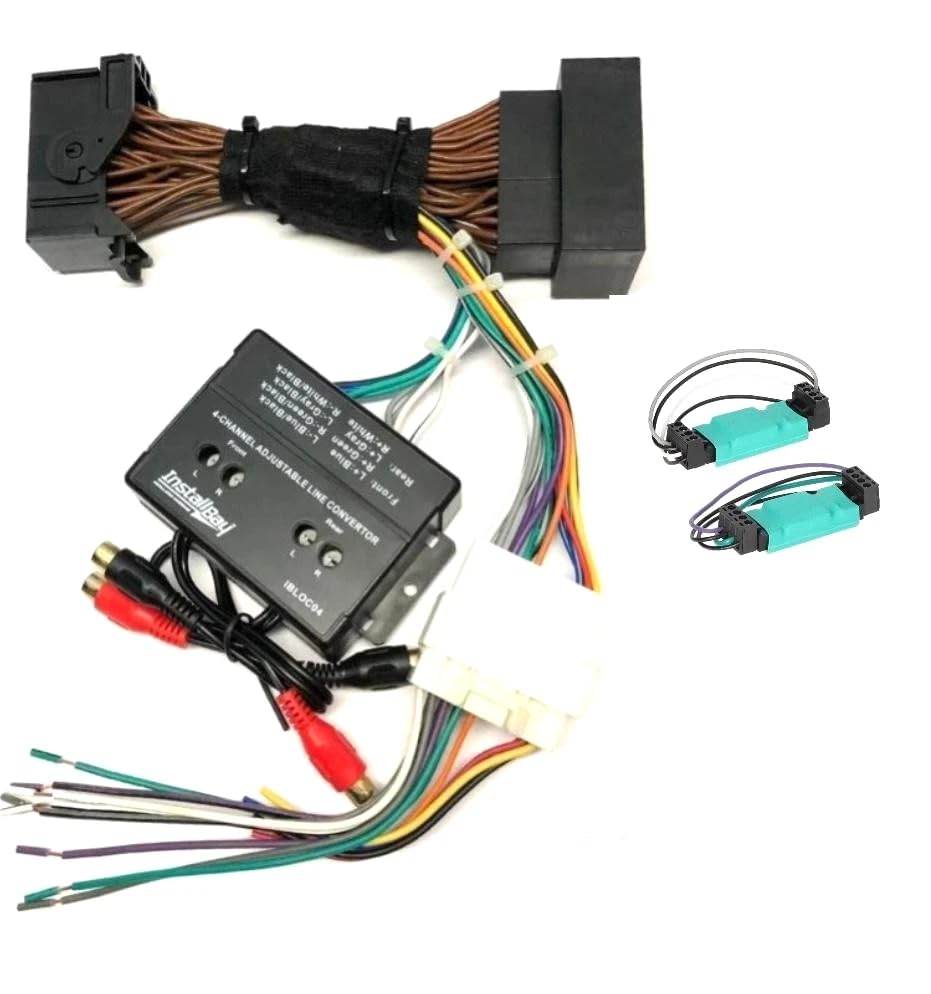
Line output converters (LOCs) change speaker-level signals into RCA preamp signals. Use an LOC when the stereo has no RCA outputs. It allows connection to an amplifier with RCA inputs.
LOCs are small devices installed between the stereo’s speaker wires and the amplifier. They reduce signal level and prevent noise. This makes older or basic factory stereos compatible with aftermarket amps.
Credit: www.crutchfield.ca
Step-by-step Installation
Installing an amplifier to a factory car stereo can improve sound quality and power. The process requires patience and the right tools. Following clear steps helps avoid damage and ensures safety. This guide explains how to connect an amp to your car’s factory stereo effectively.
Gathering Required Tools And Materials
Start by collecting all necessary tools and materials. This preparation saves time and prevents interruptions. Common items include:
- Amp wiring kit
- Wire strippers and cutters
- Screwdrivers
- Electrical tape
- Multimeter
- Crimp connectors or soldering iron
- Fuse holder and fuse
Make sure the amp wiring kit matches your car’s make and model. Quality tools improve the connection and reduce errors.
Locating Stereo Wiring Harness
Find the stereo wiring harness behind the dashboard. It connects the factory stereo to the car’s electrical system. Removing the stereo panel may be necessary. Use a screwdriver or trim tool carefully to avoid damage.
Identify these wires:
- Power wire (usually red)
- Ground wire (usually black)
- Speaker wires
- Remote turn-on wire (often blue)
Use a multimeter to verify wire functions. Label wires for easy reference during installation.
Connecting The Amplifier Safely
Turn off the car’s battery before starting to connect wires. This prevents short circuits and shocks. Connect the power wire from the amp to the car’s battery using a fuse holder. Attach the ground wire to a clean metal surface on the car’s chassis.
Link the remote turn-on wire to the factory stereo’s remote wire. This signals the amp to turn on with the stereo. Connect the speaker wires from the stereo to the amplifier’s input. Use crimp connectors or solder for strong connections.
Double-check all connections. Secure wires to avoid movement or damage. Reinstall the stereo panel carefully. Test the system by turning on the car and stereo. Adjust amplifier settings for the best sound.
Common Challenges
Adding an amplifier to a factory car stereo is not always simple. Several challenges can arise during the process. These issues can affect sound quality, power delivery, and the car’s original features. Understanding these common challenges helps in planning a smoother installation.
Dealing With Noise And Interference
Noise and interference often appear after hooking up an amp. This can cause humming or buzzing sounds through the speakers. The factory wiring and components may not be designed for extra amplification. Poor grounding or long cable runs can increase noise problems.
Using high-quality RCA cables and proper grounding points can reduce interference. Isolating power and signal cables also helps. Shielded wires and noise filters are useful tools to keep sound clean.
Power Supply Considerations
Factory stereos usually have limited power output. An amplifier needs a stable power source to perform well. The car’s electrical system must support the additional power draw. Fuses and wiring must match the amp’s requirements to avoid damage.
Sometimes upgrading the battery or alternator is necessary. Using a dedicated power wire directly from the battery ensures steady voltage. Proper gauge wiring prevents voltage drops and overheating.
Maintaining Factory Features
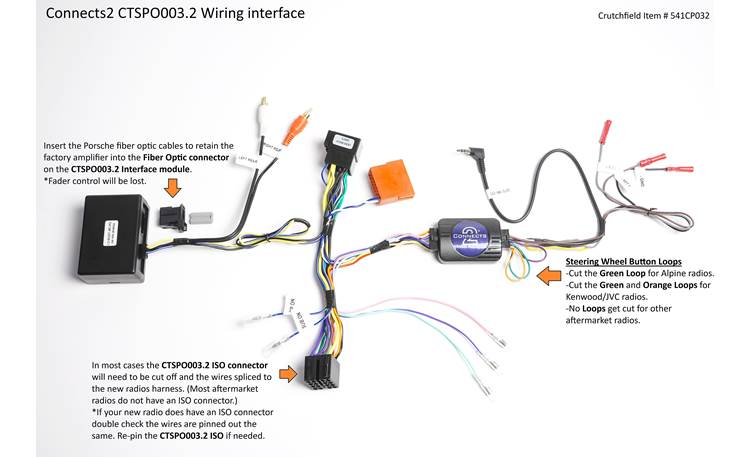
Factory stereos often include special features like steering wheel controls or display screens. Adding an amp should not disable these functions. Retaining these features needs careful integration with the factory system.
Using interface modules or adapters can keep these controls working. Avoid cutting factory wires without understanding their functions. Professional help may be needed to preserve all original features.
Credit: www.amazon.com
Testing And Tuning
Testing and tuning your amp after hooking it up to a factory car stereo is crucial for achieving the best sound experience. This stage ensures your setup performs smoothly without distortion or damage. It also gives you control over how your music sounds inside your car.
Setting Gain And Crossover
Start by adjusting the gain on your amplifier. Keep it low at first to avoid blasting your speakers with too much power. Slowly increase the gain until you hear clear, distortion-free sound at your preferred volume.
Next, set the crossover to match your speaker setup. Use the low-pass filter for subwoofers and high-pass for smaller speakers. This prevents frequencies that your speakers can’t handle from causing damage or muddy sound.
Checking Sound Quality
Play different types of music to test your sound quality. Listen carefully for clarity, bass response, and balance between speakers.
If something sounds off, change your settings slightly and listen again. You want a crisp sound without overwhelming bass or tinny highs. Ask yourself: does the music feel natural or forced?
Troubleshooting Issues
If you notice buzzing, distortion, or no sound at all, check your wiring first. Loose connections or poor grounding are common culprits.
Verify your amp’s fuses and ensure the gain isn’t set too high. Sometimes, the issue lies in the factory stereo’s output signal, which might require a line output converter for better compatibility.
Patience during troubleshooting saves your gear and improves your listening experience. Are you ready to tweak your setup until it sounds just right?
Upgrading Beyond Factory Stereo
Upgrading beyond a factory stereo can greatly improve your car’s sound quality. Factory systems often have limits in power and features. Adding an amplifier or swapping the head unit boosts audio performance and customization. Understanding the best upgrade path helps avoid costly mistakes and ensures compatibility.
When To Consider Aftermarket Head Units
Aftermarket head units offer better sound controls and modern features. Choose one for:
- Enhanced audio tuning options
- Bluetooth and smartphone integration
- Touchscreen displays and navigation
- Support for more speakers and amplifiers
- Improved user interface and ease of use
Replacing the factory head unit is ideal if your car lacks these features. It also allows greater power output and better signal quality for amps.
Combining Factory And Aftermarket Components
You can keep some factory parts while upgrading others. Many vehicles allow adding an amp to the existing stereo. Use a line output converter to connect the amp without changing the head unit. This preserves factory controls and steering wheel buttons.
Mixing components requires matching signal levels and wiring properly. Proper installation prevents noise and signal loss. This approach suits drivers who want better sound without full stereo replacement.
Frequently Asked Questions
How To Connect An Amp To A Factory Stereo?
You can connect an amp using a line output converter (LOC). This device converts speaker-level signals to RCA signals. First, identify the factory stereo’s speaker wires. Then, connect them to the LOC. Finally, link the LOC to the amplifier. This setup enhances sound quality without replacing the stereo.
Do I Need A Line Output Converter?
Yes, a line output converter is essential for connecting an amp to a factory stereo. It transforms high-level speaker signals into low-level RCA signals. This conversion is crucial for the amplifier to process the audio. Without it, you might face sound distortion or damage your equipment.
Is Connecting An Amp To A Factory Stereo Safe?
Yes, connecting an amp to a factory stereo is safe with proper installation. Ensure using quality components like a line output converter. Follow the manufacturer’s guidelines and wiring diagrams. This avoids potential damage or voiding warranties. If unsure, consult a professional installer for a secure setup.
Can An Amp Improve Sound Quality?
Yes, an amp significantly enhances sound quality in your vehicle. It provides more power to speakers, delivering clearer audio. Amplifiers reduce distortion at high volumes, ensuring a crisp sound. This upgrade allows you to enjoy a richer listening experience without replacing the factory stereo.
Conclusion
Connecting an amp to a factory car stereo is possible with the right tools. It can improve your sound without replacing the whole system. Make sure to check your car’s wiring and compatibility first. Use a line output converter for the best results.
Take your time and follow instructions carefully. Enjoy clearer, louder music on every drive. Small upgrades can make a big difference. Give your car stereo a fresh boost today.