Does My Car Have an Amplifier: Easy Ways to Find Out Fast
Have you ever wondered if your car has an amplifier? Maybe you’ve noticed your music sounds different or you’re curious about what’s powering those booming bass beats.
Knowing whether your car has an amplifier can change how you enjoy your favorite songs and help you decide if upgrades are worth it. You’ll discover simple ways to find out if your car’s audio system includes an amplifier—and why it matters to your listening experience.
Keep reading, because the answer might surprise you.
Credit: audiointensity.com
Signs Of A Factory Amplifier
Identifying a factory amplifier in your car can enhance your audio experience. Factory amplifiers usually improve sound quality and power output. Recognizing signs helps to know if your car has one installed by the manufacturer. Several simple checks can reveal its presence without technical tools.
Check Your Car’s Manual
The car’s manual often lists audio system details. Look for terms like “amplifier,” “premium sound,” or brand names such as Bose or JBL. Manuals sometimes include diagrams showing amplifier locations. This source provides a clear and easy way to confirm factory audio equipment.
Look For Extra Wiring
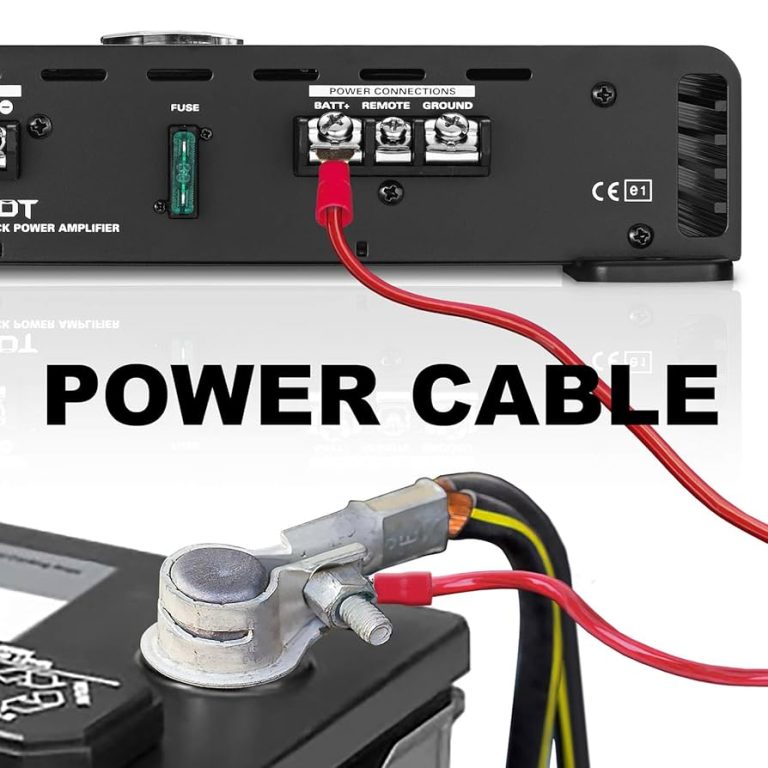
Factory amplifiers need more wiring than basic audio systems. Check under seats and behind panels for extra cables. These wires are usually thicker and bundled together. Presence of additional wiring suggests an amplifier is part of the setup.
Inspect Speaker Quality
Factory amplifiers often come with upgraded speakers. Listen for clear, rich sound without distortion at high volume. Speakers may have logos of premium brands. Better speaker grills or larger speaker sizes can also indicate a factory amplifier system.

Credit: www.reddit.com
Locate The Amplifier In Your Car
Finding the amplifier in your car helps understand your audio system better. Amplifiers boost sound signals to your speakers. Knowing its location lets you check connections or upgrade easily.
Amplifiers are often hidden. They blend with other car parts. Careful searching is needed to find them. Use simple tools and patience to locate the amplifier.
Common Amplifier Locations
- Under the front passenger seat
- In the trunk near the spare tire
- Behind the glove compartment
- Underneath or behind the rear seats
- Near the dashboard, close to the stereo unit
Check these spots first. Manufacturers place amplifiers in safe, dry places. Sometimes, they are inside a box or covered by a panel.
Using A Flashlight To Spot Components
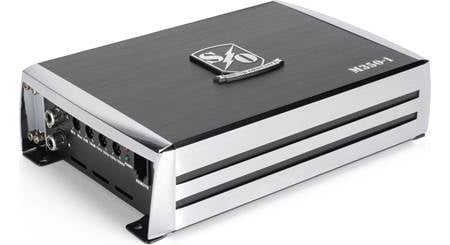
A flashlight helps see in dark car areas. Shine it under seats and behind panels. Look for a small metal box with wires attached.
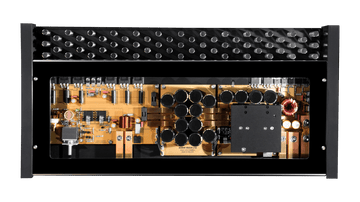
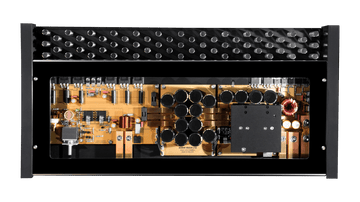
Amplifiers usually have cooling fins and several wires. Follow thick speaker wires leading from the stereo. They often connect directly to the amplifier.
Take your time. Move slowly to avoid missing hidden parts. A bright light reveals details your eyes might miss.
Test Your Audio System
Testing your car’s audio system is a straightforward way to figure out if it includes an amplifier. By actively listening and adjusting settings, you can detect subtle changes in sound quality that suggest the presence of extra audio equipment. This hands-on approach gives you clear clues without needing to open your dashboard or consult complicated manuals.
Listen For Sound Differences
Start by playing your favorite music track that you know well. Pay close attention to the clarity of vocals and the depth of bass sounds. Does the music feel fuller, richer, or more powerful than usual? That could be a sign your car has an amplifier boosting the audio.
Try switching between different types of songs—like rock, jazz, or classical. Notice if certain tracks sound more dynamic or if the volume remains consistent even at higher levels. Amplifiers often enhance sound balance and prevent distortion, so listen for smooth transitions without crackling or muffled tones.
Adjust Volume And Settings
Increase your car stereo’s volume slowly and observe how the sound changes. If your speakers maintain clarity and don’t distort at higher volumes, it’s likely an amplifier is involved. Without an amp, the sound may become fuzzy or lose quality as you turn the volume up.
Next, try tweaking bass, treble, and balance controls on your audio system. Notice if these adjustments noticeably improve or weaken the audio output. Amplifiers often make these changes more effective, giving you a richer and more customizable listening experience.
Have you ever felt your music lacked punch until you played it in a different car? Testing your own system like this helps you understand the role each component plays. Could your next upgrade be a hidden amplifier that’s already under your hood?
Use Diagnostic Tools
Using diagnostic tools can help you find out if your car has an amplifier. These tools connect to your car’s system and check the audio setup. They give clear information without needing to open panels or remove parts.
Many modern cars have electronic systems that store audio details. Diagnostic tools read this data and show if an amplifier is part of the setup. This makes it easy to identify the presence of an amplifier without guesswork.
Obd-ii Scanner For Audio Info
An OBD-II scanner plugs into your car’s diagnostic port. It reads data from the car’s computer system. Some scanners show audio system details, including amplifier presence.
Not all scanners have this feature, so choose one with audio capabilities. After connecting, scan the system and check the audio module section. The scanner may list an amplifier or its model number.
- Locate the OBD-II port under the dashboard
- Connect the scanner and turn on the ignition
- Access the audio or infotainment module
- Look for amplifier or audio amplifier data
Mobile Apps To Detect Amplifiers
Mobile apps can also help check if your car has an amplifier. These apps connect to OBD-II scanners via Bluetooth or Wi-Fi. They display audio system information on your phone or tablet.
Some apps focus on vehicle sound systems and can identify amplifiers quickly. They are user-friendly and offer clear results for non-experts.
- Download a compatible OBD-II app
- Pair the app with your OBD-II scanner
- Scan for audio system data
- Check for amplifier presence or model details
Ask A Professional
Sometimes identifying if your car has an amplifier requires expert advice. Professionals have the tools and knowledge to check your audio system accurately. They can also explain how the amplifier affects your car’s sound quality and performance.
Visit An Audio Specialist
Audio specialists understand car sound systems well. They can inspect your vehicle quickly and tell if an amplifier is installed. They might open panels or check wiring to find hidden amplifiers. Specialists can also suggest upgrades or repairs if needed. Their hands-on experience ensures clear answers without confusion.
Consult Your Car Dealer
Car dealers keep detailed records of your vehicle’s features. They can check your car’s model and trim to confirm if it includes an amplifier. Dealers have access to factory specifications and original equipment lists. This helps verify if your car’s sound system came with an amplifier from the factory. They can also guide you on warranty or service options related to the audio system.
Credit: www.optimaforums.com
Frequently Asked Questions
How To Tell If My Car Has An Amplifier?
To check if your car has an amplifier, inspect the audio system. Look for a separate box often located under the seats, in the trunk, or behind panels. Check your vehicle’s manual or consult the manufacturer’s website for details on your car model’s audio system specifications.
Where Is The Amplifier Located In My Car?
The amplifier is often located in the trunk, under the seats, or behind panels. It’s a separate component from the head unit. Check your vehicle’s manual for the exact location. If unsure, consult a professional audio installer for assistance in locating the amplifier.
Can I Upgrade My Car’s Amplifier?
Yes, you can upgrade your car’s amplifier to improve audio quality. Choose an amplifier compatible with your existing audio system. Consult a professional installer to ensure proper installation and avoid damage. Upgrading can provide clearer sound and better volume control, enhancing your listening experience.
What Are Signs Of A Faulty Car Amplifier?
Signs of a faulty amplifier include distorted sound, unusual noises, or no sound output. Overheating or the amp turning on and off frequently can also indicate issues. If you notice these problems, consult a professional to diagnose and repair the amplifier to restore audio performance.
Conclusion
Knowing if your car has an amplifier can help improve your sound system. Amplifiers make music louder and clearer. You can check under seats or near the trunk. Look for wires running to the speakers. Some cars have built-in amplifiers, while others do not.
Understanding this helps you decide on upgrades or repairs. Good sound makes driving more enjoyable. Take your time to explore your car’s audio setup. It’s easier than you might think.