Why Did My Car Stereo Stop Working: Common Causes & Fixes
Have you ever turned on your car stereo, only to be met with silence? It’s frustrating when your favorite tunes suddenly disappear during a drive.
You might wonder, “Why did my car stereo stop working? ” The good news is, you’re not alone—and the solution might be simpler than you think. You’ll discover the common reasons behind this problem and easy steps you can take to bring the music back to your ride.
Keep reading, and you’ll be back to enjoying your road trip soundtrack in no time.

Credit: www.reddit.com
Car Stereo Basics
Understanding the basics of your car stereo can help you troubleshoot why it suddenly stopped working. Knowing how these systems operate and what parts are crucial will empower you to identify common issues and possibly fix minor problems yourself. Let’s break down the essentials so you get a clearer picture of what’s going on under the dashboard.
How Car Stereos Work
Your car stereo acts as the command center for audio in your vehicle. It receives signals from various sources like radio, Bluetooth, or a connected device, then processes these signals to produce sound through the speakers.
When you press buttons or turn knobs, you’re sending commands to the stereo’s internal system to change the station, volume, or input source. The stereo relies on electrical power from your car’s battery to function, and it communicates with the speakers via wiring harnesses.
Have you ever wondered why your stereo goes silent after a battery change or when the car stalls? It’s because the power supply is interrupted, showing how critical steady electrical flow is for its operation.
Key Components
- Head Unit:The main control panel where you select music, adjust volume, and switch between sources.
- Amplifier:Boosts the audio signal so the sound is loud enough through the speakers.
- Speakers:Convert electrical audio signals into sound waves you hear inside the car.
- Wiring Harness:Connects all components and carries power and audio signals.
- Fuses:Protect the system from electrical overloads or short circuits.
Each component plays a vital role. If one fails, the whole system can go silent. For instance, a blown fuse is a common culprit that’s easy to check and replace, saving you a costly repair.

Credit: www.reddit.com
Common Reasons For Failure
Car stereos can stop working for many reasons. Understanding common causes helps fix the problem faster. Problems often come from simple issues inside the car’s electrical system. Checking these causes can save time and money.
Blown Fuses
Fuses protect the stereo system from electrical damage. A blown fuse cuts power to the stereo. It happens if there is a short circuit or overload. Replacing the fuse usually restores the stereo’s function.
Wiring Issues
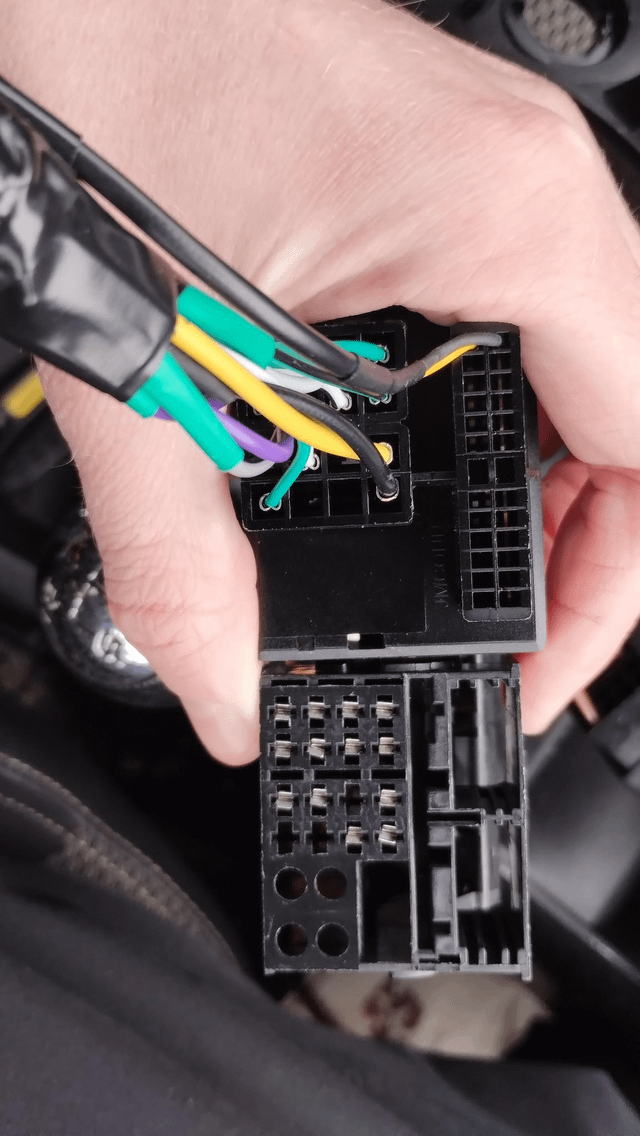
Loose or damaged wires can interrupt the stereo’s power supply. Wires may get disconnected or frayed over time. Poor wiring connections cause static, no sound, or total failure. Inspecting and fixing wiring can solve many stereo problems.
Dead Battery
A dead or weak car battery can stop the stereo from working. The stereo needs enough power to turn on and play sound. Low battery voltage can cause the system to shut off. Recharging or replacing the battery often fixes this issue.
Faulty Head Unit
The head unit is the main control center of the stereo. It can fail due to age, water damage, or manufacturing defects. Signs include no display, no sound, or buttons not working. Repair or replacement may be needed to restore function.
Speaker Problems
Speakers can wear out or get damaged, causing no sound or poor audio. Issues include blown speakers, loose connections, or damaged speaker cones. Testing the speakers helps find the problem. Replacing faulty speakers improves audio quality.
Troubleshooting Steps
When your car stereo suddenly stops working, it’s frustrating and confusing. Before calling a professional, you can try some simple troubleshooting steps to identify the problem. These steps focus on the most common issues and help you figure out whether the fix is something you can handle yourself or if you need expert help.
Checking The Power Supply
Your stereo needs power to function, so the first thing to check is whether it’s getting electricity. Start by turning on your car and listening for any signs of life from the stereo, like lights or sounds. If nothing happens, check if the stereo’s power cable is firmly connected.
Sometimes, the issue can be as simple as a loose connection or a dead car battery. You can test the voltage with a multimeter to see if power is reaching the stereo. Have you ever found a loose wire that was causing a big problem?
Inspecting Fuses And Wiring
Fuses act as safety switches for your car’s electrical components, including the stereo. A blown fuse might be the culprit if the stereo suddenly shuts off or won’t turn on. Look in your car’s fuse box for any fuses related to the audio system and check if they are intact.
Wiring problems, like frayed or disconnected wires, can also stop your stereo from working. Carefully inspect the wiring behind the stereo and under the dashboard. A small break in a wire can cause a big headache—have you checked for any visible damage?
Testing The Head Unit
The head unit is the main control panel of your stereo system. If power and wiring seem fine, the problem might lie inside the unit itself. Try removing the head unit and reconnecting it to see if it works outside the car’s dashboard.
If the unit powers on but doesn’t play sound or respond to controls, internal damage or software glitches could be the cause. Sometimes, a reset or firmware update can bring it back to life. Have you tried pressing the reset button or consulting the manual for troubleshooting tips?
Examining The Speakers
Even if the head unit is working perfectly, faulty speakers can make it seem like the whole stereo is broken. Listen carefully for any distorted sounds, crackling, or silence from the speakers. You can test each speaker by swapping wires or using a speaker tester.
Damaged speaker cones or loose connections inside the door panels might need repair or replacement. Think about the last time you heard a strange noise before the stereo stopped working—could it have been a sign of speaker trouble?

Credit: www.reddit.com
Diy Fixes For Car Stereo
Car stereos can stop working for simple reasons. Many problems are easy to fix at home. Trying a few DIY fixes saves time and money. These fixes often restore sound without calling a mechanic. Basic tools and some patience are all you need.
Replacing Fuses
Fuses protect your car stereo from electrical damage. A blown fuse stops the stereo from turning on. Locate the fuse box under the dashboard or hood. Check the stereo fuse using the car manual. Replace any blown fuse with one of the same size and rating. This quick fix often restores power immediately.
Repairing Wiring
Loose or damaged wires can cause stereo failure. Inspect wiring behind the stereo and under the dashboard. Look for disconnected, frayed, or broken wires. Reconnect loose wires using electrical tape or wire connectors. Replace damaged wires if needed. Proper wiring ensures steady power and sound signals.
Resetting The Stereo
Resetting the stereo clears minor software glitches. Many stereos have a small reset button or pinhole. Press and hold the reset button with a pointed object. Wait a few seconds for the stereo to reboot. Resetting often fixes freezing or unresponsive screens. It restores factory settings but keeps your saved presets.
Cleaning Connectors
Dirty connectors cause poor stereo connections. Remove the stereo unit carefully from the dashboard. Clean all connectors with a soft cloth or electronic cleaner spray. Avoid using water or harsh chemicals. Clean connectors improve signal flow and sound quality. Reinstall the stereo firmly to avoid future issues.
When To Seek Professional Help
Knowing when to seek professional help for your car stereo can save you time, money, and frustration. Some issues might seem simple but can hide deeper problems that require expert attention. Understanding the signs that point to a professional intervention is key to getting your music back on track quickly and safely.
Complex Electrical Issues
If your car stereo suddenly stops working and basic fixes like checking the fuse or wiring don’t help, it might be an electrical issue beyond your skill level. Problems with the car’s wiring harness, blown fuses deep inside the system, or a malfunctioning head unit often need specialized diagnostic tools. Attempting to fix complex electrical faults yourself can cause further damage or even create safety hazards.
Have you noticed other electrical components in your car acting strangely alongside the stereo failure? This is a strong signal to get a professional involved. Certified technicians can trace the exact cause and repair it without risking your vehicle’s electrical system.
Upgrading The Stereo System
When you decide to upgrade your car stereo, professional help ensures a clean installation that works perfectly with your vehicle’s existing systems. Modern stereos often require integration with steering wheel controls, backup cameras, or smartphone interfaces, which can be tricky to install correctly. A DIY attempt might lead to compatibility issues or damage to expensive new equipment.
Think about the long-term benefits of a professional installation: better sound quality, reliable performance, and preserved vehicle warranty. If you want your upgrade done right the first time, investing in expert installation is a smart choice.
Preventing Future Problems
Preventing future problems with your car stereo keeps your drives enjoyable. Simple actions protect your stereo from damage and costly repairs. Small efforts today save big headaches tomorrow. Follow easy tips to ensure your stereo works well for years.
Regular Maintenance
Check your car stereo regularly for dust and dirt. Clean the buttons and screen gently with a soft cloth. Avoid spilling liquids on the stereo or inside the car. Inspect wiring connections to ensure they are tight and secure. Replace worn or damaged cables quickly to prevent malfunctions. Keep your car battery in good condition to supply steady power. Regular maintenance helps spot issues before they cause failures.
Avoiding Power Surges
Power surges can harm your car stereo’s circuits. Turn off the stereo before starting or stopping the engine. Avoid using multiple high-power devices at the same time in your car. Use a surge protector designed for vehicles to guard against voltage spikes. Disconnect the stereo if your car will be unused for a long time. Protecting your stereo from power surges extends its life and reliability.
Frequently Asked Questions
Why Is My Car Stereo Not Turning On?
Your car stereo might not turn on due to a blown fuse, faulty wiring, or a dead battery. Check the fuse box for any blown fuses and replace them if necessary. Inspect the wiring for any loose connections. Ensure your car battery is charged and functioning properly.
How Can I Fix A Car Stereo With No Sound?
If your car stereo has no sound, check the speaker connections and ensure they’re secure. Verify that the volume is turned up and the mute function isn’t activated. Inspect the audio settings for any misconfigurations. If issues persist, the speakers or the stereo unit might need professional repair.
What Causes Car Stereo Display To Go Blank?
A blank car stereo display might result from a power issue or a faulty connection. Check for any blown fuses related to the stereo system. Inspect the wiring harness for loose or damaged wires. If the problem continues, the display unit might require repair or replacement.
Why Does My Car Stereo Keep Cutting Out?
A car stereo cutting out can be due to poor connections or overheating. Ensure all wiring is secure and not frayed. Check the stereo’s ventilation and avoid blocking airflow. Persistent issues might indicate internal problems, requiring professional inspection and repair.
Conclusion
Car stereo problems can happen for many reasons. Check the fuse, wiring, and power source first. Sometimes, a simple reset fixes the issue quickly. If the problem stays, a professional can help find the exact cause. Regular maintenance helps prevent future breakdowns.
Don’t ignore small signs of trouble. Keep your car stereo working well to enjoy your drives. Simple steps save time and money in the long run. Stay calm and follow easy checks before calling for help.