Are All Car Stereos Universal: Myths vs. Facts Revealed
Master Automotive Systems Engineer & Performance Vehicle Specialist at CarSpeedNest Automotive Testing Lab · ASE Certified Master Technician, Mobile Electronics Certified Professional (MECP Master), Certified Dyno Diagnostic Specialist · 14+ years in dyno testing, electronic sensor calibration, automotive wiring harnesses, and precision drivetrain maintenance
Are you thinking about upgrading your car stereo but aren’t sure if all models will fit your vehicle? You’re not alone.
Many people wonder if car stereos are universal or if they need a specific type for their car. This question can save you time, money, and a lot of frustration. Keep reading, and you’ll discover the truth about car stereo compatibility and learn exactly what you need to know before making your next purchase.
Your perfect sound system is closer than you think!

Credit: www.alibaba.com
Car Stereo Compatibility
Understanding car stereo compatibility is essential before upgrading your vehicle’s audio system. Not every stereo fits every car, and compatibility depends on several factors beyond just the size. Knowing these details can save you time, money, and frustration during installation.
Standard Sizes And Formats
Car stereos typically come in two main sizes: single DIN and double DIN. Single DIN units measure about 2 inches in height, while double DIN models are roughly 4 inches tall. These sizes are standardized, but not every car’s dashboard supports both formats.
Some vehicles have unique dashboard shapes that may require adapters or custom faceplates. Before buying, check your car’s stereo slot size to avoid getting a stereo that won’t fit properly. Have you ever purchased a stereo only to find it didn’t align with your dashboard? Knowing the size first prevents such hassles.
Wiring And Connectors Variations
Even if the stereo fits physically, wiring can be a challenge. Different cars use various wiring harnesses and connectors for power, speakers, and controls. This means your new stereo might not plug directly into your car’s existing wiring.
You might need a wiring adapter or professional help to connect everything correctly. Using the wrong wiring can lead to poor sound quality or even damage your vehicle’s electrical system. Always check the compatibility of wiring harnesses before purchase.
Dashboard Fit Considerations
Beyond size, the shape and depth of your dashboard slot can impact stereo installation. Some dashboards have curved or angled openings that don’t match standard stereo shapes. This may require additional mounting kits or custom modifications.
Think about how the stereo will sit in your dashboard and whether it allows easy access to controls and visibility. Poor fit can make operating your stereo frustrating or unsafe while driving. Have you noticed a stereo that sticks out awkwardly or blocks your view? That’s a dashboard fit issue to avoid.

Credit: www.ebay.ca
Common Myths About Car Stereos
Many people believe all car stereos work the same way. Myths spread that one stereo fits every car and supports all features. These ideas can cause confusion and wrong purchases. Understanding the truth helps you choose the right stereo for your car.
All Stereos Fit Every Vehicle
Not all car stereos fit every vehicle. Cars have different dashboard sizes and shapes. Some need single-DIN units, others need double-DIN. Wiring and connectors also vary. Using the wrong stereo can cause poor fit or no connection.
Universal Stereos Support All Features
Universal stereos do not support all features. Some cars have special controls on the steering wheel. Others use unique sound systems or displays. A universal stereo may miss these functions. Check compatibility with your car’s features before buying.
Installation Is Always Straightforward
Installation is not always simple. Some cars need extra adapters or harnesses. Removing old stereos can be tricky. Incorrect installation may damage wires or the stereo. Professional help is often a good choice to avoid problems.
Key Factors Affecting Stereo Compatibility
Understanding why not all car stereos fit every vehicle boils down to several key factors. These elements influence whether a stereo will work seamlessly or cause headaches during installation. Knowing what to watch for helps you choose the right stereo without surprises.
Vehicle Make And Model Differences
Each car brand and model has its own dashboard design and stereo slot dimensions. A stereo that fits perfectly in a Toyota Camry might not suit a Ford F-150. You need to check the size and shape of the stereo opening in your specific vehicle.
Beyond size, mounting brackets and dash trim vary widely. This means you may need special kits or adapters to make the stereo fit securely and look factory-installed. Ignoring these differences can lead to a loose stereo or an awkward appearance.
Electrical System Variations
Not all cars have the same wiring for their audio systems. Voltage levels, connector types, and wire color codes differ between manufacturers and model years. Trying to connect a stereo without understanding your car’s electrical system risks damaging components or causing malfunctions.
Some vehicles use complex wiring harnesses with built-in amplifiers or digital signals. You might need additional wiring adapters or even professional help to get the stereo working correctly. Have you ever struggled with wires that don’t match or unexpected error messages after installation?
Integration With Factory Controls
If your car has steering wheel audio buttons or a built-in display for the stereo, compatibility becomes even trickier. Aftermarket stereos may not automatically work with these controls without extra modules. This can affect your convenience and safety by forcing you to take your eyes off the road.
Some models support plug-and-play adapters that retain steering wheel control functionality. Others require complex programming or simply won’t work with factory features. You need to decide how important it is to keep these controls before choosing your stereo.
Credit: picclick.ca
Choosing The Right Stereo
Choosing the right car stereo requires thought and planning. It is not just about picking a popular model. Each vehicle has unique needs. The right stereo should fit well and perform reliably. Consider your habits, listening preferences, and budget. This helps find a stereo that suits you best.
Assessing Your Vehicle’s Requirements
Start by checking your car’s dashboard size and shape. Some vehicles need single-DIN stereos, others double-DIN. Look at the wiring and connector types. Compatibility with your car’s system is crucial. Also, consider speaker setup and power output limits. This ensures the stereo works well without extra parts.
Matching Features To Your Needs
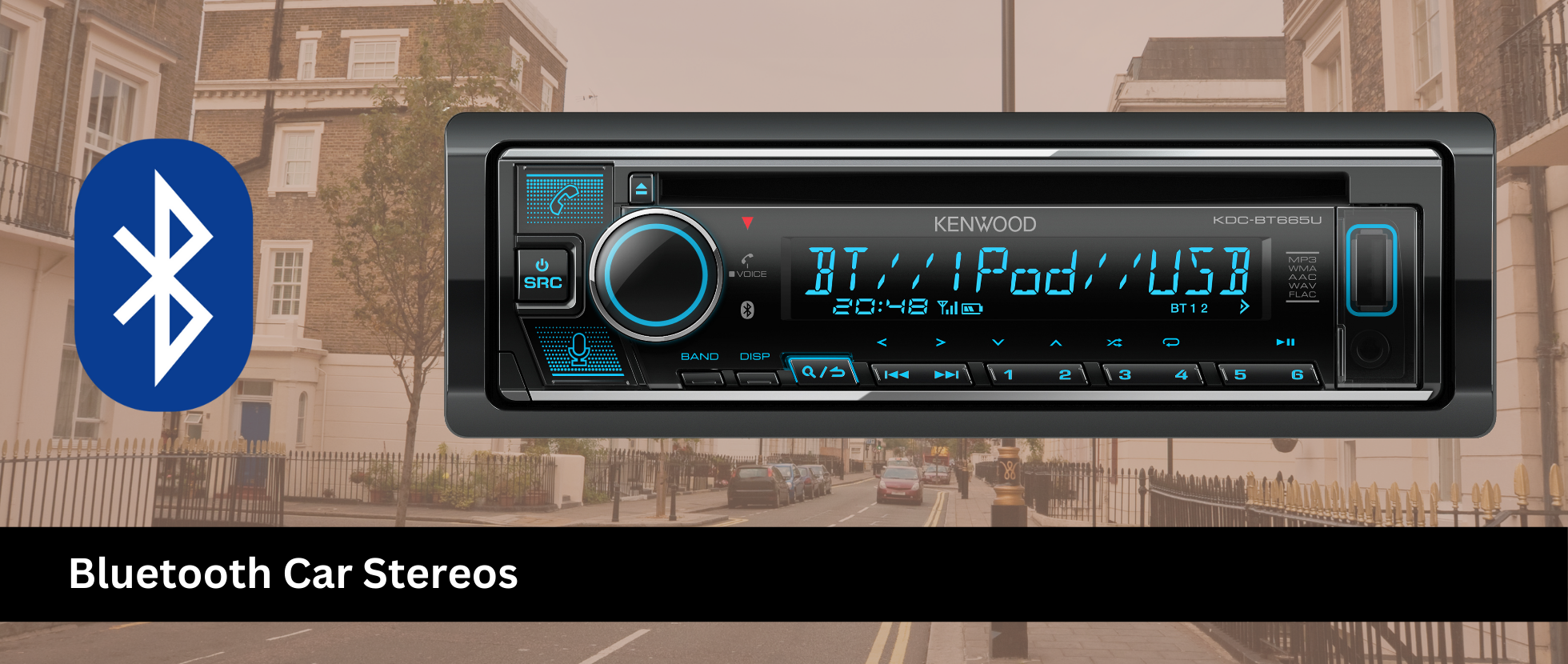
Think about what features matter most. Do you want Bluetooth for hands-free calls? Maybe USB ports for charging and music? Some stereos offer touchscreen displays or voice control. Others support Apple CarPlay or Android Auto. Choose features that improve your driving experience without overcomplicating use.
Professional Installation Vs Diy
Installing a stereo can be simple or complex. Some people prefer to do it themselves. This saves money but requires tools and patience. Professional installation costs more but ensures correct setup. Experts handle wiring and fit issues safely. Choose the option that fits your skills and comfort level.
Technological Advances And Trends
Car stereos have evolved rapidly, and understanding the latest technological advances can help you choose the right system for your vehicle. These trends not only improve sound quality but also change how you interact with your music and devices on the road. Knowing what features matter most can save you time and money while enhancing your driving experience.
Smartphone Integration
Smartphone integration is now a key feature in many car stereos. Systems that support Apple CarPlay and Android Auto allow you to use your phone’s apps safely through the stereo’s touchscreen. This means you can access navigation, music, and calls without fumbling with your phone.
Think about how often you rely on your phone for directions or playlists. Wouldn’t it be safer and more convenient to have those controls built into your stereo? Many newer models also allow voice commands, so you can keep your eyes on the road and still control your media.
Wireless Connectivity Options
Wireless connections have become a standard expectation. Bluetooth remains popular for hands-free calls and streaming music, but newer stereos also offer Wi-Fi capabilities. This opens up possibilities like faster data transfer and direct streaming services without needing a phone connection.
Have you experienced the hassle of tangled wires or limited cable lengths? Wireless options solve these problems, making your setup cleaner and easier to manage. Some stereos even support wireless charging, adding another layer of convenience to your driving routine.
Future-proofing Your Stereo
Technology changes fast, so it’s smart to think about future-proofing when buying a car stereo. Look for systems with firmware updates or modular designs that let you add new features later. This way, your stereo won’t become outdated quickly.
Ask yourself: will this stereo still meet my needs in two or three years? Features like expandable memory, compatibility with upcoming smartphone models, and support for emerging audio formats can keep your system relevant. Investing in a flexible stereo saves you from costly replacements down the line.
Frequently Asked Questions
What Does Universal Car Stereo Mean?
A universal car stereo is designed to fit most vehicles. It typically has a standard size and interface. This allows for easier installation across different car models. While many are compatible, some vehicles may need additional adapters or kits.
Do All Car Stereos Fit Any Car?
Not all car stereos fit every vehicle. Most cars use a standard size, but some models need specific sizes. It’s important to check your car’s dimensions. Additionally, adapters or kits may be required for a perfect fit.
Are There Different Types Of Car Stereos?
Yes, there are different types of car stereos. They include single DIN, double DIN, and touchscreen models. Each type varies in size and features. Choosing the right one depends on your car’s dashboard and personal preferences.
How To Choose A Compatible Car Stereo?
To choose a compatible car stereo, check your car’s stereo size. Consider features like Bluetooth, navigation, and compatibility. Ensure it supports your vehicle’s wiring and connectors. Researching and consulting professionals can help ensure a seamless fit.
Conclusion
Not all car stereos fit every vehicle. Different cars have unique sizes and wiring. Choosing the right stereo needs some checking. Always compare your car’s system with the stereo specs. This helps avoid costly mistakes and frustration. Remember, simple steps lead to better sound and ease.
Taking time now saves hassle later. Your car deserves the best fit for music. Keep these tips in mind for a smooth upgrade.

Similar Posts