Choosing the right amp for your car speakers can make all the difference between dull sound and crystal-clear music that fills your ride. You want powerful, rich audio without distortion or damage to your speakers.
But with so many options out there, how do you pick the perfect one for your setup? This guide will help you understand exactly what to look for, so you get the best sound experience every time you hit the road.
Keep reading, and you’ll learn how to match your amp to your speakers like a pro.
Credit: audiointensity.com
Types Of Car Amps
Choosing the right amplifier for your car speakers depends heavily on understanding the types of amps available. Each type serves a specific purpose and suits different audio setups. Knowing these types helps you match your amp to your sound goals and speaker configuration.
Mono Amps
Mono amps are designed to power a single channel, usually a subwoofer. They deliver high power output, perfect for deep bass that fills your car. If your main focus is booming low frequencies, a mono amp is often the best choice.
Think about how much bass you want. If you love feeling the beat under your seat, a mono amp can provide that punch without wasting power on multiple channels.
Two-channel Amps
Two-channel amps are versatile and can power two speakers or a subwoofer plus a speaker. They are great if you have a simple setup but want flexibility. You can bridge the two channels to increase power if needed.
Imagine you want to upgrade your front speakers and add a subwoofer later. A two-channel amp lets you start small and expand your system without buying a new amp.
Four-channel Amps
Four-channel amps can power four speakers, making them ideal for a full-range car audio system. They simplify wiring and reduce the number of separate amps needed. This means less clutter and easier installation.
Do you want clear sound from all four doors? A four-channel amp balances power across all speakers, giving you a cleaner and more powerful sound experience.
Multi-channel Amps
Multi-channel amps combine several channels—often five or more—into one unit. They are perfect for complex setups involving multiple speakers and subwoofers. This type lets you control each speaker channel individually for fine-tuning your sound.
Have you ever struggled with matching the volume and tone across different speakers? A multi-channel amp gives you the control to customize your audio system precisely to your preferences.
Matching Power With Speakers
Matching power with your car speakers is key to great sound and speaker safety. The amplifier must deliver enough power without causing damage. Too little power makes audio weak and unclear. Too much power risks blowing the speakers. Understanding power ratings and speaker specs helps choose the right amp.
Rms Vs Peak Power
RMS power is the continuous power an amp can safely deliver. Peak power is the highest power level for a short time. Use the RMS rating to match your amp and speakers. Peak power ratings are less important for long-term performance. Choose an amp with RMS power close to your speaker’s RMS power.
Speaker Impedance Compatibility
Speaker impedance is measured in ohms. Common values are 2, 4, or 8 ohms. Amplifiers work best with speakers that match their impedance rating. A mismatch can cause poor sound or damage. Check your speaker’s ohm rating. Pick an amp that supports that impedance for stable power delivery.
Power Handling Capacity
Power handling is the maximum power speakers can take safely. Look at the speaker’s RMS power handling. Pick an amplifier with power output near this rating. Avoid amps that deliver far more power than speakers can handle. Balanced power prevents distortion and protects your speakers from damage.
Amp Classes Explained
Understanding amp classes helps you pick the right amplifier for your car speakers. Each amp class has unique features that affect sound quality, size, and power use. Knowing these differences makes it easier to match an amp with your audio needs and budget.
Class A And A/b
Class A amps offer pure, clear sound with low distortion. They run hot and use more power, which can affect battery life. Class A/B amps combine Class A’s sound quality with better efficiency. They produce less heat and work well for most car audio systems.
Class D Amps
Class D amps are very efficient and stay cool. They use less power and are smaller in size. These amps work well for high power systems and long listening sessions. Sound quality has improved a lot, making them popular for car audio setups.
Choosing Based On Efficiency
Efficiency impacts your car’s battery and amplifier size. Class A amps use the most power but sound great. Class A/B amps offer a balance between sound and power use. Class D amps save battery power and fit in tight spaces.
- Think about your car’s electrical system capacity.
- Consider how long you listen to music daily.
- Choose an amp that matches your speaker power needs.
Features To Look For
Choosing the right amplifier for your car speakers means knowing what features matter most. These features affect sound quality, control, and safety. Focus on options that enhance your listening experience and protect your equipment.
Built-in Crossovers
Crossovers split audio signals into different frequency ranges. This ensures each speaker gets the right sound. Built-in crossovers help improve sound clarity and prevent speaker damage. They allow better control over bass, mids, and highs.
Bass Boost Options
Bass boost increases low-frequency sounds. It makes music feel deeper and more powerful. Some amps let you adjust bass boost levels. This feature is good for those who love strong bass without extra gear.
Remote Controls
Remote controls let you change settings from your seat. Adjust volume or bass without reaching the amp. This adds convenience and helps keep focus on driving. Some remotes connect wirelessly for easier use.
Protection Features
Protection features keep your amp and speakers safe. Look for overload, short circuit, and thermal protection. These prevent damage from power issues or overheating. Reliable protection extends the life of your system.
Installation Considerations
Choosing the right amp for car speakers means thinking about installation. Proper setup helps the amp work well and last longer. Consider space, wiring, and cooling to avoid problems.
Wiring Requirements
Good wiring is key for clean sound and safety. Use wires that match the amp’s power needs. Thicker wires carry more power without heating up. Connect the amp directly to the car battery for steady power. Keep wires away from moving parts and sharp edges. Secure all connections tightly to prevent shorts or noise.
Space And Mounting
Find a place in the car that fits the amp and keeps it safe. Common spots include under seats or in the trunk. The amp must stay dry and avoid direct sunlight. Use brackets or mounting kits to secure the amp. A stable mount reduces vibrations and noise. Check the amp’s size before buying to ensure it fits well.
Cooling Needs
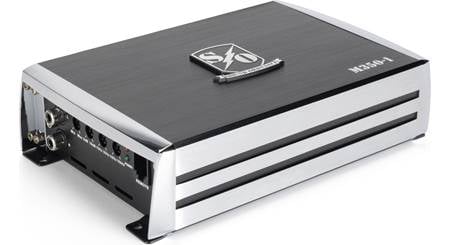
Amps generate heat during use. Proper cooling stops overheating and damage. Leave space around the amp for air to flow. Avoid placing the amp near heat sources like the engine. Some amps have built-in fans, but extra ventilation helps. Watch for signs of overheating, such as shutdowns or distortion. Good cooling extends the amp’s life and keeps sound clear.
Credit: www.crutchfield.ca
Budget And Brand Choices
Choosing the right amplifier for your car speakers depends a lot on your budget and brand preferences. Your budget sets limits on features, power output, and quality. Brands vary in reliability, sound clarity, and durability. Balancing cost and quality helps you find the best amp for your needs.
Affordable Vs Premium
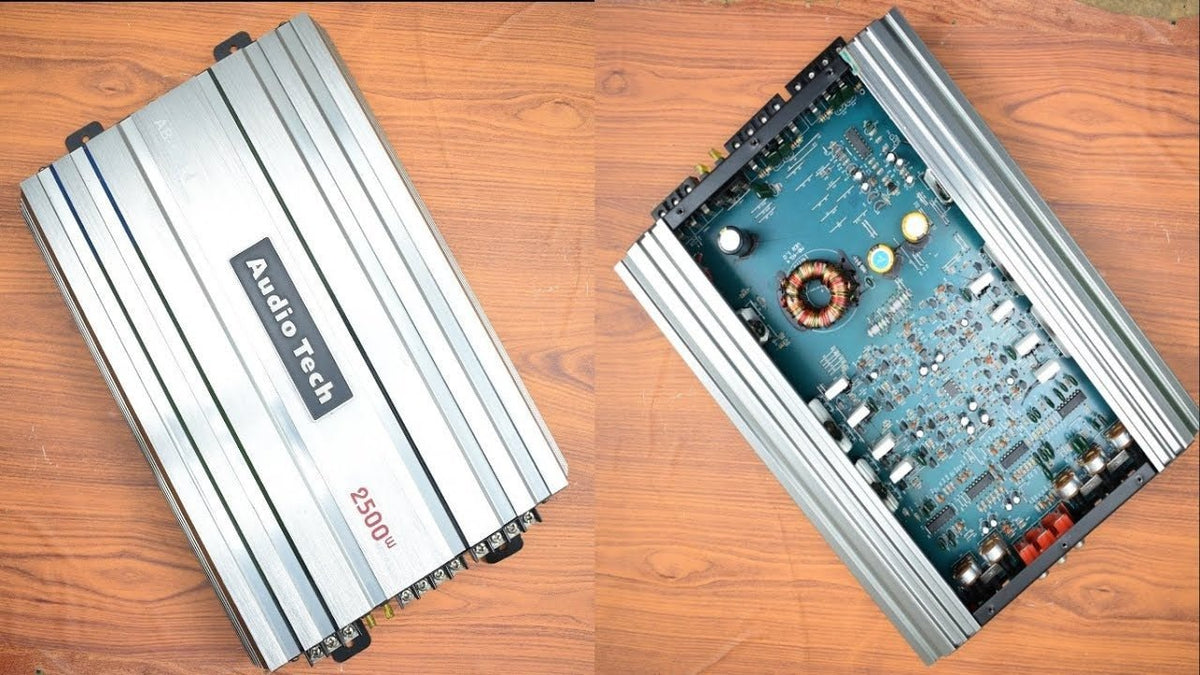
Affordable amps fit smaller budgets and offer basic features. They work well for casual listeners or simple setups. Premium amps deliver higher power and clearer sound. They include advanced features like better heat management and signal processing. Consider your listening habits and audio goals before choosing.
Reliable Brands
Choose brands known for consistent quality and customer trust. Reliable brands use better materials and provide stable performance. Popular names often have positive reviews and proven track records. Avoid unknown brands with poor reviews to reduce risk of failure or poor sound.
Warranty And Support
Check the warranty length and coverage before buying. A good warranty shows the brand’s confidence in its product. Look for brands offering easy access to customer support and repair services. This ensures help if the amp has issues or defects.
Credit: www.iwantek.com
Frequently Asked Questions
How Do I Match An Amp To My Car Speakers?
To match an amp with your car speakers, check the speaker’s RMS power rating. Choose an amp that provides 75-150% of this power. Also, match the amp’s impedance with the speaker’s impedance for optimal performance. Proper matching ensures clear sound and prevents damage to the system.
What Is The Best Amp Wattage For Car Speakers?
The best amp wattage depends on your speaker’s RMS power rating. Typically, aim for an amp that delivers 75-150% of the RMS power. This range provides optimal sound quality without risking damage to the speakers. Always ensure the amp’s wattage is compatible with your speaker system.
Why Is Impedance Important In Choosing An Amp?
Impedance affects the compatibility and performance of your amp and speakers. Matching impedance ensures efficient power transfer and prevents damage. If the impedance is mismatched, it can lead to poor sound quality or even equipment failure. Always check both amp and speaker specifications for optimal pairing.
Can I Use Any Amp With My Car Speakers?
Not all amps are suitable for every speaker. Compatibility depends on power ratings and impedance. Ensure the amp matches the speaker’s RMS power and impedance for optimal sound. Mismatched components can lead to poor audio quality or damage. Research and compare specifications before purchasing.
Conclusion
Choosing the right amp makes your car speakers sound their best. Match the amp’s power with your speakers’ needs. Think about space and wiring before buying. A good amp improves sound clarity and volume. Take time to research and compare options.
Your car audio will feel more enjoyable and clear. Simple steps lead to better music on the road. Keep these tips in mind for a smart choice.