How to Connect Car Stereo to AC Power: Easy Step-by-Step Guide
Master Automotive Systems Engineer & Performance Vehicle Specialist at CarSpeedNest Automotive Testing Lab · ASE Certified Master Technician, Mobile Electronics Certified Professional (MECP Master), Certified Dyno Diagnostic Specialist · 14+ years in dyno testing, electronic sensor calibration, automotive wiring harnesses, and precision drivetrain maintenance
Are you looking to power your car stereo at home or in a workshop without using your car’s battery? Connecting your car stereo to AC power might seem tricky, but it’s easier than you think.
Once you know the simple steps and the right tools, you can enjoy your favorite tunes anytime, anywhere. In this guide, you’ll discover exactly how to do it safely and effectively. Keep reading, and you’ll be playing your stereo off the grid in no time.
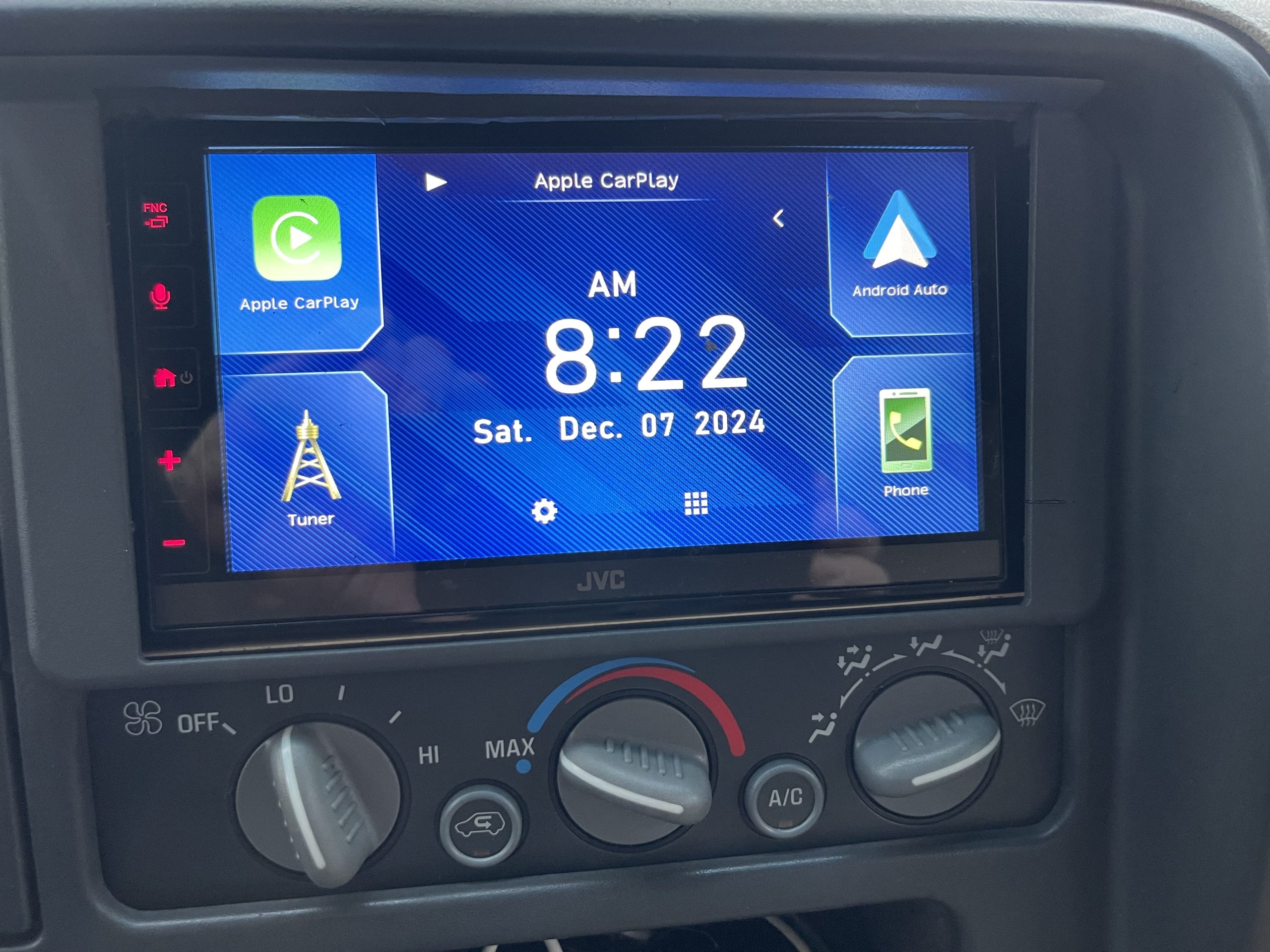
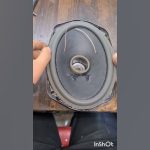
Credit: forum.ih8mud.com
Preparing The Car Stereo
Preparing the car stereo is a key step before connecting it to AC power. This process ensures the stereo works safely outside the car. It involves understanding the power connections, carefully removing the stereo, and checking if it suits your power source. Taking time here prevents damage and helps in setting up the stereo correctly.
Identifying Power Connections
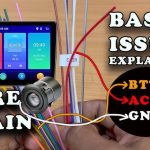
Look at the back of the stereo for wires and plugs. Most car stereos have a red wire for power and a black wire for ground. There may be other wires for speakers and accessories. Focus on the power wires first. Use the stereo manual or labels to confirm each wire’s purpose. Correctly identifying wires avoids short circuits and damage.
Removing The Stereo From The Car
Remove the stereo carefully to avoid breaking parts. Start by disconnecting the car battery to prevent shocks. Use tools like screwdrivers or trim removal tools for the job. Gently pull the stereo out without forcing it. Keep screws and parts safe for reinstallation. Disconnect all wiring harnesses from the stereo’s back.
Checking Compatibility
Verify the stereo’s voltage and power needs match the AC power supply. Car stereos usually need 12 volts DC. An AC adapter or power supply must convert AC to 12V DC. Check the stereo’s manual for power specs. Confirm the current rating matches or exceeds the stereo’s needs. Using the wrong power supply can harm the stereo.
Selecting The Power Source
Selecting the right power source is essential for connecting a car stereo to AC power. It ensures the stereo works safely and efficiently. Knowing the differences between power types and choosing the correct outlet helps avoid damage. Using the proper equipment allows the car stereo to run smoothly outside a vehicle.
Understanding Ac And Dc Power
Car stereos usually run on DC power from a car battery. Home outlets provide AC power. These two types differ in how electricity flows. AC power changes direction many times per second. DC power flows in one direction only. Car stereos need DC power to function correctly. Converting AC to DC is necessary for safe operation.
Choosing A Suitable Ac Power Outlet
Use a reliable and safe AC outlet near your setup. Avoid outlets with loose connections or damage. Standard household outlets usually provide 110V or 220V, depending on your location. Check the voltage requirements of your power converter. Ensure the outlet can handle the power load of the stereo system. Avoid sharing the outlet with high-power devices to prevent overload.
Using A Power Converter
A power converter changes AC power to the DC power your car stereo needs. Choose a converter with the correct voltage and current rating. It should match the stereo’s power specifications. Quality converters protect against power surges and short circuits. Connect the converter’s output to the stereo’s power input carefully. Proper wiring prevents damage and ensures stable operation.
Wiring The Stereo To Ac Power
Wiring your car stereo to AC power requires careful attention to ensure safety and proper functionality. Unlike the 12V DC system in vehicles, household AC power involves higher voltage and alternating current, which means you must convert and connect the wires correctly. Understanding how to handle the positive and negative wires will help you avoid damage to your stereo or even personal injury.
Connecting Positive And Negative Wires
First, identify the positive and negative terminals on your stereo’s power input. The positive wire usually connects to the live (or hot) wire of the AC adapter or transformer. The negative wire connects to the neutral wire, completing the circuit.
Make sure you use a suitable power supply that converts AC power to the 12V DC your stereo needs. If you connect the stereo directly to AC power without this conversion, it could cause permanent damage. Double-check the polarity to avoid short circuits or blowing fuses.
Securing The Connections
Loose connections can cause intermittent power loss or electrical shorts. Use wire nuts, soldering, or crimp connectors to secure your wire connections firmly. Wrapping exposed wires with electrical tape adds an extra layer of safety and prevents accidental contact.
Think about where you’ll place these connections. Avoid areas prone to moisture or excessive heat. Proper insulation and placement can save you from frustrating issues later on.
Testing The Wiring
Before powering on your stereo, test your wiring with a multimeter. Check the voltage output to confirm it matches the stereo’s requirements. This step ensures you won’t fry your equipment when you plug it in.
Once you verify the correct voltage and secure connections, power on the stereo. Listen carefully for any unusual sounds or irregular power behavior. If anything seems off, turn off the power immediately and recheck your wiring.
Powering Up Safely
Powering up your car stereo using AC power demands careful attention to safety to avoid damaging your equipment or causing hazards. Ensuring you follow the correct procedures can save you frustration and costly repairs. Let’s look at how you can make this process smooth and secure.
Turning On The Power
Before flipping the switch, double-check all your connections. Make sure your AC adapter matches the voltage and current requirements of your car stereo. Incorrect power supply can fry your stereo instantly.
Connect the positive and negative wires properly to avoid short circuits. Once you’re confident everything is set, turn on the power source. Watch closely for any unusual sounds or smells—these are early signs of trouble.
Monitoring For Issues
Keep an eye on your car stereo’s behavior right after powering it up. Is the sound clear and consistent? Any flickering lights or unexpected shutdowns indicate a problem.
It’s a good idea to check the temperature of the power adapter and the stereo itself. Overheating can point to incorrect wiring or a power mismatch. Staying alert during the first few minutes can prevent bigger issues later.
Troubleshooting Common Problems
If your stereo doesn’t turn on, first verify the power outlet is working by plugging in another device. Loose connections are often the culprit, so inspect all cables and connectors carefully.
In case of distorted sound or intermittent power, test with a different AC adapter that meets the stereo’s specifications. Sometimes, a simple fuse replacement in the stereo can fix the issue, so check the user manual for fuse locations.
Have you ever ignored a small warning sign only to deal with a bigger problem later? Paying attention now can save you time and money down the road.
Optimizing Stereo Performance
Optimizing the performance of your car stereo after connecting it to AC power is crucial for the best listening experience. Small adjustments and proper maintenance can significantly enhance sound quality and system longevity. Paying attention to these details will help you enjoy your favorite music with clear, rich audio.
Adjusting Volume And Settings
Start by setting the volume at a moderate level to avoid distortion and speaker damage. Use the equalizer settings to balance bass, treble, and midrange tones according to your music preferences.
Try different presets or customize the sound profile manually. Remember, boosting bass too much can cause muffled sound, while excessive treble might create harshness. Experiment until you find the perfect balance for your environment.
Adding External Speakers
External speakers can drastically improve your stereo’s sound output. Choose speakers compatible with your system’s power and impedance ratings to prevent damage.
Position them strategically inside your vehicle to create an immersive sound stage. For instance, placing tweeters near the dashboard and woofers in the doors can enhance clarity and depth. Have you thought about how speaker placement affects your listening experience?
Maintaining The Stereo
Regular maintenance keeps your stereo functioning well. Clean the unit and connectors to avoid dust buildup, which can interrupt signals and degrade sound quality.
Check wiring connections periodically to ensure they’re secure and free of corrosion. If you notice any audio issues, inspect the power supply and speakers before considering replacements. How often do you give your stereo a quick health check?

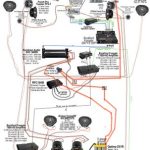
Credit: www.youtube.com
Frequently Asked Questions
Can I Connect A Car Stereo At Home?
Yes, you can connect a car stereo at home using an AC to DC power converter. Ensure the converter matches the stereo’s voltage requirements. This setup allows you to use the car stereo with household power outlets safely.
What Power Supply Do I Need For A Car Stereo?
A car stereo typically requires a 12V DC power supply. Use an AC to DC converter that provides 12V output and enough amperage to match your stereo’s specifications. This ensures optimal performance without damaging the stereo.
How Do I Wire A Car Stereo To Ac Power?
To wire a car stereo to AC power, connect the stereo’s power wires to an AC to DC converter. Ensure the converter provides the correct voltage and amperage. Secure connections with wire nuts or connectors for safety and efficiency.
Is It Safe To Use A Car Stereo Indoors?
Yes, using a car stereo indoors is safe when connected properly. Ensure you use a compatible AC to DC power converter. This prevents electrical mishaps and maintains the stereo’s functionality, allowing you to enjoy music safely indoors.
Conclusion
Connecting your car stereo to AC power is simple with the right steps. Always use a proper power adapter to keep your device safe. Double-check all connections before turning the power on. This helps avoid damage and ensures clear sound.
Take your time and follow the instructions carefully. Enjoy your music anywhere, even without your car. This small setup can make a big difference in your listening experience. Stay safe and happy listening!

Similar Posts