How to Connect Car Stereo to Subwoofer: Ultimate Step-by-Step Guide
Are you ready to take your car’s sound system to the next level? Connecting your car stereo to a subwoofer can transform your music experience, giving you deep, powerful bass that makes every beat come alive.
But if you’re not sure how to do it, don’t worry—you’re in the right place. This guide will walk you through each step clearly and simply, so you can enjoy richer sound without any hassle. Keep reading, and soon you’ll be feeling the full power of your favorite songs like never before.
Credit: www.diymobileaudio.com
Choosing The Right Subwoofer
Choosing the right subwoofer is a key step in connecting your car stereo to a subwoofer. The perfect subwoofer will enhance your music experience by delivering deep, clear bass without distortion. But how do you know which subwoofer fits your setup and listening style?
Types Of Subwoofers
Subwoofers come in various types, each designed for different sound preferences and space constraints. You’ll find:
- Powered Subwoofers:These have a built-in amplifier, making installation simpler since you don’t need an external amp.
- Passive Subwoofers:Require an external amplifier but offer more customization and power options.
- Component Subwoofers:Separate subwoofer speaker units needing an enclosure and amplifier.
Think about your car’s space and your willingness to handle wiring and amplification when choosing. Have you ever tried a powered subwoofer for easy setup?
Matching Subwoofer Power To Stereo
Power compatibility is crucial. Your subwoofer’s RMS (continuous power handling) should align with your stereo’s output to avoid damage or poor sound.
Check the RMS ratings on both devices. If your stereo outputs 200 watts RMS, pick a subwoofer that handles close to that power level.
Overpowering or underpowering the subwoofer can cause distortion or hardware failure. What’s your current stereo’s power rating? Matching it carefully saves you headaches later.
Considerations For Enclosure Types
The enclosure type impacts your subwoofer’s sound quality and bass response. The common types include:
- Sealed Enclosures:Provide tight, accurate bass but usually less loudness.
- Ported Enclosures:Include a vent to boost bass output, great if you want louder, booming bass.
- Bandpass Enclosures:Designed for maximum loudness at specific frequencies but can be bulky.
Your car’s space and your bass preference should guide your choice. Ever noticed how a sealed box sounds cleaner but less booming compared to ported?
Gathering Necessary Tools And Materials
Before you start connecting your car stereo to a subwoofer, gathering the right tools and materials is crucial. Having everything at hand not only saves time but also ensures a smoother installation process. Missing a vital component halfway through can lead to frustration and delays.
Essential Wiring Components
You’ll need several wiring parts to make the connection work properly. Start with a quality power wirerated for your amplifier’s current. This wire delivers electricity from the battery to the subwoofer amplifier.
Next, get a ground wireof similar gauge to prevent electrical noise and ensure safety. Don’t forget a remote turn-on wire, which tells the amplifier when to power up with your stereo.
Speaker wires are also necessary to connect the subwoofer to the amplifier. Lastly, a RCA cablecarries the audio signal from the stereo to the amp. Are you sure your RCA cables are shielded well enough to avoid interference?
Tools For Installation
Having the right tools makes the job quicker and cleaner. A wire stripperis essential for removing insulation without damaging wires. You’ll also need a crimping toolto secure connectors tightly onto wires.
A multimeterhelps check voltage and continuity, so you know everything’s connected correctly. A set of screwdrivers and a socket wrenchare handy for mounting hardware and securing ground connections.
Don’t overlook electrical tapeand zip tiesto bundle wires neatly and prevent rattling noises during drives.
Safety Gear Recommendations
Safety is often overlooked but essential during installation. Protect your eyes with safety gogglesto guard against wire strands or unexpected sparks. Wearing insulated glovesreduces the risk of electrical shock when handling power wires.
Make sure your workspace is well-lit and ventilated. Are you prepared to disconnect your car battery properly before starting? This step prevents shorts and protects both you and your vehicle’s electronics.
Preparing The Car Stereo System
Preparing your car stereo system is a crucial step before connecting a subwoofer. It sets the stage for clear sound and avoids damage to your equipment. Taking time here ensures your setup delivers the deep bass you want without hassle.
Locating Audio Outputs
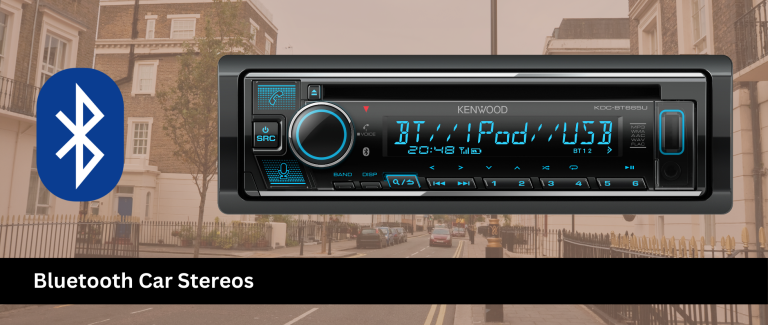
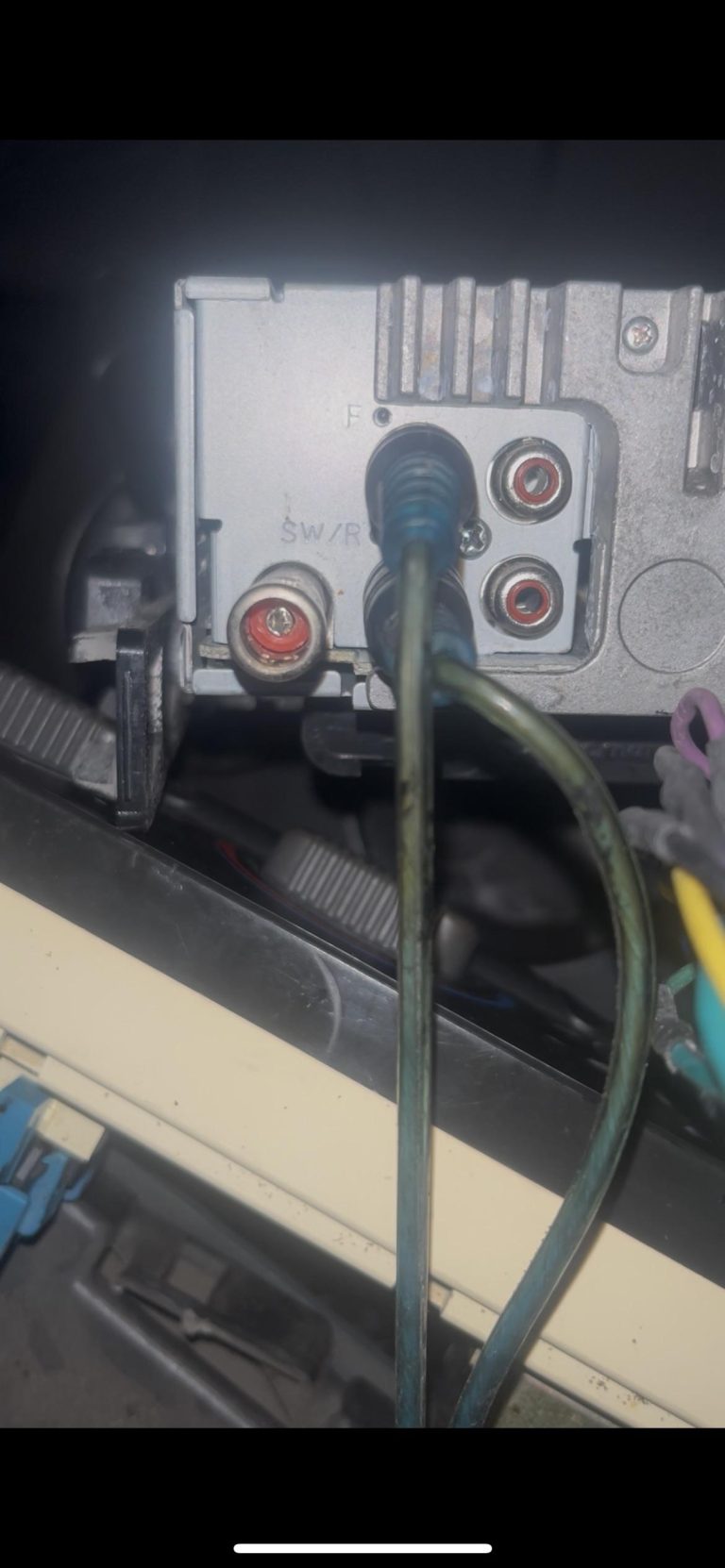
Start by finding where your stereo sends audio signals. Most car stereos have RCA outputs or speaker wires that carry sound to external devices. Look behind the head unit or consult your stereo’s manual to identify these output points.
If your stereo lacks RCA outputs, don’t worry. You can use a line output converter to change speaker wires into RCA signals. This small step can make a big difference when connecting to a subwoofer amplifier.
Checking Amplifier Compatibility
Next, ensure your amplifier matches the subwoofer and stereo system. Check the amplifier’s power rating and impedance to avoid mismatches. Connecting incompatible gear can cause distortion or even damage your components.
Think about your subwoofer’s power needs and compare them to what your amplifier can deliver. This balance keeps your sound clean and your equipment safe. Have you ever heard a subwoofer crackle or cut out? That’s usually a sign of poor compatibility.
Adjusting Stereo Settings
Before hooking up the subwoofer, tweak your stereo’s audio settings. Adjust the bass, treble, and crossover frequencies to suit your subwoofer’s capabilities. This fine-tuning optimizes sound quality and prevents the subwoofer from handling frequencies it’s not designed for.
Many stereos have built-in bass boost features—use them cautiously. Over-boosting bass can strain your amplifier and speakers. Test different settings while playing your favorite tracks to find a balanced and powerful sound.
Credit: www.diymobileaudio.com
Wiring The Subwoofer To The Stereo
Wiring the subwoofer to the car stereo is key to powerful sound. It requires careful attention to ensure clear bass and safe connections. Proper wiring avoids damage and improves audio quality.
Focus on three main wiring tasks: connecting RCA cables, running power and ground wires, and hooking up speaker wires. Each part plays a vital role in the audio system.
Connecting Rca Cables
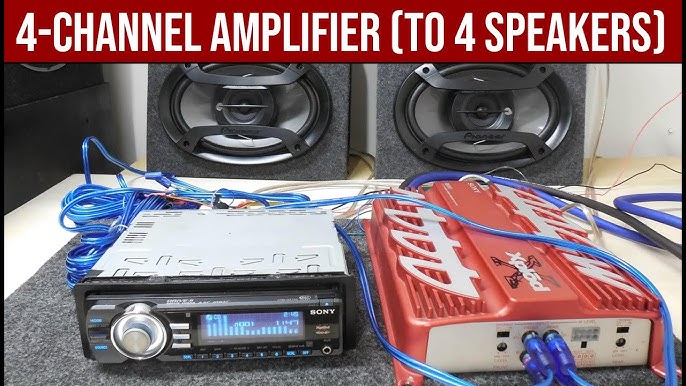
RCA cables carry the audio signal from the stereo to the subwoofer amplifier. Use good-quality cables to reduce noise and interference.
- Locate the subwoofer output on the stereo. It usually has red and white connectors.
- Match the colors of the RCA cables to the stereo output jacks.
- Plug the cables firmly into the subwoofer amplifier input.
- Avoid stretching or bending the cables sharply for a stable connection.
Running Power And Ground Wires
The subwoofer amplifier needs power from the car battery. It also requires a good ground connection to work safely.
- Use a thick power wire designed for car audio systems.
- Connect the power wire directly to the positive terminal of the battery.
- Install an inline fuse near the battery for protection.
- Attach the ground wire to a clean, unpainted metal part of the car chassis.
- Keep the ground wire short to reduce electrical noise.
Hooking Up Speaker Wires
Speaker wires connect the subwoofer amplifier to the subwoofer speaker itself. Proper wiring ensures clear bass output.
- Use wires rated for speaker use, usually 16 or 14 gauge.
- Match the positive and negative terminals on the amplifier and subwoofer.
- Strip about half an inch of insulation from the wire ends.
- Secure the wires tightly to avoid loose connections.
- Route the wires away from power cables to reduce interference.
Mounting The Subwoofer And Amplifier
Mounting the subwoofer and amplifier correctly is essential for getting the best sound quality and ensuring the longevity of your equipment. A poor setup can lead to vibrations, damage, or even interference that ruins your audio experience. Let’s look at how to mount these components properly to keep everything secure and performing at its peak.
Choosing The Installation Location
Finding the right spot for your subwoofer and amplifier is more than just fitting them somewhere in your car. You want a location that offers stability and easy access for wiring and adjustments.
Consider places like the trunk or under a seat, depending on your vehicle’s layout. Make sure the area is dry and has enough ventilation to prevent overheating.
Have you noticed how cramped spaces can sometimes muffle bass? Positioning your subwoofer where sound waves can flow freely will improve the bass response dramatically.
Securing Components Safely
Once you pick the location, securing your subwoofer and amplifier is crucial. Loose equipment can shift during driving, causing damage to the components or your car’s interior.
Use brackets, screws, or mounting plates designed for your specific model. Avoid using makeshift holders like duct tape or flimsy straps, which won’t hold up over time.
Double-check that all screws and bolts are tight, but be careful not to overtighten and damage the mounting points. Safety is key, both for your gear and your passengers.
Avoiding Interference And Damage
Electrical interference can sneak in if your subwoofer and amplifier wires run too close to power cables or other electronic components. This can cause unwanted noise or hum in your audio system.
Keep signal cables separate from power cables by at least a few inches, and use shielded cables if possible. Also, watch out for sharp edges in the car that might cut into your wires over time.
Have you checked the wiring paths carefully? Protecting your cables with conduit or cable ties can prevent wear and tear, avoiding costly repairs later.
Testing And Tuning The System
Testing and tuning your car stereo and subwoofer system is the moment where all your hard work either pays off or needs adjustment. This stage is crucial to ensure that your bass sounds clean, powerful, and well-integrated with your overall audio. Taking the time to carefully check and tweak settings can make the difference between a booming mess and a perfectly balanced sound experience.
Initial Power-on Checks
Before blasting your favorite tracks, start with a thorough inspection. Confirm all connections are secure and that your amplifier and subwoofer receive power properly. Check that the fuses are intact and the remote turn-on wire is functioning as expected.
Turn on your stereo at a low volume first. Listen for any unwanted noises like buzzing, rattling, or distortion, which could indicate wiring issues or grounding problems. Catching these early prevents damage and frustration later.
Adjusting Gain And Crossover Settings
Gain controls the input sensitivity of your amplifier, not the volume. Set it too high, and you risk distortion; too low, and your bass will be weak. Start with the gain turned down, then slowly increase it until the bass is loud but clean.
Next, dial in your crossover frequency. This setting determines which frequencies your subwoofer handles. A good starting point is around 80Hz, but adjust it depending on your main speakers’ capabilities. If your mids and highs sound muddy, try raising the crossover to reduce overlap.
Fine-tuning Bass Levels
Now, focus on how the bass feels rather than just how loud it is. Use tracks with consistent bass lines to judge clarity and punch. If the bass overwhelms other sounds, reduce the level or tweak the equalizer settings.
Consider the acoustics of your car’s interior. Hard surfaces reflect sound differently than soft materials, affecting bass perception. Experiment with subwoofer placement and listen carefully—small changes can lead to big improvements in sound quality.
Troubleshooting Common Issues
Troubleshooting common issues during the connection of a car stereo to a subwoofer can save time and frustration. Identifying the root cause quickly helps restore sound quality and performance. Some problems arise from wiring errors, while others come from power or noise interference. Understanding these issues makes it easier to fix them.
No Sound Or Distortion
Check all cable connections between the stereo and subwoofer. Loose or damaged wires cause no sound or distortion. Verify that the subwoofer is powered on and the volume is up. Confirm that the stereo’s settings allow subwoofer output. Test the subwoofer with another audio source to isolate the problem. Replace faulty cables or connectors if needed.
Power Supply Problems
A weak or unstable power supply affects subwoofer performance. Ensure the amplifier receives the correct voltage from the car battery. Check the fuse and replace it if blown. Inspect the power wire for damage or loose connections. Use a multimeter to measure the voltage at the amplifier’s power terminals. Secure all power connections firmly to avoid drops.
Ground Loop Noise Elimination
Ground loop noise causes a constant humming or buzzing sound. This noise comes from different grounding points in the audio system. Connect all ground wires to a single point to avoid loops. Use ground loop isolators if noise persists. Keep power and audio signal cables separate to reduce interference. Clean and tighten all ground connections for better performance.

Credit: www.reddit.com
Frequently Asked Questions
How Do I Connect A Subwoofer To A Car Stereo?
Connecting a subwoofer involves wiring it to the amplifier and then linking the amplifier to your car stereo. Use RCA cables or speaker wire, depending on your setup. Ensure all connections are secure to prevent any audio issues.
Do I Need An Amplifier For My Subwoofer?
Yes, an amplifier is essential for powering a subwoofer effectively. It provides the necessary wattage and enhances bass performance. Without an amplifier, the subwoofer won’t deliver the deep bass that enhances your car audio experience.
Can I Use Speaker Wire For Subwoofer Connection?
Yes, speaker wire can be used to connect a subwoofer. Ensure the wire gauge matches the power requirements of your subwoofer. Thicker wires are better for high-power subwoofers, ensuring efficient signal transmission and optimal sound quality.
What Is The Best Location For A Subwoofer?
The best location for a subwoofer is usually the trunk or rear of your vehicle. This placement offers optimal bass resonance and sound distribution. Experiment with different positions to achieve the best audio performance and personal preference.
Conclusion
Connecting your car stereo to a subwoofer boosts sound quality. Use the right wires and follow the steps carefully. Double-check all connections before turning on the system. Adjust the settings to balance bass with other sounds. Enjoy deeper, richer music on every drive.
Simple steps lead to better audio experience. Take your time and listen closely to changes. Your car’s sound will feel more alive and powerful.