
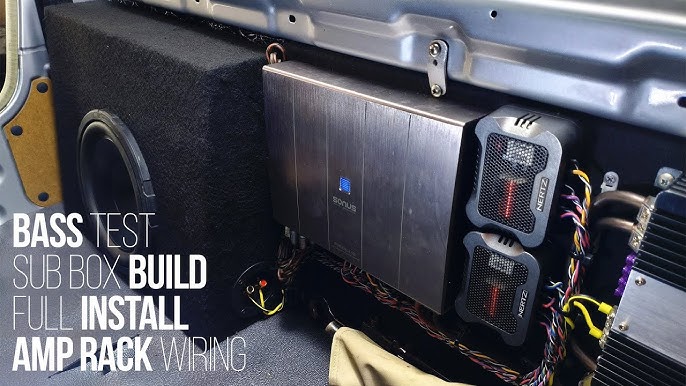
How to Connect Subwoofer to Amplifier Car: Easy Step-by-Step Guide
If you want to feel every beat and make your car’s sound system truly powerful, connecting a subwoofer to your amplifier is key. But if you’re not sure how to do it right, don’t worry—you’re in the right place.
This guide will walk you through simple, clear steps to hook up your subwoofer so you get the best bass experience possible. Ready to turn your car into a mobile concert? Keep reading, and you’ll have your setup sounding amazing in no time.
Choosing The Right Subwoofer And Amplifier
Choosing the right subwoofer and amplifier is key to a great car audio system. Both must work well together to deliver clear, powerful bass. Picking the wrong match can cause poor sound or damage to equipment. Understanding power ratings, impedance, and subwoofer size helps make the right choice.
Matching Power Ratings
Power ratings show how much energy an amplifier and subwoofer can handle. The amplifier’s RMS power should match the subwoofer’s RMS rating. Too little power causes weak sound and distortion. Too much power risks damaging the subwoofer. Check both peak and continuous power ratings for safety.
Selecting Compatible Impedance
Impedance is the electrical resistance of a subwoofer, measured in ohms. Amplifiers have specific ohm ratings they support. Match the subwoofer’s impedance with the amplifier’s recommended range. Using a wrong impedance can lead to overheating or low output. Common values are 2 ohms and 4 ohms.
Considering Subwoofer Size And Type
Subwoofer size affects bass depth and loudness. Larger subwoofers (10″ or 12″) produce deeper bass but need more power. Smaller ones (8″ or 10″) are easier to fit and use less power. Also, consider the type:
- Sealed:Tight, accurate bass.
- Ported:Louder, booming bass.
- Bandpass:Very loud but less clear.
Choose a size and type that fits your car space and sound preference.

Credit: www.youtube.com
Gathering Necessary Tools And Materials
Before connecting your subwoofer to the car amplifier, it’s essential to gather the right tools and materials. Having everything ready saves you time and avoids frustration during the installation. Plus, using the correct equipment ensures a safe and reliable connection that will deliver the best sound quality.
Wiring Kits And Connectors
Your subwoofer needs a proper wiring kit to connect it efficiently to the amplifier. These kits usually include power cables, ground cables, RCA cables, and speaker wires. Choosing the right gauge for your wires is crucial; thicker wires handle more power and reduce signal loss.
Don’t forget connectors like ring terminals, spade connectors, and butt connectors. They make the wiring process easier and provide secure connections that won’t come loose on the road. Have a variety of connectors on hand—you might need different types depending on your car’s setup.
Basic Tools Needed
Having the right tools makes your installation smoother and faster. You will need wire strippers to remove insulation without damaging the wires. A crimping tool is necessary to attach connectors firmly to the cables.
Other essentials include a screwdriver set for removing panels and mounting the amplifier. A multimeter can be incredibly helpful to check your wiring and confirm voltage levels. Don’t underestimate the power of a flashlight or headlamp—many car interiors are dimly lit spaces where you’ll work.
Safety Equipment
Safety should never be an afterthought. Protect your eyes with safety glasses to prevent debris from causing injury while working under the dashboard or near wiring. Gloves can help avoid cuts and provide better grip when handling sharp or hot objects.
Disconnect the car battery before starting the installation to avoid any electrical shorts or shocks. This simple step can save you from costly damage to your vehicle’s electrical system. Do you have a plan for safely managing cables to prevent them from interfering with driving controls? That’s another safety consideration worth thinking about.
Preparing Your Car Audio System
Getting your car audio system ready is a crucial step before connecting a subwoofer to your amplifier. It sets the foundation for a clean, safe, and efficient installation. Taking the time to prepare will save you headaches and ensure your sound system delivers the best performance possible.
Disconnecting The Battery
Always start by disconnecting your car battery. This is a safety measure that prevents electrical shorts or shocks while you work on your audio system. Simply remove the negative terminal cable first, then the positive, to fully cut power.
Have you ever experienced a sudden spark or blown fuse during installation? Disconnecting the battery eliminates those risks and protects both you and your car’s electronics.
Locating The Amplifier And Subwoofer Placement
Choosing the right spots for your amplifier and subwoofer affects sound quality and installation ease. Amplifiers typically go in the trunk or under a seat where there’s enough ventilation.
Subwoofer placement depends on your car’s space and acoustics. Many people place it in the trunk for deep, rich bass, but under-seat options can work if you’re tight on space.
Think about accessibility too—will you need to adjust settings or check connections regularly? Positioning matters not only for sound but also for convenience.
Planning The Wiring Route
Mapping out your wiring path is essential for a tidy, secure setup. Avoid running power cables near signal wires to reduce interference and noise in your audio.
Look for existing cable channels or gaps along the car’s frame to hide wires and protect them from damage. Using zip ties and wire loom helps keep everything organized and safe.
Ask yourself: Can you easily trace or replace these wires later? Planning now prevents frustrating troubleshooting down the road.

Credit: www.youtube.com
Connecting The Subwoofer To The Amplifier
Connecting the subwoofer to the amplifier creates the foundation for deep, rich bass in your car audio system. Proper connection ensures clear sound and protects your equipment from damage. Understanding each connection step helps you set up the system correctly and enjoy better audio quality.
Identifying Speaker Terminals
Locate the speaker terminals on both the subwoofer and amplifier. These terminals are usually marked with plus (+) and minus (−) signs. The positive terminal is often red, and the negative terminal is black or white. Matching these terminals correctly prevents phase issues and poor sound quality.
Check the type of terminals your equipment has. Common types include:
- Spring clips
- Binding posts
- Spade connectors
Make sure you use the right connectors for a firm and safe connection.
Running Speaker Wires
Choose speaker wires of appropriate gauge for your subwoofer and amplifier. Thicker wires carry more power and reduce signal loss over long distances. Plan the wire path carefully to avoid sharp edges and moving parts in your car.
Secure the wires using clips or zip ties to prevent movement and damage. Avoid running wires near power cables to reduce noise interference. Keep wire length as short as possible for better sound quality.
Securing Connections
Strip the wire ends neatly to expose enough copper for a solid connection. Twist the wire strands to avoid fraying. Insert wires firmly into the terminals, ensuring no loose strands touch other terminals.
Tighten the terminal screws or clamps securely. Loose connections cause poor sound and can damage the amplifier or subwoofer. Double-check all connections before powering on your system.
Wiring The Amplifier To The Car Battery
Wiring the amplifier to the car battery ensures your subwoofer gets enough power. This connection is crucial for strong, clear bass. The wiring process involves three main parts: power wire, ground wire, and remote turn-on wire. Each part plays a key role in your system’s performance.
Installing The Power Wire
The power wire carries electricity from the battery to the amplifier. Use a thick wire, usually 8 or 4 gauge, for best results. First, disconnect the car battery’s negative terminal to stay safe. Then, run the power wire from the battery’s positive terminal through the car’s firewall. Use a grommet to protect the wire from sharp edges. Attach an inline fuse holder within 18 inches of the battery terminal. This fuse protects the system from power surges.
Connecting The Ground Wire
The ground wire completes the electrical circuit. Use the same gauge wire as the power wire for good conductivity. Find a clean metal spot near the amplifier to connect the ground wire. Sand the area to remove paint and dirt. Secure the wire with a bolt or screw to ensure a solid connection. Keep the ground wire as short as possible, ideally less than 18 inches. A poor ground connection can cause noise and weak sound.
Adding The Remote Turn-on Wire
The remote turn-on wire tells the amplifier to power on with the car stereo. This wire is usually thin, around 18 to 20 gauge. Connect it to the remote turn-on lead on the back of your head unit or stereo. Run the wire alongside the other wires to the amplifier. This connection allows the amplifier to turn off when the stereo is off, saving battery power.
Testing The System
Testing the system is a crucial step after connecting your subwoofer to the car amplifier. It ensures everything works well and sounds clear. This phase helps catch wiring issues or setting mistakes early. Proper testing saves time and prevents damage to your equipment.
Reconnecting The Battery
Begin by reconnecting the car battery securely. Make sure the terminals are tight and clean. Loose connections can cause power problems or noise. Always reconnect the negative terminal last to avoid sparks. Double-check all wiring before powering on the system.
Adjusting Amplifier Settings
Set the amplifier controls to default or recommended levels first. Adjust the gain, bass boost, and crossover settings carefully. Avoid high gain to prevent distortion. Tune the crossover to match your subwoofer’s frequency range. Small changes improve sound quality significantly.
Checking Sound Quality
Play music with deep bass to test the subwoofer response. Listen for clear, powerful bass without rattles or distortions. Walk around the car to detect any weak spots or vibrations. Adjust settings again if the sound is muddy or too loud. Proper sound balance enhances your listening experience.
Troubleshooting Common Issues
Troubleshooting common issues helps keep your car audio system working well. Problems can stop your subwoofer or amplifier from playing clear sound. Fixing these issues quickly saves time and improves your listening experience.
Some problems happen often and have simple solutions. Knowing what to check helps you find the cause fast. Use the tips below to solve common problems with your subwoofer and amplifier connection.
No Sound Or Distortion
Check all cables for tight and secure connections. Loose wires cause no sound or crackling noises. Make sure the power wire and ground wire are connected properly.
Verify the amplifier gain and volume settings. Too high gain causes distortion. Too low gain might produce weak sound.
Inspect the subwoofer speaker for damage. A blown speaker can cause no sound or distorted audio. Replace the speaker if needed.
Overheating Amplifier
Ensure the amplifier has good airflow around it. Blocked vents make the amp get hot fast. Avoid placing the amp in enclosed spaces.
Check the speaker impedance matches the amplifier’s rating. A mismatch can cause excess heat. Use speakers with the correct ohm value.
Reduce the amplifier gain or volume to lower heat output. High volume for long periods causes overheating.
Unstable Connections
Inspect RCA cables and speaker wires for wear or damage. Frayed wires create unstable sound or cutouts. Replace damaged cables immediately.
Make sure connectors fit tightly. Loose connectors cause sound dropouts or noise. Push connectors firmly into ports.
Clean all connection points from dirt or corrosion. Dirty contacts reduce signal quality. Use contact cleaner if needed.
Credit: www.diymobileaudio.com
Frequently Asked Questions
How Do I Connect A Subwoofer To A Car Amplifier?
To connect a subwoofer, use speaker wires from the amplifier’s subwoofer output terminals. Match positive to positive and negative to negative for proper polarity and sound quality.
What Type Of Wire Is Needed For Subwoofer Connection?
Use high-quality speaker wire, typically 12 to 16 gauge, for subwoofer connections. Thicker wire reduces resistance and ensures better sound performance in your car audio system.
Can I Connect Multiple Subwoofers To One Amplifier?
Yes, you can connect multiple subwoofers if your amplifier supports it. Ensure the total impedance matches the amplifier’s rating to avoid damage and maintain sound quality.
Why Is Impedance Important When Connecting Subwoofers?
Impedance affects how much power the amplifier delivers. Matching subwoofer impedance with the amplifier ensures optimal performance and prevents overheating or damage to your audio equipment.
Conclusion
Connecting a subwoofer to your car amplifier boosts sound quality. Follow steps carefully for optimal performance. First, ensure all components are compatible. Use quality cables for a stable connection. Secure all connections firmly. Test the setup to avoid any issues.
Adjust settings for balanced audio output. Enjoy rich bass and improved music experience. Regularly check connections for safety. A well-connected subwoofer enhances your car audio. Explore more about car audio setups for further learning. Keep your music experience satisfying and enjoyable.