How to Install Car Amp to Home Stereo: Easy Step-by-Step Guide
Master Automotive Systems Engineer & Performance Vehicle Specialist at CarSpeedNest Automotive Testing Lab · ASE Certified Master Technician, Mobile Electronics Certified Professional (MECP Master), Certified Dyno Diagnostic Specialist · 14+ years in dyno testing, electronic sensor calibration, automotive wiring harnesses, and precision drivetrain maintenance
Are you looking to boost your home audio system without breaking the bank? Installing a car amplifier to your home stereo can give you powerful, clear sound that transforms your listening experience.
It might sound tricky, but with the right steps, you can do it yourself and enjoy rich, booming music right in your living room. Keep reading, and you’ll discover a simple guide that walks you through the process, saving you money and giving your home stereo a serious upgrade.
Let’s get started!

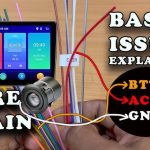
Credit: www.youtube.com
Gather Necessary Tools
Before diving into installing a car amp to your home stereo, gathering the right tools can save you time and frustration. Having everything on hand ensures a smooth process and prevents unexpected interruptions. Think about what you will need to connect these two different systems safely and effectively.
Essential Equipment List
Start by collecting the core tools and materials you’ll need. This includes:
- Car amplifier– the unit you want to integrate with your home stereo.
- Power supply– a suitable DC power source for your car amp, often a 12V adapter.
- RCA cables– to connect audio outputs from your home stereo to the amp.
- Speaker wires– to link the amp to your speakers.
- Wire strippers and cutters– essential for preparing cables.
- Screwdrivers– usually Phillips and flathead, for mounting and connections.
- Multimeter– to test voltage and continuity, ensuring safe wiring.
- Electrical tape or heat shrink tubing– to insulate and protect connections.
Missing one of these can stall your project. Have you checked your toolbox recently?
Safety Precautions
Working with electrical equipment requires caution. Always disconnect any power sources before starting your setup to avoid shocks or short circuits.
Wear protective gloves and eye protection if possible. This reduces risks from accidental sparks or wire cuts.
Double-check your power supply ratings. Using the wrong voltage can damage your car amp or home stereo components. Does your power adapter match the amp’s specifications exactly?
Keep your workspace organized and dry. A clean area minimizes hazards and helps you focus on the installation.
Choose The Right Amplifier
Choosing the right amplifier is key to a smooth installation. It affects sound quality and device safety. A well-matched amp delivers clear sound without distortion or damage. Consider power needs and device compatibility before buying. This step saves time and frustration.
Matching Power Output
Power output must suit your home stereo speakers. Too much power can damage speakers. Too little power causes weak sound and distortion. Check the RMS watt rating of your speakers. Choose an amplifier with equal or slightly higher RMS power. This balance ensures clean, strong audio.
Compatibility With Home Stereo
Not all car amps fit home stereo systems. Look for amps that work with home voltage and inputs. Car amps often run on 12V; home systems use higher voltage. Use a power supply that matches amp needs. Confirm input and output connections match your stereo. Compatibility prevents wiring issues and poor sound.
Prepare The Home Stereo System
Preparing your home stereo system is vital before installing a car amplifier. It helps to avoid damage and ensures smooth integration. Take your time to understand the system layout and connections.
Identify Audio Inputs And Outputs
Start by examining the back of your home stereo. Look for ports labeled as audio inputs and outputs. These may include RCA jacks, speaker wire terminals, or auxiliary ports. Knowing these connections helps to link the car amp properly.
Check the stereo manual if needed. Match output ports on the stereo with input ports on the amplifier. Make a note of the cable types required for connection.
Disconnect Power Sources
Always disconnect the power before working on the stereo. Unplug the home stereo from the wall socket. Turn off any connected power strips or surge protectors.
This step prevents electrical shock and protects your equipment. Double-check that all devices are powered down before starting the installation.
Connect Power Supply To Amp
Connecting the power supply to your car amplifier is essential for it to work with your home stereo. This step requires careful attention to ensure safety and proper function. You must provide the right power source and correctly wire the terminals. Proper power connection prevents damage and guarantees clear sound output.
Select Appropriate Power Source
Choose a power source that matches your amplifier’s voltage and current needs. Most car amps use 12V DC power. For home use, you need a reliable 12V DC power supply with enough amperage. Check the amp’s manual for the required current rating. Use a power supply that can handle more than the minimum amps to avoid overload.
Look for a power supply with these features:
- Stable voltage output
- Overcurrent protection
- Proper wattage rating
Using a power adapter designed for car amplifiers is best. Avoid using low-quality or underpowered supplies.
Wiring Positive And Negative Terminals
Identify the amp’s positive (+) and negative (–) terminals clearly. Connect the positive wire from the power supply to the amp’s positive terminal. Then connect the negative wire to the amp’s negative terminal. Use wires with enough thickness to handle the current safely. Thin wires can overheat and cause failure.
Follow these tips for wiring:
- Use ring terminals for secure connections
- Tighten screws firmly but avoid over-tightening
- Check polarity before powering on
Incorrect wiring can damage your amplifier or power supply. Double-check all connections before turning on the system. Proper wiring ensures stable power flow and protects your equipment.
Wire Audio Connections
Wiring audio connections correctly is key to using a car amp with a home stereo. It ensures clear sound and prevents damage to your equipment. Understanding the types of cables and how to connect them helps create a stable audio system. Below are simple ways to handle wiring for the best sound quality and safety.
Using Rca Cables
RCA cables carry audio signals from your home stereo to the car amplifier. These cables have two connectors: red for right audio and white for left audio. Connect the RCA cables to the stereo’s output jacks. Then plug the other ends into the amp’s input ports matching the colors.
Use good quality RCA cables for better sound and less interference. Avoid stretching or bending the cables tightly. Keep them away from power cords to reduce noise. Secure connections firmly to prevent loose contacts.
Connecting Speaker Wires
Speaker wires deliver amplified sound from the car amp to your home speakers. Use wires that match the amp’s power rating and speaker needs. Strip about half an inch of insulation from each wire end. Connect the positive wire to the amp’s positive terminal and the negative wire to the negative terminal.
On the speaker side, match the positive and negative terminals as well. Use wire connectors or solder for strong, reliable joints. Avoid crossing wires or mixing polarities to prevent sound issues. Keep wires neat and away from heat sources or sharp edges.
Mount The Amplifier Safely
Mounting the amplifier safely is essential to protect your equipment and ensure it works well. A poor installation can cause overheating or damage. Proper placement and secure fixing keep the amp stable and cool. Take time to find the best spot and fix it firmly to avoid accidents.
Choosing A Ventilated Location
Amplifiers produce heat during use. Good airflow helps the amp stay cool and last longer. Pick a spot with open space around the amp. Avoid placing it in tight cabinets or near heat sources.
- Leave at least 2-3 inches of clearance on all sides
- Keep it away from direct sunlight or heaters
- Choose a place with natural air circulation
- Avoid stacking other devices on top
This setup helps prevent overheating and keeps your amp safe.
Securing The Amp In Place
Fix the amplifier firmly to stop it from moving or falling. Movement can damage wires or the amp itself. Use screws or mounting brackets made for your amp model.
- Check for solid surfaces like wood or metal
- Use the mounting holes on the amp base
- Ensure wires have enough slack to avoid stress
- Double-check stability before powering on
Well-secured amps deliver better sound and last longer.
Test The Setup
Testing the setup is crucial after installing a car amp to a home stereo. It ensures all connections are secure and the sound output is clear. This step helps identify any issues before regular use.
Powering On And Initial Checks
Start by turning on the power to the amplifier and stereo system. Listen for any unusual sounds like buzzing or static noise. Check if the amp’s power indicator light is on. Inspect all wires and connections for firmness. Make sure the amplifier does not overheat during this process.
Adjusting Volume And Settings
Begin with the volume low to avoid speaker damage. Slowly increase the volume to a comfortable level. Adjust the bass, treble, and balance settings on the amplifier. Fine-tune settings until the sound is clear and balanced. Confirm the amp and stereo work well together without distortion.
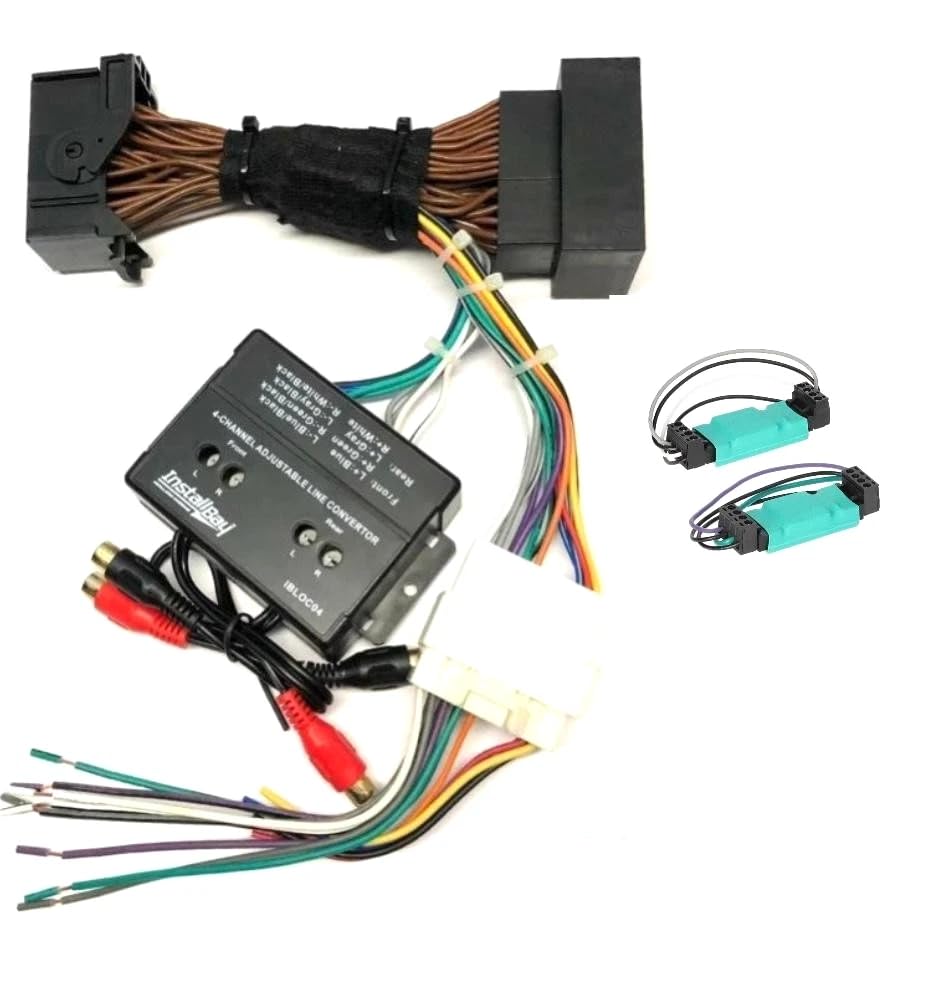
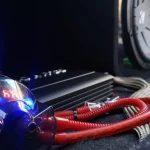
Credit: www.amazon.com
Troubleshooting Common Issues
Installing a car amplifier to a home stereo can bring powerful sound to your setup. Troubleshooting common issues ensures your system works smoothly. Problems like no sound, distortion, or overheating can occur. Understanding these issues helps fix them quickly and enjoy clear audio.
No Sound Output
Check all wiring connections first. Loose or wrong wiring can stop sound. Verify the amplifier’s power and ground wires are secure. Confirm the remote turn-on wire is connected. Make sure the input source from the stereo to the amp is properly linked. Inspect the fuse on the amplifier and replace it if blown. Test the speaker wires for breaks or shorts. Ensure the volume and gain controls are not set too low or off.
Distorted Audio
Distortion often comes from clipping or wrong settings. Lower the gain control on the amplifier to reduce distortion. Check if the speakers can handle the amplifier’s power. Using speakers with low power ratings causes distortion. Inspect speaker wires for damage or poor connections. Make sure the input signal from the stereo is clean and not too high. Avoid turning volume levels to maximum to prevent audio distortion.
Overheating Amp
Amplifiers get hot but should not overheat. Ensure the amp has good ventilation around it. Avoid placing it in tight or enclosed spaces. Check if the amp’s cooling fan works properly. Reduce the gain level to lower the power load. Confirm the speakers’ impedance matches the amplifier’s specs. Overloading the amp with low-impedance speakers causes heat. Turn off the system for some time to cool down if it overheats.
Credit: www.diymobileaudio.com
Frequently Asked Questions
Can You Connect A Car Amp To Home Stereo?
Yes, you can connect a car amp to a home stereo. Use a 12V power supply to power the amp. Connect the amp’s input to the stereo output. Ensure proper impedance matching to avoid damage. Use high-quality cables for optimal sound quality and reduced noise interference.
What Power Supply Is Needed For Car Amp?
A car amp typically requires a 12V DC power supply. Choose a power supply that matches the amp’s wattage requirements. Ensure it provides sufficient current for the amp’s needs. Using an inadequate power supply can lead to performance issues or damage.
How Do You Wire A Car Amp To Home Stereo?
To wire a car amp to a home stereo, connect the stereo’s output to the amp’s input. Use RCA cables for the connection. Ensure proper polarity and secure all connections. Connect the amp to a 12V power source, ensuring adequate power for optimal performance.
Is It Safe To Use Car Amp At Home?
Yes, it’s safe to use a car amp at home with proper setup. Ensure the amp is correctly powered with a 12V supply. Check impedance matching to prevent damage. Follow all safety guidelines and use quality components to ensure optimal performance and safety.
Conclusion
Installing a car amp to a home stereo is easier than it seems. Follow each step carefully and use the right tools. Double-check all connections to avoid damage. Test the sound before finalizing the setup. Enjoy clearer, louder audio in your home.
Take your time and ask for help if needed. This simple upgrade can improve your listening experience greatly. Keep safety in mind during the process. Now, you have a powerful sound system at home without much cost or effort.

Similar Posts