Why Won’T My Car Stereo Work: Quick Fixes to Try Now
Is your car stereo suddenly silent, leaving you wondering, “Why won’t my car stereo work?” You’re not alone.
It’s frustrating when your favorite tunes disappear just as you’re hitting the road. But don’t worry—this problem often has simple solutions. You’ll discover the most common reasons your car stereo might be acting up and easy steps you can take to fix it.
Keep reading, and soon you’ll be back to enjoying your music without missing a beat.

Credit: www.reddit.com
Common Causes Of Stereo Failure
When your car stereo stops working, it can be frustrating and confusing. Understanding the common causes of stereo failure can help you troubleshoot the problem and decide whether you need professional help or a simple fix. Let’s break down the usual suspects behind a dead or malfunctioning car stereo.
Power Supply Issues
Your stereo needs a steady power supply to function. If your car battery is weak or dead, the stereo won’t turn on. Sometimes, a loose connection or a faulty ignition switch can also cut off power.
Have you checked if your dashboard lights and other electrical parts are working? This can give you clues about whether the issue is with your car’s electrical system or just the stereo.
Blown Fuses
Fuses protect your stereo from electrical surges. A blown fuse is a common reason your stereo might go silent suddenly. It’s a quick and easy fix if you know where to look.
Locate your car’s fuse box and check the fuse linked to the stereo. If it’s blown, replace it with one of the same rating. Keep spare fuses handy—you never know when you’ll need one.
Wiring Problems
Wiring issues can cause intermittent sound or no sound at all. Wires can get loose, frayed, or disconnected, especially if recent work was done on your car. Rodents chewing on wires is another surprising but real cause.
Inspect the wiring harness behind the stereo. Look for damaged wires or loose plugs. If you’re not comfortable doing this yourself, a professional can quickly spot and fix wiring problems.
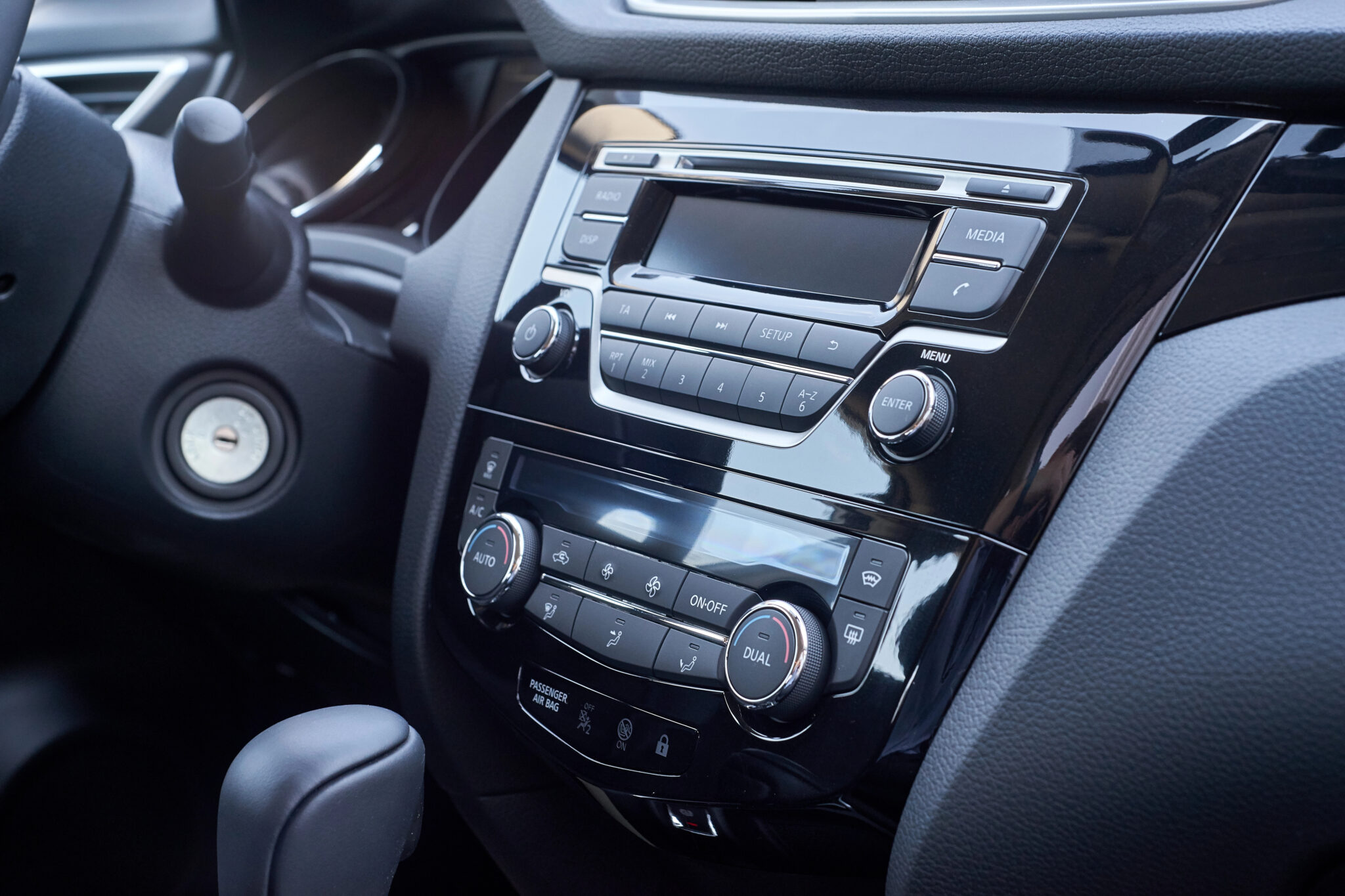
Faulty Head Unit
The head unit is the main control panel of your stereo. It can fail due to internal damage, overheating, or water exposure. Sometimes, the buttons stop responding, or the screen goes blank.
If your stereo powers on but doesn’t play sound or behaves erratically, the head unit might be the culprit. Testing with another head unit or getting a repair estimate can help you decide if replacement is necessary.

Credit: m.youtube.com
Troubleshooting Power Problems
Power issues are one of the most common reasons your car stereo might suddenly stop working. Before assuming it’s a complex electronic failure, start by checking the basics. Power problems can often be fixed with simple tools and a little patience.
Checking The Car Battery
Your car battery is the heart of your vehicle’s electrical system. If the battery is weak or dead, the stereo won’t get the power it needs to turn on.
Try turning on your headlights or interior lights. Do they appear dim or flicker? This could indicate a low battery voltage.
Using a multimeter, check the battery voltage—it should read around 12.6 volts when the engine is off. Anything below 12 volts might cause power issues with your stereo.
Inspecting Fuse Boxes
Fuses protect your car’s electrical circuits, including the stereo. A blown fuse can stop the stereo from getting power entirely.
Locate the fuse box in your car—usually under the dashboard or in the engine compartment. Look for the fuse marked “Radio” or “Stereo.”
Pull it out and inspect it closely. If the thin wire inside is broken or burnt, replace the fuse with one of the same amperage. Have a spare fuse pack handy; it’s a quick fix that might save you a trip to the mechanic.
Testing The Wiring Connections
Loose or damaged wiring can disrupt the power supply to your stereo. Sometimes wires get pulled or corroded, especially if you’ve recently installed new equipment.
Check the wiring harness behind the stereo unit by gently pulling it out. Look for any loose connectors, frayed wires, or signs of corrosion.
Secure any loose connections and clean corrosion with electrical contact cleaner. If you’re unsure, tapping gently on the wires while the stereo is on may reveal if a loose wire is causing intermittent power loss.
Resetting The Stereo System
Resetting the stereo system can fix many common issues. Sometimes the stereo freezes or stops working due to a minor glitch. A reset can clear this problem and bring your system back to normal. This process is simple and does not require special tools. Resetting can also restore factory settings, which helps if incorrect settings cause the issue.
Soft Reset Methods
A soft reset restarts the stereo without erasing your saved settings. It is quick and safe. Here are common soft reset methods:
- Press and hold the power button for about 10 seconds until the system turns off and restarts.
- Remove the stereo’s faceplate, then reattach it after a few seconds.
- Turn off the car engine, open and close the driver’s door, then start the engine again.
Soft resets often fix small software glitches. Try these first before deeper solutions.
Hard Reset Procedures
A hard reset restores the stereo to its original factory settings. This deletes all custom settings and stored data. Use this when soft resets do not work. Follow these steps for a hard reset:
- Locate the reset button, often a small hole on the stereo faceplate.
- Use a pointed object like a paperclip to press and hold the reset button for 5-10 seconds.
- The system will turn off and reboot with factory settings restored.
Some stereos require removing the stereo unit from the dashboard to access reset switches. Consult your user manual for model-specific instructions.
Addressing Audio And Sound Issues
When your car stereo isn’t delivering sound, it can be frustrating and confusing. Addressing audio and sound issues requires a clear look at the basics first. Sometimes the solution is simpler than you think, and checking these common areas can save you a trip to the mechanic.
Adjusting Volume And Settings
Have you ever found your stereo’s volume turned down too low without realizing it? It happens more often than you might expect. Start by turning the volume all the way up to see if sound emerges, then adjust it to a comfortable level.
Check if the stereo is muted or if the balance and fade settings are pushing sound away from your side. Sometimes, the audio might be set to only play through rear or front speakers, which can make it seem like it’s not working. Go through the settings menu carefully; you might find that a quick reset or adjustment brings your music back to life.
Testing Speaker Functionality
Have you tried playing audio from different sources like a CD, radio, or Bluetooth? If one source plays while another doesn’t, the problem might be with the input rather than the stereo itself. Testing this helps narrow down the issue quickly.
Next, examine the speakers themselves. You can test each speaker by gently tapping near its location while playing sound—if you hear a buzzing or distorted noise, the speaker might be damaged. Wiring issues can also cause no sound, so check connections behind the stereo or at the speaker terminals. If you’re comfortable, use a multimeter to test for continuity in the wiring.
Have you ever found that a simple speaker replacement fixed your whole sound problem? Sometimes, a single faulty speaker can silence your entire system. Don’t overlook this easy fix when troubleshooting.
When To Seek Professional Help
Sometimes car stereo problems need expert attention. Simple fixes might not solve deep issues. Knowing when to call a professional saves time and avoids damage. Professionals have tools and skills for tricky repairs. They ensure safety and proper functioning.
Complex Electrical Repairs
Electrical faults can be hard to find and fix. Wiring issues or blown fuses need careful checking. Professionals understand car electrical systems well. They use special tools to diagnose problems fast. Trying complex repairs without knowledge risks more damage. Leave these tasks to trained technicians for safety.
Replacing The Stereo Unit
Replacing a car stereo requires skill and care. Incorrect installation can cause wiring problems or stereo failure. Professionals ensure the new unit fits and works properly. They handle connections and settings with precision. This avoids future issues and protects your car’s electronics. Trust experts for a smooth, safe stereo upgrade.

Credit: www.reddit.com
Frequently Asked Questions
Why Is My Car Stereo Not Turning On?
Your car stereo might not turn on due to a blown fuse, faulty wiring, or a dead battery. Check the fuse box and wiring connections. If the issue persists, your stereo might need professional inspection to diagnose internal problems.
Why Is There No Sound From My Car Stereo?
If there’s no sound, check the volume and balance settings first. Ensure the speakers are connected properly. Faulty wiring, blown speakers, or a malfunctioning amplifier could also be the culprit. Consult with a technician if needed.
Why Does My Car Stereo Keep Shutting Off?
Frequent shutdowns can be caused by poor wiring, overheating, or a faulty head unit. Ensure proper ventilation around the stereo to prevent overheating. Double-check all wiring connections and consider a professional check-up if the problem continues.
Why Is My Car Stereo Display Not Working?
A non-functioning display might result from a loose connection, blown fuse, or defective display unit. Inspect the wiring and fuses associated with the stereo. If issues remain, consult a professional for further evaluation and repair.
Conclusion
Car stereo problems can be frustrating and confusing. Check the basics first: power, connections, and fuses. Small issues often cause big troubles. Don’t ignore simple fixes like loose wires or blown fuses. Sometimes, the problem needs a professional touch. Taking quick action can save money and time.
Your car stereo should work smoothly with proper care. Keep these tips in mind for future issues. Enjoy your music without interruption!