How Much Do Car Stereo Systems Cost: A Complete Guide
Are you thinking about upgrading your car’s sound system but unsure how much it will cost? Knowing the price range of car stereo systems can help you make the best choice without breaking the bank.
Whether you want crisp sound for your daily commute or a powerful setup for road trips, understanding what affects the cost is key. Keep reading to discover how much you might spend, what features influence prices, and how to get the best value for your money.
Your perfect car stereo could be closer than you think.
Price Ranges For Car Stereo Systems
Understanding the price ranges for car stereo systems can help you make a smart choice that fits your budget and audio needs. Car stereos come in a wide variety of prices, each offering different features and sound quality. Let’s break down what you can expect at different price points so you know exactly where to start looking.
Budget-friendly Options
If you want to improve your car’s audio without spending a lot, budget-friendly car stereos are a great place to begin. These models typically range from $50 to $150. They usually include basic features like AM/FM radio, Bluetooth connectivity, and USB ports.
These systems are perfect if you mainly want clear sound for calls and simple music playback. I once upgraded to a budget model and noticed an instant improvement in sound clarity, which made my daily commute more enjoyable. Would you be satisfied with just the essentials or do you need more advanced features?
Mid-range Systems
Mid-range car stereos fall between $150 and $400. At this level, you start seeing better sound quality and additional features like touchscreens, smartphone integration, and enhanced equalizer settings. These systems often support Apple CarPlay and Android Auto, making them great for tech-savvy drivers.
Choosing a mid-range system means you’re investing in a more immersive experience. You can customize your music and access apps seamlessly. Think about how often you use your phone in the car and whether features like navigation or voice commands would improve your drive.
High-end Models
High-end car stereo systems usually cost $400 and up, with some premium models reaching well over $1,000. These offer top-notch sound quality, advanced customization options, and features like multi-zone audio and high-resolution displays. Installation may involve professional tuning to get the best performance.
I once tested a high-end system that transformed my car into a mini concert hall. The clarity and depth of sound were unbelievable, but it did come with a hefty price tag. Ask yourself if your car audio setup is a hobby or a necessity, as these models cater to audiophiles who demand the best.
Factors Influencing Car Stereo Costs
Car stereo costs vary widely due to several key factors. These factors shape the final price you pay. Understanding them helps you make smarter choices. Here are the main elements that influence car stereo costs.
Brand And Quality
Popular brands often charge more for their reputation and reliability. High-quality materials and parts increase the stereo’s durability. Well-known brands usually provide better sound clarity. Lesser-known brands may offer cheaper options but lower quality. Brand name impacts price significantly, but so does the build quality.
Features And Technology
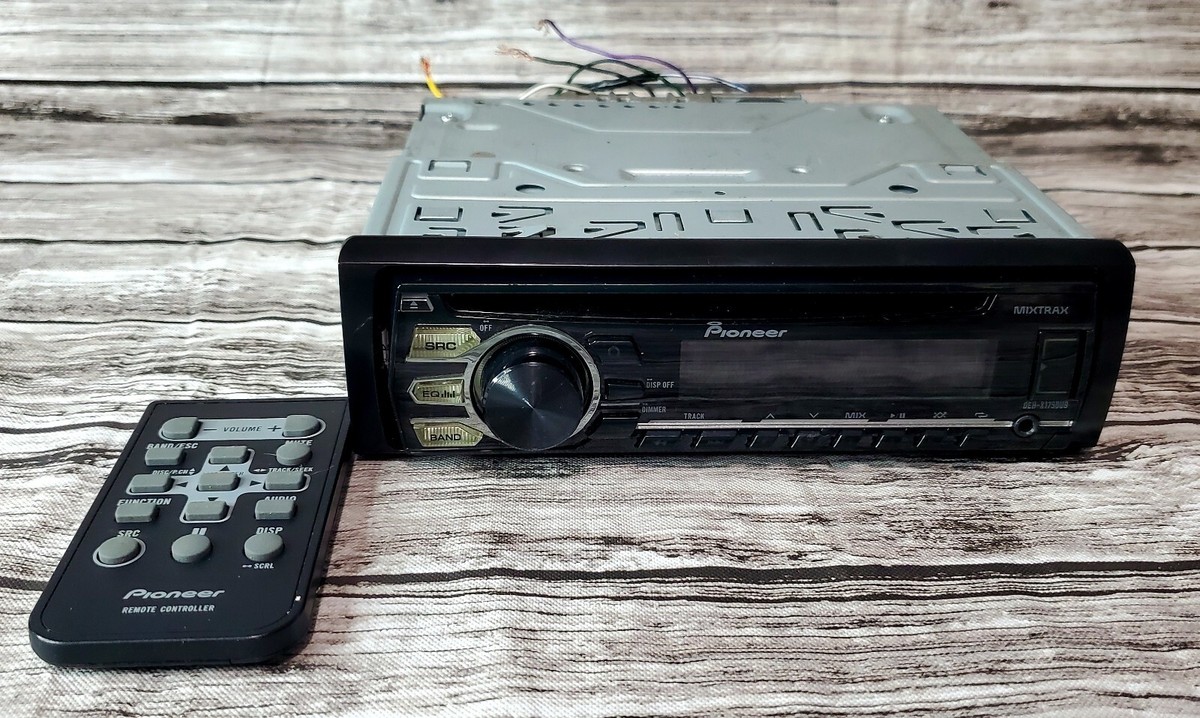
Basic stereos with simple radio and CD players cost less. Advanced models include touchscreens, Bluetooth, and smartphone integration. Features like GPS navigation and voice control add to the price. Surround sound systems or extra speakers also increase costs. The more features, the higher the overall price.
Installation Expenses
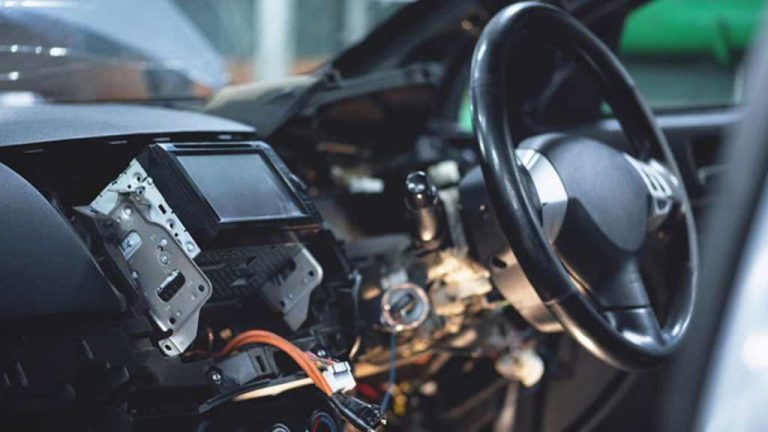
Professional installation adds to the total cost. Complex systems require more time and skill to install. Custom installations or additional wiring increase labor fees. Installing a stereo yourself saves money but may risk damage. Always consider installation costs when budgeting for a car stereo.
Types Of Car Stereo Systems
Choosing the right car stereo system depends largely on the type you select. Different systems offer various features, sizes, and price points. Understanding these types helps you pick a stereo that fits your needs and budget perfectly.
Single-din Vs Double-din
Car stereos come in two main sizes: single-DIN and double-DIN. Single-DIN units are compact, usually about 2 inches tall, fitting older or smaller dashboard slots.
Double-DIN systems are twice the height, around 4 inches, allowing for larger displays and extra features. If your car supports it, double-DIN offers more options like bigger screens and advanced controls.
Think about your dashboard space and what features matter most before deciding. Are you okay with a basic setup, or do you want a system that feels like a mini entertainment center?
Touchscreen Systems
Touchscreen car stereos have become popular for their ease of use. They mimic smartphone interfaces, letting you tap and swipe to control music, navigation, and settings.
Many touchscreen models include built-in GPS, Bluetooth, and even voice control. This makes driving safer by reducing the need to fiddle with buttons.
If you enjoy using apps and want a sleek, modern look, a touchscreen stereo might be worth the extra investment. Ask yourself if you prefer tactile buttons or a smooth glass screen for your driving experience.
Smartphone Integration Models
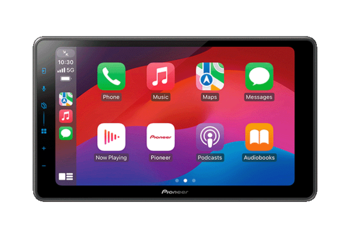
Smartphone integration systems connect your phone directly to the car stereo. Popular platforms like Apple CarPlay and Android Auto let you access calls, messages, maps, and music safely.
These models often require a touchscreen and internet connection but provide seamless syncing with your favorite apps. They’re perfect if you rely heavily on your phone while on the road.
Consider whether you want your stereo to act as an extension of your phone. Would having your apps and contacts on your dashboard make your drives easier and more enjoyable?
Additional Components Affecting Price
Additional components play a big role in the total cost of a car stereo system. Each piece adds to the price but also improves sound quality and performance. Understanding these parts helps plan your budget better.
Speakers And Subwoofers
Speakers and subwoofers are key to sound clarity and bass depth. Standard speakers cost less but offer basic sound. Premium speakers provide richer audio but come at a higher price. Subwoofers boost bass sounds and vary widely in price. Size, power, and brand affect their cost. Adding a subwoofer can make your music feel alive.
Amplifiers And Equalizers
Amplifiers increase sound power and prevent distortion at high volume. Simple amps are affordable, while high-end models cost more. Equalizers let you adjust tones for a custom sound experience. Basic equalizers are cheap, but advanced units with multiple bands cost extra. These components improve audio quality and let you control sound precisely.
Wiring And Accessories
Proper wiring and accessories ensure your system works safely and efficiently. Quality cables, connectors, and mounting kits add to the total price. Cheap wiring might cause signal loss or damage. Accessories like remote controls or Bluetooth adapters also add value. Spending on good wiring protects your investment and improves overall performance.
Cost Comparison: Diy Vs Professional Installation
Choosing between DIY installation and hiring a professional for your car stereo system can significantly affect your overall cost. Both approaches have their advantages and drawbacks, especially when you consider the price, time investment, and potential risks. Understanding these differences helps you make a smarter decision for your budget and your vehicle’s audio quality.
Cost Breakdown Of Diy Installation
DIY installation mainly involves the price of the stereo system and any necessary tools. You might spend anywhere from $50 to $500 on the stereo itself, depending on the features you want.
Additional costs could include wiring kits or mounting brackets, which usually add about $20 to $100. If you already own basic tools like screwdrivers and wire strippers, your expenses stay low.
Keep in mind, mistakes during installation can cause damage, leading to extra repair costs. Have you thought about whether you’re comfortable troubleshooting wiring or fitting parts without professional help?
Professional Installation Costs Explained
Professional installation often costs between $75 and $200, but this varies by location and complexity of the system. This fee covers labor, expertise, and sometimes a warranty on the work done.
While the upfront price is higher than DIY, professionals reduce the risk of errors and save you time. They also handle tricky wiring and integration with your car’s existing electronics.
Think about the value of peace of mind. Would you rather pay a bit more upfront or risk costly mistakes later?
Comparing Value: What You Get For Your Money
| Aspect | DIY Installation | Professional Installation |
|---|---|---|
| Cost | Lower upfront cost, potential hidden expenses if errors occur | Higher upfront cost, includes labor and warranty |
| Time | Can take several hours, depending on skill level | Usually completed within 1-2 hours |
| Risk | Higher chance of mistakes, possible damage to vehicle | Minimal risk with expert handling |
| Skill Required | Basic to advanced, depending on stereo complexity | No skill needed from your side |
Deciding between DIY and professional installation depends on your confidence and willingness to invest time versus money. Could saving $100 or more be worth the effort and potential headaches? Or is your time and peace of mind priceless?

Credit: www.ebay.ca
Where To Buy Car Stereo Systems
Choosing where to buy your car stereo system can significantly impact both your budget and satisfaction with the product. Different sellers offer various benefits, from competitive pricing to expert advice and installation services. Knowing your options helps you find the best deal and the perfect stereo for your needs.
Online Retailers
Online stores like Amazon, Crutchfield, and Sonic Electronix offer a vast selection of car stereo systems. You can compare prices, read customer reviews, and often find discounts that brick-and-mortar stores don’t provide. Shopping online is convenient, but make sure to check return policies and warranty details before purchasing.
Specialty Car Audio Stores
Specialty stores focus solely on car audio equipment, offering expert advice and hands-on demonstrations. These shops often provide installation services, which can save you time and ensure proper setup. Visiting a specialty store lets you ask questions and get personalized recommendations based on your car model and listening preferences.
Big-box Electronics Stores
Stores like Best Buy or Walmart carry a range of car stereos suitable for various budgets. While their selection might be smaller than specialty shops or online retailers, they offer the advantage of immediate pickup and sometimes in-store installation. You can see the products in person, which helps if you prefer inspecting before buying.
Tips For Getting The Best Value
Finding the best value in a car stereo system means balancing quality, price, and features. Smart choices help avoid overspending while ensuring good sound and durability. Focus on what you really need and plan your purchase carefully.
Evaluating Your Needs
Think about how you use your car stereo daily. Do you want basic radio and CD functions or advanced Bluetooth and navigation? Choose features that fit your lifestyle. Avoid paying for extras you won’t use.
- Decide on sound quality versus budget.
- Consider compatibility with your car model.
- Check if you want touchscreen or simple controls.
Looking For Discounts And Deals
Deals can lower costs significantly. Watch for sales during holidays and special events. Compare prices online and in stores before buying. Sometimes older models offer great value without missing key features.
- Check manufacturer websites for promotions.
- Use coupon codes and cashback offers.
- Consider bundled packages with speakers or installation.
Considering Future Upgrades
Think about upgrading your system later. Choose a stereo that supports add-ons like extra speakers or amps. This saves money by avoiding full replacements. A modular system grows with your needs.
- Look for expandable inputs and outputs.
- Pick models compatible with newer tech.
- Plan installation with upgrade paths in mind.
Credit: www.bestbuy.com

Credit: www.ebay.ca
Frequently Asked Questions
What Is The Average Cost Of A Car Stereo System?
The average car stereo system costs between $100 and $500. Prices vary by brand, features, and installation fees. Basic models start at $50, while premium systems with advanced features can exceed $1,000.
How Much Does Professional Car Stereo Installation Cost?
Professional installation typically costs between $50 and $200. The price depends on the vehicle type and system complexity. Some shops offer free installation with purchase, while others charge separately.
Are High-end Car Stereo Systems Worth The Extra Cost?
High-end systems offer superior sound quality and advanced features. They enhance your listening experience but come at a premium price. Consider your budget and audio needs before investing in a top-tier system.
Can I Save Money By Installing A Car Stereo Myself?
Yes, DIY installation saves labor costs, usually $50 to $200. However, it requires basic tools and technical skills. Improper installation may cause system issues or damage.
Conclusion
Car stereo systems come in many price ranges. Basic models cost less but offer fewer features. Premium systems have better sound and extra functions but cost more. Installation costs can vary, too. Consider your budget and needs before choosing. A good stereo can improve your driving experience.
Take time to compare options and prices. This helps you find the best value. Enjoy clear music and easy controls in your car.