How to Connect a Car Amplifier in the House: Easy Step-by-Step Guide
Have you ever wondered if you can enjoy the powerful sound of your car amplifier right inside your home? Imagine filling your room with deep bass and crystal-clear audio, just like you do in your car.
Connecting a car amplifier in the house might sound tricky, but it’s easier than you think. In this guide, you’ll discover simple steps to bring your car audio experience indoors. Ready to boost your home sound system with your car amplifier?
Keep reading, and you’ll be playing your favorite music louder and better in no time.
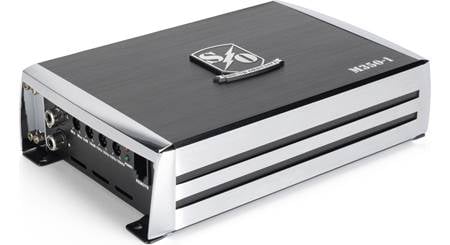
Credit: www.crutchfield.com
Required Tools And Materials
Setting up a car amplifier in your house requires more than just plugging it in. You’ll need specific tools and materials to ensure it works safely and efficiently. Knowing what to gather beforehand saves time and frustration, and it helps you avoid damaging your equipment or home wiring.
Amplifier Specifications
Start by checking the amplifier’s power ratings and input requirements. Most car amplifiers run on 12V DC power, unlike home audio gear that uses AC power. You must know the amplifier’s RMS power output and impedance to match it correctly with your speakers and power source.
Pay attention to the input signals the amplifier accepts. Some amps require a specific signal level, like RCA or speaker-level inputs. Understanding these details can prevent poor sound quality or connection problems.
Power Supply Options
Your amplifier needs a stable 12V DC power source with enough current capacity to run properly. A common choice is a car battery or a dedicated 12V power supply designed for audio equipment. Look for power supplies that can provide at least 20-30 amps, depending on your amplifier’s power rating.
Consider safety features like fuses or circuit breakers to protect your equipment and home wiring. If you want a quieter operation, a regulated power supply can reduce electrical noise, which directly affects sound clarity.
Wiring And Connectors
Use thick gauge wires to handle the current without overheating—usually 8 or 10 gauge works well. Make sure you have quality connectors like ring terminals for power connections and RCA plugs for audio inputs. Avoid cheap wires as they can cause signal loss or even shorts.
Don’t forget about a good ground connection. A solid ground reduces noise and prevents interference. Secure all connections tightly to avoid loose contacts that might cause intermittent sound or damage.
- Wire stripper and crimper tool
- Multimeter for testing voltage and continuity
- Fuse holder and appropriate fuse
- Heat shrink tubing or electrical tape
Have you checked your workspace for these tools and materials? Missing even one can turn a simple setup into a troubleshooting nightmare. Gathering the right gear upfront makes your project smoother and more enjoyable.

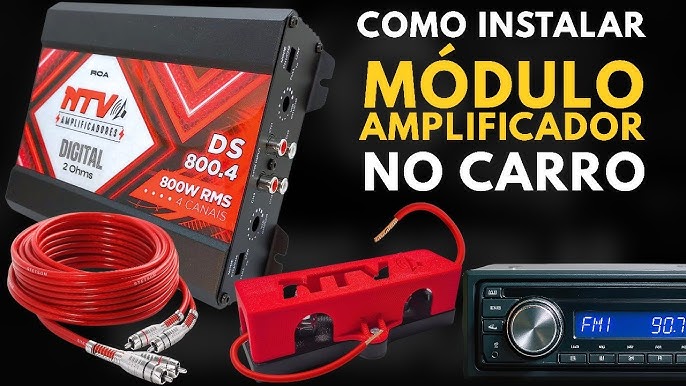
Credit: www.youtube.com
Choosing The Right Power Source
Choosing the right power source is crucial for connecting a car amplifier in your house. Car amplifiers are designed to run on 12V DC power, unlike household AC power. Supplying the correct voltage and current ensures the amplifier works well without damage. A stable and sufficient power source also helps deliver clear sound and avoid interruptions.
There are a few common options for powering your car amplifier at home. Each has pros and cons based on cost, safety, and ease of use. Understanding these options helps you select the best fit for your setup and budget.
Using A Dc Power Supply
A DC power supply converts household AC to the 12V DC your amplifier needs. It is a clean and steady power source. Look for a power supply that can provide at least the amplifier’s current rating, often 20-30 amps.
Benefits include:
- Consistent voltage output
- Built-in safety features
- Compact and easy to use
Choose a power supply with a good heat dissipation system. This prevents overheating during long use. A regulated power supply protects your amplifier from power spikes.
Adapting A Car Battery
A car battery offers a direct 12V power source with high current capacity. It is inexpensive and easy to find. However, batteries require regular charging and maintenance.
To adapt a car battery:
- Use a suitable fuse to prevent damage
- Connect the amplifier’s ground to the battery negative terminal
- Use thick gauge wires to handle high current
Keep the battery in a well-ventilated area to avoid gas buildup. Avoid short circuits by properly insulating all connections.
Safety Precautions
Powering a car amplifier at home involves risks. Follow safety steps to protect yourself and your equipment.
- Use a fuse or circuit breaker near the power source
- Ensure all wiring is secure and insulated
- Keep the power source away from water and heat
- Disconnect power before making any wiring changes
- Wear protective gear when handling batteries
Failing to follow these precautions can cause electric shock, fire, or equipment damage. Always double-check your setup before powering on the amplifier.
Preparing The Amplifier For Indoor Use
Getting your car amplifier ready for use inside your home requires careful preparation. Unlike in a car, the environment, power source, and connections differ significantly. Taking time to properly set up your amplifier ensures optimal sound quality and safety while preventing damage to your equipment.
Locating Input And Output Ports
Start by identifying the input and output ports on your amplifier. Most car amplifiers have RCA inputs designed for connecting to a head unit or audio source. Look for labels like “Input,” “RCA,” or “Line In” to connect your indoor audio device.
On the output side, you’ll find terminals for speakers or subwoofers. Double-check that these connections match your home speakers’ specifications. Using proper cables and adapters is crucial to avoid signal loss or damage.
Setting Gain And Filters
Adjusting the gain controls and filters before use can save you from distortion and poor audio performance. Your amplifier’s gain knob controls how much signal is amplified, so start low and increase gradually while listening for clean sound.
Filters like low-pass or high-pass help you tailor the sound to your speakers. For example, use a low-pass filter for a subwoofer to block higher frequencies. Are you curious how small tweaks in these settings affect your listening experience? Experiment gently to find what sounds best in your room.
Ensuring Proper Ventilation
Amplifiers generate heat, and indoor use can sometimes trap this heat, risking overheating. Place your amplifier in a well-ventilated area, away from enclosed cabinets or direct sunlight.
Avoid stacking other electronics on top or surrounding it with clutter. Have you noticed your amplifier getting unusually warm? Adding a small fan or elevating the unit can improve airflow and extend its lifespan.
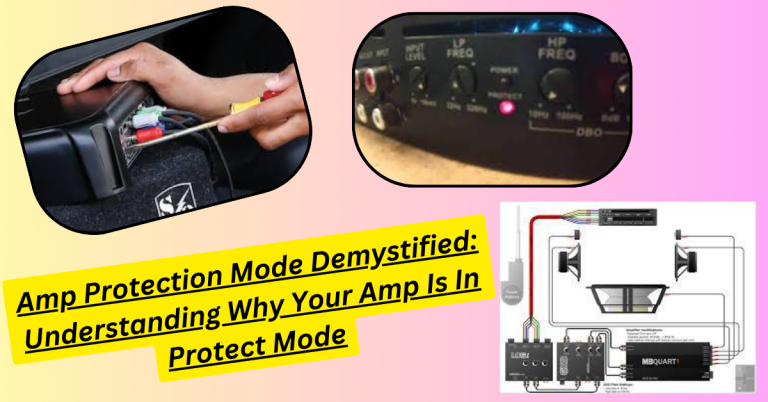
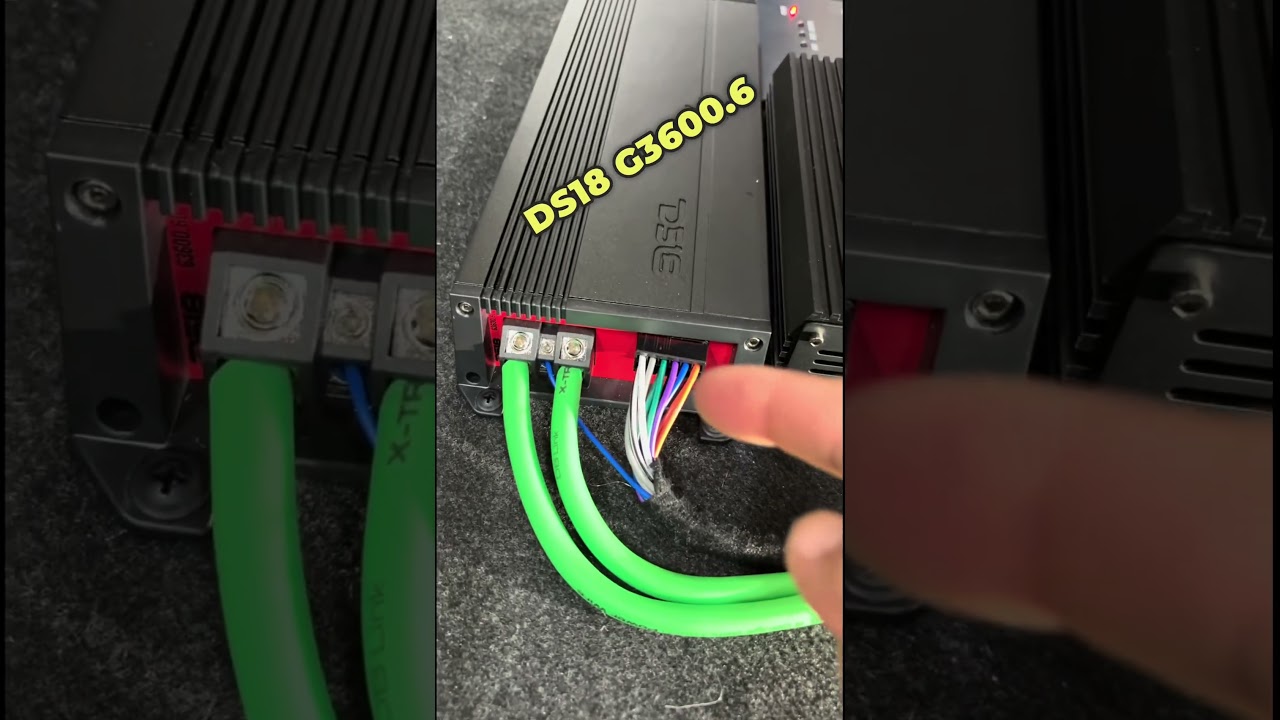
Credit: www.diymobileaudio.com
Wiring The Amplifier
Wiring the amplifier is a key part of setting up your car amplifier for home use. Proper wiring ensures the amplifier works safely and delivers great sound. This section explains how to connect power, ground, audio inputs, and speakers clearly.
Connecting Power Cables
Use a power supply that matches the amplifier’s voltage needs. Connect the positive power cable from the power supply to the amplifier’s power input. Use a fuse close to the power source to protect the circuit. Make sure the cable is thick enough to handle the current. Secure all connections tightly to avoid shorts or loose contacts.
Grounding The Amplifier
Ground the amplifier properly to prevent noise and electrical issues. Attach the ground wire to a clean, bare metal surface near the amplifier. Use a thick wire similar to the power cable size. Check that the connection is secure and free of paint or rust. A good ground helps reduce hum and interference in the sound.
Hooking Up Audio Inputs
Connect the audio source to the amplifier’s input using RCA cables or speaker-level inputs. Make sure the cables are fully plugged into the correct input jacks. Keep audio cables away from power cables to reduce noise. Test the input signal by playing music at low volume before full use. Clear connections help maintain sound quality.
Connecting Speakers
Use speaker wires to connect the amplifier output to your speakers. Match the positive and negative terminals on both the amplifier and speakers. Use wire of proper gauge to handle the amplifier’s power output. Avoid crossing wires to prevent short circuits. Test speaker connections with low volume first to ensure proper sound.
Testing The Setup
Testing your car amplifier setup at home is a crucial step to ensure everything works smoothly before you get lost in adjustments. This phase helps you catch any safety concerns and sound issues early, saving you from potential damage or frustration. Are you ready to hear your system at its best and troubleshoot like a pro?
Powering On Safely
Before turning on the amplifier, double-check all connections for tightness and correct polarity. Make sure the power supply matches the amplifier’s voltage and current requirements to prevent damage.
Use a multimeter to verify voltage stability at the amplifier’s terminals. Switch the power on gently, and be alert for any unusual smells or sounds that might indicate a problem. Have a fire extinguisher nearby—better safe than sorry.
Checking For Sound Quality
Start by playing a familiar track with a wide range of frequencies to test bass, mids, and highs. Listen carefully for clarity, distortion, or any buzzing noises. Adjust the gain and tone controls slowly to find the sweet spot without pushing the amplifier too hard.
Try different volume levels to check how the amplifier performs at low and high outputs. Is there any crackling or abrupt cut-off? This can signal wiring issues or a need for better grounding.
Troubleshooting Common Issues
If you notice no sound or distortion, first ensure all cables are firmly connected and that the source device is working properly. A loose ground wire or incorrect fuse rating can cause humming or intermittent sound.
Check the amplifier’s built-in protection mode indicators—they often help diagnose overheating or short circuits. Sometimes, simply swapping RCA cables or testing with a different speaker can reveal the root cause.
Have you experienced unexpected noise or power issues? Try isolating components one at a time to pinpoint what’s causing the problem. This approach saves time and prevents unnecessary replacements.
Tips For Optimal Performance
Getting the best sound out of your car amplifier at home takes more than just plugging it in. Paying attention to certain details can boost performance and protect your equipment. Let’s look at some practical tips that make your setup run smoothly and sound great.
Avoiding Overheating
Amplifiers generate heat, especially when used outside their usual car environment. Make sure your amp is placed in a well-ventilated area to let heat escape easily.
Try not to stack other electronics on top of the amplifier. Even a small fan nearby can help keep temperatures down during long listening sessions.
Have you noticed your amp getting unusually warm? It might be time to check the internal cooling system or add a heat sink to prevent damage.
Maintaining Stable Connections
Loose or poor connections can cause sound dropouts and even damage your amplifier. Use quality cables with secure plugs to keep the connection solid.
Regularly inspect all wires for frays or corrosion, especially if your setup moves around or is temporary. A simple twist or tug can reveal weak spots.
Grounding is another critical factor. A bad ground can introduce noise or hum—have you checked your grounding point recently?
Adjusting Settings For Home Audio
Car amplifiers are tuned for a different environment than your living room. Start by lowering the gain control to avoid distortion since home speakers usually need less power.
Experiment with bass and treble settings to match your room’s acoustics. Rooms with lots of soft furniture absorb sound differently than empty spaces.
Don’t forget to adjust the crossover settings to suit your home speaker types. Have you tried different crossover points to find where your system sounds best?
Frequently Asked Questions
How Do I Power A Car Amplifier At Home?
You need a 12V power supply or a car battery to power your amplifier. Use a suitable fuse for safety. Connect the power and ground wires securely to avoid damage.
Can I Use A Home Speaker With A Car Amplifier?
Yes, but ensure the speaker impedance matches the amplifier’s output. Car amps usually work with 4-ohm speakers. Check power ratings to prevent speaker damage or poor sound quality.
What Cables Are Needed To Connect A Car Amp Indoors?
Use RCA cables to connect audio sources to the amplifier. Power cables require proper gauge wire for safe current flow. Speaker wires should be of good quality for clear sound transmission.
Is It Safe To Run A Car Amplifier Inside The House?
Yes, if you ensure proper ventilation and secure wiring. Avoid overheating by not enclosing the amp in tight spaces. Follow electrical safety standards to prevent hazards.
Conclusion
Connecting a car amplifier at home is simpler than it seems. Follow the steps carefully for best results. Ensure you have the right tools and materials ready. Double-check all connections for safety. Remember, patience is key during setup. Enjoy the boost in sound quality once installed.
Troubleshoot if issues arise; don’t get discouraged. Practice makes perfect, and soon you’ll be a pro. Feel the music fill your space. Happy listening!