
Are you ready to enjoy endless music, talk shows, and exclusive channels right in your car? Connecting your XM Radio to your car stereo might seem tricky, but it doesn’t have to be.
Imagine having your favorite stations come alive with crystal-clear sound every time you drive. In this guide, you’ll discover simple, step-by-step instructions to get your XM Radio hooked up quickly and easily. Stay with me, and by the end, you’ll be cruising with the perfect soundtrack wherever you go.
Choosing The Right Xm Radio Receiver
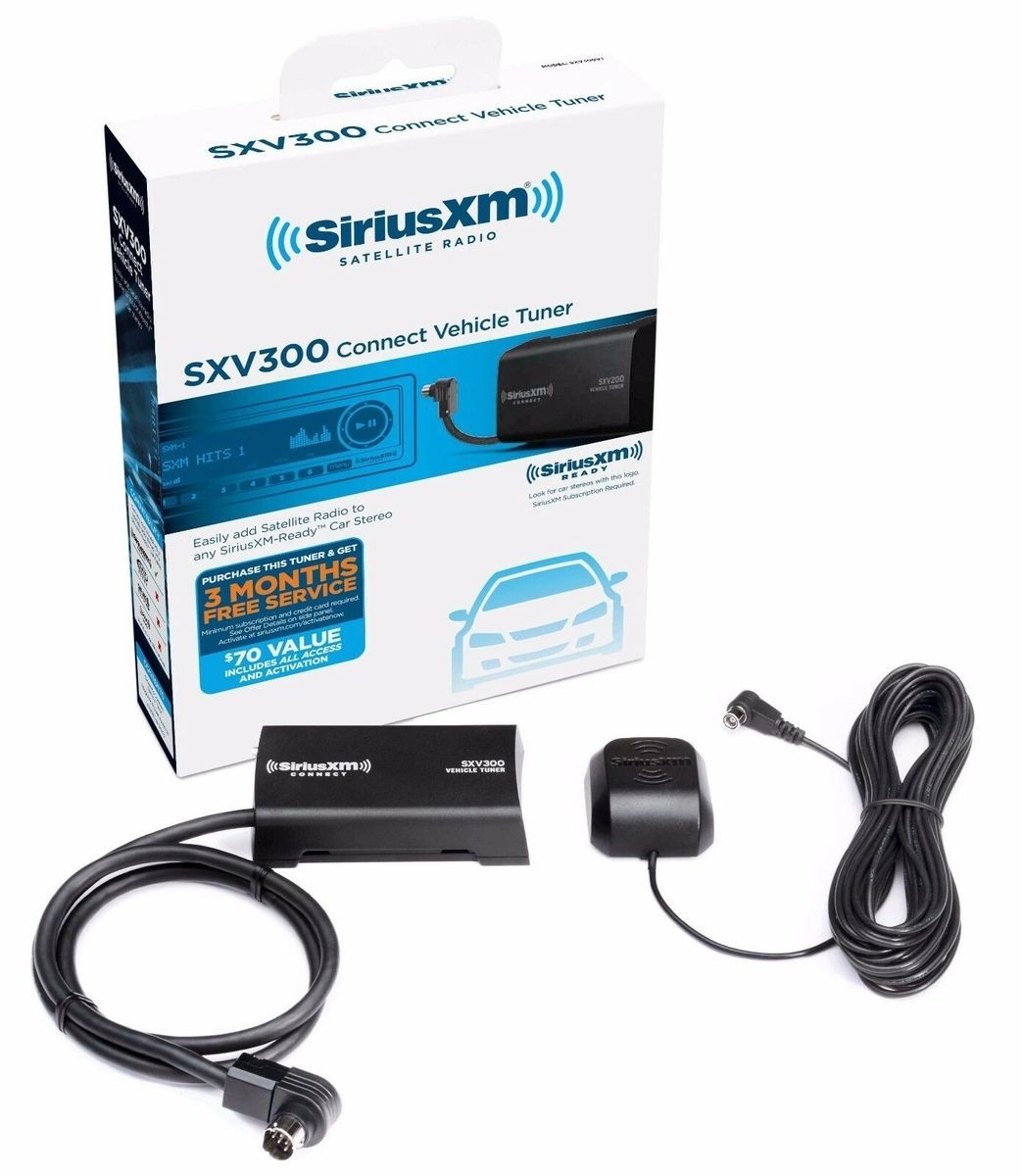
Choosing the right XM radio receiver is key for a smooth listening experience. The receiver acts as the bridge between your XM subscription and your car stereo. Picking the right model ensures clear sound and easy control. It also helps avoid compatibility problems.
Consider your car type, budget, and desired features before buying. Some receivers offer extra functions like Bluetooth or presets. Others focus on simplicity and affordability. Understanding the options makes your choice easier and more satisfying.
Types Of Xm Radio Receivers
- Portable Receivers:Small, easy to move between cars. Often include built-in speakers.
- Dashboard Receivers:Installed on or in the dashboard. Provide better integration with car controls.
- Docking Receivers:Connect directly to compatible car stereos. Offer high sound quality.
- Integrated Receivers:Built into aftermarket car stereos. Combine radio and XM in one unit.
Compatibility With Car Models
Not every receiver fits all car models. Check the receiver’s specifications for your vehicle’s make and year. Some receivers need special adapters or wiring harnesses. Ensure the receiver supports your car’s stereo system type—analog or digital.
Older cars might require an external antenna or adapter. Newer cars often have built-in XM capability or easy plug-in options. Confirm the power supply and connection ports match your car’s setup. Compatibility prevents installation headaches and poor sound quality.
Credit: www.ebay.ca
Gathering Necessary Tools And Accessories
Before you begin connecting your XM radio to your car stereo, it’s important to gather all the necessary tools and accessories. Having everything ready will save you time and help avoid frustration during installation. Think about the types of connections your car stereo supports and what accessories you might need to make the setup smooth.
Essential Cables And Adapters
Your XM radio connection depends largely on the cables and adapters you have. Most commonly, you’ll need an auxiliary (aux) cableif your stereo has an aux input. This simple cable plugs into your XM radio’s headphone jack and your car’s aux port, offering a straightforward connection.
If your car stereo lacks an aux input, a FM modulatormight be necessary. This device broadcasts the XM radio signal over an unused FM frequency, letting you tune your stereo to that channel. Also, some installations require an adapter harnessthat matches your car’s wiring to the XM radio’s connectors.
- Auxiliary (3.5mm) cable
- FM modulator (if no aux input)
- Adapter harness specific to your car model
- Power cable for the XM radio unit
Optional Installation Tools
While you can sometimes connect everything with just cables, having a few tools makes the job easier and more professional. A wire stripperhelps prepare wires if you need to connect adapter harnesses or power cables. A set of screwdriverswill allow you to remove panels or the car stereo itself.
Some find a multimeteruseful to test electrical connections and avoid wiring mistakes. Don’t overlook electrical tapeor zip tiesto secure wires neatly, which prevents rattles and keeps your installation clean.
- Wire stripper and cutter
- Phillips and flathead screwdrivers
- Multimeter for testing
- Electrical tape and zip ties
Have you checked if your car stereo supports any specific connection types? Knowing this early will determine which cables and tools are truly necessary for your setup. Gathering the right accessories upfront not only makes your work easier but also ensures a better listening experience once your XM radio is connected.
Preparing Your Car Stereo
Preparing your car stereo is essential before connecting your XM Radio. It helps ensure a smooth setup and great sound quality. This step involves identifying your stereo system and understanding its audio input options. Knowing these details makes the connection process easier and more effective.
Locating The Stereo System
Start by finding your car stereo unit. It is usually in the center of the dashboard. Look for a rectangular device with buttons and a display screen. Some cars have a built-in stereo, while others use an aftermarket system. Check if your stereo is removable or fixed. This can affect how you connect your XM Radio.
Checking Audio Input Options
Next, check the audio input options on your car stereo. These inputs allow your XM Radio to connect and play sound. Common inputs include:
- Auxiliary (AUX) input – a 3.5mm jack for audio cables
- USB port – for digital connections
- Bluetooth – wireless audio streaming
- FM transmitter – using the car’s radio frequencies
Identify which inputs your stereo supports. This will help you choose the best connection method for your XM Radio.
Connecting Xm Radio To The Stereo
Connecting XM Radio to your car stereo lets you enjoy a wide range of channels and clear sound. The process varies based on your car stereo model and available inputs. Some options need simple cables, while others require more setup. Choose the best way that fits your car and equipment.
Using Auxiliary Input
Many car stereos have an auxiliary (AUX) input. This is a simple and direct way to connect XM Radio. Use a 3.5mm audio cable to link the XM receiver to the AUX port.
- Plug one end of the cable into the XM radio’s headphone jack.
- Connect the other end to the car stereo AUX input.
- Switch the car stereo to AUX mode to hear XM channels.
This method provides clear sound and easy control through the XM radio.
Connecting Via Fm Transmitter
An FM transmitter sends the XM radio signal to your car stereo’s FM tuner. This method works well if no AUX input is available.
- Plug the FM transmitter into the XM radio’s headphone jack or power source.
- Set the transmitter to an unused FM frequency.
- Tune your car stereo to the same FM frequency.
This setup requires no wiring and works with most car stereos. Sound quality depends on the FM signal strength.
Wiring Directly To The Stereo
Wiring the XM radio directly to the stereo offers a secure and high-quality connection. This method is best for built-in systems or aftermarket stereos with auxiliary input ports.
- Disconnect the car stereo from power before starting.
- Locate the stereo’s auxiliary or input wiring harness.
- Connect the XM radio’s audio output wires to the stereo input wires.
- Secure all connections with wire connectors or soldering.
- Reinstall and power on the stereo.
This installation may need technical skill or professional help. It avoids interference and delivers clear audio.
Activating And Syncing Your Xm Radio
Activating and syncing your XM Radio ensures you get seamless access to your favorite channels right from your car stereo. This process is straightforward, but it requires attention to detail to avoid interruptions during your drive. Let’s break down the key steps to get your XM Radio up and running smoothly.
Powering On The Receiver
First, make sure your XM Radio receiver is properly connected to your car stereo system and the power source. Turn on your car’s ignition; this usually powers the receiver automatically. If it doesn’t, look for a dedicated power button on the receiver and press it to switch on.
You’ll know it’s powered on when you see the XM logo or a welcome message on the receiver’s display. Sometimes, the receiver might take a few seconds to initialize, so be patient and avoid restarting it repeatedly.
Subscribing And Activating Service
To access XM Radio’s content, you must activate your service through their website or by phone. Locate your receiver ID, often called the ESN or SID, displayed on the screen or found on a label on the device. This ID is crucial for linking your receiver to your subscription.
Visit the XM Radio activation page and enter your receiver ID. You’ll be prompted to select a subscription plan that fits your listening preferences. Activation usually takes a few minutes, but sometimes it can take up to an hour for service to begin.
Syncing With Car Stereo Controls
Once activated, the next step is syncing the XM Radio with your car stereo controls for easy navigation. Use your car stereo’s interface to select the XM input or mode. This step varies depending on the car model, so check your stereo’s manual if you get stuck.
Try changing channels using your car’s buttons or steering wheel controls. If the channel changes correctly, the sync is successful. If not, revisit your car stereo settings or the XM Radio manual to troubleshoot.
Have you ever struggled with a device that just won’t sync? Taking the time to carefully follow these steps can save you frustration and get you back to enjoying music, news, and entertainment faster.
Troubleshooting Common Issues
Troubleshooting common issues with connecting XM Radio to your car stereo can save time and frustration. Many problems have simple solutions that improve your listening experience quickly.
Check basic settings and connections first. Understanding common problems helps fix them faster and keeps your music playing smoothly.
No Sound Or Poor Audio Quality
- Ensure the car stereo volume is not muted or too low.
- Check the XM Radio mute setting; it might be turned on.
- Verify that the antenna is securely connected and not damaged.
- Inspect audio cables for any loose or broken connections.
- Try switching to a different radio source to test the stereo speakers.
- Reset the XM Radio receiver by unplugging it for a few minutes.
Connection Failures
- Confirm the XM Radio receiver is powered on and properly plugged in.
- Verify the correct input source is selected on the car stereo.
- Make sure the subscription is active and the receiver is registered.
- Check all cables and adapters for secure fitting and no damage.
- Restart both the car stereo and the XM Radio receiver.
- Consult the user manual for any specific pairing steps required.
Interference And Signal Problems
- Move the car to an open area for better satellite signal reception.
- Inspect the antenna for obstructions like dirt, leaves, or snow.
- Avoid parking near tall buildings or tunnels that block the signal.
- Check for nearby electronic devices that may cause interference.
- Ensure the antenna cable is tightly connected and free from damage.
- Update the receiver firmware if updates are available.
Enhancing Your Listening Experience
Enhancing your listening experience with XM Radio goes beyond just connecting it to your car stereo. It’s about making every drive more enjoyable and personalized. Small tweaks and smart setups can make a big difference in sound quality and convenience.
Using Steering Wheel Controls
Steering wheel controls let you manage your XM Radio without taking your eyes off the road. If your car supports it, you can skip channels, pause, or adjust volume right from your hands. This keeps your focus on driving while still enjoying your favorite shows.
Setting up these controls usually involves syncing your car’s system with the XM Radio receiver. Check your car’s manual or the XM Radio guide to see how to activate this feature. Have you noticed how much safer driving feels when you don’t have to reach for the stereo?
Setting Favorite Channels
Saving your favorite channels makes switching between music, news, or talk shows effortless. You don’t have to scroll endlessly to find what you want. Just preset your top picks and access them with a single button press.
Try grouping channels by mood or genre, like upbeat music for morning commutes or relaxing talk shows for evening drives. This little habit can transform your daily routine into something you look forward to. What channels would you put on your favorites list?
Upgrading Antennas For Better Reception
Good reception is critical for clear, uninterrupted XM Radio. Stock antennas sometimes can’t handle all the signals, especially in rural or hilly areas. Upgrading to a high-quality XM-compatible antenna boosts signal strength and reduces dropouts.
Consider options like external roof antennas or amplified antennas designed specifically for satellite radio. These upgrades often pay off quickly by improving sound clarity and channel stability. Have you ever missed a favorite song because of poor signal? An antenna upgrade can fix that.
Credit: www.siriusxm.com
Credit: www.siriusxm.com
Frequently Asked Questions
How Do I Connect Xm Radio To My Car Stereo?
To connect XM Radio to your car stereo, use an FM transmitter or an auxiliary cable. For FM transmitters, tune your car stereo to an unused FM station. With an auxiliary cable, simply plug it into the auxiliary input of your stereo.
Ensure compatibility with your car’s audio system.
What Equipment Is Needed For Xm Radio Connection?
You will need an XM Radio receiver, an FM transmitter or auxiliary cable, and a power adapter. The receiver captures the XM signal. The FM transmitter or auxiliary cable facilitates the connection to your car stereo. The power adapter ensures the receiver stays powered during use.
Can I Use Bluetooth For Xm Radio In My Car?
Yes, if your car stereo supports Bluetooth, you can connect XM Radio wirelessly. Ensure your XM receiver has Bluetooth capability. Pair it with your car’s stereo system. This allows for a wireless and clutter-free setup, enhancing your XM Radio listening experience without additional cables.
Is There A Subscription Required For Xm Radio?
Yes, an XM Radio subscription is necessary to access its services. Subscription plans vary, offering different channels and features. Choose a plan that best suits your listening preferences. Without a subscription, you won’t be able to enjoy XM Radio’s extensive range of music, news, and entertainment channels.
Conclusion
Connecting your XM Radio to your car stereo is simple and quick. Follow the steps carefully for the best sound experience. Check all cables and settings before you start. Enjoy a wide range of channels while driving safely. Remember to keep your radio updated for better performance.
Stay tuned to your favorite shows anytime, anywhere. This easy setup brings more fun to your drives. Try it today and enjoy clear, nonstop music on the road.