How to Know What Car Stereo to Buy: Expert Tips
Master Automotive Systems Engineer & Performance Vehicle Specialist at CarSpeedNest Automotive Testing Lab · ASE Certified Master Technician, Mobile Electronics Certified Professional (MECP Master), Certified Dyno Diagnostic Specialist · 14+ years in dyno testing, electronic sensor calibration, automotive wiring harnesses, and precision drivetrain maintenance
Choosing the right car stereo can feel overwhelming with so many options available. You want great sound, easy controls, and features that fit your lifestyle.
But how do you know which one is truly the best for your car and your needs? This guide will help you cut through the noise and make a confident choice. By the end, you’ll know exactly what to look for and avoid common mistakes that could cost you time and money.
Keep reading, and get ready to transform your driving experience with the perfect car stereo.
Assess Your Audio Needs
Assessing your audio needs is crucial before buying a car stereo. It helps you focus on features that truly matter and avoid overspending on extras you won’t use. Understanding how you listen to music, your vehicle’s specifics, and your budget will guide you to the perfect stereo system.
Identify Your Listening Preferences
Think about what kind of music you enjoy and how you like to hear it. Do you prefer deep bass, clear vocals, or a balanced sound? If you love podcasts or talk radio, clarity and mid-range sound may be more important than booming bass.
Consider how many people usually ride with you. If you drive solo most of the time, a stereo focused on your personal sound quality is ideal. If you often have passengers, a system with multiple speaker zones might enhance everyone’s experience.
Consider Your Vehicle Type
Your vehicle’s size and interior design affect sound performance. A small car might not need the same power as a large SUV or truck. Think about space for speakers and how sound travels inside your vehicle.
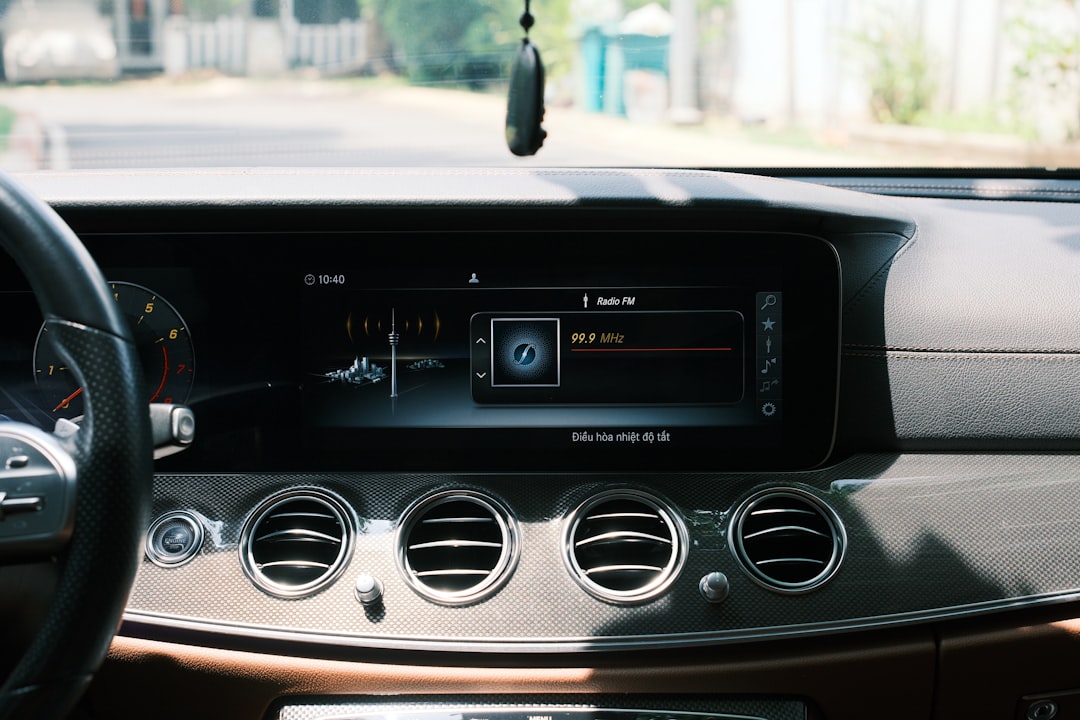
Older cars may require adapters or specific head units, while newer models might support advanced features like touchscreen controls or smartphone integration. Check compatibility to avoid surprises during installation.
Set A Budget
Decide how much you want to spend before shopping. Car stereos can range from basic models under $50 to premium systems costing several hundred dollars. Setting a budget helps narrow down options and keeps your purchase practical.
Remember to include installation costs and possible upgrades like new speakers or amplifiers. Sometimes spending a bit more upfront saves you from additional expenses later.
Explore Stereo Features
Exploring the features of a car stereo helps you find the right fit for your needs. Each feature adds value to your listening experience. Focus on connectivity, audio quality, and ease of use. These factors make your drive more enjoyable and convenient.
Look For Connectivity Options
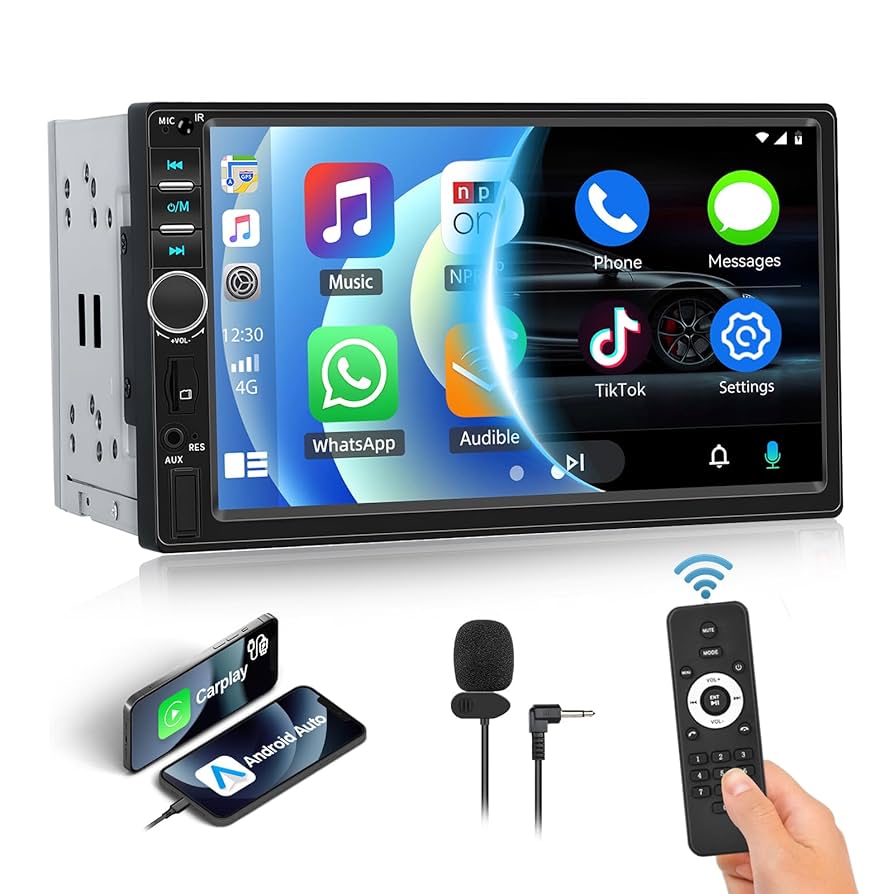
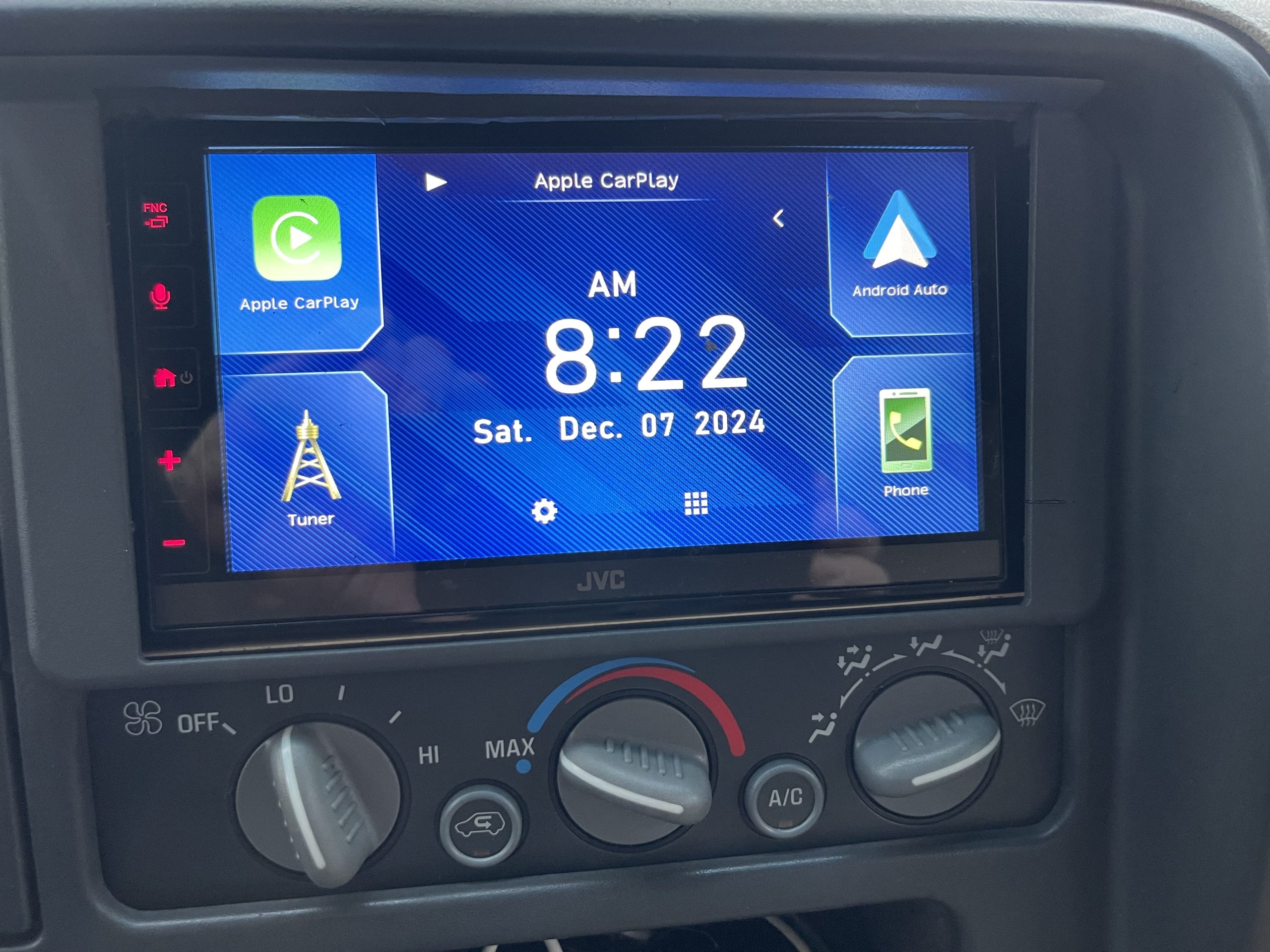
Connectivity is key for modern car stereos. Bluetooth allows wireless music and calls. USB ports enable charging and direct music play. Some stereos support Apple CarPlay or Android Auto. These features connect your smartphone smoothly. Check if the stereo has AUX input for older devices. Multiple connectivity options give you more choices.
Check Audio Quality Specs
Sound quality matters most in a car stereo. Look at the signal-to-noise ratio (SNR). Higher SNR means clearer sound without noise. Check the frequency response range to cover lows and highs. Amplifier power affects volume and clarity. Some stereos offer built-in equalizers to adjust sound. Good specs ensure a rich and balanced audio experience.
Evaluate Display And Controls
The display should be clear and easy to read. Brightness and size matter for daytime and night use. Touchscreen controls offer quick access to features. Physical buttons provide simple operation while driving. Look for intuitive menus and straightforward layouts. Easy controls help you stay focused on the road.
Match Size And Compatibility
Choosing the right car stereo means matching the size and checking compatibility. A stereo that fits perfectly and works well with your vehicle makes installation easier. It also ensures the best sound and function. Pay close attention to these details before buying.
Understand Stereo Dimensions
Car stereos come in different sizes. The most common are single-DIN and double-DIN. Single-DIN is about 7 x 2 inches. Double-DIN is about 7 x 4 inches. Knowing your car’s stereo slot size helps you pick the right one. Some cars may need adapters for different sizes.
Verify Vehicle Compatibility
Check if the stereo works with your car’s make and model. Some stereos support specific systems like steering wheel controls. Others may not fit all vehicles. Use your car’s manual or online tools to confirm compatibility. This avoids buying a stereo that won’t connect or function properly.
Plan For Installation
Think about how you will install the stereo. Some models are easy to install yourself. Others may require professional help. Consider wiring, mounting brackets, and connectors. Make sure you have the right tools and parts. Proper installation helps avoid damage and ensures good sound quality.

Credit: www.youtube.com
Research Brands And Models
Choosing the right car stereo starts with thorough research on brands and models. This helps you avoid costly mistakes and ensures you get features that match your needs. Knowing where to look and what to compare can save you time and frustration.
Compare Popular Brands
Different brands focus on different strengths. Some prioritize sound quality, while others emphasize connectivity or ease of use. Take brands like Pioneer, Kenwood, and Sony—they each have models that cater to varying budgets and preferences.
Look at the features each brand offers for similar price points. Does one brand consistently provide better Bluetooth performance? Or does another offer more customizable equalizer settings? These details can guide your choice.
Read User Reviews
User reviews reveal real-world experiences that specs on paper can’t show. Pay attention to comments about durability and ease of installation. You might find out that a model with great features is difficult to set up without professional help.
Also, watch for recurring issues mentioned by multiple users. If several buyers report problems with the touchscreen or poor customer service, consider it a red flag. What do your fellow drivers say about the stereo you’re eyeing?
Consider Warranty And Support
A solid warranty shows the manufacturer stands behind their product. Check how long the warranty lasts and what it covers. Some brands offer extended warranties or free technical support that could be valuable if you run into trouble.
Think about how easy it is to get help if something goes wrong. Is there a local service center, or does support rely solely on online chat? Your peace of mind depends on reliable after-purchase service.
Test Before You Buy
Testing a car stereo before you buy is crucial. It helps you avoid disappointment and ensures the stereo meets your needs. Hearing it in action and getting a feel for the controls can make all the difference.
Visit Retail Stores
Walking into a retail store gives you the chance to see many models up close. You can check the screen size, button layout, and overall design. It’s easier to imagine how it will fit inside your car when you physically handle it.
Some stores even let you bring your phone or USB device to test compatibility. This hands-on experience helps you spot features you might overlook online. Have you ever bought tech without trying it and regretted it later?
Try Demo Units
Demo units are your best friends when testing sound quality. Play your favorite songs to judge clarity, bass, and volume control. Don’t just listen for loudness—focus on how well it handles different music styles.
Test the touchscreen response and menu navigation too. Does it feel smooth or clunky? A fast, responsive interface makes using the stereo safer and more enjoyable while driving.
Ask For Expert Advice
Store staff often know which models fit your car and budget best. They can explain features in simple terms and suggest options you might not have considered. Don’t hesitate to ask about installation or compatibility issues.
Sometimes, experts share tips on which brands hold up better over time. Their insights can save you money and frustration. What questions would you ask if you had a chance to talk to a car audio specialist?
Credit: www.crutchfield.com

Credit: deanauto.in
Frequently Asked Questions
What Factors Should I Consider When Buying A Car Stereo?
Consider sound quality, compatibility, features, size, and budget. Check if it supports Bluetooth, USB, and smartphone integration. Ensure the stereo fits your car’s dash and wiring.
How To Choose A Car Stereo For Better Sound Quality?
Look for clear audio output, good amplifier power, and equalizer settings. Opt for brands known for sound clarity and customizable audio options.
Can I Install A Car Stereo Myself Or Need A Professional?
If you have basic tools and knowledge, DIY is possible. Otherwise, a professional ensures proper wiring, fitting, and avoids damage.
What Features Are Essential In Modern Car Stereos?
Bluetooth connectivity, hands-free calling, smartphone compatibility, USB ports, and touchscreens are key. Voice control and navigation enhance convenience and safety.
Conclusion
Choosing the right car stereo takes time and thought. Think about your needs and budget first. Check features that match your music style. Don’t forget to consider ease of use and installation. Reading reviews can help you avoid mistakes. A good stereo makes driving more fun.
Take your time to find the best fit. Your car deserves a sound system that works well. Enjoy every drive with clear, great sound.

Similar Posts