Where to Install Car Amplifier: Top Spots for Ultimate Sound
Are you ready to take your car’s sound system to the next level? Installing a car amplifier can boost your music’s power and clarity like nothing else.
But where exactly should you install your car amplifier for the best performance and safety? The spot you choose can make all the difference in sound quality and how easy it is to maintain. You’ll discover the top places to install your amplifier, along with tips to get the most from your setup.
Keep reading to find the perfect location that fits your car and your sound goals.
Choosing The Right Location
Choosing the right location for your car amplifier is vital for its performance and durability. The spot you pick affects sound quality, heat management, and ease of installation. It is important to find a balance between convenience and functionality. A well-placed amplifier can improve your audio experience significantly.
Factors Affecting Amplifier Placement
Heat buildup can damage the amplifier. Avoid tight spaces without airflow. Keep it away from direct sunlight and engine heat. Moisture and dust also harm the amplifier’s components. Look for dry, clean areas inside your vehicle. Electrical interference from other devices can cause noise. Place the amplifier away from power cables and motors. Stability matters too. The amplifier must be secure to prevent vibrations.
Space And Accessibility Considerations
Choose a location with enough room for the amplifier and wiring. A cramped spot makes installation difficult. Access is important for future adjustments or repairs. Common areas include under the seats, inside the trunk, or behind panels. Under the seats offer easy access but less space. The trunk has more room but may need longer cables. Make sure the amplifier is easy to reach without removing many parts. Good cable management reduces damage and keeps things tidy.
Under The Seat
Installing a car amplifier under the seat is a popular choice for many car audio enthusiasts. This spot offers a balance between accessibility and space-saving, allowing you to keep your car interior neat while boosting your sound system. But is it the right place for your amplifier? Let’s break down the advantages and challenges you might face.
Pros And Cons
- Pros:
- Space Efficiency:Under the seat usually has unused space, perfect for fitting an amplifier without sacrificing trunk or cabin room.
- Easy Access:You can reach the amplifier quickly for adjustments or troubleshooting without needing to unload the trunk.
- Protection:This location protects the amplifier from extreme heat and moisture compared to the trunk or engine bay.
- Cons:
- Limited Space:The under-seat area can be cramped, restricting the size and cooling options for your amplifier.
- Potential Obstruction:Depending on the car model, the amplifier might interfere with passenger legroom or seat movement.
- Wiring Complexity:Running power and signal cables neatly in this tight space can be tricky and time-consuming.
Installation Tips
Before you start, measure the available space under your seat carefully. Not every amplifier will fit comfortably, especially if you have a large or multi-channel unit.
Use a mounting bracket designed for under-seat installation to keep the amplifier stable and avoid rattling noises. Securing it properly also prevents damage from vibrations while driving.
Make sure to plan your wiring path thoughtfully. Keep power wires away from signal cables to reduce interference, and use high-quality connectors for reliable performance.
Ventilation is crucial. Even in tight spaces, leave some room around the amplifier for air to circulate and prevent overheating.
Have you checked how your seat adjusts? Test the amplifier placement with the seat moved fully forward and backward to avoid any pinch points or damage.
In The Trunk
Installing a car amplifier in the trunk is a popular choice among car audio enthusiasts. This location offers ample space and keeps the amplifier out of sight, maintaining the clean look of your car’s interior. But beyond aesthetics, the trunk placement can have a real impact on your sound system’s performance and longevity.
Advantages For Bass Performance
Placing your amplifier in the trunk can enhance bass response significantly. The trunk acts like a natural enclosure, helping to amplify low frequencies. This means your subwoofers get the power they need to deliver deep, punchy bass without distortion.
Since the amplifier is closer to the subwoofers often installed in the trunk, signal loss is minimized. This proximity ensures a stronger, clearer bass output. Have you noticed how your bass sounds tighter when the amp is near the subs? That’s exactly why the trunk is ideal for bass lovers.
Dealing With Heat And Ventilation
One challenge with trunk installation is managing heat. Amplifiers generate heat, and if left in a cramped, poorly ventilated space, they can overheat and reduce performance. To prevent this, make sure your amplifier has enough room around it for air to circulate.
Adding a small fan or vent can keep temperatures in check. Also, avoid stacking other gear or boxes on top of the amp. Think about how you would cool a laptop; your amplifier needs similar care to keep working at its best.

Credit: www.youtube.com
Behind The Rear Seats
Installing a car amplifier behind the rear seats is a popular choice among many car audio enthusiasts. This location offers a balanced mix of convenience and performance. It keeps the amplifier out of direct sight while maintaining accessibility for adjustments. The rear seat area often provides enough space to accommodate various amplifier sizes without major modifications.
Sound Quality Benefits
Placing the amplifier behind the rear seats helps reduce noise interference. This spot keeps the amplifier closer to the subwoofers or speakers. It minimizes the length of speaker wires, lowering signal loss. Shorter wires help maintain audio clarity and power. The cooler environment behind the seats prevents amplifier overheating. Stable temperature supports consistent amplifier performance and sound quality.
Space Utilization
The area behind the rear seats uses space efficiently. It avoids cluttering the front cabin or trunk. This spot keeps the amplifier safe from accidental damage. It also allows for neat cable management. Using this space frees up trunk room for other items. The installation usually requires minimal changes to the car’s interior. It suits vehicles with smaller trunks or limited cabin space.
Under The Hood
Installing a car amplifier under the hood can save space inside the vehicle. This location offers easy access to the battery for power connections. The engine compartment is usually cooler and well-ventilated. Still, it is not the most common spot for amplifier placement. It requires careful planning and proper protection to avoid damage from heat and moisture.
Challenges And Risks
The engine area has extreme heat that can harm the amplifier. Exposure to water, dirt, and dust is also a concern. Vibrations from the engine may cause loose connections or damage over time. Wiring runs must be short but well insulated to prevent shorts. Corrosion can occur if the amplifier is not sealed properly. These factors make installation under the hood tricky.
When It Makes Sense
Choosing under the hood works well for small cars with tight interiors. It frees up cabin and trunk space for passengers and cargo. Also, it suits setups where the amplifier needs a direct battery connection. If the amplifier has a robust, weatherproof case, it can handle the environment. This option fits users who want a clean, hidden install and can manage the risks.

Credit: www.amazon.com
Custom Enclosures And Panels
Custom enclosures and panels offer a smart solution to install car amplifiers neatly and safely. These tailored setups provide a perfect fit for your amplifier, protecting it from damage while keeping your vehicle organized. They help secure the amplifier firmly, reducing noise and vibration. Custom designs also allow you to place the amplifier in the best spot for sound quality and convenience. This approach blends functionality with style, making your car audio system look clean and professional.
Maximizing Space
Custom enclosures use every inch of available space efficiently. They fit the amplifier into tight spots that standard boxes cannot reach. This saves room for other audio gear or cargo. By molding to your car’s shape, they avoid wasting space with gaps or awkward angles. You can install the amplifier under seats, inside panels, or even in the trunk without clutter. This neat setup keeps your car interior tidy and easy to move around in.
Aesthetic Integration
Custom panels match your car’s interior design perfectly. They come in materials and colors that blend with seats, carpets, or trim. This creates a seamless look that does not draw unwanted attention. A clean installation adds to your car’s value and appeal. It also shows care and attention to detail in your audio system setup. Custom enclosures keep wires hidden and prevent a messy appearance. This neat finish enhances both function and style.
Wiring And Grounding Tips
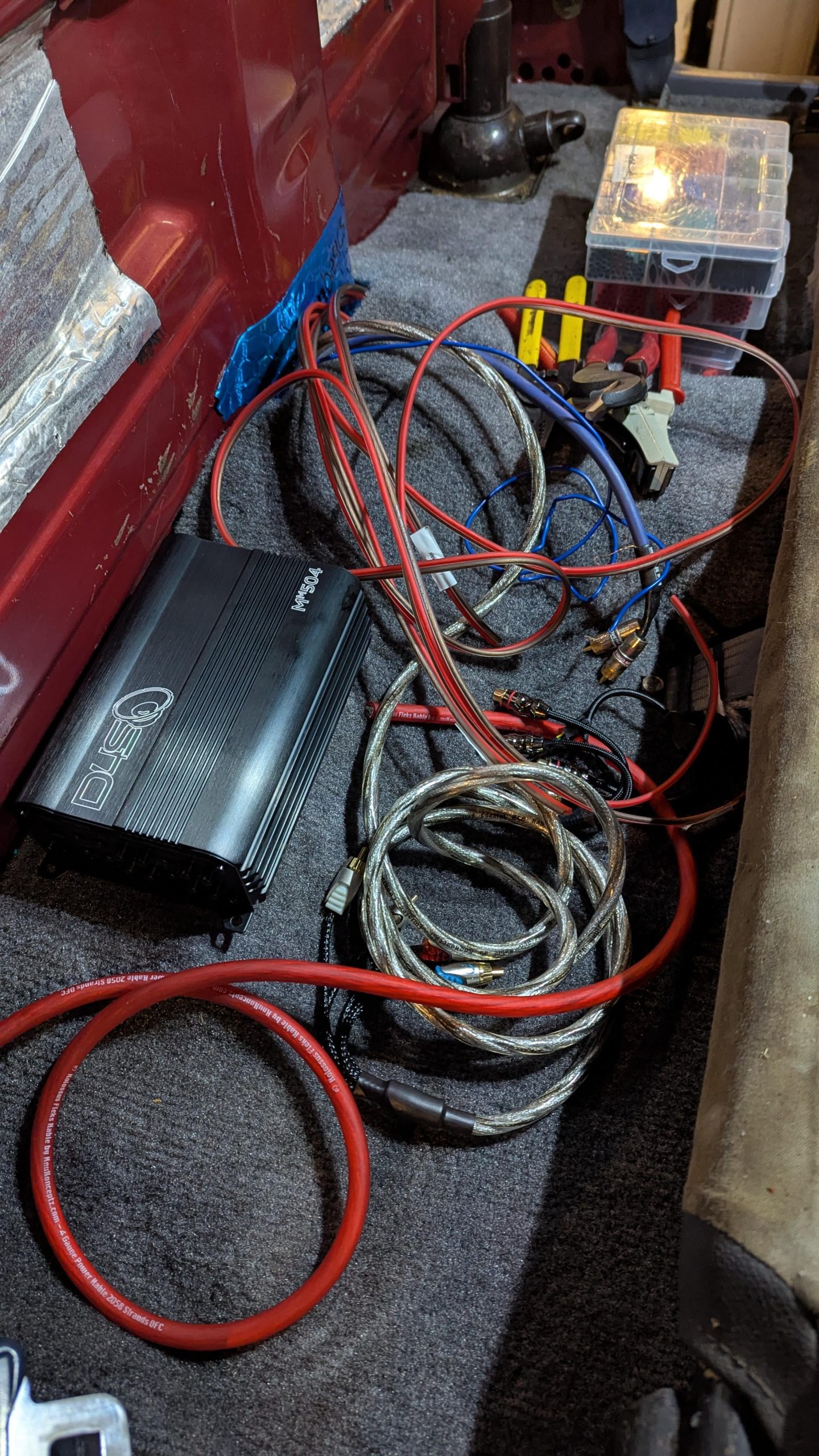
Proper wiring and grounding are crucial for installing a car amplifier. They protect your car’s electrical system and improve audio quality. Poor connections can cause noise, damage, or even fire risks. Follow these tips to ensure a safe and clear sound setup.
Ensuring Safety
Use the right gauge wire for power and ground connections. Thicker wires reduce resistance and heat. Avoid running wires near sharp edges or moving parts. Secure cables with zip ties or clamps to prevent damage. Always disconnect the car battery before starting the installation.
- Use a fuse close to the battery to protect the circuit.
- Check all connections for tightness and cleanliness.
- Ground the amplifier to a bare metal part of the car chassis.
- Avoid grounding near brake or fuel lines.
Optimizing Sound Performance
Keep power and audio signal wires separate to reduce interference. Use shielded RCA cables for clean signal transfer. Ground loops cause buzzing sounds; proper grounding stops this issue. Connect the ground wire as short as possible to the chassis.
- Route wires under the carpet or panels to avoid noise.
- Check for any pinched or damaged wires regularly.
- Test the amplifier after wiring to confirm sound quality.
Credit: www.diymobileaudio.com
Common Mistakes To Avoid
Installing a car amplifier is key to better sound quality. Mistakes during installation can cause damage or poor sound. Avoid these common errors to keep your system safe and working well. Careful setup leads to better music and longer amplifier life.
Ignoring Proper Ventilation
Amplifiers generate heat during use. Placing it in a tight space can cause overheating. Overheating reduces amplifier life and causes shutdowns. Leave enough space around the amplifier for air to flow.
Using Incorrect Wiring
Wrong wires can lead to power loss or shorts. Use wires that match the amplifier’s power rating. Avoid thin or low-quality wires that cannot handle high current. Secure all connections to prevent loose wiring.
Placing The Amplifier Near Interference
Keep the amplifier away from power cables and electronic devices. Close proximity causes noise and signal interference. This results in static or humming sounds in speakers. Choose a quiet spot for cleaner audio output.
Mounting The Amplifier In A Wet Area
Water and moisture damage the amplifier’s components. Avoid installing it in areas exposed to rain or spills. Pick a dry location inside the car to protect the amplifier. Use protective covers if needed.
Failing To Ground The Amplifier Properly
Proper grounding prevents electrical noise and power issues. Use a clean metal surface for the ground connection. A poor ground causes buzzing sounds and inconsistent power. Check ground wires for tight and secure contact.
Neglecting To Secure The Amplifier
A loose amplifier moves during driving, causing damage. It can disconnect wires or fall, leading to failure. Use brackets or straps to keep the amplifier fixed. Stability ensures long-term performance and safety.
Frequently Asked Questions
Where Is The Best Place To Install A Car Amplifier?
The best place to install a car amplifier is in the trunk or under a seat. These locations offer good ventilation and easy access to power and audio cables. Avoid areas with excessive heat or moisture to prevent damage and ensure optimal performance.
Can I Install A Car Amplifier Under The Seat?
Yes, installing a car amplifier under the seat is common. It saves space and allows easy wiring to speakers. However, ensure the amplifier has sufficient ventilation to avoid overheating. Also, secure it properly to prevent movement while driving.
Is The Trunk A Good Location For A Car Amplifier?
The trunk is an ideal spot for a car amplifier. It provides ample space, good ventilation, and keeps the amplifier out of sight. Make sure to secure it firmly and protect it from moisture or dirt to maintain its longevity.
How Does Amplifier Placement Affect Sound Quality?
Amplifier placement affects sound quality by influencing cable length and heat dissipation. Closer placement to speakers reduces signal loss and noise. Proper ventilation prevents overheating, ensuring consistent performance. Choosing a stable, secure spot also minimizes vibrations that can degrade sound.
Conclusion
Choosing the right spot for your car amplifier matters. It affects sound quality and vehicle space. Consider placing it under a seat. This saves room and keeps it hidden. The trunk is another option. It’s spacious and away from heat.
Ensure good airflow to prevent overheating. Secure the amplifier firmly to avoid damage. Follow these tips for a better listening experience. Enjoy your favorite tunes with improved sound. Happy driving!