
How to Know If Car Speakers are Blown: Easy Signs to Spot Now
Have you ever noticed your car music sounding off, like it’s missing something or just plain distorted? You might be wondering if your car speakers are blown.
Knowing the signs can save you time, money, and frustration. You’ll discover simple ways to check your speakers and find out if they need replacing. Keep reading, because your next drive could sound better than ever.

Credit: www.youtube.com
Common Symptoms Of Blown Speakers
Recognizing the signs that your car speakers are blown is crucial to maintaining a great audio experience while driving. Ignoring these symptoms can lead to further damage and costly repairs. Pay close attention to how your speakers sound and behave, because subtle changes often hint at underlying issues.
Distorted Sound Quality
Have you noticed your music sounding fuzzy or unclear? Distorted sound is a key indicator that your speaker’s components may be damaged. Instead of crisp highs and deep lows, the audio might sound flat, muffled, or like it’s struggling to keep up.
This distortion often happens when the speaker cone is torn or the voice coil is overheated. If your favorite songs suddenly lose their clarity, it’s time to inspect your speakers closely.
No Sound From Speaker
It’s hard to miss when one of your car speakers stops producing any sound at all. If you turn up the volume and one speaker remains silent, it could be blown or disconnected. Sometimes, loose wiring causes this, but a dead speaker is a common culprit.
Try swapping the speaker wires or testing another speaker in the same spot to confirm. If the silence persists, your speaker likely needs replacement.
Rattling Or Buzzing Noises
Rattling or buzzing noises are annoying and often signal physical damage inside the speaker. This could mean the cone is loose or the suspension parts have worn out. When you hear these sounds, especially at higher volumes, it’s a sign your speakers are struggling to perform.
Have you ever turned up the bass only to hear a strange vibration? That’s a classic symptom that the speaker’s internal parts are compromised.
Intermittent Audio
Does your speaker cut in and out randomly? Intermittent audio points to wiring problems, a failing speaker, or loose connections. This erratic behavior disrupts your listening experience and can be frustrating.
Check your speaker wires and connectors for damage or corrosion. If everything looks fine but the issue remains, the speaker itself might be failing.

Credit: www.youtube.com
Visual Clues To Check
Visual clues help identify blown car speakers quickly. Checking the speaker’s physical condition reveals many problems. These signs are easy to spot without special tools. Examining the speaker closely can save time and money.
Damaged Speaker Cone
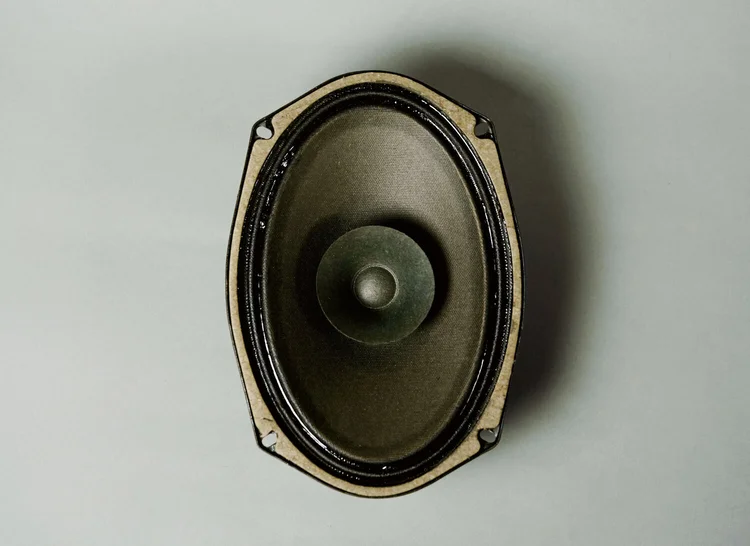
The cone moves sound waves. Damage to the cone affects sound quality. Look for cracks, dents, or holes. Even small tears reduce speaker performance. A damaged cone often causes distortion or buzzing sounds.
Torn Surrounds
The surround holds the cone in place. Tears or breaks in the surround cause poor sound. The speaker may rattle or lose bass response. Check for soft, cracked, or missing foam around the cone. Torn surrounds need replacement to restore sound.
Burn Marks Or Discoloration
Burn marks signal overheating or electrical issues. Check for dark spots or melted areas on the speaker. Discoloration may appear on the cone or wiring. These signs often mean the speaker is damaged internally. Avoid using speakers with visible burn damage.
Simple Tests To Perform
Checking if your car speakers are blown doesn’t have to be complicated. There are simple tests you can perform yourself that give you clear clues about the condition of your speakers. These tests help you save time and money by identifying the exact problem before you consider replacements.
Listen At Different Volumes
Start by playing music at low, medium, and high volumes. Pay close attention to any distortion, buzzing, or crackling sounds that appear as you increase the volume. If the sound quality worsens or the speaker struggles to keep up, it could be a sign the speaker is damaged.
Try different types of music tracks with varying bass and treble to see if certain frequencies cause issues. Have you noticed your favorite songs sounding off or muffled lately? That’s a strong hint your speakers might be blown.
Swap Speakers To Identify Issues
If your car has multiple speakers, swapping one speaker with another can help pinpoint which one is faulty. For example, move the front left speaker to the front right position and see if the problem moves with the speaker.
This test removes doubts about wiring or amplifier issues. If the distorted sound follows the speaker, you know it’s the speaker itself that needs attention. This simple swap can save you from unnecessary repairs to other parts of your audio system.
Use A Multimeter For Basic Testing
A multimeter can be your best friend when checking speaker health. Set it to measure resistance (ohms) and connect the probes to the speaker terminals.
Healthy car speakers usually show a resistance close to their rated value, often between 4 and 8 ohms. If the reading is very high, infinite, or zero, the speaker coil might be damaged or disconnected.
Do you have a multimeter handy? This quick check can provide clear proof of whether your speaker is physically damaged or not, saving you guesswork.
Common Causes Of Blown Speakers
Blown car speakers can ruin your driving experience by delivering distorted or no sound at all. Understanding the common causes of blown speakers can help you prevent damage and keep your audio system in top shape. Let’s look at the main reasons why your speakers might fail unexpectedly.
Excessive Volume Levels
Turning up the volume beyond the speaker’s capacity stresses its components. Your speakers have a limit on how much power they can handle. Pushing them too hard causes the voice coil to overheat and warp, which leads to permanent damage.
Think about the last time you cranked your music during a road trip. Did the sound suddenly become scratchy or crackly? That’s often a sign of overloading your speakers. Keeping the volume at a moderate level can greatly extend their lifespan.
Power Amplifier Issues
Your car’s amplifier controls the power sent to the speakers. If the amplifier malfunctions or is mismatched with the speakers, it can send distorted signals. This distortion can quickly burn out the speaker’s delicate parts.
Have you ever noticed popping sounds or sudden drops in volume? These can hint at amplifier problems. Regularly checking your amplifier’s settings and compatibility with your speakers helps avoid costly repairs.
Physical Damage
Speakers are vulnerable to physical impacts, especially in a car environment. A sharp hit, dropped object, or even moisture can damage the speaker cone or surround. Once the cone tears or the surround breaks, sound quality suffers immediately.
Imagine accidentally kicking your car door panel or spilling liquid near the speakers. These common mishaps can cause irreversible harm. Protecting your speakers from physical harm is as important as managing volume levels.
Steps To Prevent Speaker Damage
Preventing damage to car speakers extends their life and keeps sound quality clear. Taking simple steps helps avoid costly repairs and frustration. Caring for your speakers is easy with regular attention and good habits.
Avoid Overdriving Speakers
Playing music too loud strains speaker parts. High volume causes distortion and can blow the speakers. Keep volume at a safe level to protect your sound system. Use the amplifier settings wisely to prevent pushing speakers beyond limits.
Proper Installation Tips
Secure speakers firmly to avoid vibrations that cause damage. Use correct wiring to prevent shorts or signal loss. Follow manufacturer instructions for placement and connection. Avoid placing speakers near moisture or heat sources to keep them safe.
Regular Maintenance Checks
Inspect speakers often for dust and debris buildup. Clean gently with a soft cloth to keep cones clear. Check wiring for frays or loose connections. Listen for unusual sounds that could mean early damage. Fix small issues before they turn serious.
When To Replace Or Repair
Deciding whether to repair or replace blown car speakers depends on several factors. You want to get the best sound quality without wasting money. Sometimes a quick fix is enough, but other times investing in new speakers makes more sense.
Evaluating Repair Costs
Start by checking how much it will cost to repair your current speakers. Small issues like a torn cone or loose wiring may only need a few dollars and some effort to fix. But if the voice coil or magnet is damaged, repair costs can quickly add up.
Think about your budget and the speaker’s age. Is it worth spending more on repairs than buying new ones? Repair shops can give you an estimate, so get a quote before deciding.
Choosing Replacement Speakers
If repair costs are high or the sound quality won’t fully recover, replacement is the smarter choice. Look for speakers that match your car’s audio system and your listening preferences.
- Consider the speaker size and power rating to ensure compatibility.
- Read reviews about durability and sound clarity.
- Set a budget but avoid the cheapest options if you want long-term satisfaction.
Replacing speakers also gives you a chance to upgrade your system. How much better could your music sound with modern, high-quality speakers?
Professional Vs Diy Repair
Deciding between professional repair and doing it yourself depends on your skills and tools. If you have experience with car electronics, DIY can save money and be rewarding.
However, if you’re unsure or the problem is complex, professionals can ensure a proper fix without causing more damage. They also provide warranties on their work, giving you peace of mind.
Ask yourself: Are you confident enough to open your car doors and work with delicate speaker parts? Sometimes, paying a little more for expertise prevents costly mistakes.
Credit: www.tropicalfishvintage.com
Frequently Asked Questions
What Are The Signs Of Blown Car Speakers?
Blown speakers often produce distorted or crackling sounds. You may also hear no sound at all. Listen for unusual buzzing or rattling noises. These are common indicators of speaker damage. If the sound quality is poor or there’s no bass, your speakers might be blown.
How Can I Test If My Speakers Are Blown?
Testing blown speakers involves playing audio at different volumes. Listen for distortion or unusual noises. A multimeter can measure electrical resistance. If the resistance is infinite or zero, the speaker may be blown. This test helps confirm if your speakers are damaged.
Why Do Car Speakers Blow?
Car speakers blow due to excessive power or distortion. This happens when the volume is too high or the amplifier is overdriven. Poor installation or low-quality speakers can also contribute. Regularly pushing speakers beyond their limits leads to damage and degradation over time.
Can Blown Speakers Be Repaired?
Blown speakers can sometimes be repaired, depending on the damage. Simple issues like loose wires can be fixed. However, severe damage often requires replacement. Repairing speakers involves assessing the extent of the damage. For major issues, replacing the speakers is usually more cost-effective.
Conclusion
Blown car speakers affect your music experience a lot. You can spot signs like crackling sounds or no sound at all. Testing speakers regularly helps catch problems early. Fixing or replacing damaged speakers keeps your car audio clear. Enjoy every drive with good sound quality.
Don’t ignore strange noises from your speakers. Taking quick action saves you time and money. Keep your car speakers working well for better trips. Simple checks make a big difference in sound quality. Stay alert and listen carefully to your car’s audio.