How to Pick a Car Stereo: Ultimate Guide for Perfect Sound Choices
Master Automotive Systems Engineer & Performance Vehicle Specialist at CarSpeedNest Automotive Testing Lab · ASE Certified Master Technician, Mobile Electronics Certified Professional (MECP Master), Certified Dyno Diagnostic Specialist · 14+ years in dyno testing, electronic sensor calibration, automotive wiring harnesses, and precision drivetrain maintenance
Choosing the right car stereo can completely change how you enjoy your time on the road. Imagine driving with crystal-clear sound, easy controls, and all your favorite music or podcasts right at your fingertips.
But with so many options out there, how do you pick the perfect one for your needs? This guide will help you cut through the confusion and find a car stereo that fits your style, budget, and must-have features. Keep reading, and you’ll be ready to upgrade your drive faster than you think.
Choosing The Right Stereo System
Choosing the right stereo system shapes your driving experience. A good stereo offers clear sound and easy controls. It fits well in your car’s dashboard and meets your needs. Understanding the options helps you pick the best one for your vehicle.
Types Of Car Stereos
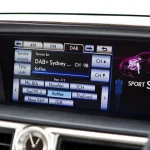
Car stereos come in various types. Some focus on basic radio and CD playback. Others offer touchscreen displays with smartphone integration. Some models include GPS navigation and voice control. Decide which features matter most for your daily drives.
Factory Vs Aftermarket Units
Factory stereos are pre-installed by car makers. They fit perfectly but may lack advanced features. Aftermarket units replace factory stereos. They provide more options like better sound and extra functions. Check compatibility before buying an aftermarket system.
Single Din Vs Double Din
Single DIN stereos have a standard size. They fit most cars but offer limited screen space. Double DIN units are twice as tall. They support bigger touchscreens and extra controls. Choose based on your car’s dashboard size and desired features.
Essential Features To Look For
Choosing the right car stereo means focusing on key features. These features decide the sound, ease of use, and connectivity. Knowing what to check helps pick a stereo that suits your needs and car.
Audio Quality And Output
Good sound is the heart of any car stereo. Check the stereo’s power output to match your speakers. Look for clear audio without distortion at high volumes. Support for different audio formats like MP3 or FLAC adds flexibility. Equalizer settings help customize sound to your taste.
Connectivity Options
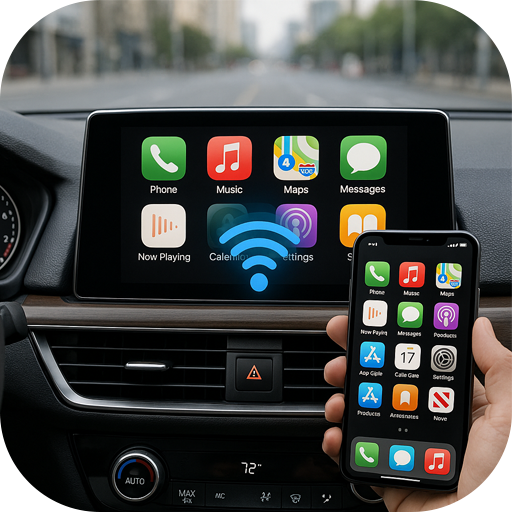
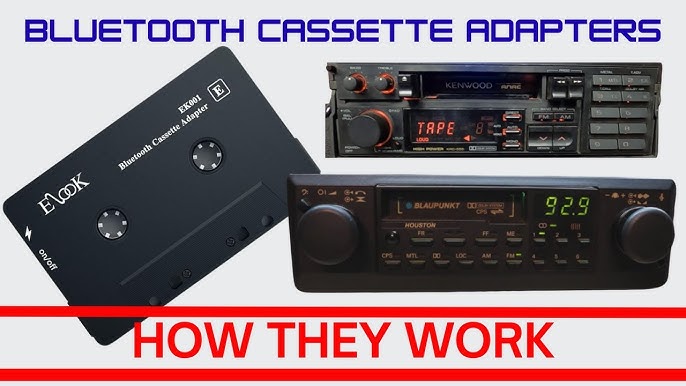
Modern car stereos offer many ways to connect devices. Bluetooth allows wireless music streaming and hands-free calls. USB ports let you play music directly from drives or charge devices. Auxiliary inputs provide a simple way to connect phones or MP3 players. Support for Apple CarPlay or Android Auto enhances smartphone integration.
User Interface And Controls
Controls should be easy to use while driving. Large buttons and clear displays improve usability. Touchscreens offer quick access but must be responsive and glare-free. Voice control features help keep your focus on the road. Steering wheel control compatibility adds convenience and safety.
Matching Stereo To Your Car
Choosing the right car stereo means matching it well with your vehicle. The stereo should fit perfectly and work smoothly. This ensures better sound and a neat look. Understanding your car’s needs helps pick the best stereo option.
Compatibility With Vehicle
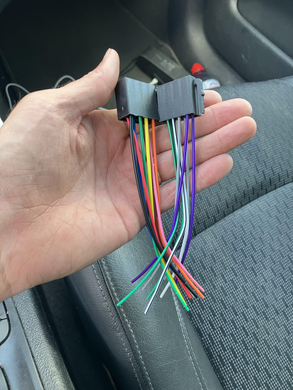
Check the stereo’s compatibility with your car model. Different cars use different wiring and connectors. Some stereos may not support your car’s electrical system. Also, verify if the stereo supports your car’s speakers and controls. A compatible stereo prevents technical issues and poor sound quality.
Installation Considerations
Consider how easy or hard it is to install the stereo. Some stereos need special tools or extra parts. Look at whether you can install it yourself or need a professional. Think about wiring, mounting brackets, and dashboard fit. Proper installation keeps the stereo secure and functional.
Space And Design Constraints
Measure the space in your car’s dashboard before buying. Stereos come in single-DIN or double-DIN sizes. Make sure the stereo size matches your car’s slot. Also, consider the stereo’s design and display style. A good design blends well with your car’s interior. Avoid bulky stereos that block vents or controls.
Credit: www.youtube.com
Sound System Components
A car stereo’s sound system has several key parts. Each part plays a role in how your music sounds inside the car. Knowing these parts helps you pick the right system for your needs and budget. The main components include speakers, subwoofers, amplifiers, equalizers, and tuners. These work together to create clear, balanced sound with strong bass and crisp highs.
Speakers And Subwoofers
Speakers produce the main sound you hear in the car. They handle mid and high frequencies. Good speakers offer clear vocals and detailed instruments. Subwoofers focus on low frequencies, providing deep bass. Adding a subwoofer makes music feel fuller and richer. Choose speakers and subwoofers that match your car’s size and your music style.
Amplifiers
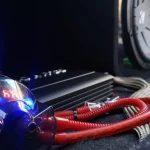
Amplifiers boost the sound signal to drive the speakers. They make sound louder without distortion. A quality amplifier improves clarity and power. Some amps have multiple channels to power different speakers. More power means better sound, but it also uses more battery. Pick an amplifier that matches your speakers’ power needs.
Equalizers And Tuners
Equalizers let you adjust sound frequencies to fit your taste. They balance bass, mids, and treble for the best sound. Tuners control radio reception and signal quality. A good tuner finds more stations with clear signals. Together, these tools let you customize sound for any music type or road noise.
Budgeting For Your Stereo
Setting a budget for your car stereo is one of the smartest moves you can make before shopping. It helps you avoid overspending and keeps your expectations realistic. Knowing how to balance cost, features, and quality will make your purchase more satisfying and functional.
Cost Vs Quality
Cheap stereos might look tempting, but they often lack durability and sound clarity. On the other hand, high-end models offer better audio performance and longer lifespans, but they come at a premium price.
Ask yourself: Would you rather spend a little more now and enjoy your music without frequent replacements? Sometimes, spending an extra $50 to $100 can significantly improve your listening experience and reduce future headaches.
Prioritizing Features
Identify which features matter most to you. Do you want Bluetooth connectivity, a touchscreen, or compatibility with smartphone apps? Prioritize features that enhance your daily driving and audio preferences.
Consider what you’ll actually use, not just what sounds cool. Avoid paying for fancy extras if you rarely use them; instead, focus on essentials like sound quality, ease of use, and durability.
Long-term Value
Think beyond the initial price tag. A stereo that fits your budget but fails quickly will cost more over time due to repairs or replacements.
Look for brands with good warranties and customer reviews. Investing in a reliable stereo can save money and frustration down the road.
Credit: intelliplay.in
Tips For Installation And Maintenance
Installing and maintaining your car stereo properly ensures it performs well for years. Whether you handle the setup yourself or hire a pro, knowing the right steps makes a big difference. Also, regular care and quick troubleshooting keep your system sounding great and save you headaches down the road.
Diy Vs Professional Installation
Are you comfortable working with wires and small components? Installing a car stereo yourself can save money and give you full control over the setup. However, if you’re unsure about wiring or mounting, a professional installation can prevent damage to your vehicle’s electronics.
Keep in mind that some stereo models require special adapters or knowledge of your car’s electrical system. Professionals have the tools and experience to handle complex installations quickly. If you decide to go DIY, watch detailed tutorial videos and double-check connections before powering on your stereo.
Routine Care And Upkeep
Regular maintenance keeps your car stereo in top shape without extra cost. Wipe the screen and buttons gently with a microfiber cloth to prevent dust buildup. Avoid using harsh chemicals that can damage the stereo surface.
Check speaker wires and antenna connections periodically to ensure they are secure. If you notice any distortion or drop in sound quality, inspect the wiring or clean the contacts. Keeping your stereo dry and avoiding extreme temperatures also extends its life.
Troubleshooting Common Issues
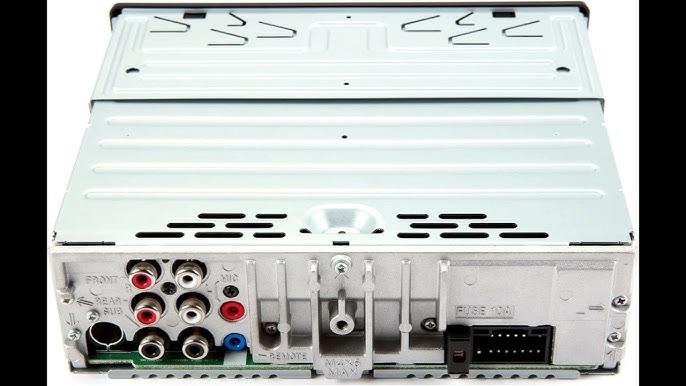
Is your stereo not turning on or producing sound? First, check the fuse and wiring connections. Loose cables or blown fuses are often the simplest fixes.
If you experience static or poor sound quality, examine the antenna and speaker wires for corrosion or damage. Resetting the stereo to factory settings can clear software glitches. Don’t ignore warning signs like overheating or strange noises—addressing them early prevents bigger problems.
Enhancing Your Audio Experience
Picking the right car stereo is just the beginning. To truly enhance your audio experience, you need to focus on more than just the head unit. Small adjustments and upgrades in your vehicle can make a world of difference in sound quality and enjoyment.
Soundproofing Your Vehicle
Have you ever noticed background noise drowning out your music while driving? Soundproofing your car helps reduce road noise and vibrations, allowing your stereo to shine.
Adding materials like foam mats, mass-loaded vinyl, or butyl-based damping sheets inside door panels and floors can block unwanted noise. This creates a quieter cabin where every note is clear and powerful.
Try it yourself—once I added soundproofing to my car doors, the bass sounded tighter, and vocals came through sharper. You don’t need expensive products; even affordable sound-deadening kits can improve your audio dramatically.
Custom Tuning And Calibration
Have you ever wondered why music sounds different in your car compared to your home speakers? Each vehicle has unique acoustics that affect audio quality.
Custom tuning lets you adjust equalizer settings, time alignment, and crossover points to fit your car’s interior perfectly. Many modern stereos offer built-in tuning tools, or you can use smartphone apps and professional software for more precise control.
Spend time fine-tuning your setup and listen closely. You’ll notice details you never heard before, such as subtle instrument layers and clearer vocals. This personal touch transforms your drive into a concert-like experience.
Upgrading Components Over Time
You don’t have to buy everything at once. Upgrading your car audio piece by piece can be more practical and rewarding.
Start with quality speakers and then add an amplifier or subwoofer for more power and depth. Over time, consider replacing factory wiring with higher-grade cables to improve signal clarity.
Think about your listening habits. Are you missing bass? Is the sound muddy? Gradual upgrades let you target problem areas without overspending. Plus, you get to enjoy the thrill of improving your system step by step.
Credit: deanauto.in
Frequently Asked Questions
What Features Should I Look For In A Car Stereo?
Look for features like Bluetooth, USB ports, and smartphone compatibility. Sound quality, ease of use, and display clarity are also vital. Ensure it fits your car’s size and supports your preferred media formats for the best experience.
How To Choose The Right Size For A Car Stereo?
Car stereos come mainly in single-DIN or double-DIN sizes. Check your car’s dashboard space before buying. Using the correct size ensures easy installation and a seamless look in your vehicle.
Can I Install A Car Stereo Myself?
Yes, many car stereos offer user-friendly installation kits. Basic tools and following the manual make it manageable. However, complex wiring or advanced features might need professional help to avoid damage.
Why Is Sound Quality Important In A Car Stereo?
Good sound quality enhances your driving experience and reduces fatigue. It ensures clear audio at various volumes and improves music enjoyment. Investing in a quality stereo provides long-term satisfaction.
Conclusion
Choosing the right car stereo can enhance your driving experience. Start by considering your needs and budget. Think about sound quality and compatibility with your car. Check for features like Bluetooth and USB ports for convenience. Don’t forget the importance of easy installation.
Research brands and read reviews for informed decisions. Visiting stores can provide hands-on experience. Trust your instincts and choose what feels right. A good stereo makes every drive more enjoyable. Remember, a well-chosen stereo complements your car and lifestyle perfectly.
Happy driving with your new car stereo!

Similar Posts