How to Compare Car Speakers: Ultimate Guide for Perfect Sound
Master Automotive Systems Engineer & Performance Vehicle Specialist at CarSpeedNest Automotive Testing Lab · ASE Certified Master Technician, Mobile Electronics Certified Professional (MECP Master), Certified Dyno Diagnostic Specialist · 14+ years in dyno testing, electronic sensor calibration, automotive wiring harnesses, and precision drivetrain maintenance
Looking to upgrade your car audio but not sure where to start? Choosing the right car speakers can completely transform your driving experience, bringing your favorite music to life with clear, powerful sound.
But with so many options out there, how do you know which ones are best for your car and your budget? This guide will help you cut through the noise and make smart choices that match your needs. Keep reading, and by the end, you’ll feel confident picking the perfect speakers that turn every drive into a concert.
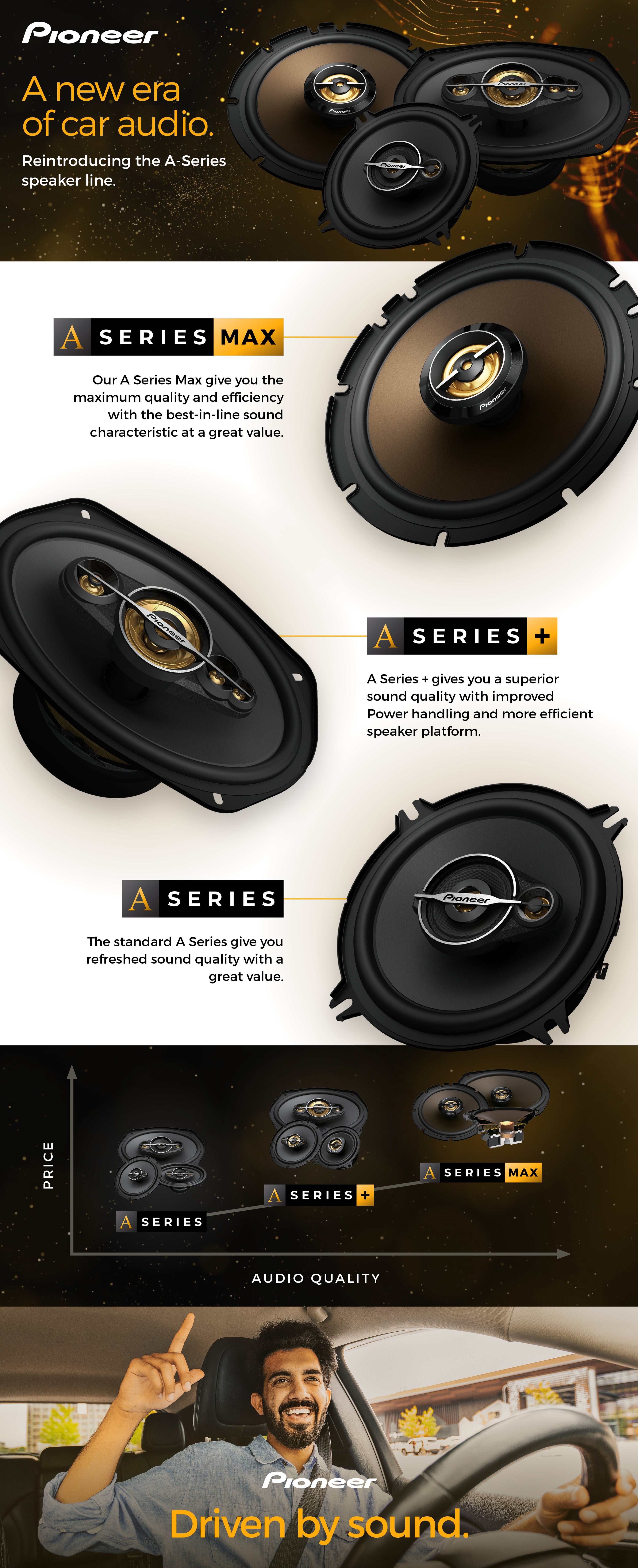
Credit: usa.pioneer
Types Of Car Speakers
Car speakers come in different types, each designed for specific sound needs. Knowing these types helps you pick the right speakers for your car. This section explains the main kinds of car speakers and their roles in sound quality.
Coaxial Speakers
Coaxial speakers are common and easy to install. They combine multiple speaker parts in one unit. Usually, a woofer and a tweeter sit on the same speaker cone. This setup saves space and fits most car doors. Coaxial speakers deliver balanced sound for everyday listening. They are a good choice for simple upgrades.
Component Speakers
Component speakers separate the woofer and tweeter into different parts. This separation improves sound clarity and detail. You can place each speaker part in the best spot in your car. These speakers need more space and effort to install. They offer better sound quality than coaxial speakers. Perfect for people who want clear and rich audio.
Subwoofers
Subwoofers focus on low bass sounds. They handle deep, powerful beats in music. Most car speaker setups do not deliver strong bass without a subwoofer. Subwoofers come in various sizes and power levels. They often need a special box and amplifier. Adding a subwoofer enhances the fullness of your car’s sound system.
Key Speaker Specifications
Choosing the right car speakers means understanding key specifications. These details tell you how a speaker will perform. Knowing them helps match speakers to your car and audio system. Focus on power handling, sensitivity, frequency response, and impedance. These specs guide your choice for better sound quality.
Power Handling
Power handling shows the speaker’s strength. It tells how much power the speaker can handle safely. There are two numbers: RMS and peak power. RMS is the continuous power the speaker can manage. Peak power is the maximum short burst power. Choose speakers with power handling that matches your amplifier.
Sensitivity
Sensitivity measures how loud a speaker gets from a certain power. It is given in decibels (dB). Higher sensitivity means louder sound with less power. For cars with weak amplifiers, choose speakers with higher sensitivity. This helps get good volume without distortion.
Frequency Response
This shows the range of sounds a speaker can produce. It is measured in hertz (Hz). A wider range means the speaker can play more sounds, from bass to treble. Look for speakers with a frequency response that fits your music style. Balanced sound comes from a broad, even frequency range.
Impedance
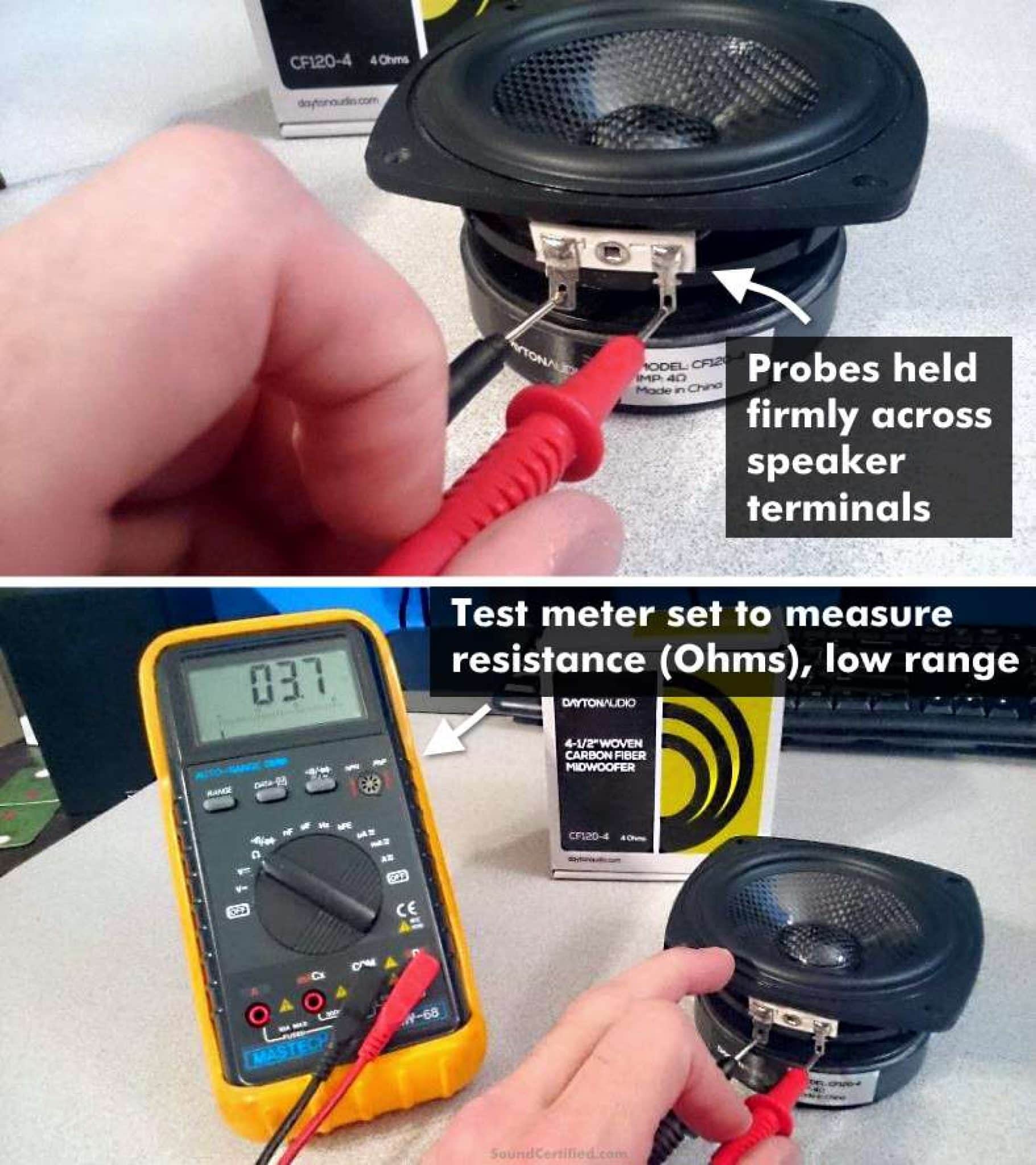
Impedance is the resistance the speaker gives to the amplifier’s power. It is measured in ohms (Ω). Most car speakers have 4 or 2 ohms impedance. Match speaker impedance to your amplifier’s rating. Wrong impedance can cause poor sound or damage equipment.
Sound Quality Factors
Sound quality is the heart of any car speaker comparison. It shapes your entire listening experience, whether you’re rocking out to your favorite playlist or catching an important podcast. Understanding the key factors that affect sound quality helps you pick speakers that truly match your audio tastes and needs.
Clarity And Detail
Clarity means how clean and crisp the audio sounds. You want to hear every word, instrument, and subtle background note without distortion or muddiness.
Speakers with good detail reveal layers in music you didn’t notice before. Think of the difference between hearing a song on a cheap radio versus a high-quality stereo system.
Ask yourself: Can you distinguish individual vocals and instruments clearly? If not, the speakers might be missing the mark on clarity.
Bass Performance
Bass adds power and depth to your music. But it’s not just about loudness—good bass is tight and controlled, not boomy or overwhelming.
Some car speakers produce deep bass that enhances hip-hop or electronic music, while others might struggle with low frequencies.
Consider the type of music you listen to most. Do you want speakers that punch hard on bass, or ones that balance it with mid and high frequencies?
Soundstage And Imaging
Soundstage is how spacious and wide the music feels inside your car. A good soundstage makes you feel like the band is playing live around you.
Imaging is about pinpointing where each sound is coming from—left, right, front, or back. It creates an immersive experience where instruments and vocals have clear positions.
Try to imagine your ideal listening setup. Would you prefer a speaker that creates a broad sound environment or one that focuses on precise placement of sounds?

Credit: www.autocarindia.com
Material And Build Quality
Material and build quality play a big role in car speaker performance. Strong materials help the speaker last longer and sound better. Poor materials may cause distortion or damage over time. Understanding key parts of speakers helps you choose well.
Cone Materials
The cone moves air to create sound. Common cone materials include:
- Paper:Light and natural sound but less durable.
- Polypropylene:Water-resistant and strong, offers clear sound.
- Kevlar:Very tough, resists distortion at high volume.
- Aluminum:Rigid and lightweight, delivers sharp sound.
Choosing the right cone affects sound clarity and speaker life.
Surround Types
The surround holds the cone and controls its movement. Surround types vary in flexibility and strength:
- Foam:Soft and flexible, but can wear out quickly.
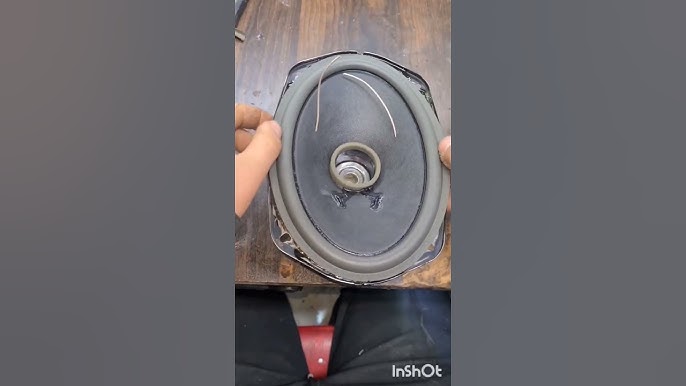
- Rubber:Durable and resists heat and moisture.
- Cloth:Long-lasting but less common today.
Durable surrounds keep sound clear and prevent damage.
Voice Coil Construction
The voice coil moves the cone using magnetic fields. Its design affects power handling and sound quality.
- Copper Wire:Common and efficient conductor.
- Aluminum Wire:Lighter but less conductive than copper.
- Double Voice Coils:Allow more wiring options and power handling.
Strong voice coils handle heat better and last longer.
Speaker Size And Fit
Choosing the right speaker size and fit is a key step in upgrading your car audio system. It affects sound quality, ease of installation, and compatibility with your vehicle. Knowing what sizes are common, how they match your car, and what to consider during installation can save you time and frustration.
Common Speaker Sizes
Car speakers come in several standard sizes. The most popular sizes include 6.5 inches, 5.25 inches, and 6×9 inches. Each size produces different sound qualities—larger speakers generally provide deeper bass, while smaller ones handle mid and high frequencies better.
Think about your music preferences. If you love bass-heavy genres, a 6×9 speaker might suit you better than a smaller 5.25-inch model. Many car audio brands also offer component speakers in these sizes, letting you mix and match for the best sound.
Vehicle Compatibility
Every car has specific speaker mounting locations and size limits. Your vehicle’s manual or online forums can help you identify what speaker sizes fit your doors or dashboard. Trying to force a bigger speaker into a smaller slot often leads to poor sound or installation headaches.
Have you checked if your car requires adapter brackets or special mounting hardware? Some vehicles need these to secure aftermarket speakers properly. Ignoring vehicle compatibility can mean wasted money and time, so double-check before buying.
Installation Considerations
Installation isn’t just about fitting the speaker physically; wiring and speaker depth matter too. Some speakers are deeper and may interfere with window mechanisms or door panels. Measuring the mounting depth and clearance inside your car door is essential.
Consider whether you want to do the installation yourself or hire a professional. DIY installation can save money but requires careful handling to avoid damaging wiring or speaker cones. Also, think about soundproofing materials that might improve your audio experience after installing new speakers.
Comparing Brands And Models
Comparing car speakers means more than just checking specs on a sheet. You need to understand how different brands and models perform in real life. This helps you choose speakers that match your sound preferences and budget without wasting money.
Popular Brands
Some brands have earned trust through consistent quality. Brands like JBL, Pioneer, and Alpine often come up in conversations about reliable car audio. Each brand offers unique features—JBL focuses on deep bass, Pioneer balances clarity and power, while Alpine targets audiophiles with crisp highs.
Have you noticed how some brands feel more familiar or trustworthy? This usually comes from years of solid performance and customer feedback. Trying out a few models from these brands can give you a clearer idea of what fits your style.
Price Vs Performance
Price doesn’t always guarantee better sound, but it often reflects build quality and durability. You might find a mid-range speaker that sounds better than an expensive one if it suits your car’s acoustics. Look beyond price tags and listen to how speakers perform in real conditions.
Ask yourself: Are you after booming bass or clear vocals? Sometimes spending a bit more on a speaker with better tweeters will improve your listening experience more than bigger woofers. Balance your budget with what you value most in sound quality.
Warranty And Support
A good warranty shows the brand’s confidence in their product. Most popular car speaker brands offer warranties between one to three years. Check what the warranty covers—some include free repairs, others only replacements.
Support matters when you face installation issues or defects. Brands with accessible customer service and helpful resources can save you time and frustration. Would you prefer a brand that offers quick support over one with a longer warranty but slow response?
Testing Speakers Before Buying
Testing speakers before buying is essential to ensure you get the sound quality you expect. Different speakers can dramatically change your listening experience, even if they look similar on paper. Taking the time to test them helps you avoid costly mistakes and ensures your choice fits your personal taste and your car’s acoustics.
Listening Tests
Bring your favorite music tracks when you visit a store or a dealer. Focus on how clear the vocals sound and whether the bass is tight or muddy. Try different volume levels to see if the speaker distorts or stays crisp.
Ask yourself: Does the sound feel natural, or is it overly bright or dull? Pay attention to how the speakers handle complex parts of songs, like fast drum beats or layered instruments. This gives you clues about their overall quality and balance.
Using Audio Samples
Use a variety of audio samples that represent different music genres. Include classical, rock, hip-hop, and even podcasts to cover a wide range of frequencies. This approach reveals how versatile the speakers are across different sounds.
Try using high-quality audio files or streaming services that offer lossless options. Low-quality files can hide speaker flaws or make good speakers sound bad. Remember, testing with good samples means you’ll know exactly what you’re getting.
Evaluating In Your Car
Bring the speakers home or ask if the store allows in-car testing. The acoustics inside your car are unique, influenced by materials and space. What sounds great in a showroom might not perform the same way on your dashboard.
Install the speakers temporarily and listen carefully from your usual driving position. Notice if any sound feels blocked or if certain frequencies get lost. This hands-on evaluation helps you pick speakers that truly improve your car audio experience.

Credit: www.crutchfield.com
Upgrading Your Car Audio System
Upgrading your car audio system can greatly improve your driving experience. Better sound quality makes every trip more enjoyable. Small changes can have a big impact on the audio output. Understanding key components helps you choose the right upgrades for your needs.
Amplifiers And Crossovers
Amplifiers boost the power sent to your speakers. They make sound clearer and louder without distortion. Crossovers split audio signals into different frequencies. This allows each speaker to handle the sounds it performs best. Using quality amplifiers and crossovers ensures balanced, rich sound throughout your car.
Speaker Placement
Speaker placement affects sound clarity and balance. Position speakers where sound reaches your ears directly. Avoid placing speakers too close to corners or inside door panels without proper mounting. Adjust angles and height to reduce echoes and improve stereo separation. Correct placement creates a natural and immersive listening experience.
Sound Dampening Techniques
Sound dampening reduces road noise and vibrations. It helps speakers perform at their best. Use materials like foam, mats, or sprays inside doors and panels. These materials absorb unwanted noise and prevent sound waves from bouncing. Proper dampening improves bass response and overall sound quality in your car.
Frequently Asked Questions
What Factors Should I Consider When Comparing Car Speakers?
Consider speaker size, power handling, sensitivity, and frequency response. Check compatibility with your car and audio system for the best fit and performance.
How Does Speaker Size Affect Sound Quality In Cars?
Larger speakers usually produce better bass and louder sound. Smaller speakers offer clearer highs but less bass. Choose based on your sound preference.
Why Is Sensitivity Important In Car Speaker Comparison?
Sensitivity measures how efficiently speakers convert power to sound. Higher sensitivity means louder sound with less power. It impacts overall audio performance and power needs.
How Do Power Ratings Influence Car Speaker Selection?
Power ratings show maximum and RMS power speakers can handle. Match speakers to your amplifier’s power output to avoid damage and ensure optimal sound quality.
Conclusion
Choosing the right car speakers enhances your driving experience. Compare size, power, and sound quality to make the best choice. Check compatibility with your car’s audio system. Read reviews and gather opinions from other users. Consider your budget but don’t compromise on quality.
Listening to sound samples helps in making a decision. Remember, good speakers provide clear and rich sound. Take time to research and choose wisely. Enjoy the music as you drive!

Similar Posts