How to Fix Crackling Speakers in Car: Easy, Effective Solutions
Master Automotive Systems Engineer & Performance Vehicle Specialist at CarSpeedNest Automotive Testing Lab · ASE Certified Master Technician, Mobile Electronics Certified Professional (MECP Master), Certified Dyno Diagnostic Specialist · 14+ years in dyno testing, electronic sensor calibration, automotive wiring harnesses, and precision drivetrain maintenance
Are you tired of that annoying crackling sound coming from your car speakers? It can ruin your favorite songs and make every drive less enjoyable.
The good news is, you don’t have to live with it. Fixing crackling speakers in your car is easier than you think. You’ll discover simple, effective steps to bring your sound back to life. Keep reading, and soon you’ll enjoy clear, crisp audio every time you hit the road.

Credit: www.youtube.com
Common Causes Of Crackling Speakers
Crackling speakers in your car can turn every drive into an annoying experience. Understanding the common causes behind these unwanted noises helps you fix the problem effectively. Let’s look at some typical reasons why your car speakers might be crackling and what you can do about them.
Loose Or Damaged Wiring
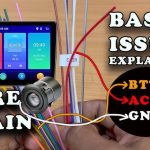
Loose or damaged wiring is one of the most frequent causes of crackling sounds. Wires can become loose due to vibrations from driving or get damaged by rodents or wear over time.
Check your speaker connections carefully. Even a small loose wire can interrupt the signal and cause crackling.
Faulty Speaker Components
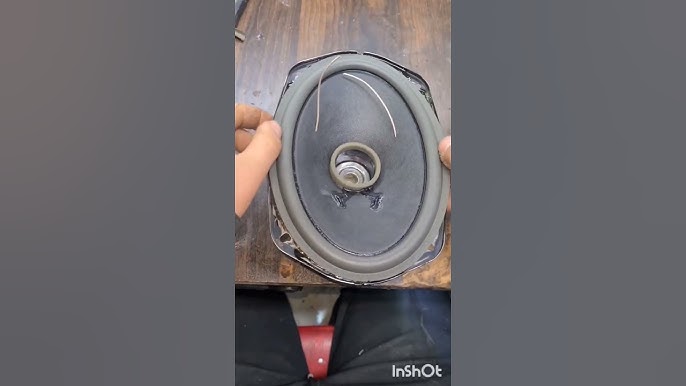
Sometimes, the issue lies inside the speaker itself. Components like the cone, coil, or surround might be damaged or worn out.
If you notice crackling only at higher volumes, it could be a sign that the speaker is struggling to handle the power.
Interference From Other Devices
Electronic devices inside your car can interfere with the audio signal. Smartphones, chargers, or even GPS units can cause unwanted noise.
Try turning off or moving these devices away from your audio system to see if the crackling stops. Have you noticed the crackling intensifies when your phone is near?
Amplifier And Head Unit Issues
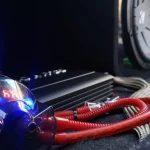
Your car’s amplifier or head unit might be the root of the problem. Faulty internal components or poor connections here can distort the sound.
Sometimes, resetting or updating the head unit’s firmware can fix these issues. If the amplifier is overheating or damaged, it could also cause crackling.
Credit: www.slkworld.com
Tools Needed For Speaker Repair
Fixing crackling speakers in your car requires the right tools. Having proper equipment makes the repair process easier and more effective. These tools help you test, clean, and fix speaker problems safely.
Below are the key tools needed for speaker repair.
Basic Hand Tools
- Screwdrivers (Phillips and flathead) to remove speaker covers
- Pliers for gripping and bending wires
- Wire cutters to trim damaged wires
- Soldering iron for fixing broken connections
- Electrical tape to secure repaired wires
Multimeter For Testing
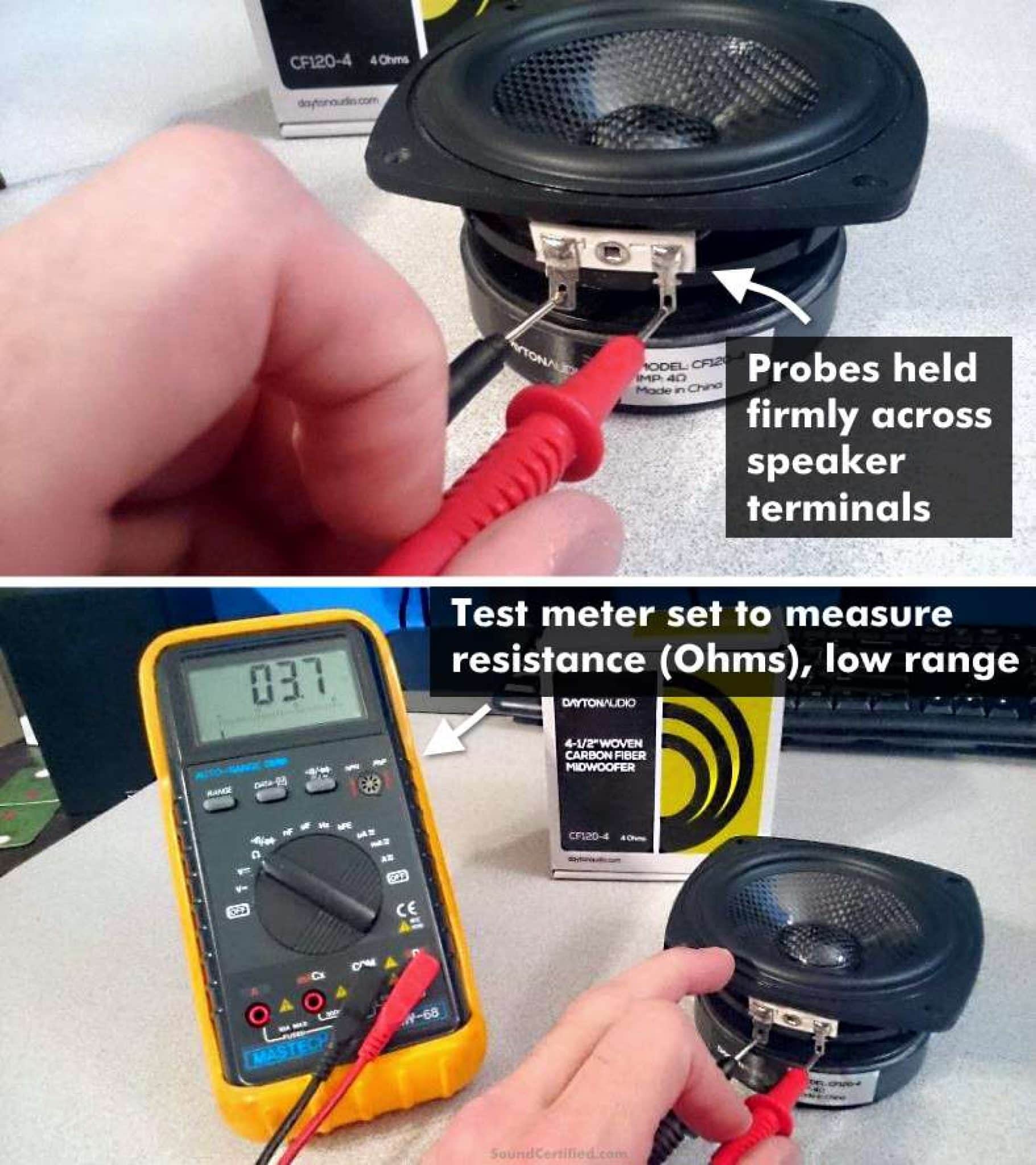
A multimeter measures electrical signals and resistance. Use it to check speaker wiring and identify faults. It helps find broken wires or bad connections causing crackling sounds. Digital multimeters are easy to read and recommended for beginners.
Cleaning Supplies
- Contact cleaner spray to remove dirt from speaker terminals
- Soft brushes to clean speaker cones gently
- Microfiber cloths to wipe dust without damage
- Cotton swabs for reaching small spaces
Step-by-step Speaker Inspection
Fixing crackling speakers starts with a careful inspection. This process helps find the exact cause of the problem. A thorough check prevents further damage and saves money. Follow these simple steps to inspect your car speakers effectively. Each step is clear and easy to follow.
Checking Speaker Connections
Loose or dirty connections often cause crackling sounds. First, turn off your car’s audio system. Remove the speaker covers gently to access wiring. Look for loose wires or connectors. Clean any dirt or corrosion on the terminals. Reconnect wires firmly to ensure a solid connection. Test the speakers after reconnecting to check for improvement.
Testing Speaker Functionality
Testing the speakers helps identify faulty units. Play audio at a low volume to avoid damage. Listen carefully for crackling or distortion sounds. Swap wires between speakers to see if the problem moves. Use a multimeter to check speaker resistance if available. A broken speaker usually shows no or very high resistance. Replace any speaker that fails the test.
Inspecting For Physical Damage
Physical damage can cause poor sound quality. Look for tears, holes, or dents in the speaker cones. Check the surround for cracks or stiffness. Press lightly on the cone to feel for smooth movement. Damaged parts may cause crackling or rattling sounds. Replace or repair damaged components to restore sound clarity.
Quick Fixes For Minor Issues
Crackling sounds from your car speakers can quickly turn a joyful drive into a frustrating experience. Often, these annoying noises come from minor issues that you can fix yourself without spending a dime. By focusing on simple, quick fixes, you can restore clear sound and avoid unnecessary trips to the mechanic or audio specialist.
Tightening Loose Connections
Loose connections are a common culprit behind crackling speakers. Check the wires at the back of your head unit and speakers for any looseness or disconnection. Gently push or twist the connectors to ensure they fit snugly—your speakers need a solid connection to deliver crisp sound.
Have you ever noticed how a slight wiggle in your headphone jack causes static? It’s the same idea with your car’s wiring. Tightening these connections can often stop crackling immediately.
Cleaning Corroded Contacts
Corrosion on speaker terminals or wire connectors can block proper electrical flow, resulting in crackling noises. Use a small brush or a cotton swab dipped in isopropyl alcohol to clean these contacts carefully. Avoid harsh scrubbing that might damage the wires or terminals.
Even if you don’t see obvious corrosion, a regular cleaning can improve your sound quality significantly. Have you checked your speaker wires lately? It might be time to give them a quick cleanse.
Adjusting Head Unit Settings
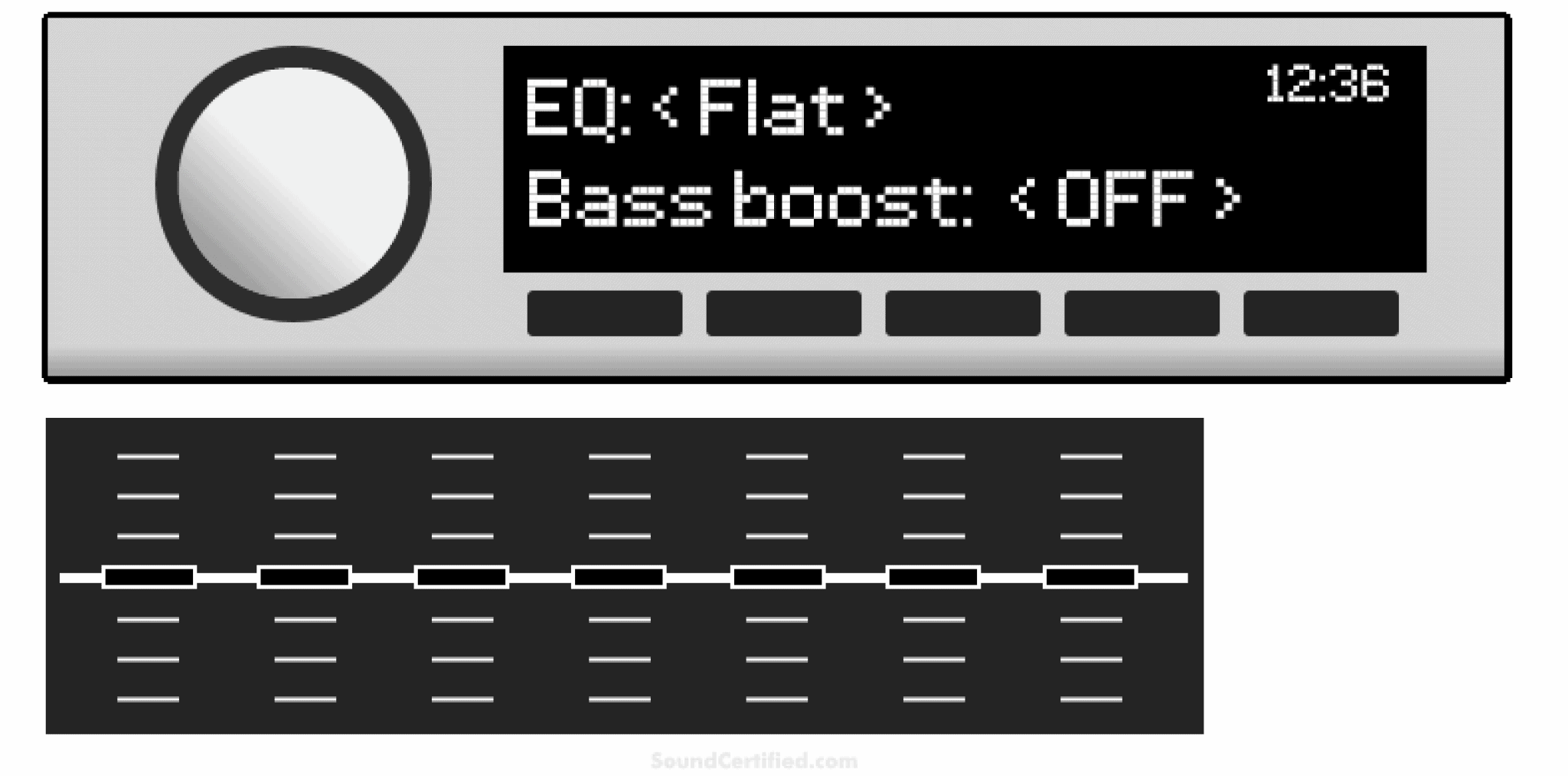
Sometimes the issue isn’t hardware but settings on your car’s audio system. Excessive bass or treble levels can cause distortion and crackling, especially at higher volumes. Try adjusting the equalizer settings to a balanced level and lower the volume slightly to see if the crackling disappears.
Don’t overlook the fader and balance controls either; uneven distribution can stress one speaker more than others. Could a simple tweak in your audio settings be the key to clearer sound?
Advanced Repair Techniques
Advanced repair techniques can make a big difference when you’re dealing with crackling speakers in your car. Sometimes, simple fixes don’t cut it, and you need to dive deeper to restore clear sound. These methods require a bit more skill and tools but can save you money and improve your car audio system significantly.
Replacing Speaker Components
Damaged speaker parts like cones, voice coils, or surrounds often cause crackling sounds. Replacing these components instead of the entire speaker can be cost-effective. You’ll need to carefully remove the speaker from its mounting, identify the faulty part, and swap it with a new one.
Keep in mind that some components are delicate. Using the right tools and handling parts gently prevents further damage. Have you checked if the speaker cone is torn or if the voice coil is burnt? These signs often point directly to the source of the crackle.
Fixing Wiring Problems
Wiring issues are a common cause of crackling in car speakers. Loose connections, frayed wires, or corrosion can interrupt the audio signal. Start by inspecting all speaker wires for visible damage or weak spots.
Use a multimeter to test continuity and ensure there’s no break in the circuit. Tighten any loose connections and replace damaged wires with new ones. A clean and secure wiring setup often makes a noticeable difference in sound quality.
Upgrading Amplifiers
An underpowered or faulty amplifier can cause speakers to crackle, especially at higher volumes. Consider upgrading to an amplifier that matches your speakers’ power needs for clearer, more consistent sound. When selecting an amp, pay attention to its RMS power rating and impedance compatibility.
Installing a new amplifier may require some rewiring and adjustment of settings. But the improvement in audio performance is often worth the effort. Ask yourself if your current setup struggles with volume or distortion—this might be the amplifier’s fault.

Credit: www.youtube.com
Preventing Future Speaker Crackling
Preventing future speaker crackling keeps your car audio clear and enjoyable. Small habits protect speakers and extend their life. Regular care helps avoid common issues that cause crackling sounds.
Regular Maintenance Tips
- Clean speaker grills and surfaces gently with a soft cloth.
- Check speaker wires for loose connections or damage.
- Inspect the head unit and amplifier for dust buildup.
- Test speakers regularly to catch problems early.
- Replace worn cables to maintain sound quality.
Avoiding Overpowering Speakers
Playing music at too high volume stresses speaker parts. Overpowering causes distortion and crackling sounds. Keep volume at a comfortable level to protect speakers.
- Match amplifier power to speaker specifications.
- Use built-in volume limiters if available.
- Reduce bass boost to prevent speaker strain.
- Turn down volume before turning off the car.
Protecting Against Moisture And Dust
Moisture damages speaker components and causes crackling. Dust blocks speaker cones and reduces sound clarity. Keep speakers dry and clean for best performance.
- Park in covered areas or use car covers.
- Avoid spilling liquids near speakers.
- Use protective speaker covers or grills.
- Clean air vents to reduce dust inside the car.
Frequently Asked Questions
Why Do My Car Speakers Crackle?
Car speakers crackle due to loose connections, damaged wires, or blown speakers. Dirt or moisture can also cause interference. Identifying the root cause helps in applying the right fix and improving sound quality.
How Can I Fix Crackling Car Speakers Myself?
Start by checking speaker connections and cleaning terminals. Replace damaged wires or speakers if needed. Adjust audio settings to reduce distortion. These simple steps often resolve crackling issues without professional help.
Can A Blown Speaker Cause Crackling Sounds?
Yes, a blown speaker often produces crackling sounds. It occurs when the speaker’s internal components are damaged. Replacing the speaker usually eliminates the crackling and restores clear sound.
Does Changing The Audio Source Stop Speaker Crackling?
Changing the audio source can help if the problem lies in a faulty device or connection. Test different sources to isolate the issue. If crackling persists, the speakers or wiring may be the cause.
Conclusion
Fixing crackling speakers in your car enhances your driving experience. Simple checks and adjustments can make a big difference. Start by inspecting the wiring and connections. Loose wires often cause sound issues. Next, examine the speaker itself for damage. Replacing a damaged speaker might be necessary.
Regular maintenance prevents future problems. Keep your car audio system in great shape. Enjoy clear, crisp sounds on every drive. Addressing these issues promptly ensures a smoother, more enjoyable journey. Remember, a little effort goes a long way in maintaining audio quality.
Happy driving!

Similar Posts