How to Test Car Speakers Without Radio: Easy DIY Methods Revealed
Master Automotive Systems Engineer & Performance Vehicle Specialist at CarSpeedNest Automotive Testing Lab · ASE Certified Master Technician, Mobile Electronics Certified Professional (MECP Master), Certified Dyno Diagnostic Specialist · 14+ years in dyno testing, electronic sensor calibration, automotive wiring harnesses, and precision drivetrain maintenance
Have you ever wondered if your car speakers are working properly, but your radio just won’t turn on? Testing your car speakers without using the radio might seem tricky, but it’s easier than you think.
Whether you’re troubleshooting a sound issue or upgrading your system, knowing how to check your speakers on your own can save you time and money. You’ll discover simple, step-by-step methods to test your car speakers without needing the radio at all.
Keep reading, and you’ll be able to hear clearly if your speakers are ready to deliver the perfect sound.
Credit: abcadvancedauto.com
Apply Signal Generator Apps
Using signal generator apps is a smart way to test your car speakers without needing the radio. These apps send specific sound frequencies directly to your speakers, allowing you to check their response clearly. You only need a smartphone and a simple connection to your speaker wires or amplifier.
Select Appropriate Frequencies
Choosing the right frequencies is crucial for an accurate test. Start with low frequencies around 20-60 Hz to test the bass response. Then move to mid frequencies between 500 Hz and 2 kHz for clarity and vocal range.
Don’t forget to try high frequencies from 8 kHz up to 20 kHz to evaluate the treble. Each frequency range highlights different aspects of your speaker’s performance. Have you noticed certain sounds missing or distorted during your tests?
Evaluate Speaker Performance
Listen carefully to how your speakers handle each frequency. Check for any buzzing, crackling, or distortion that could indicate damage. Pay attention to whether the sound is clear and balanced at all volume levels.
Try moving the frequency smoothly between ranges and notice how the speaker transitions. This can reveal weaknesses in the speaker cones or wiring issues. How confident are you in your speakers after this hands-on testing?
Troubleshoot Common Issues
Troubleshooting common issues with car speakers without a radio helps save time and money. It lets you find problems early before they get worse. Start by checking simple signs like sound quality or no sound at all. Follow steps to isolate the issue and fix it quickly. Understanding the problem helps decide if parts need replacement or repair.
Identify Distortion Or No Sound
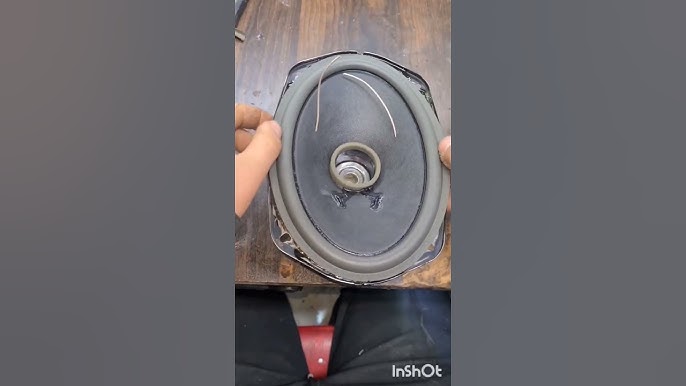
Distorted sound means the speaker does not play clear audio. It might buzz, crackle, or have static noise. No sound means the speaker is silent even if power is on. Check speaker wires for loose connections or damage. Test the speaker cone by gently pressing it to feel stiffness or damage. Use a battery to test speaker response by briefly connecting wires to its terminals. Listen for a clicking or popping sound. If you hear nothing or strange noise, the speaker might be faulty.
Replace Or Repair Components
Damaged wires or connectors cause many speaker problems. Replace frayed or broken wires with new ones. Fix loose connectors by tightening or soldering them. If the speaker cone is torn, consider repairing with a special adhesive or replace the speaker. Check the speaker’s internal parts like the voice coil or magnet. Replace the speaker if these parts are damaged beyond repair. Keep spare parts ready for quick fixes. Proper tools help ensure safe and clean repairs.
Credit: audiointensity.com
Frequently Asked Questions
How Can I Test Car Speakers Without A Radio?
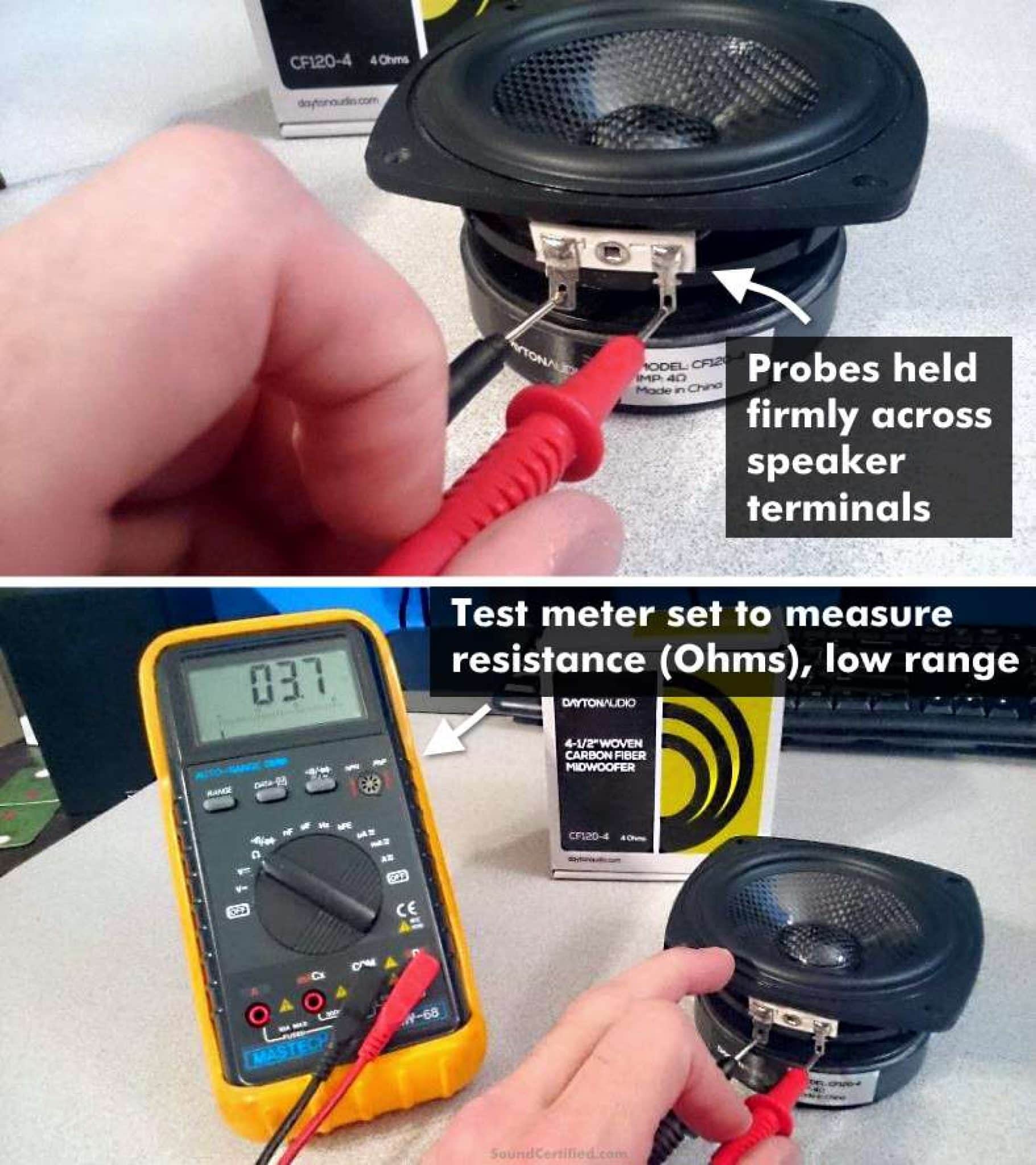
To test car speakers without a radio, use a multimeter. Connect the multimeter’s probes to the speaker terminals. Check for resistance. A reading between 4-8 ohms is ideal. Alternatively, use a 9-volt battery. Briefly connect its terminals to the speaker wires.
Listen for a popping sound, indicating functionality.
What Tools Do I Need For Speaker Testing?
You need a multimeter and a 9-volt battery to test speakers. A multimeter checks resistance, while a battery tests sound output. Additionally, speaker wires and connectors are helpful. Ensure all tools are in good condition for accurate testing.
Can A Multimeter Help Test Car Speakers?
Yes, a multimeter is essential for testing car speakers. It measures the speaker’s impedance, ensuring functionality. Set the multimeter to the resistance setting. Connect its probes to the speaker terminals. A reading between 4-8 ohms confirms the speaker is working correctly.
Why Use A 9-volt Battery For Testing?
A 9-volt battery helps quickly test speaker functionality. Connect the battery terminals to the speaker wires. If the speaker makes a popping sound, it works. This method is simple and effective. It doesn’t require technical expertise, making it accessible for most users.
Conclusion
Testing car speakers without a radio is simple and quick. Use a battery or phone to send sound to the speaker. Check for clear and steady sound to know if the speaker works. Avoid complex tools or steps to save time.
This way, you can find problems early and fix them faster. Keep your car’s sound system in good shape with these easy tests. Try these tips next time you want to check your speakers. It saves money and helps you enjoy better sound on the road.

Similar Posts