How to Fix Blown Out Car Speakers: Easy DIY Repair Tips
Have you ever turned up your car stereo only to hear that awful crackling or distortion? Blown out car speakers can ruin your driving soundtrack and leave you frustrated.
But don’t worry—you don’t have to replace your entire sound system just yet. You’ll discover simple and effective ways to fix your blown out car speakers. By following these easy steps, you can bring back clear, powerful sound and enjoy every drive again.
Keep reading, and let’s get your music sounding great once more!
Signs Of Blown Car Speakers
Knowing the signs of blown car speakers can save you time and money. If your audio starts to sound off, it’s easy to ignore it at first. But catching the problem early can help you fix it before it gets worse.
Distorted Sound
One of the first signs you might notice is distorted sound. Music or voices may sound fuzzy, crackly, or unclear. You might find yourself turning up the volume to hear better, but the distortion only gets worse.
If the clarity of your favorite songs changes suddenly, it’s a red flag. Have you ever been frustrated by your car radio sounding like it’s underwater? That’s a clear hint your speakers could be damaged.
No Sound Output
Another obvious sign is no sound coming from one or more speakers. If your car stereo works but you hear silence from a speaker, something’s wrong. It’s not always a wiring issue—sometimes the speaker itself is blown.
Try switching the balance and fade settings to isolate the problem speaker. If that speaker stays silent while others work fine, it’s time to check its condition. Have you tested each speaker individually to confirm this?
Rattling Or Buzzing Noise
Rattling or buzzing noises are a clear indication of speaker damage. These unwanted sounds happen when the speaker cone or surrounding parts get torn or loose. The rattling often gets worse at higher volumes.
Imagine listening to your favorite track and suddenly hearing a distracting buzz instead of clear music. That buzzing is a warning sign to inspect your speakers immediately. Have you noticed any unusual noises while driving?
Credit: www.diymobileaudio.com
Tools And Materials Needed
Fixing blown out car speakers requires the right tools and materials to make the process smooth and effective. Without proper equipment, you might end up causing more damage or not addressing the issue fully. Knowing what to have on hand before you start can save you time and frustration.
Basic Repair Tools
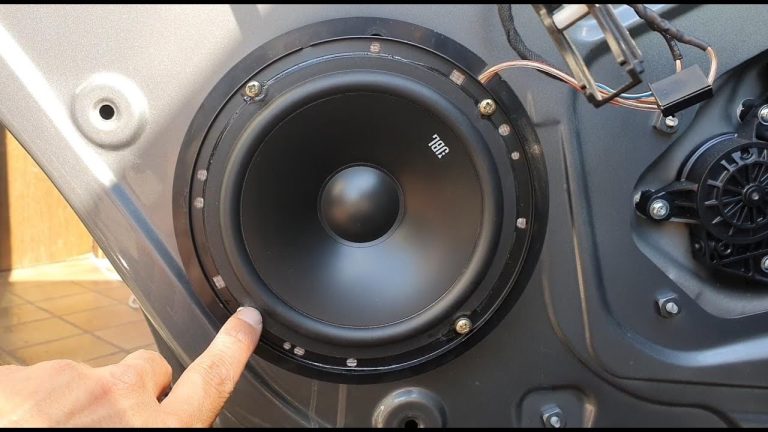
You’ll need a few essential tools to open your car panels and access the speakers. A set of screwdrivers, both flathead and Phillips, is crucial since screws vary by car model.
Wire cutters and strippers help you manage speaker wires carefully. Don’t forget a multimeter to check electrical connections—it can save you from guessing if wires are live or broken.
Replacement Parts
Having the right replacement speaker or speaker components is key. If the speaker cone is damaged, you might only need a new cone or a full speaker replacement depending on the severity.
Also, keep extra speaker wire and connectors ready. Sometimes the wires get damaged or corroded, and replacing them ensures a solid connection.
Safety Equipment
Safety should never be overlooked. Gloves protect your hands from sharp edges inside the car doors or speaker housing.
Eye protection is important too, especially when dealing with wires or small parts that could snap or fly unexpectedly. Working in a well-lit, ventilated space reduces the chance of accidents and helps you see the problem clearly.
Diagnosing The Problem
Before fixing blown out car speakers, you need to pinpoint what’s actually wrong. Diagnosing the problem saves you time and money by targeting the real issue instead of guessing. Let’s look at how to check connections, inspect speaker parts, and verify your audio source to find the root cause.
Testing Speaker Connections
Loose or damaged wires often cause poor sound quality. Start by checking the speaker wires at the terminals. Make sure they’re tightly connected and free from corrosion or fraying.
Try gently wiggling the wires while playing music. Does the sound cut in and out? If yes, the connection is likely faulty.
You can also use a multimeter to test for continuity. This tool tells you if electricity flows properly through the wires, revealing hidden breaks that aren’t visible.
Inspecting Speaker Components
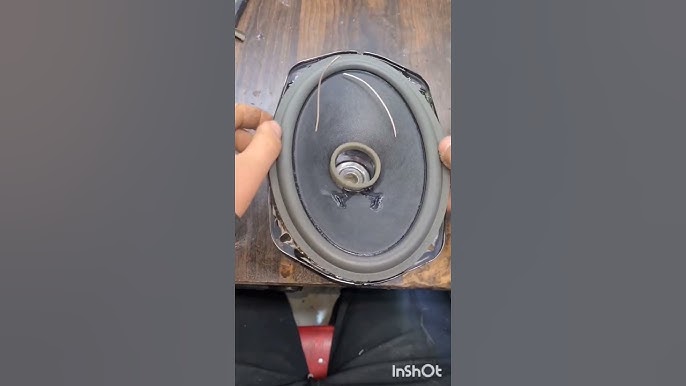
Look closely at the speaker itself. The cone, surround, and dust cap can wear out or tear over time. If you see cracks or holes, the speaker might be blown.
Press lightly around the edges of the cone. Does it move smoothly or feel stiff? Stiffness or scratching noises indicate damage to the voice coil or suspension.
Don’t forget to check for any burnt smell or discoloration on the speaker. These signs often point to overheating caused by overpowering the speaker.
Checking The Audio Source
Sometimes the problem isn’t the speaker but what’s feeding it. Test your car stereo or amplifier by connecting another set of speakers or headphones. If they sound fine, the issue is likely with the original speakers.
Also, verify the audio settings. Excessive bass boost or volume levels set too high can blow out speakers quickly.
Have you noticed distortion only at certain volume levels? This can reveal if the source is overdriving the speakers or if the speakers themselves are failing.

Credit: www.youtube.com
Simple Diy Fixes
Fixing blown out car speakers doesn’t always require a professional. Some common issues are surprisingly easy to address with simple tools and a bit of patience. These DIY fixes can save you money and get your music sounding great again in no time.
Reattaching Loose Wires
Have you checked if your speaker wires are still tightly connected? Loose or disconnected wires can cause poor sound or no sound at all. Carefully remove the speaker panel and inspect the wiring for any signs of detachment or damage.
If you find loose wires, use a soldering iron or electrical tape to secure them back in place. Make sure the connections are snug but avoid forcing them, which could cause further damage. After reattaching, test your speakers to see if the sound quality improves.
Cleaning Speaker Contacts
Dirty or corroded contacts can interfere with your speaker’s performance. Dust, moisture, or oxidation might build up on the connectors over time. Grab a soft cloth and some electronic contact cleaner to wipe the speaker terminals and wire ends gently.
Be careful not to use too much liquid or apply excessive pressure. After cleaning, reconnect the wires and play some music to check for clearer sound. This simple step often restores crisp audio without the need for replacement parts.
Replacing Speaker Cones
Damaged cones are a major cause of distorted or blown-out sound. If you notice visible tears or holes in the cone, replacement is usually the best option. You can order a cone repair kit or a new speaker cone designed specifically for your model.
Removing the old cone requires careful detachment from the frame and voice coil. Follow instructions that come with the kit and use the right glue to attach the new cone firmly. This fix demands some patience but can bring your speakers back to life if done correctly.
When To Replace Your Speakers
Knowing when to replace blown out car speakers can save time and money. Speakers often show signs before they fail completely. Recognizing these signs helps decide if repair or replacement is best. Some damage is fixable, while other issues require new speakers.
Evaluating Damage Severity
Check if the speaker produces distorted or no sound. Small tears in the cone might be repairable. Large holes, burnt coils, or broken parts usually need replacement. Listen for crackling or buzzing noises during playback. Physical damage to the speaker frame also suggests replacement.
Cost Of Repair Vs Replacement
Repairing speakers can be cheaper but not always worth it. Small damages may cost less to fix than buying new speakers. Major damage often requires expensive repairs or parts. Compare repair costs with prices of new speakers. Factor in your time and effort for repair as well.
Choosing New Speakers
Pick speakers that fit your car’s size and audio system. Consider speaker type: coaxial or component speakers offer different sound quality. Look for brands known for durability and clear sound. Check power handling to match your car stereo’s output. Installation ease is important for a smooth upgrade.
Preventing Future Damage
Preventing future damage to your car speakers is just as important as fixing them. Taking the right steps can help you enjoy clear sound without worrying about costly replacements. Let’s look at some practical ways to protect your investment and keep your music sounding great.
Avoiding Overpowering Your Speakers
One common cause of blown speakers is pushing too much power through them. Your speakers have a power rating, usually listed in watts, and exceeding this can cause permanent damage.
Check your amplifier’s output and make sure it matches your speaker’s capacity. If your amp is too strong, consider using a limiter or investing in speakers designed to handle higher power. Have you ever noticed distortion creeping in before a speaker fails? That’s a clear warning sign to lower the power.
Maintaining Speaker Components
Speakers face wear and tear from dust, moisture, and vibrations. Regular cleaning helps keep dust off the cones and prevents buildup in the wiring connections.
Inspect your speakers for cracks or tears in the cones and surrounds. Small damages can worsen if ignored, leading to blown speakers. Protect your speakers by keeping your car interior dry and avoiding exposure to extreme temperatures.
Proper Volume Control
It’s tempting to crank the volume and feel the bass vibrate through the seats, but this can strain your speakers over time. Instead, raise the volume gradually and listen for any signs of distortion or crackling.
Try to avoid sudden volume spikes, especially when switching tracks or sources. Using volume normalization features in your audio system can help maintain consistent levels and reduce stress on your speakers. What’s your usual volume setting? Testing whether a slightly lower volume still sounds great might surprise you.

Credit: www.youtube.com
Frequently Asked Questions
What Causes Car Speakers To Blow Out?
Car speakers can blow out due to excessive volume, distortion, or power overload. When pushed beyond their limits, speakers can suffer damage. It’s crucial to maintain a balanced audio setting and avoid maximum volume to prevent this issue.
How Can I Tell If My Speakers Are Blown?
Signs of blown speakers include distorted sound, rattling noises, or no sound at all. You might also notice reduced audio quality. Testing each speaker individually can help identify the issue.
Can Blown Speakers Be Repaired?
Yes, blown speakers can often be repaired. Depending on the damage, you might need to replace parts like the cone or voice coil. Sometimes, a professional repair service is advisable for extensive damage.
How Much Does Speaker Repair Cost?
Speaker repair costs vary based on the damage and speaker type. Basic repairs might cost around $20-$50, while more complex repairs could be higher. Consulting with a repair professional can provide a more accurate estimate.
Conclusion
Fixing blown out car speakers improves your music experience greatly. Start by checking the speaker wires and connections carefully. Replace damaged parts to restore clear sound. Avoid playing music too loud to protect your speakers. Regular maintenance helps prevent future damage and saves money.
Enjoy better sound quality and drive with confidence. Taking small steps keeps your car audio system working well. Simple fixes make a big difference in your daily drive. Keep your car speakers healthy and your music loud.