
Are you tired of dull, weak sound every time you play music in your car? Upgrading your car speakers can completely change your driving experience.
Imagine feeling every beat, every note crystal clear, no matter where you sit. You don’t need to be a tech expert or spend a fortune to make it happen. In this guide, you’ll discover simple steps to install better speakers in your car and enjoy amazing sound on every drive.
Keep reading, and get ready to transform your car’s audio system today!
Choose The Right Speakers
Choosing the right speakers is key to improving your car’s sound quality. The right speakers make music clearer and bass deeper. It also ensures the speakers fit well and last long. Understanding speaker types, matching speakers to your car, and considering your budget helps find the perfect match.
Types Of Car Speakers
Car speakers come in different types. Each type offers unique sound and installation options.
- Coaxial Speakers:These are all-in-one speakers with tweeters and woofers combined. They are easy to install and good for basic upgrades.
- Component Speakers:These have separate parts for tweeters, woofers, and crossovers. They deliver better sound but need more space and effort to install.
- Subwoofers:Designed for deep bass sounds. They are larger and often require a separate amplifier.
Matching Speakers To Your Car
Speaker size matters. Most cars use 6.5-inch or 6×9-inch speakers. Check your car’s speaker slots before buying.
Consider the speaker’s power rating. Match it with your car’s stereo output to avoid damage. Also, think about the speaker’s sensitivity. Higher sensitivity means louder sound with less power.
Think about the speaker’s mounting depth. Make sure it fits behind your car’s door panel or dashboard.
Budget Considerations
Set a budget before shopping. Good speakers come in a wide price range.
Basic coaxial speakers cost less and improve sound quality quickly. Component speakers cost more but offer richer sound. Subwoofers and amplifiers add to the cost but boost bass and volume.
Balance your budget with your sound goals. Spend more on speakers if you want better quality. Save by upgrading step-by-step over time.

Credit: www.youtube.com
Gather Necessary Tools
Before you dive into installing better speakers in your car, gathering the right tools is crucial. Having everything ready saves time and spares you from frustrating trips back and forth to the store. It also helps avoid damage to your vehicle or the new speakers.
Basic Tools Needed
At a minimum, you’ll want a set of screwdrivers. Both Phillips and flathead screwdrivers come in handy for removing door panels and existing speaker mounts.
A panel removal tool is another must-have. It helps pry off door panels without leaving scratches or breaking clips, which is a common problem if you try to use just a screwdriver.
Don’t forget a wire stripper and crimper. Clean wire connections make a huge difference in sound quality and reliability. If you’ve ever dealt with poor connections causing crackling, you know how important this is.
Finally, a multimeter is useful to check wiring continuity and voltage. This tool can save you from guessing when troubleshooting speaker wiring issues.
Optional Accessories
While not essential, some accessories can make the installation smoother and improve the final result. For example, electrical tape or heat shrink tubing protects your connections from moisture and short circuits.
You might also consider foam speaker baffles or sound deadening material. Adding these can reduce road noise and enhance your car audio experience, especially if you’ve ever noticed rattling or distortion at high volume.
Wire connectors or quick disconnects speed up installation and make future speaker swaps easier. If you plan to upgrade frequently, these small investments pay off over time.
Have you ever struggled with a tool you didn’t have while working on your car? Gathering the right tools first not only keeps you calm but also ensures your new speakers sound their best right from the start.
Prepare Your Car
Preparing your car properly is the foundation for installing better speakers. Skipping this step can cause damage or result in poor sound quality. Taking your time here ensures a smooth installation and a great audio experience.
Disconnect The Battery
Start by disconnecting your car’s battery. This is crucial to prevent electrical shorts or shocks while handling the wiring. Use a wrench to loosen the negative terminal first, then the positive.
Have you ever forgotten this step and ended up with a blown fuse? It’s a simple precaution that saves a lot of hassle.
Remove Old Speakers
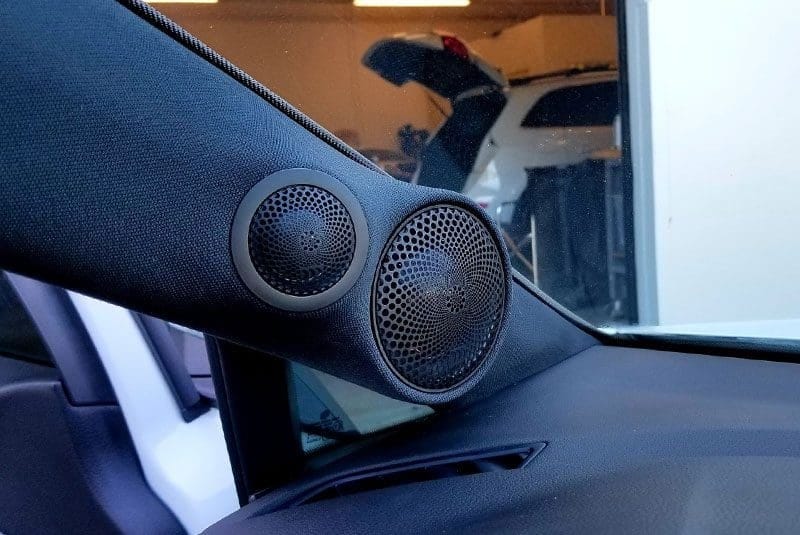
Next, carefully remove the existing speakers. Most car speakers are held in place by screws or clips behind the door panel or dashboard. Gently pry off the panel using a trim removal tool or a flathead screwdriver wrapped in cloth to avoid scratches.
Keep track of the screws and clips; you’ll need them for the new installation. Also, note how the old speakers are connected—this makes attaching the new ones easier.
Inspect Wiring And Connections
After removing the speakers, inspect the wiring and connectors. Look for frayed wires, corrosion, or loose connections. Damaged wiring can cause poor sound or even speaker failure.
If you find any problems, fix them before installing your new speakers. Sometimes, a quick clean or tightening the connectors can make a big difference in sound quality.
Credit: www.bestcaraudio.com
Install New Speakers
Installing new speakers in your car can dramatically improve sound quality and overall listening experience. This process requires careful attention to detail to ensure your investment delivers the best results. Let’s dive into how you can install your new speakers with confidence and precision.
Connect Wiring Properly
Before connecting anything, double-check the polarity of your speaker wires. Positive and negative terminals must match between the speaker and the car’s wiring harness to avoid sound distortion.
Use a wiring diagram specific to your vehicle model, which you can often find online or in your car’s manual. This ensures you connect the right wires without guesswork.
Secure connections with crimp connectors or solder joints to prevent wires from coming loose due to vibrations while driving. Loose wiring can cause intermittent sound or damage your speakers.
Secure Speakers In Place
Once wiring is connected, place the speakers in their mounting locations and check for proper alignment. Loose or misaligned speakers can rattle and reduce sound clarity.
Use the screws and brackets that came with your speakers or adapt existing mounts if necessary. Tighten screws evenly to avoid warping the speaker frame.
Consider adding foam or rubber gaskets between the speaker and mounting surface to reduce vibrations and improve sound isolation.
Test Speaker Fit
Before reassembling your door panels or dashboard, test the speakers by playing audio at low volume. Listen carefully for any buzzing, rattling, or distortion.
If you hear any issues, inspect the speaker placement and wiring connections again. Sometimes a small adjustment can solve a major sound problem.
Don’t rush this step—ensuring a perfect fit now will save you from having to remove everything later for corrections.
Adjust Sound Settings
Adjusting the sound settings in your car is just as important as installing better speakers. Even the highest-quality speakers won’t perform well if the sound settings aren’t optimized. Taking control over your audio system settings lets you tailor the sound exactly to your taste and your car’s unique environment.
Tune Your Audio System
Start by adjusting the basic audio controls like balance, fade, bass, treble, and volume. Balance controls the left-right sound distribution, while fade adjusts the front-back sound. Experiment with these to find a setting where the sound feels centered and natural.
Many car audio systems also let you adjust the time alignment or delay. This feature helps sync the sound so it reaches your ears evenly, especially if your speakers are positioned at different distances. Play with these settings while sitting in your usual driving spot to create a more immersive experience.
Optimize Equalizer Settings
The equalizer (EQ) shapes your sound by boosting or reducing specific frequency ranges. Instead of cranking all the bass or treble, try subtle tweaks. A small increase in midrange frequencies can improve vocal clarity, making your favorite songs more engaging.
Don’t be afraid to use presets as a starting point, but always fine-tune them. If your car has a graphical equalizer, adjust each band carefully and listen after every change. Ask yourself: does the music sound fuller or just louder? The goal is to enhance clarity and richness without distortion.
Have you ever noticed how different songs sound better with different EQ settings? Keeping a few custom presets for various music styles can make your drive more enjoyable. Remember, the best sound settings are the ones that feel right to your ears in your car.
Credit: www.tsxclub.com
Troubleshoot Common Issues
Troubleshooting common issues is crucial after installing better speakers in your car. Even high-quality speakers can face problems that affect sound clarity and overall performance. Identifying and fixing these issues early helps you enjoy the full benefits of your upgrade without frustration.
No Sound Or Distortion
Is your new speaker silent or producing distorted sound? Start by checking all wiring connections. Loose or improperly connected wires often cause no sound or crackling noises.
Inspect the speaker terminals and ensure they match the correct polarity—positive to positive and negative to negative. Reversing these can lead to distortion or weak sound.
Another common cause is a blown fuse in your car’s audio system. Locate the fuse box and replace any blown fuses with the exact same rating.
If distortion persists, test the audio source and cables. Sometimes, the issue lies not with the speakers but with a faulty head unit or damaged wiring.
Speaker Vibration Problems
Do you feel unwanted vibrations or rattling when the volume is high? This usually happens when speakers aren’t securely mounted.
Check the screws and brackets holding your speakers. Tighten any loose fittings to reduce vibration.
Adding foam or rubber gaskets between the speaker and mounting surface can absorb vibrations and improve sound quality.
Have you noticed certain parts of your car door or dashboard shaking? These panels might need extra insulation or damping material to stop vibrations from spreading.
Maintain Your Speakers
Maintaining your car speakers is just as important as installing them correctly. Without proper care, even the best speakers can lose their sound quality over time. Taking simple steps to keep them clean and protected ensures you enjoy clear, powerful audio on every drive.
Regular Cleaning Tips
Dust and dirt can settle on your speakers and affect sound clarity. Use a soft, dry cloth to gently wipe the speaker grills every week.
If dust builds up in hard-to-reach spots, try using a can of compressed air to blow it out carefully. Avoid using water or harsh cleaners, as moisture can damage the speaker components.
Have you noticed a decline in your speaker’s sound? Cleaning could be the quick fix that restores crisp audio without any extra cost.
Protecting Against Damage
Speakers are sensitive to extreme temperatures and moisture. Park your car in shaded areas or use sunshades to prevent overheating, which can warp speaker parts.
Keep liquids away from the speaker area and avoid blasting your music at maximum volume for long periods, as this can cause distortion and permanent damage.
Consider adding speaker covers or mesh grills to shield them from accidental bumps or debris inside your car. What small change can you make today to extend your speakers’ life?
Frequently Asked Questions
How To Choose The Best Car Speakers?
To choose the best car speakers, consider factors like size, power handling, and sensitivity. Match speaker size to your car’s existing mounts. Higher sensitivity speakers are ideal for lower-powered stereos. For better sound quality, choose speakers with a wide frequency range.
Always check compatibility with your car’s audio system.
Do I Need An Amplifier For New Speakers?
An amplifier isn’t always necessary but can improve audio quality. Factory car stereos may lack power for high-performance speakers. If you want louder, clearer sound, consider adding an amplifier. It ensures your speakers receive adequate power, reducing distortion and enhancing overall audio performance.
Can I Install Car Speakers Myself?
Yes, you can install car speakers yourself with basic tools. First, disconnect the car battery. Remove door panels carefully to access old speakers. Follow the new speaker’s installation instructions. Ensure proper wiring connections. Test the speakers before reassembling. If unsure, consult a professional installer.
What Tools Are Needed For Speaker Installation?
Basic tools needed include a screwdriver, wire cutter, and crimper. A panel removal tool helps safely remove door panels. A drill might be needed for custom mounts. Keep a multimeter handy for checking connections. Always follow the speaker manufacturer’s installation guide for best results.
Conclusion
Upgrading your car speakers improves sound quality a lot. Choose the right speakers that fit your car well. Follow clear steps to install them safely. Test the sound after installation for best results. Enjoy your favorite music with richer, clearer audio.
Small changes make your drive more fun. Take your time and enjoy the process. Your car sounds better, and so do you.