How to Make Your Car Speakers Sound Better: Expert Tips Revealed
Master Automotive Systems Engineer & Performance Vehicle Specialist at CarSpeedNest Automotive Testing Lab · ASE Certified Master Technician, Mobile Electronics Certified Professional (MECP Master), Certified Dyno Diagnostic Specialist · 14+ years in dyno testing, electronic sensor calibration, automotive wiring harnesses, and precision drivetrain maintenance
Are you tired of your car speakers sounding flat or dull? You deserve to enjoy every drive with clear, powerful music that feels alive.
Improving your car’s sound doesn’t have to be complicated or expensive. With a few simple tips, you can transform your audio experience and make your favorite songs come alive. Keep reading to discover easy ways to make your car speakers sound better and turn every ride into a concert on wheels.
Assess Your Current Setup
Before improving your car speakers, examine the current setup carefully. This helps find weak spots and areas that need change. Understanding your system’s state saves time and money.
Check Speaker Condition
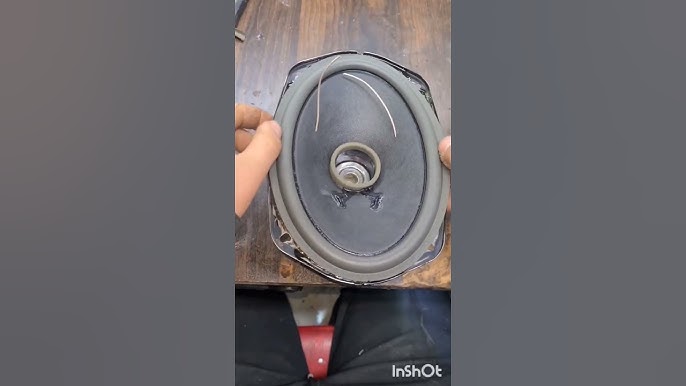
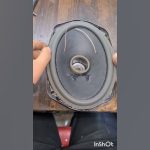
Look closely at each speaker for damage. Torn cones, loose parts, or dirt affect sound quality. Press gently on the speaker cone to test flexibility. A stiff or broken cone needs replacement. Clean dust and debris with a soft cloth. Good speaker condition ensures clear and crisp audio.
Evaluate Head Unit Quality
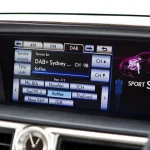
The head unit controls your music and sound signals. Older or cheap units may lower audio quality. Check if your head unit supports modern audio formats. Test sound clarity and volume levels. Consider upgrading if sound feels weak or distorted. A better head unit improves overall listening experience.
Inspect Wiring And Connections
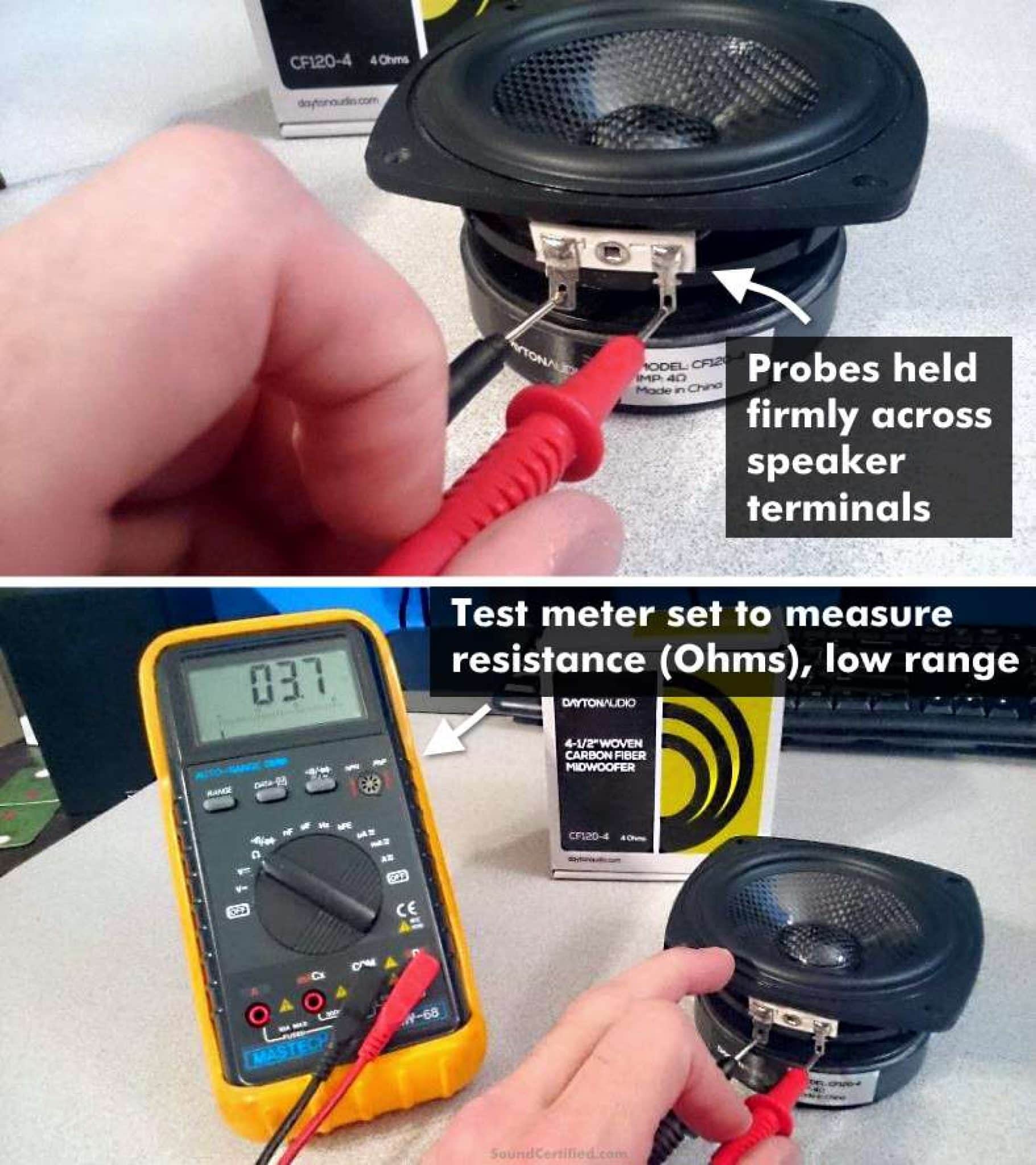
Loose or damaged wires cause sound cuts and distortion. Trace speaker wires from the head unit to each speaker. Look for frayed wires, corrosion, or loose terminals. Tighten any loose connections. Replace damaged wires for stable sound output. Proper wiring ensures steady power and clear audio signals.

Credit: www.reddit.com
Choose The Right Speakers
Choosing the right speakers is the foundation for better sound in your car. The speakers you pick will affect clarity, bass, and overall listening pleasure. If your speakers don’t fit well or match your car’s acoustics, even the best music can sound dull or distorted.
Match Speakers To Your Car
Not every speaker works well in every vehicle. Your car’s interior materials, size, and door panel design influence sound quality. Check your car’s manual or measure the existing speaker openings before buying new ones.
Think about your driving environment too. Do you spend a lot of time in noisy city traffic or quiet country roads? This affects the type of speakers you should choose. Matching speakers to your car ensures better sound balance and reduces unwanted vibrations.
Consider Speaker Size And Type
Speaker size directly impacts sound output and clarity. Larger speakers can handle more bass, but they may not fit every door or dashboard. Smaller speakers often deliver sharper highs and midrange sounds but lack deep bass.
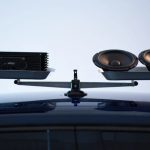
Besides size, decide between coaxial and component speakers. Coaxial speakers are easier to install and combine tweeters and woofers in one unit. Component speakers separate these parts for better sound control but usually require more installation effort.
Look For Quality Brands
Brand reputation matters when picking speakers. Trusted brands invest in research and quality control to ensure consistent sound performance. Reading reviews from other car audio enthusiasts can help you avoid disappointing purchases.
Don’t be swayed by flashy ads or the lowest price. A well-known brand with good warranties often saves you money in the long run. Quality speakers not only sound better but last longer under daily driving conditions.
Optimize Speaker Placement
Optimizing speaker placement greatly improves your car’s sound quality. Proper placement helps the sound reach your ears clearly. It balances highs, mids, and lows for a richer experience. Adjusting where speakers sit can reduce echoes and distortion. Small changes make a big difference in sound clarity.
Position Speakers For Best Sound
Place speakers at ear level for clear sound. Front doors and dashboard corners work well. Aim speakers toward the driver and passengers. Avoid placing them too low or high. This prevents sound from being muffled or scattered. Ensure speakers face the listener directly.
Avoid Obstructions
Clear the area in front of speakers. Objects like bags or seats block sound waves. Even small items can cause sound distortion. Keep windows closed to reduce outside noise. Avoid covering speakers with fabric or materials. Open space helps sound travel smoothly.
Use Sound Deadening Materials
Apply sound deadening materials inside doors and panels. These materials reduce vibrations and road noise. They help speakers produce cleaner sound. Foam or butyl mats work best for cars. Cover areas near the speakers for best results. This creates a quieter cabin and better audio.
Upgrade Audio Components
Upgrading your car’s audio components is one of the most effective ways to dramatically improve sound quality. Stock speakers often lack power and clarity, leaving your favorite tunes flat and uninspiring. By choosing the right upgrades, you can customize your audio experience to match your preferences and vehicle acoustics.
Add An Amplifier
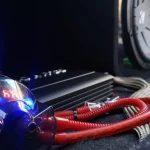
Adding an amplifier gives your speakers more power, which means louder and clearer sound without distortion. Think of it as giving your audio system a boost to handle complex sounds and deep bass. Even a modest amplifier can transform thin, tinny audio into rich, full-bodied music.
When selecting an amplifier, match its power output to your speaker’s needs. Overpowering or underpowering can damage components or reduce sound quality. Have you ever noticed your music sounding muddy at high volumes? An amplifier can fix that by maintaining clarity and balance.
Install A Subwoofer
A subwoofer delivers the low-frequency sounds that standard speakers often miss. This addition brings depth and punch to music, especially for genres like hip-hop, rock, and electronic. Without a subwoofer, bass notes can feel weak or nonexistent.
Subwoofers come in various sizes and types—sealed, ported, or bandpass—each producing different bass effects. Installing one doesn’t just add volume; it adds texture to your audio. Have you ever felt the vibration of a deep bass note? That’s what a good subwoofer can do for your car audio.
Use A Digital Signal Processor
A digital signal processor (DSP) fine-tunes your sound system by adjusting frequencies and timing. This means you can correct acoustic problems caused by your car’s shape and materials. It’s like having a sound engineer in your glove box.
With a DSP, you can customize sound staging and balance, making your music feel more natural and immersive. It also helps reduce distortion and improves clarity at all volume levels. If you’ve ever wished your music sounded better in different seating positions, a DSP is the tool to try.
Fine-tune Audio Settings
Fine-tuning your car’s audio settings can greatly improve sound quality. Small adjustments help balance tones and enhance clarity. Each setting controls a different part of the sound spectrum. Learning to adjust these will bring out the best in your speakers.
Adjust Equalizer Settings
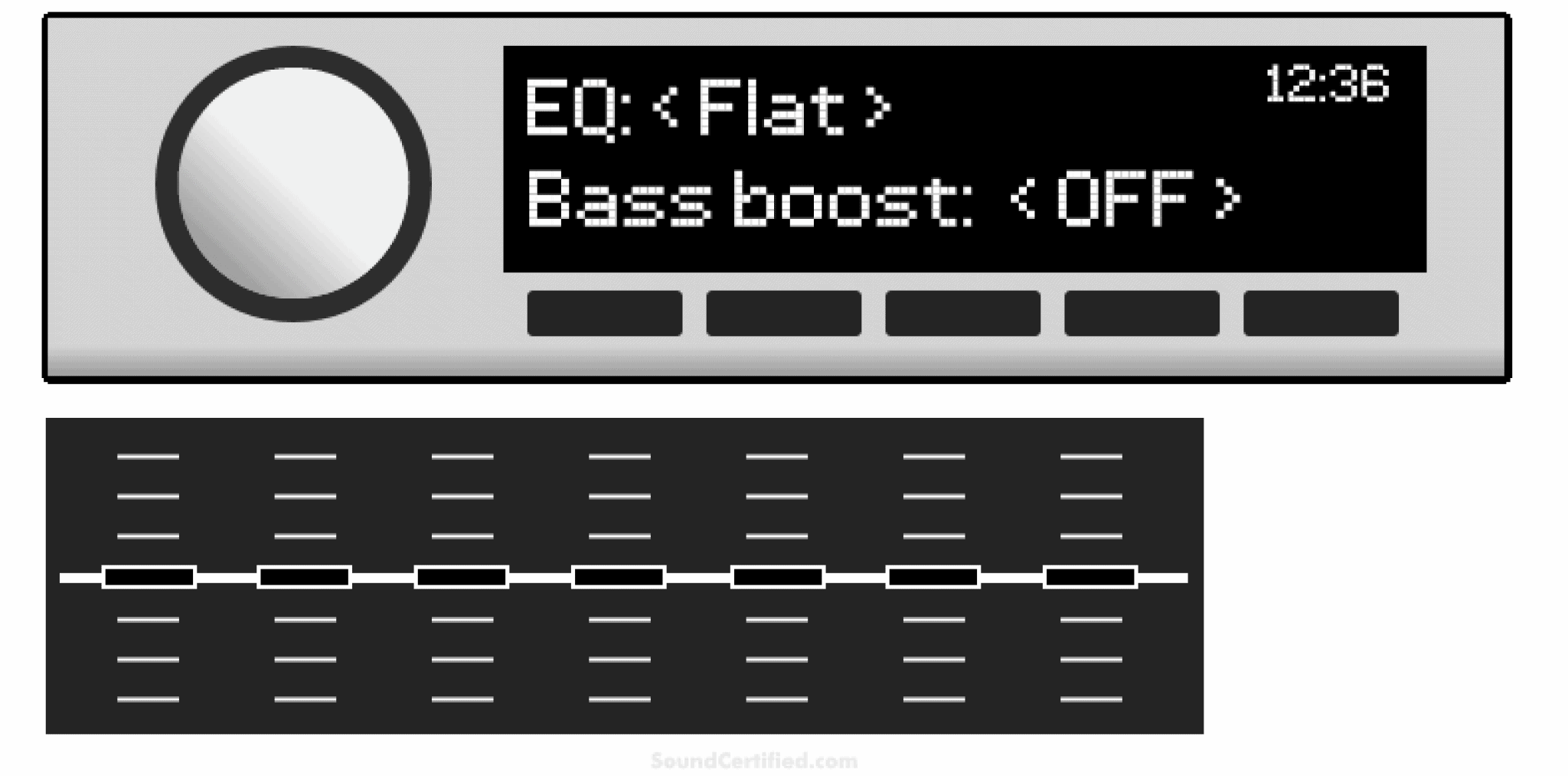
The equalizer controls bass, midrange, and treble frequencies. Adjust bass for deeper lows without distortion. Increase midrange for clearer vocals and instruments. Raise treble to add brightness and detail. Avoid extreme boosts to prevent sound distortion. Test settings with different music styles for best results.
Balance And Fade Controls
Balance adjusts sound between left and right speakers. Fade controls sound between front and rear speakers. Use balance to center the sound in your car. Use fade to create a sound stage near your seat. Proper balance and fade help create a natural listening experience. Adjust these controls while sitting in the driver’s seat.
Set Crossover Frequencies
The crossover splits sound frequencies sent to each speaker. Set low frequencies for subwoofers to handle bass. Direct mid and high frequencies to door or dash speakers. Proper crossover settings prevent speaker damage and improve clarity. Use your stereo’s manual to find the correct crossover points. Fine-tuning crossovers creates a cleaner sound separation.

Credit: www.youtube.com
Maintain Your System
Maintaining your car audio system keeps your speakers sounding clear and fresh. Regular care avoids common sound problems. It helps your system last longer and perform well every time you drive.
Regular Cleaning
Dust and dirt can build up on your speakers and wires. Clean them gently with a soft cloth to remove grime. Avoid using water or harsh chemicals. Keep speaker grills free from debris to prevent muffled sound.
Check For Loose Connections
Loose wires cause crackling or no sound at all. Inspect all cables and plugs in your system. Tighten or reattach any loose connections. Secure wiring stops interruptions and keeps sound steady.
Update Firmware And Software
Modern car audio systems often have software inside. Updates fix bugs and improve sound quality. Check your manufacturer’s website or app for updates. Install the latest versions to keep your system running smoothly.

Credit: www.youtube.com
Frequently Asked Questions
How Can I Improve My Car Audio Quality?
Improving car audio quality involves upgrading speakers, using quality cables, and adding an amplifier. Ensure speakers are correctly installed and soundproof your car doors. Regularly check and maintain your audio system for optimal performance. Adjusting equalizer settings can also enhance sound clarity and depth.
What Type Of Car Speakers Should I Buy?
Choose speakers that match your car’s audio system specifications. Consider component speakers for superior sound quality. Look for speakers with a high sensitivity rating and wide frequency range. Brands like JBL, Pioneer, and Bose offer reliable options. Always prioritize personal preference in sound quality.
How Do I Reduce Car Speaker Distortion?
To reduce distortion, avoid pushing speakers beyond their power limits. Use an amplifier to provide adequate power. Adjust equalizer settings to minimize bass and treble peaks. Ensure all connections are secure and check for any damaged speaker components. Regular maintenance can also prevent distortion issues.
Why Does My Car Speaker Sound Muffled?
Muffled sound may result from improperly sealed doors or blocked speakers. Check for debris or dust on speaker grills. Adjust the balance and fade settings on your audio system. Ensure all wiring connections are secure. Replacing old speakers or adding an amplifier can also resolve this issue.
Conclusion
Better car speaker sound makes every drive more enjoyable. Small changes can bring big improvements in sound quality. Adjust speaker placement, check wiring, and balance bass and treble. Keep your car’s interior quiet to hear music clearly. Regular care helps your speakers last longer too.
Try these tips and enjoy clearer, richer sound. Your favorite songs will feel alive again. Simple steps lead to better music on the road.

Similar Posts