
How to Put New Speakers in a Car: Easy Guide
Are you tired of your car’s old, dull sound system? Imagine turning every drive into a concert with crisp, powerful audio that makes your favorite songs come alive.
Installing new speakers in your car might seem tricky, but with the right steps, you can do it yourself and upgrade your ride’s sound without spending a fortune. In this guide, you’ll discover exactly how to put new speakers in your car quickly and easily.
Ready to boost your music experience? Let’s get started!
Credit: www.traxforum.com
Tools And Materials Needed
Installing new speakers in a car needs the right tools and materials. Having everything ready makes the process smooth and safe. It also helps avoid damage to your car or speakers. This section covers all essentials for a successful speaker upgrade.
Essential Tools
- Screwdrivers (Phillips and flat-head) for removing panels and screws
- Panel removal tool to pry off door panels without damage
- Wire strippers to prepare speaker wires
- Crimping tool for secure wire connections
- Multimeter to test electrical connections and speaker wiring
- Soldering iron (optional) for stronger wire joins
- Electrical tape or heat shrink tubing for insulation
- Socket wrench set for bolts and nuts inside the car
Speaker Options
Choose the right speakers based on your car and sound needs. Options include:
- Coaxial speakers with built-in tweeters for easy installation
- Component speakers with separate tweeters and woofers for better sound
- Size and shape matching your car’s speaker openings
- Speakers with proper power handling to match your car stereo
Safety Gear
- Protective gloves to avoid cuts from sharp edges
- Safety glasses to protect eyes from dust and debris
- Work light for better visibility inside the car
- Mask to prevent inhaling dust or particles
Preparing Your Car
Preparing your car is an important part of installing new speakers. It ensures safety and makes the process smoother. Taking time to prepare helps avoid damage to your vehicle and the new equipment.
Start by setting up a clean workspace. Gather basic tools like screwdrivers and panel removers. Have a safe place to keep screws and small parts. This preparation saves time and frustration later.
Disconnecting The Battery
Disconnect the car battery before working on the audio system. This prevents electrical shorts and protects the car’s electronics. Use a wrench to loosen the negative terminal first. Always remove the negative cable before the positive. This simple step keeps you safe during installation.
Removing Door Panels
Door panels cover the speakers and must be removed carefully. Look for screws near the handles and armrests. Use a panel remover tool to gently pry the panel away. Avoid using too much force to prevent breaking clips. Set the panel aside on a soft surface to avoid scratches.
Accessing Old Speakers
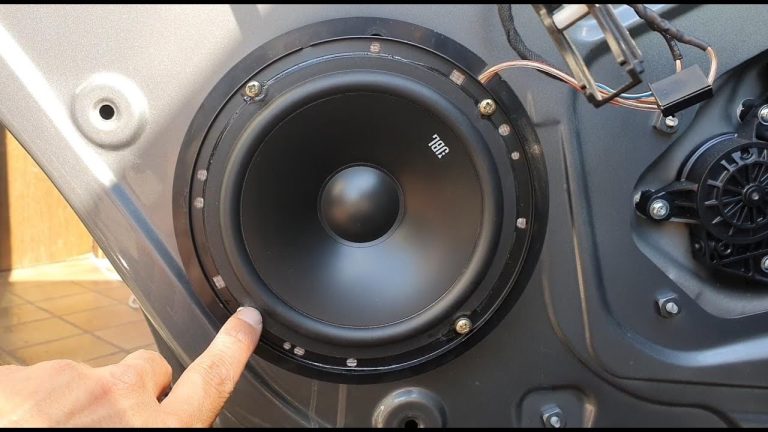
Once the door panel is off, locate the old speakers. They are usually held by screws or bolts. Disconnect the wiring harness gently to avoid damage. Check for any additional clips or covers. Removing the old speakers clears the way for your new ones.
Removing Old Speakers
Removing old speakers is the first crucial step in upgrading your car audio system. It sets the foundation for a smooth installation of new speakers. If you rush this part, you might damage the wiring or mounts, causing problems later on.
Unscrewing And Disconnecting
Start by carefully unscrewing the screws that hold your old speakers in place. Keep a magnetic screwdriver nearby—it can save you from losing tiny screws in your car’s interior. Once the screws are out, gently pull the speaker out without forcing it.
Next, disconnect the speaker wires. You may find clips or plugs holding the wires, so avoid yanking them. If you encounter resistance, check for hidden screws or fasteners around the speaker frame.
Handling Wiring
Once disconnected, examine the wiring closely. Are the wires frayed or damaged? If so, you might need to trim and strip the wires before attaching new speakers.
Label the wires if you’re unsure about their polarity or placement. This small step will prevent confusion when connecting your new speakers. Don’t forget to check if your car uses standard connectors or custom ones.
Inspecting Speaker Mounts
After removing the old speakers, inspect the mounting area carefully. Look for rust, broken clips, or bent metal parts that could affect the fit of your new speakers. Sometimes, mounts need slight adjustments or additional brackets to hold the new speakers firmly.
Ask yourself: Does the new speaker size match the old one’s mount? If not, plan for adapters or modifications. Taking your time here can save you from rattles and loose fittings after installation.

Credit: www.youtube.com
Installing New Speakers
Installing new speakers in a car enhances sound quality and overall listening experience. The process involves careful handling of wires, fitting the speakers correctly, and reattaching panels securely. Each step ensures the speakers work well and stay in place during drives.
Connecting Wires
Start by matching the speaker wires with the car’s wiring harness. Identify positive and negative terminals carefully. Connect the wires firmly to avoid loose connections. Use electrical tape or connectors to secure the joints. Proper wiring prevents sound issues and electrical shorts.
Mounting The Speakers
Place the new speaker into the mounting bracket or slot. Align the holes on the speaker with those on the car frame. Use screws to fix the speaker tightly but do not overtighten. Check that the speaker sits flush without gaps. This step avoids vibrations and sound distortion.
Securing Panels
After mounting, replace any removed panels or grills. Press panels firmly to clip them back into place. Use screws if the panel has screw holes. Ensure no wires get pinched or stuck. Proper panel securing keeps the interior neat and protects the speakers.
Testing And Adjustments
After installing new speakers in your car, testing and making adjustments is essential to ensure the best sound quality. This step helps you catch any wiring mistakes and fine-tune the audio to match your preferences. Skipping this part might leave you with less than ideal sound and potential damage to the system.
Reconnecting The Battery
Before you test your new speakers, reconnect the car battery carefully. Make sure the terminals are tight and free of corrosion to avoid power issues. Double-check that all wires you handled during installation are secure and insulated.
Once connected, turn on your car’s audio system slowly. Watch for any sparks or unusual noises. If everything looks safe, you’re ready to move on to sound testing.
Sound Testing
Play a variety of music genres to evaluate the speaker performance. Listen closely for clarity, bass response, and any distortion at different volumes. Try tracks with vocals, drums, and bass lines to get a full picture.
Adjust your car’s equalizer settings to fine-tune the audio. Sometimes, small tweaks in bass, treble, or balance can make a huge difference in sound quality. Ask yourself, does the music feel balanced or is one side overpowering the other?
Troubleshooting Common Issues
If you notice no sound or distorted audio, start by checking the wiring connections again. Loose or reversed wires are often the culprit. Confirm that the speaker polarity is correct—positive to positive, negative to negative.
Another common issue is blown fuses. Inspect your car’s fuse box and replace any blown fuses with the right rating. Also, check if your head unit supports the new speakers’ power requirements.
Have you ever felt frustrated after a speaker install didn’t sound right? Taking the time to methodically test and adjust can save you that headache. What’s the best sound improvement you’ve made in your car audio system?

Credit: www.youtube.com
Upgrading Audio System
Upgrading your car’s audio system transforms your driving experience. Fresh speakers bring clear sound. But adding other components lifts audio quality further. Each part works together to improve music and voices inside your vehicle.
Adding Amplifiers
Amplifiers increase the power sent to your speakers. More power means louder sound without distortion. Choose an amplifier that matches your speaker’s power rating. Install it close to the speakers for better performance. Proper wiring and fuses keep the system safe and reliable.
Choosing Subwoofers
Subwoofers handle low bass sounds. They add depth to music and make it feel full. Pick a subwoofer size that fits your car’s space. Match the subwoofer to your amplifier’s power output. Enclosures affect bass quality, so use the right box for best sound.
Improving Sound Quality
Sound quality depends on many factors. Use good speaker placement to avoid sound waves canceling. Add sound-deadening materials to reduce road noise. Balance treble, midrange, and bass on your audio system’s equalizer. Test and adjust settings for clear, crisp sound.
Frequently Asked Questions
How Do I Remove Old Car Speakers Safely?
First, disconnect the car battery to avoid shocks. Use a screwdriver to remove speaker screws. Carefully detach speaker wires without damaging them. Gently pull out the old speaker from its mount. Keep all screws for installing the new speaker.
What Tools Are Needed To Install New Car Speakers?
You need a screwdriver, wire strippers, electrical tape, and a panel removal tool. A soldering iron helps with wire connections but is optional. Having a multimeter ensures correct wiring. These tools make installation smooth and safe.
How Do I Connect New Speakers To My Car Stereo?
Match the speaker wires to the stereo wires by color. Strip wire ends for a secure connection. Use crimp connectors or solder wires together. Insulate with electrical tape to prevent shorts. Double-check connections before reassembling panels.
Can I Upgrade Car Speakers Without Professional Help?
Yes, upgrading is doable with basic tools and instructions. Follow a step-by-step guide and take safety precautions. Ensure compatibility of new speakers with your car’s system. DIY installation saves money and enhances your audio experience.
Conclusion
Installing new car speakers can greatly improve your driving experience. Follow each step carefully to avoid mistakes. Take your time with wiring and fitting for the best sound. Test the speakers before putting everything back together. Enjoy clearer, louder music on every drive.
Regular practice makes the process easier and quicker. Now, you can upgrade your car audio with confidence.