
How to Connect Car Stereo to Speakers: Easy Step-by-Step Guide
Are you ready to boost your car’s sound system and enjoy crystal-clear music every time you drive? Connecting your car stereo to speakers might seem tricky, but with the right steps, you can do it yourself quickly and easily.
Imagine turning your car into the ultimate music zone without spending a fortune on professional help. In this guide, you’ll discover simple, clear instructions that make the process smooth and stress-free. Keep reading, and soon you’ll be blasting your favorite tunes with powerful, high-quality sound!
Tools And Materials Needed
Connecting a car stereo to speakers requires specific tools and materials. Having the right items makes the process smooth and safe. Prepare everything before starting your installation to avoid interruptions.
Basic Tools
- Screwdrivers (flathead and Phillips)
- Wire strippers and cutters
- Crimping tool or soldering kit
- Multimeter for checking connections
- Panel removal tool
- Electrical tape or heat shrink tubing
Required Materials
- Car stereo unit
- Speaker wires (correct gauge)
- Speaker connectors or terminals
- Mounting brackets or screws
- Wire harness adapter (specific to car model)
- Fuse holder and fuses
Safety Precautions
- Disconnect the car battery before starting
- Work in a well-lit, dry area
- Use insulated tools to prevent shocks
- Double-check wire polarity before connecting
- Avoid loose wires to prevent shorts
- Wear safety glasses to protect eyes
Identifying Car Stereo And Speaker Types
Connecting your car stereo to speakers starts with knowing exactly what types of devices you’re dealing with. Not all car stereos and speakers are made the same, and understanding their differences helps avoid compatibility headaches and sound issues. Let’s break down the common connections and speaker types so you can match them perfectly for crisp, clear audio in your vehicle.
Common Car Stereo Connections
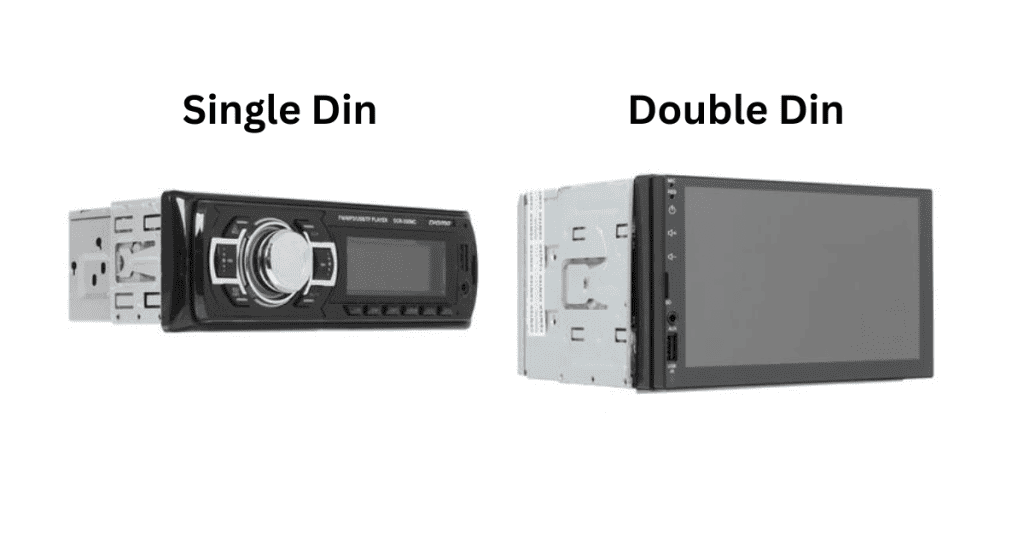
Car stereos typically use a few standard connection types to link with speakers or external devices. Recognizing these will help you identify what cables or adapters you might need.
- Wiring Harness Connectors:These are factory-style plugs that connect directly to the car’s wiring system. They make installation cleaner and easier.
- RCA Connectors:Often used for amplifiers and subwoofers, RCA cables carry audio signals with minimal interference.
- Speaker Wire Terminals:Basic stereo units use bare wire connections where you attach speaker wires directly to terminals.
- Bluetooth and AUX Inputs:Modern stereos may have wireless or auxiliary inputs, but these still need physical speaker connections to output sound.
Have you checked what type of connection your stereo uses? This small detail can save you hours of confusion during installation.
Types Of Car Speakers
Car speakers come in several varieties, each designed for specific sound ranges and installation spots. Knowing the type helps you place them correctly and match power requirements.
- Coaxial (Full-Range) Speakers:These combine tweeters and woofers in a single unit. They’re easy to install and provide balanced sound for most users.
- Component Speakers:Separate tweeters, woofers, and crossovers allow better sound customization and clarity, but installation can be more complex.
- Subwoofers:Designed for deep bass, subwoofers need dedicated amplifiers and proper enclosure for best performance.
- Mid-Range Speakers:Focused on vocal and instrument clarity, these often complement subwoofers and tweeters in a sound system.
Which speaker type fits your listening style? If you prefer strong bass, a subwoofer is essential, but for everyday driving, coaxial speakers might suffice.
Matching Stereo To Speaker Compatibility
It’s crucial to ensure your stereo’s output matches your speakers’ power handling and impedance. Ignoring this can damage your equipment or degrade sound quality.
| Parameter | Why It Matters | What to Check |
|---|---|---|
| Power Output (Watts) | Speakers need enough power to perform without distortion or damage. | Match your stereo’s RMS wattage with speaker RMS rating. |
| Impedance (Ohms) | Speakers and stereo must have compatible impedance to prevent overload. | Common car speakers are 4 ohms; ensure your stereo supports this. |
| Connector Type | Proper connectors ensure secure and correct wiring. | Check if stereo uses RCA, harness, or bare wire and match accordingly. |
Have you measured your stereo’s output specs against your speaker’s ratings? Taking this step can prevent costly mistakes and improve your overall sound experience.
Preparing The Car Stereo System
Getting your car stereo ready for connection to speakers is an essential step that sets the stage for a smooth installation. Proper preparation not only protects your vehicle’s electrical system but also ensures the best sound quality from your new setup. Taking the time to carefully prepare can save you from headaches later on and help you avoid costly mistakes.
Disconnecting The Battery
Always start by disconnecting your car’s battery. This simple safety step prevents electrical shorts and protects you from accidental shocks. Remove the negative terminal first—this stops any current flow and keeps your vehicle’s electronics safe.
Have you ever skipped this step and ended up blowing a fuse or worse? It’s a common mistake, and trust me, it’s not worth the risk. A quick disconnect can save your stereo and your sanity.
Removing Existing Stereo
Next, remove the old stereo carefully. Use the right tools, like panel removal tools, to avoid damaging your dashboard. If your stereo is stuck, check for hidden screws or clips—force can cause costly damage.
Keep track of all screws and small parts in a container. When I first replaced my stereo, losing a tiny clip delayed the entire process. Staying organized helps you reassemble everything without hassle.
Checking Wiring Harness
Once the stereo is out, inspect the wiring harness. Look for any signs of wear, corrosion, or loose connections. Your speakers rely on clean, secure wiring to deliver clear sound.
Take a moment to compare the wiring harness with your new stereo’s connectors. Are all the wires labeled or color-coded? If not, consider using a wiring diagram or a multimeter to verify connections before plugging anything in.

Credit: www.reddit.com
Connecting The Stereo To Speakers
Connecting your car stereo to speakers is a key step in achieving clear, powerful sound. It requires careful attention to wiring and secure connections to avoid any interruptions or damage. Let’s look at the essential parts of this process to make sure your setup works smoothly and sounds great.
Wiring Speaker Leads
Start by identifying the positive and negative leads on both your stereo and speakers. Speaker wires usually have a marking or color difference—red often indicates positive, and black or white indicates negative. Matching these correctly is crucial to avoid phase issues that can affect sound quality.
Cut the wires to the right length, leaving some slack for adjustments. Strip about half an inch of insulation off each wire end to expose the copper. Be gentle—damaged wires can cause poor connections and static noise.
Using Connectors And Adapters
Connectors make the wiring process cleaner and more reliable. You can use crimp connectors, butt connectors, or quick-disconnect terminals depending on your setup. These help maintain a strong connection and make future disconnections easier without damaging the wires.
If your stereo or speakers have different connectors, adapters can bridge the gap. For example, a speaker wire to RCA adapter can connect older stereo models to modern speakers. Have you ever struggled with mismatched plugs? Using the right adapter saves time and frustration.
Securing Connections
Loose connections cause sound dropouts or distortion. Once wires are connected, use electrical tape or heat shrink tubing to insulate exposed metal. This prevents short circuits and protects against moisture, especially in a car environment.
Also, make sure the wires are firmly held in place and not rubbing against sharp edges or moving parts. Securing them with zip ties or clips keeps everything neat and prevents accidental disconnections. Think about how often your car moves—will your connections hold up?
Testing And Troubleshooting
Testing and troubleshooting your car stereo connection is important to ensure clear sound. This step confirms all components work well together. It also helps find and fix any issues early. Follow simple checks to enjoy your music without problems.
Powering On The System
Start by turning on your car stereo and speakers. Make sure the car ignition is in the accessory or on position. Check if the stereo display lights up. Listen for any startup sounds from the stereo or speakers. If nothing happens, check the fuse and power connections.
Checking Sound Output
Play a song or radio station at a low volume. Listen carefully to each speaker for sound. Confirm if the sound is clear and balanced. Test left and right speakers separately if possible. Adjust volume and balance controls on the stereo. Check the speaker wires for secure connections.
Resolving Common Issues
- No sound: Verify speaker wires and stereo power connections.
- Distorted sound: Lower volume or check for loose wires.
- Only one speaker works: Swap speaker wires to find faults.
- Static noise: Ensure wires are away from power cables.
- Stereo won’t power on: Check car fuse and stereo fuse.
These checks help fix most common problems quickly. Repeat tests after each fix to confirm success.
Credit: www.santaclaritaautosound.com
Final Installation Tips
Getting your car stereo hooked up to your speakers is exciting, but the final touches make all the difference. How you handle wiring, mounting, and sound quality will shape your listening experience every time you hit the road. Paying close attention now saves headaches later and keeps your setup looking and sounding great.
Tidy Wiring Management
Messy wires can cause shorts or signal interference. Use zip ties or Velcro straps to bundle cables neatly along existing wiring paths. Avoid stretching wires tight; give them a little slack to prevent damage when you move seats or open doors.
Labeling wires helps if you need to troubleshoot later. Think about how your wires sit under the dash—can you tuck them behind panels or inside cable channels? A clean setup not only looks professional but also makes future upgrades simpler.
Mounting Speakers Securely
Loose speakers rattle and reduce sound quality. Use the right screws and brackets designed for your car model to keep speakers firmly in place. If you hear vibration or buzzing, double-check the mounting points and add foam gaskets if needed to absorb excess movement.
Consider the speaker’s angle and position for the best sound projection. Have you tested how the sound changes with small adjustments? Sometimes, moving a speaker just an inch can improve clarity and bass response dramatically.
Maintaining Audio Quality
Keep speaker wires away from power cables to reduce electrical noise. Using high-quality cables can make a noticeable difference in sound clarity and reduce signal loss. If your stereo has adjustable settings, tweak bass, treble, and balance to suit your preferences and vehicle acoustics.
Don’t overlook your car’s interior materials—they affect sound too. Hard surfaces reflect sound, while soft materials absorb it. Experiment with speaker placement and settings until your music feels alive and clear without distortion.
Credit: www.diymobileaudio.com
Frequently Asked Questions
How Do I Connect A Stereo To Speakers?
To connect a stereo to speakers, use speaker wires. Connect the positive and negative terminals on the stereo to the corresponding terminals on the speakers. Ensure the connections are secure for optimal sound quality. Always refer to the stereo and speaker manuals for specific instructions.
What Tools Do I Need For Connection?
You’ll need speaker wires, a wire stripper, and possibly a screwdriver. The wire stripper helps prepare the wires by removing the insulation. A screwdriver might be necessary for securing connections. Ensure you have the right tools for a smooth and efficient setup.
Can I Use Any Speakers With My Car Stereo?
Not all speakers are compatible with every car stereo. Check the stereo’s specifications for impedance and power handling. Match these with the speaker specifications for optimal performance. Using incompatible speakers can result in poor sound quality or damage to the system.
Do I Need An Amplifier For Better Sound?
An amplifier can enhance sound quality and volume. It provides additional power to drive the speakers more effectively. If your stereo’s built-in amplifier is insufficient, consider adding an external amplifier for improved audio performance.
Conclusion
Connecting your car stereo to speakers is easier than it seems. Start by matching the wires correctly for clear sound. Use the right tools and take your time. Test the connection before finalizing to avoid issues. Enjoy better sound and a more fun drive.
Simple steps bring great results. Keep your setup safe and secure. Now, you can listen to music just how you like.