
Are your car speakers sounding crackly, weak, or just not working at all? You rely on your car’s sound system to make every drive enjoyable.
When your speakers fail, it can turn your favorite songs into noise you want to avoid. But don’t worry—you don’t have to be an expert to fix them. In this guide, you’ll discover simple, effective steps to bring your car speakers back to life.
Keep reading, and you’ll soon enjoy clear, powerful sound every time you hit the road.
Diagnose Common Speaker Issues
Diagnosing common speaker issues is the first step to fixing your car speakers. It helps identify the exact problem without wasting time or money. Many speaker problems stem from simple causes. Checking these can often restore your sound system quickly.
Check Speaker Connections
Loose or broken wires can stop speakers from working. Look behind the speaker and car stereo to check all wires. Make sure wires are tightly connected and not frayed. Clean any dirt or corrosion from the connections. Secure all plugs firmly to avoid sound cuts or distortion.
Inspect Speaker Cones
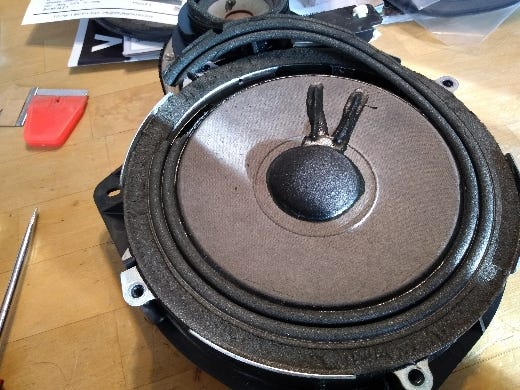
Speaker cones can get damaged by age or impact. Look for tears, holes, or dents on the cone surface. Press gently to see if the cone moves freely without scraping. Damaged cones cause buzzing or poor sound quality. Replace cones if you notice visible damage or stiffness.
Test Audio Source
Sometimes the problem is not with the speakers but the audio source. Test your car stereo with different tracks or devices. Use another audio source like a phone or MP3 player. This check confirms if the audio device or cables are faulty. Replace or fix the source if it does not play sound properly.

Credit: m.youtube.com
Gather Necessary Tools
Before you start fixing your car speakers, gathering the right tools is essential. Having everything ready saves you time and prevents frustration during the repair. You want to be prepared for any unexpected issues that might come up once you open up your car doors.
Essential Repair Tools
- Screwdrivers:A set of both flathead and Phillips screwdrivers is crucial. These help remove screws holding your speaker or door panel in place.
- Panel removal tool:This plastic tool prevents damage to your car’s interior when prying off panels.
- Wire strippers and cutters:You’ll need these to strip speaker wires cleanly for reconnection or replacement.
- Multimeter:This handy device checks electrical connections and confirms if your speaker wires have power.
- Soldering iron and solder:For secure, lasting wire connections, soldering is often the best option.
Missing even one of these can make the process trickier or lead to poor repairs. I learned this the hard way when I tried fixing my speakers with just a screwdriver and ended up damaging the panel.
Optional Accessories
- Electrical tape or heat shrink tubing:These insulate wires to prevent shorts.
- Replacement speaker connectors:Sometimes the original connectors wear out or don’t fit new speakers.
- Cleaning brush or compressed air:Dust inside the speaker housing can affect sound quality.
- Zip ties:Use these to secure loose wires and keep everything tidy.
Do you find yourself struggling with messy wires or unclear connections? Adding these accessories can make a huge difference in the final outcome. What small tool have you found indispensable in your own car repairs?
Remove Car Door Panels
Removing car door panels is a key step to fix your car speakers. You need clear access to the speaker units behind the panels. Taking off the panels carefully protects both the door and your tools. Follow simple steps to avoid damage and work safely.
Locate Screws And Clips
Start by finding all screws holding the door panel. Common places include:
- Inside the door handle area
- Near the armrest
- At the bottom edge of the panel
- Behind small plastic covers
Check for clips too. These plastic fasteners keep the panel tight. Use a flashlight if needed to spot hidden screws and clips.
Safely Detach Panels
Use a flat tool or panel remover to pry gently around the edges. Work slowly to avoid breaking clips. Once loose, lift the panel upwards to unhook it from the window ledge.
Disconnect any electrical connectors for power windows or locks carefully. Place the panel in a safe spot to prevent scratches or damage.
Credit: www.toyotanation.com
Repair Or Replace Speakers
Deciding whether to repair or replace your car speakers can feel tricky. Sometimes, a quick fix like tightening a connection can bring your music back to life. Other times, worn-out components mean it’s time to invest in new speakers for better sound quality.
Fixing Loose Wires
Loose or disconnected wires are a common cause of speaker problems. Start by removing the speaker cover and checking all wire connections. If you find any wires that are loose or frayed, reconnect them securely or replace damaged sections with new wire.
Use a multimeter to test the continuity of the wires. This tool helps you identify if the wire is broken inside the insulation. You don’t need to be an expert—just ensure all connections are tight and free of corrosion.
Have you ever felt frustrated that your music cuts out unexpectedly? Often, the solution is as simple as fixing a loose wire.
Replacing Damaged Speakers
When your speaker’s cone is torn or the sound is distorted despite checking the wiring, replacement might be necessary. Match new speakers with your car’s specifications to avoid compatibility issues.
Look for speakers with similar size, impedance, and power handling. This ensures easy installation and optimal performance. You can find affordable options online or at local auto shops.
Replacing speakers yourself can save money and give you a better sound experience. Have you considered upgrading your car speakers to enjoy clearer and richer sound?
Reassemble And Test
After fixing your car speakers, reassembly is crucial. This step ensures everything fits back perfectly and works as it should. Take your time to avoid damaging any parts.
Testing the speakers after reassembly confirms that your repair was successful. It helps catch any issues before you finish.
Reattach Panels
Start by aligning the door panels or speaker covers correctly. Press them firmly but gently to snap clips back into place. Use screws or fasteners removed earlier to secure the panels tightly. Check for any loose sections or gaps around the edges. A well-fitted panel protects your speakers and keeps sound quality stable.
Check Sound Quality
Turn on your car stereo and play music at a moderate volume. Listen for clear, crisp sound without distortion or buzzing. Test different volumes and music types to ensure consistent performance. If sound issues persist, double-check wiring connections and speaker placement. Proper sound confirms your speakers are working well after repair.

Credit: www.youtube.com
Prevent Future Speaker Issues
Preventing future speaker issues is just as important as fixing the current problems. Taking a few simple steps can save you from costly repairs and disappointing sound quality. The key lies in how you care for your car speakers over time.
Regular Maintenance Tips
Check your speakers regularly for dust and dirt buildup. A soft brush or a gentle vacuum can keep the surfaces clean without damaging delicate parts.
Inspect the wiring connections every few months. Loose or corroded wires can cause crackling sounds or complete speaker failure.
Keep your car interior dry. Moisture is a silent enemy that can ruin speaker cones and internal components quickly.
Avoiding Common Mistakes
Don’t crank your volume to the maximum for long periods. Excessive volume stresses the speaker components and leads to distortion or burnout.
Avoid installing incompatible speakers or amplifiers. Mismatched equipment can cause electrical problems or reduce sound quality significantly.
Never ignore warning signs like rattling or distortion. Addressing these early prevents minor issues from turning into major repairs.
Have you noticed any unusual sounds from your car speakers lately? Taking action now can keep your music clear and your drives enjoyable.
Frequently Asked Questions
Why Are My Car Speakers Not Working?
Car speakers might fail due to wiring issues, blown fuses, or damaged components. Check connections and fuses first. If those are intact, inspect the speakers for physical damage. Sometimes, the audio system might need a reset to function properly.
How Can I Test My Car Speakers?
To test your car speakers, use a multimeter to check for continuity. Disconnect the speaker and measure resistance. A reading between 4-8 ohms indicates the speaker is likely functional. Additionally, play audio to check for sound clarity and distortion.
What Tools Do I Need To Fix Car Speakers?
Basic tools like a screwdriver, multimeter, and wire stripper are essential. You may also need a soldering iron for advanced repairs. Having a panel remover can help access speakers without damaging the car’s interior.
Can Blown Car Speakers Be Repaired?
Yes, blown car speakers can be repaired if the damage is minimal. Check for visible tears or damage in the cone. Small tears can be patched with special adhesives. However, severely damaged speakers may need replacement for optimal sound quality.
Conclusion
Fixing your car speakers can improve your driving experience. Start by checking wires and connections carefully. Clean dirty parts to ensure clear sound. Replace damaged speakers to avoid poor audio quality. Test your work before driving again. Small repairs save money and bring better sound.
Stay patient and follow each step slowly. Enjoy music with clear, strong sound once fixed. Your car deserves good audio every trip.